

 2 days ago
1
PROTECT YOUR DNA WITH QUANTUM TECHNOLOGY
Orgo-Life the new way to the future Advertising by AdpathwayResearchers investigating non-antibiotic biocontrol methods to protect animal health and ensure food safety have demonstrated that the probiotic bacterium Lacticaseibacillus paracasei strain Jlus66 provides substantial multi-tiered defense against Salmonella enterica serovar Typhimurium infection in a murine model. Writing in the journal One Health Advances, the research team reported that oral administration of this lactic acid bacterial strain before pathogen exposure dramatically decreased host mortality, curtailed weight loss, and reduced the pathogen burden across both digestive and systemic organs, including the cecum, colon, liver, and spleen. The investigators established that the probiotic acts through a coordinated cascade of distinct biological mechanisms, directly damaging the flagella of invading Salmonella cells in laboratory assays, preserving mechanical intestinal barrier structures in the gut mucosa, balancing critical inflammatory signaling molecules, and preventing the microecological collapse of the commensal intestinal microbiome. These findings offer valuable mechanistic support for probiotic interventions designed to counteract foodborne bacterial pathogens without fostering antimicrobial resistance.
Salmonella Typhimurium represents one of the most widespread foodborne bacterial pathogens impacting agricultural production, primarily colonizing poultry flocks and contaminating chicken meat and commercial eggs. When transmitted to humans through the ingestion of raw or undercooked animal products, the pathogen causes salmonellosis, an acute intestinal infection responsible for approximately two hundred thousand human fatalities worldwide every year. In commercial livestock farming, the prolonged non-therapeutic application of conventional antibiotic agents to suppress competing bacterial pathogens has accelerated the emergence of multidrug-resistant Salmonella variants while leaving chemical drug residues in the human food supply chain. Furthermore, broad-spectrum antibiotics indiscriminately eradicate beneficial commensal microorganisms, depleting natural colonization resistance within the host gastrointestinal tract and leaving hosts acutely vulnerable to opportunistic bacterial colonization and chronic inflammatory disorders. To overcome these pressing agricultural and public health challenges, investigators isolated Lacticaseibacillus paracasei Jlus66, designated under collection accession number 22101, to determine whether proactive probiotic supplementation could sustainably interrupt Salmonella invasion pathways before systemic colonization takes place.
To understand the initial mechanical barriers encountered during infection, the authors conducted a series of targeted in vitro assays evaluating how Lacticaseibacillus paracasei Jlus66 interferes with Salmonella motility and mucus penetration. A primary physiological role of the gastrointestinal mucus layer is to serve as a physical shield preventing mobile pathogenic bacteria from establishing direct epithelial contact. Utilizing a transwell chamber system containing a three percent weight-by-volume mucin barrier, the researchers observed that exposure to Jlus66 significantly reduced the penetration rate of Salmonella Typhimurium through the mucin gel compared to untreated control bacteria. Because the pathogen relies upon active flagellar swimming to traverse viscous intestinal mucus, the researchers carried out swimming motility assays on semi-solid medium, revealing a significant reduction in bacterial colony migration diameters following probiotic treatment. High-resolution transmission electron microscopy further demonstrated that untreated Salmonella cells retained thick, continuous, and structurally intact flagellar filaments extending from the bacterial envelope, whereas cells treated with Jlus66 exhibited visibly thinned, detached, and fragmented flagella, especially near cellular junctions.
In parallel microbiological evaluations, the researchers assessed the direct antimicrobial efficacy of Lacticaseibacillus paracasei Jlus66 using an established laboratory co-culture system. They observed that both the harvested bacterial cells of the probiotic and its cell-free culture supernatant significantly inhibited the vegetative growth of Salmonella Typhimurium over a twenty-four-hour incubation period. Testing the supernatant at both an acidic pH of 3.72 and a neutralized pH of 6.96 revealed that while organic acids and the resultant low pH environment compromise outer cell membranes and disrupt essential energy metabolism, non-acid metabolites present within the supernatant also exert distinct inhibitory actions against the pathogen. Concurrently, living probiotic cells suppressed Salmonella proliferation through competitive nutrient consumption and mechanical spatial exclusion. These combined in vitro observations indicated that Jlus66 not only suppresses Salmonella bacterial density through metabolic products and cellular competition, but also strips the pathogen of its functional flagellar apparatus, thereby preventing mobile bacteria from effectively swimming through protective mucus linings to reach the vulnerable mucosal epithelium underneath.
Moving to a mammalian model, the researchers evaluated sixty female BALB/c mice maintained under specific pathogen-free conditions and divided across six randomized experimental cohorts. The animals received daily oral gavages of Lacticaseibacillus paracasei Jlus66 at a concentration of one hundred million colony-forming units for ten consecutive days, followed by oral challenge with ten million colony-forming units of Salmonella Typhimurium for either two or five days. Mice infected with the pathogen alone suffered significant mortality, marked reductions in body weight, severe cecal atrophy, and noticeable shortening and thinning of the colon wall, accompanied by a steep drop in colonic fecal content. In contrast, mice pretreated with Jlus66 exhibited steady weight gains throughout the prophylactic period and demonstrated significantly improved overall survival rates following infection. Pathological organ indices further revealed that probiotic administration significantly reduced the organ enlargement observed in infected animal livers and spleens, while microbiological plating assays confirmed a statistically significant reduction in viable Salmonella burden in liver, spleen, colon, and cecum homogenates.
Detailed histological examinations using hematoxylin and eosin staining substantiated the therapeutic protection conferred by the probiotic across multiple vital tissues. Liver sections from infected mice five days post-challenge displayed substantial inflammatory cell infiltration, whereas liver tissue from the Jlus66-pretreated group remained clear of noticeable inflammatory foci, matching the normal architectural morphology of healthy uninfected control animals. Within the spleen, Salmonella challenge caused profound structural disorganization, marked cellular infiltration, and widespread tissue necrosis reflecting intense systemic immune activation; however, mice receiving the probiotic maintained uniform cell distributions and preserved lymphoid follicle structures. In the lower intestinal tract, the untreated infected cohorts exhibited extensive epithelial damage, mucosal edema, and severe disruption of colonic villi and cecal glands. In sharp contrast, histological sections from the animals pretreated with Jlus66 demonstrated well-preserved colonic villous architecture, distinct glandular margins, and markedly suppressed inflammatory cell infiltration in both the colon and the cecum, confirming that oral probiotic prophylaxis actively shields gastrointestinal tissues from pathogen-induced structural degradation.
To uncover the molecular mechanisms responsible for intestinal preservation, the team analyzed tight junction and adhesion molecules in colonic and cecal tissues using Western blotting, quantitative real-time polymerase chain reaction, and immunofluorescence microscopy. Infection with Salmonella Typhimurium triggered profound reductions in the transcriptional and translational expression of zonula occludens-1, occludin, and E-cadherin across both intestinal regions. Immunofluorescence imaging revealed fragmented and severely diminished fluorescent signals for these critical barrier proteins, with tissue damage proving particularly severe in the cecum due to its naturally thinner mucosal layer. Prophylactic administration of Lacticaseibacillus paracasei Jlus66 significantly reversed these pathological declines, restoring both gene expression and protein abundance in the cecum and colon. Because zonula occludens-1 functions as a crucial structural scaffold anchoring transmembrane occludin to govern tight junction permeability, while E-cadherin provides essential intercellular adhesion, the probiotic-driven recovery of these structural proteins effectively prevented pathogen-induced gut barrier breakdown and restricted systemic bacterial translocation into the bloodstream.
The team next examined intestinal cytokine expression profiles to delineate how the probiotic modulates local mucosal and systemic inflammatory cascades during active bacterial challenge. Following Salmonella exposure, colonic and cecal levels of interleukin-17, tumor necrosis factor-alpha, and interferon-gamma rose substantially, reflecting acute inflammatory signaling and destructive neutrophil recruitment that exacerbate tissue pathology and compromise barrier integrity. Concurrently, levels of protective interleukin-22 dropped significantly in untreated infected mice. Pretreatment with Lacticaseibacillus paracasei Jlus66 decisively reversed these cytokine disruptions, downregulating the excessive expression of interleukin-17, tumor necrosis factor-alpha, and interferon-gamma while markedly enhancing the abundance of interleukin-22 in both the colon and cecum. Because interleukin-22 acts directly upon intestinal epithelial cells to stimulate antimicrobial peptide synthesis and promote tissue repair, the probiotic-driven modulation of these signaling pathways effectively suppressed damaging hyperinflammation while reinforcing the mucosal defense network, preventing the progressive epithelial permeability that otherwise facilitates the systemic dissemination of opportunistic pathogens and commensal microbes.
High-throughput sequencing of microbial DNA extracted from fecal samples revealed that the probiotic regimen actively reshapes the ecological composition of the gut microbiota during infection. Although alpha-diversity metrics including Chao1, Shannon, and Simpson indices showed no significant differences among experimental cohorts, beta-diversity analyses involving principal coordinates analysis, non-metric multidimensional scaling, and hierarchical clustering confirmed distinct structural shifts. Samples from mice receiving Jlus66 pretreatment clustered substantially closer to healthy uninfected control animals than to the disrupted profiles of the untreated Salmonella cohorts. At the phylum level, Salmonella infection caused a noticeable contraction in the relative abundance of Firmicutes alongside an expansion of Bacteroidota; Jlus66 treatment reversed these alterations by restoring Firmicutes populations. Taxonomic profiling further showed that Jlus66 attenuated pathogen-induced elevations in inflammatory genera such as Muribaculaceae and Desulfovibrio while preserving beneficial Lachnospiraceae NK4A136, a genus known to correlate positively with colon length and negatively with intestinal permeability.
Linear discriminant analysis effect size confirmed that Salmonella infection depleted beneficial butyrate-producing Clostridiales while encouraging the overgrowth of inflammatory genera such as Mucispirillum and Alloprevotella, whereas probiotic-pretreated animals exhibited prominent enrichment of beneficial Bacteroides species capable of synthesizing short-chain fatty acids like acetate and propionate to stimulate protective interleukin-22 production. To directly validate in vivo physiological barrier integrity, the researchers administered fluorescently labeled four-kilodalton dextran orally and tracked fluorescent leakage using whole-animal and organ imaging. While infected mice exhibited intense abdominal and systemic fluorescence indicating extensive mucosal extravasation and intestinal permeability, Jlus66-pretreated mice displayed minimal dye leakage, demonstrating preserved mucosal impermeability. The authors emphasized that while these findings clearly demonstrate the efficacy of Lacticaseibacillus paracasei Jlus66 in protecting intestinal barrier function and reducing mortality in mice, further investigations are required to identify the specific active biochemical metabolites mediating these responses before translating probiotic biocontrol formulations into commercial poultry production systems.
Subject of Research: Protective mechanisms of Lacticaseibacillus paracasei Jlus66 against Salmonella Typhimurium in a murine model
Article Title: Protective effect of Lacticaseibacillus paracasei Jlus66 against Salmonella in a mouse model
Article References: Ji, Y., Wang, C., Wang, K., Ye, H., Deng, X., & Shen, X. (2026). Protective effect of Lacticaseibacillus paracasei Jlus66 against Salmonella in a mouse model. One Health Advances, 4(1), Article 33. https://doi.org/10.1186/s44280-026-00148-9
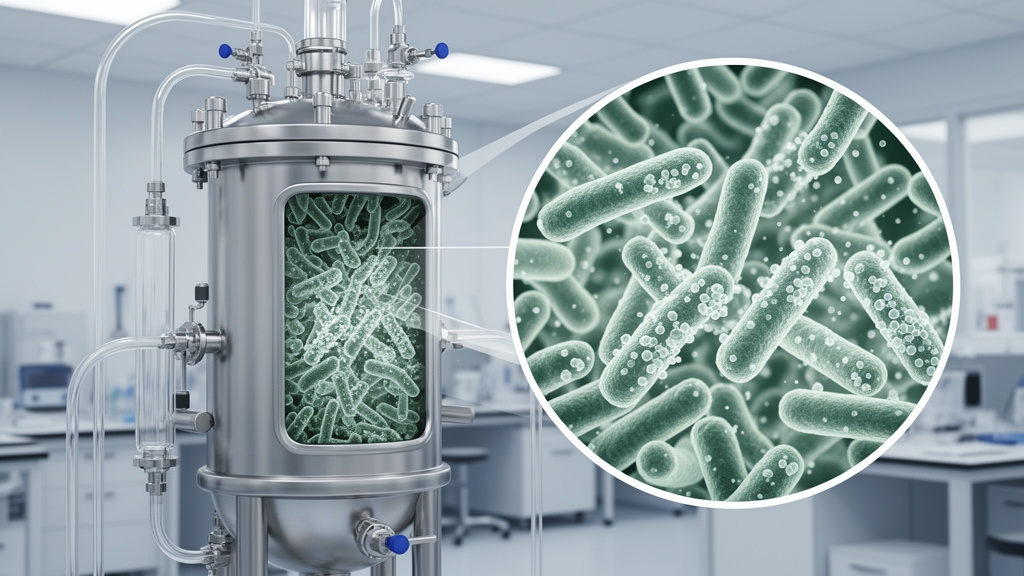
Image Credits: AI Generated
DOI: 10.1186/s44280-026-00148-9
Keywords: Lacticaseibacillus paracasei, Salmonella Typhimurium, gut barrier integrity, tight junction proteins, zo-1, occludin, e-cadherin, interleukin-17, interleukin-22, intestinal permeability, microbiota dysbiosis, swimming motility, flagella disruption, biocontrol, food safety, salmonellosis, murine model

















 English (US) ·
 French (CA) ·