

 1 day ago
8
PROTECT YOUR DNA WITH QUANTUM TECHNOLOGY
Orgo-Life the new way to the future Advertising by AdpathwayA federal judge in Hawaii has struck down the wildlife clearance behind the first deep-sea mining lease sale ever planned in United States waters, three days before the auction was due to open. In an order signed on Monday, November 16, U.S. District Judge Jill Otake found that the National Marine Fisheries Service broke the Endangered Species Act when it concluded that selling seabed leases off American Samoa was unlikely to harm protected marine life, the Honolulu Star-Advertiser reported.
The decision does not cancel the sale. It removes a legal approval the sale relied on, and it leaves the Trump administration to decide whether to press ahead with bidding scheduled for Thursday, November 19. At the time of writing, the government had not said publicly what it would do.
What the judge decided
The case turned on a short document called a letter of concurrence. Under the Endangered Species Act, a federal agency planning an action that might affect protected species has to consult the government's wildlife experts first. For ocean species, that means the National Marine Fisheries Service, which is part of the Commerce Department. Here, the agency running the sale asked the fisheries service to agree that the lease sale was "not likely to adversely affect" listed species, and the service agreed in writing.
Judge Otake vacated that letter. According to the Guam Daily Post's account of the order, she found that the fisheries service defined the project as the sale plus early survey work and left out the mining that the leases are meant to make possible. The newspaper reported that the letter was issued ten days after the service decided it had enough information to begin, and that the judge described the process as cramped, hurried and informal in a way that appeared to have no precedent in offshore leasing.
Government lawyers argued that the leases would only let companies carry out mineral surveys, and that further approvals would be needed before any mining. They also argued that deep-sea mining is too new for its later effects to be assessed at the leasing stage. The judge rejected that reasoning, the Guam Daily Post reported, finding no legal basis for shrinking a review because a project's future is uncertain and saying that novelty calls for more caution, not less. She also noted that the sale followed an unsolicited request from a mining company, Impossible Metals.
Hawaii News Now reported that the defendants were the fisheries service and Commerce Secretary Howard Lutnick. The lawsuit was filed on August 18 by the environmental law group Earthjustice on behalf of Fa'asao Amerika Samoa, a community organization, and the Conservation Council for Hawai'i.
Is the auction stopped?
Not automatically. The sale is run by a different agency, the Marine Minerals Administration, which sits inside the Interior Department and was formed from the former Bureau of Ocean Energy Management. Its American Samoa leasing page lists Lease Sale PACM-1 for Thursday, November 19, 2026. The Guam Daily Post reported that oral bidding was set for 9 a.m. Pacific time in Thousand Oaks, California.
A second lawsuit targets that agency directly. In an earlier order in that case, the Guam Daily Post reported, Judge Otake declined to speed up the proceedings or to pause them, and wrote that if the sale went ahead after the wildlife letter was vacated, bidders would be on notice that the court had found an Endangered Species Act violation. In practice, that means any company that bids would be buying into a lease with a known legal defect.
Earthjustice attorney Chris Eaton told the Star-Advertiser that the government had been noncommittal about what it would do if it lost, and that holding the auction without complying with the law would be illegal. His colleague David Henkin told the Guam Daily Post that the sale should be canceled and that an appeal, while possible, was unlikely to be resolved within days. Those are the plaintiffs' views, and no court has yet ruled on the sale itself.
The Marine Minerals Administration has described a lease as a first step that allows preliminary work such as mapping and sampling, with any mining requiring a separate plan and environmental review. Neither Hawaii News Now nor the Star-Advertiser carried a government response to the ruling.
What is at stake on the seabed
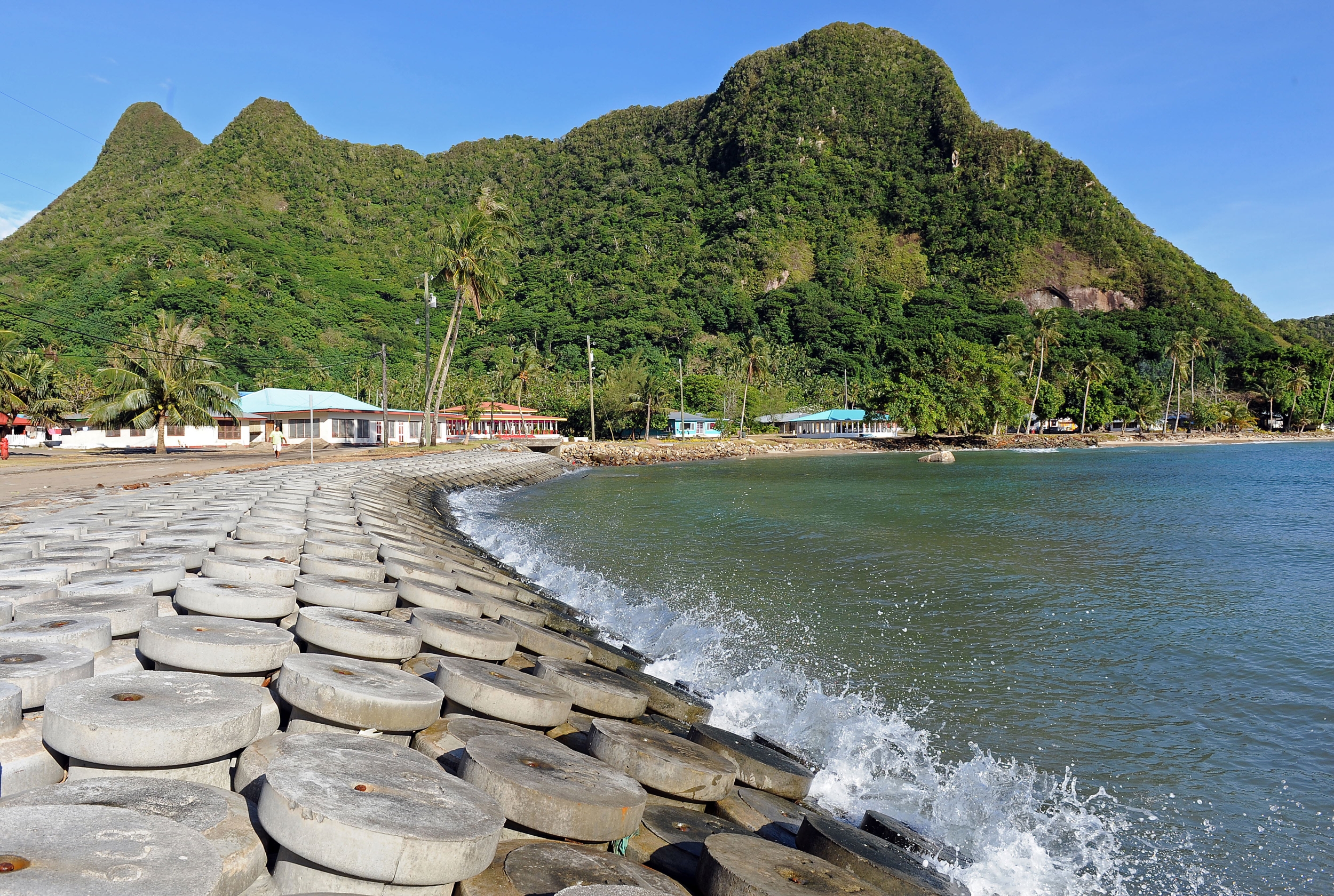
The sale would offer more than 31 million acres of seabed, roughly 125,000 square kilometers, according to Hawaii News Now. An NRDC statement on the final leasing notice describes two areas of about 16 million and 15 million acres on the federal outer continental shelf, beyond the territorial waters where American Samoa banned deep-sea mining in 2024, and next to Rose Atoll Marine National Monument.
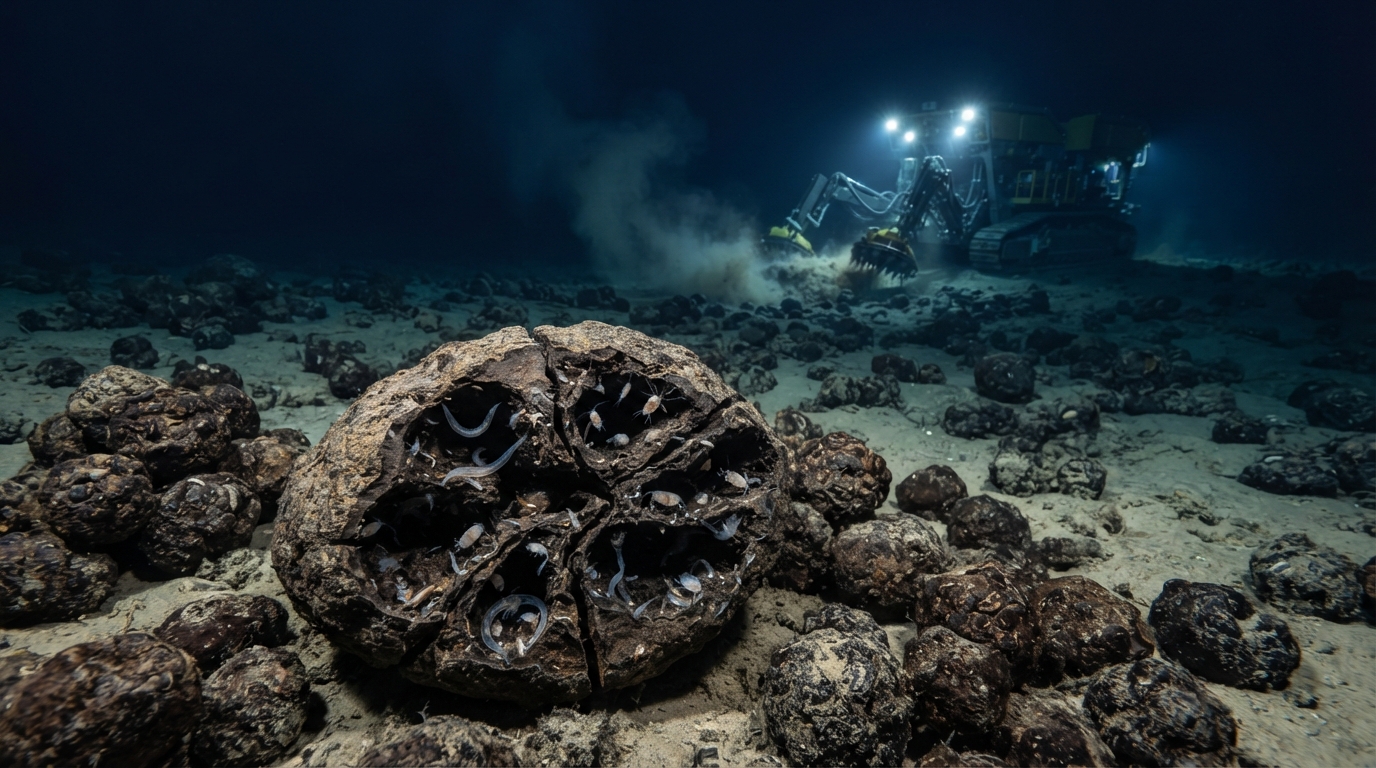
The target is polymetallic nodules: potato-sized lumps that form over millions of years on the deep ocean floor and contain metals such as nickel, cobalt, copper and manganese. Collecting them means sending heavy machines several kilometers down to scrape or vacuum the top layer of sediment. No commercial-scale deep-sea mining operation exists anywhere in the world, the Star-Advertiser noted, although some companies and research institutions have run small trials. Ocean scientists have warned that the impacts could be significant because deep-sea ecosystems are so poorly understood.
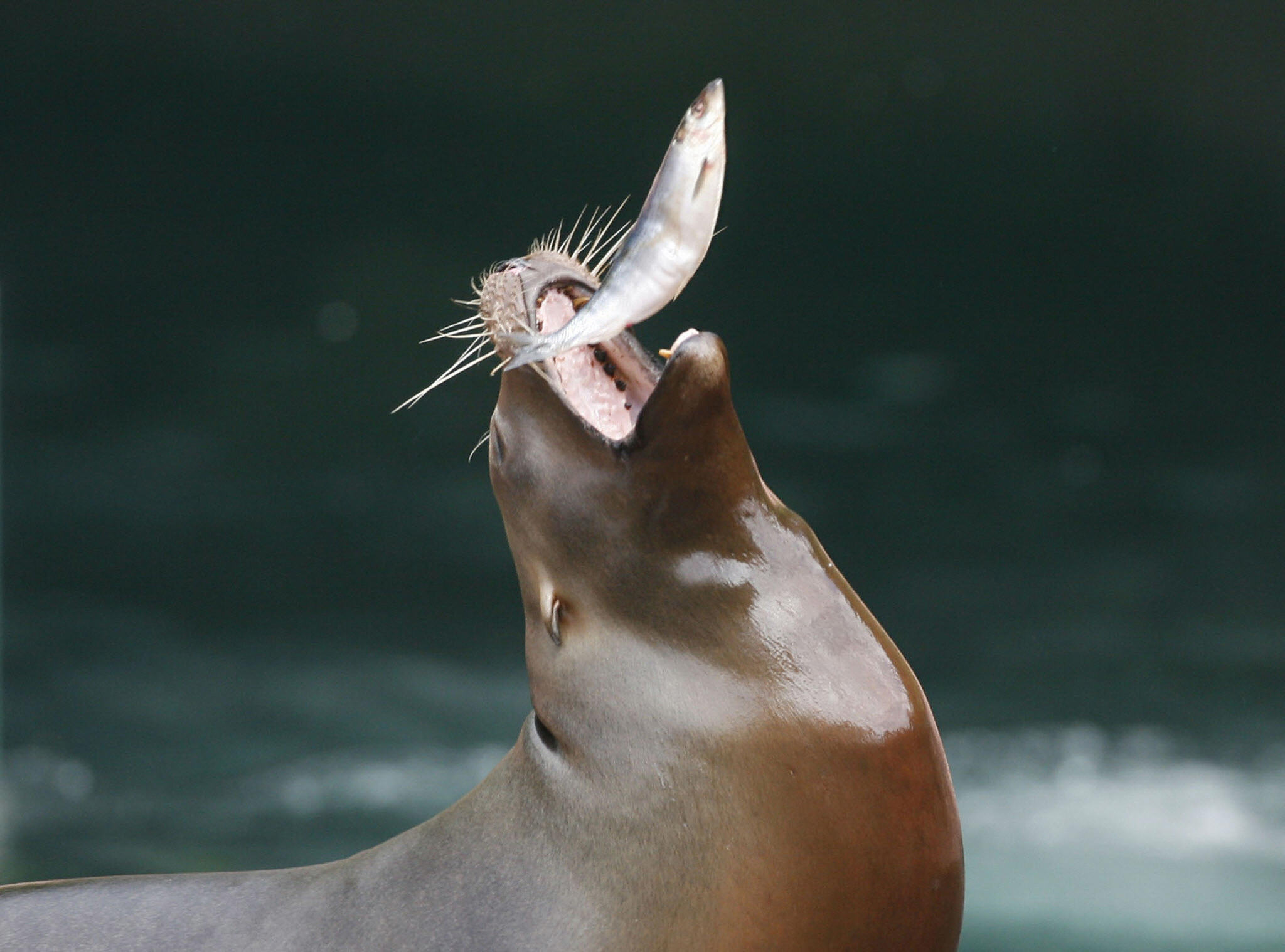
The judge's ruling does not find that mining would harm wildlife. It finds that the question was never properly examined. The area covered by the review includes several dozen protected species, among them blue, fin, sei and sperm whales, five species of sea turtle and giant manta rays, the Guam Daily Post reported.
Reactions on both sides
Elora Raymond, a co-founder of Fa'asao Amerika Samoa, told the Star-Advertiser that the group was relieved and pointed to Samoans' long cultural and spiritual ties to the ocean. Jonee Peters, executive director of the Conservation Council for Hawai'i, welcomed the decision as protection for marine resources and for Samoan cultural practice.
Supporters of mining see it differently. John Wasko, executive director of the American Samoa Development Council, who has lobbied for a mineral refinery in the territory, dismissed the ruling to the Star-Advertiser as "more drama" and argued that seabed minerals could revive Pacific economies and supply the energy transition.
American Samoa's own government has been cautious. In 2024, then-Governor Lemanu Peleti Mauga called for a moratorium, and the current governor, Nikolao Pula, has continued to ask for more research, according to the Star-Advertiser. The Trump administration has framed seabed mining mainly as a way to secure minerals for defense and technology and to compete with China, following an April 2025 executive order to expand the industry.
What happens next
The first test comes on Thursday, when the auction is either held, postponed or withdrawn. If it goes ahead, the plaintiffs are likely to ask the court to act in the second case. If it is delayed, the fisheries service will have to carry out a fuller consultation that looks at mining as well as leasing, which the judge indicated it would largely be doing for the first time.
The ruling may also reach beyond American Samoa. A second lease sale, in waters off the Northern Mariana Islands and Guam, is scheduled for December 16, and the Guam Daily Post reported that a similar challenge to its wildlife clearance, brought by the same lawyers, is still undecided. Other lawsuits concern mining plans in international waters southwest of Hawaii.
For now, the country's first attempt to auction the deep seabed rests on an approval that a federal court has declared unlawful, and the animals that live across those 31 million acres have yet to receive the review the law requires.
Key Questions Answered
Did the judge cancel the deep-sea mining auction off American Samoa?
No. The ruling voided the wildlife clearance the sale relied on. Whether to hold the November 19 auction is still the government's decision, and a second lawsuit targets the sale itself.
What law did the court say was broken?
The Endangered Species Act. The judge found that the National Marine Fisheries Service reviewed only the lease sale and early survey work, and left out the mining the leases are meant to allow.
How large is the area being offered?
More than 31 million acres of seabed, roughly 125,000 square kilometers, in two areas on the federal outer continental shelf off American Samoa.
Which animals live in the area covered by the review?
Reports on the order list several dozen protected species, including blue, fin, sei and sperm whales, five species of sea turtle and giant manta rays.
Does the ruling prove that seabed mining would harm wildlife?
No. It finds that the question was never properly examined, not that harm would occur.
© 2026 NatureWorldNews.com All rights reserved. Do not reproduce without permission.














 English (US) ·
 French (CA) ·