

 2 days ago
1
PROTECT YOUR DNA WITH QUANTUM TECHNOLOGY
Orgo-Life the new way to the future Advertising by AdpathwayHeavy early-season snow cut off about 1,400 residents and visitors in Kitashiobara, a mountain village in Japan's Fukushima Prefecture, for two days after falling trees blocked roads and brought down power lines. The village said the isolation ended at 6 p.m. local time on Sunday, 22 November 2026, when roads reopened, Fukushima Minyu reported.
The snow fell on Friday, 20 November, and Saturday, 21 November, leaving roads impassable, The Yomiuri Shimbun reported through The Star. No injuries or damage to homes were confirmed, according to a prefectural tally reported by Fukushima Minyu. But thousands of households were still without power on Sunday evening, and the storm also derailed a train and killed tens of thousands of fish eggs at a research station.
The area affected includes Urabandai, a popular mountain tourist destination known for its lakes, forests and autumn colours, which explains why so many hotel guests were among those cut off.
How many people were stranded
Early reports from Kyodo News on Saturday said about 1,400 people were isolated: roughly 900 residents and about 500 people staying at hotels and other accommodation in and around Urabandai, according to Xinhua and Bernama, both citing Kyodo.
By Sunday morning, the numbers were falling as roads began to reopen. According to the prefecture, as of 10 a.m. on Sunday, 948 people in 514 households across 10 districts remained stranded, along with 107 hotel guests, the Yomiuri reported. That is a total of about 1,055 people, down from the earlier estimate as guests started to leave.
Work to reopen the roads was still continuing at noon on Sunday, the newspaper said. By that evening, the village declared the isolation over after national and prefectural roads reopened, Fukushima Minyu reported. According to Fukushima Minpo, the roughly 500 hotel guests who had been stuck checked out on Sunday, apart from those who chose to stay on, and at least one hotel ran minibuses to take guests to JR Koriyama Station.
Trees, snow and power lines
The main problem was not only the amount of snow but its effect on trees. Fallen trees blocked several roads and damaged power lines, slowing repair work, Kyodo reported. About 700 households lost electricity, according to Xinhua and Bernama.
Heavy, wet snow is especially damaging to forests early in the season. Many broadleaf trees still carry leaves in November, which catch and hold snow. Wet snow is much heavier than the dry powder that typically falls in mid-winter, and the extra weight can snap branches or bring down whole trees, especially on steep slopes where root systems are shallow. When those trees fall across roads and wires, small mountain communities can be cut off quickly.
The Fukushima Local Meteorological Office estimated, using its AMeDAS analysis as of 1 p.m. on 22 November, that snow in Kitashiobara was 50 to 100 centimetres deep, with more than 100 cm in some places, Fukushima Minyu reported. In nearby Inawashiro, snow reached a maximum depth of 53 cm, according to a TV report carried by Livedoor News.
Power cuts spread well beyond the village. Tohoku Electric Power Network said about 1,900 households across eight municipalities were without electricity at 9 a.m. on 22 November, mainly because fallen trees had broken distribution lines, Fukushima Broadcasting (KFB) reported. By 4 p.m., 2,233 households were still affected, including 1,247 in Inawashiro and 860 in Kitashiobara, according to Fukushima Minyu. The utility warned people not to approach or touch fallen power lines.
Wider damage: a train and a fish hatchery
The snow caused other problems across the Aizu region. A JR East train on the Banetsu West Line derailed between Kitakata and Yamato, apparently after hitting a fallen tree, and the line between Kitakata and Tsugawa remained suspended, Fukushima Minyu reported. Japan's Transport Safety Board was investigating, according to Fukushima Minpo.
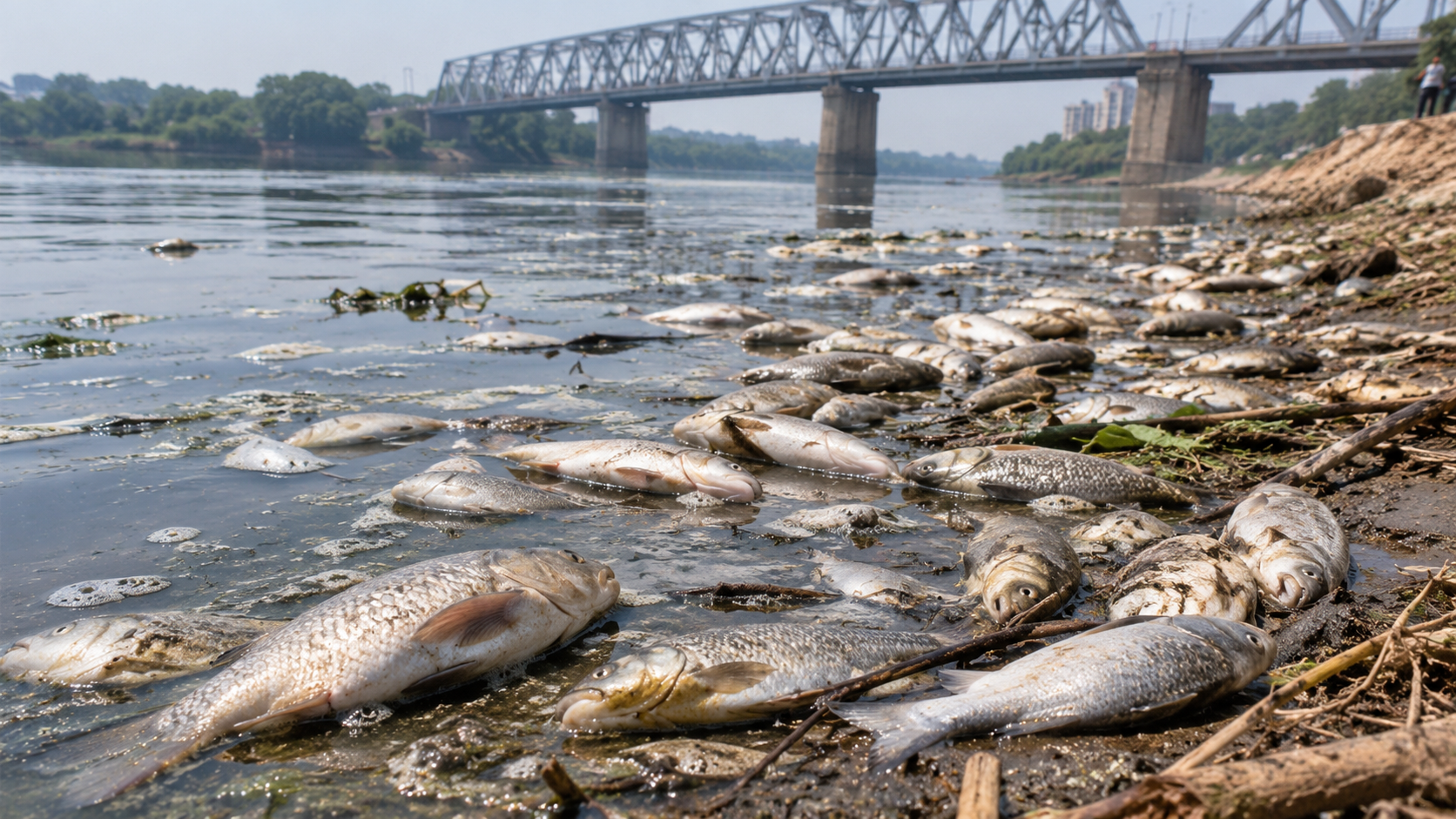
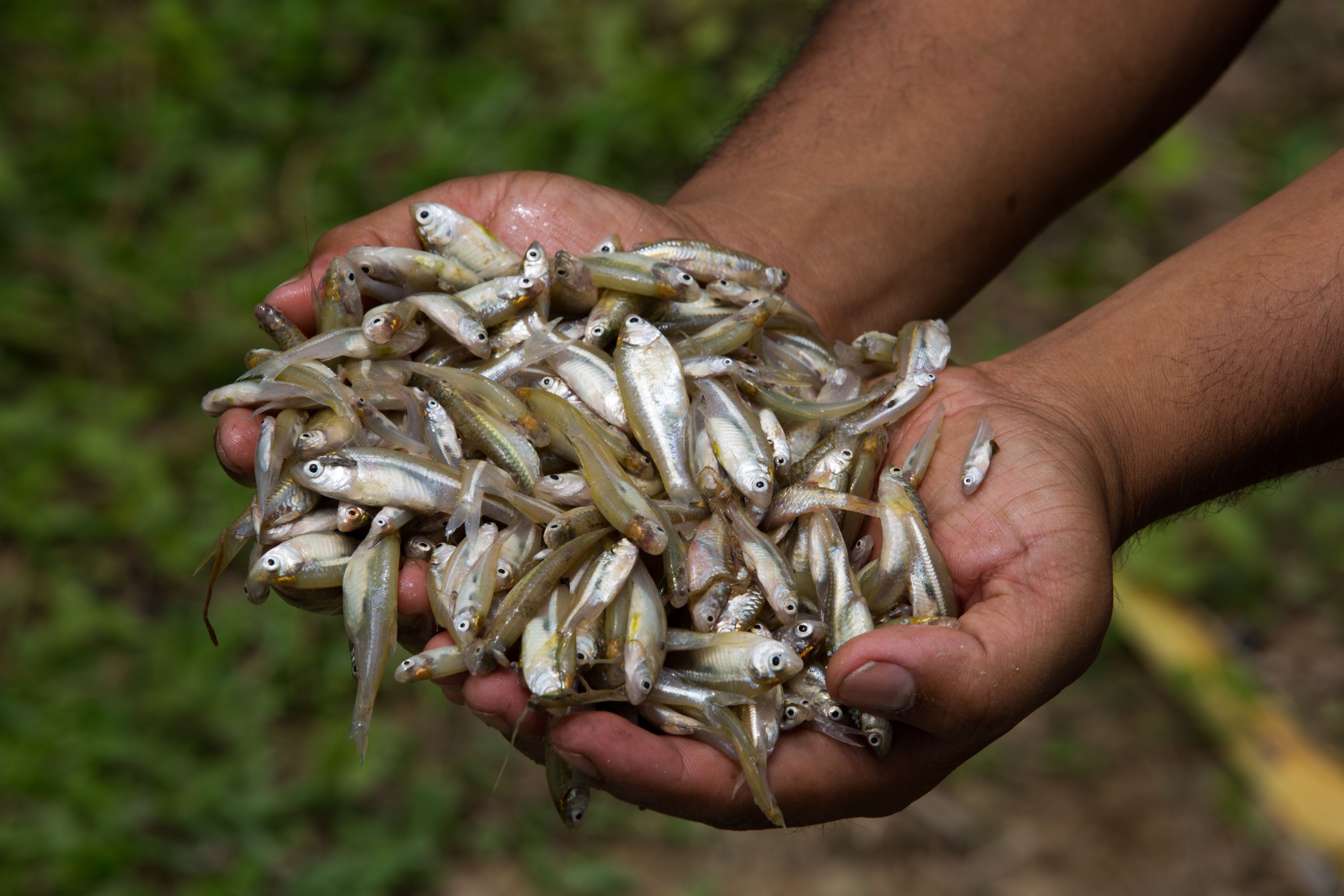
At the prefecture's inland fisheries research station in Inawashiro, the power cut stopped the circulation pumps in fish tanks, and tens of thousands of eggs of two native trout species, iwana (white-spotted char) and yamame (masu salmon), were almost entirely lost, Fukushima Minyu reported. It is a small but telling example of how a winter power cut can hit conservation and fisheries work as well as homes.
Where Kitashiobara is
Kitashiobara is a village in the Aizu region of western Fukushima Prefecture, in northeastern Japan. It lies at the foot of Mount Bandai, an active volcano whose eruption in 1888 dammed rivers and created the lakes and wetlands of the Urabandai plateau. Today the area is known for walking trails, the colourful Goshikinuma ponds and resort hotels, and it draws large numbers of visitors in the autumn foliage season.
Fukushima Prefecture's mountainous western half regularly receives heavy snow in winter, carried by cold winds from the Sea of Japan. What made this event disruptive was its timing, arriving while autumn tourism was still under way and before many trees had dropped their leaves.
Travel advice
Japan's mountain areas can see sudden heavy snowfall from late autumn onwards. Travellers planning trips to Fukushima's mountain districts and other snowy regions of northern Japan should check road conditions and weather warnings before setting out and make sure their vehicle is equipped for snow, such as with winter tyres. They should also allow extra time and have a plan in case roads close.
Visitors staying in mountain hotels should follow instructions from accommodation staff and local authorities if roads are blocked. In this case, guests were able to leave once emergency vehicles could pass, but some had to wait more than a day.
People living in or visiting areas prone to heavy snow are also advised to keep supplies of food, water, phone chargers and warm clothing in case of power cuts.
A sign of a changing climate?
A single early snowstorm cannot be linked to climate change on its own. Japan has long seen heavy snowfall in its northern and western mountains. Scientists have noted, however, that warmer seas can add moisture to winter storms, which may contribute to heavier snowfalls in some regions even as overall winters warm. Understanding those patterns requires long-term records rather than individual events.
What comes next
With roads open again, the immediate emergency in Kitashiobara is over, but restoring power to every household may take longer. Clearing fallen trees and repairing power lines may take longer in remote parts of the village. The episode is an early reminder, as winter approaches, of how quickly snow can isolate mountain communities and visitors alike.
Key Questions Answered
How many people were stranded by snow in Fukushima? About 1,400 people, roughly 900 residents and 500 hotel guests, were cut off in Kitashiobara on 21 November 2026. By 10 a.m. on 22 November, 948 residents and 107 hotel guests were still stranded.
Where is Kitashiobara? It is a mountain village in western Fukushima Prefecture, Japan, that includes the Urabandai tourist area near Mount Bandai.
Why were people cut off? Heavy snow on 20–21 November brought down trees, which blocked roads and damaged power lines. About 700 households lost power.
Was anyone hurt in the Fukushima snow? No injuries were reported by local authorities.
Are roads in Urabandai open again? Yes. Kitashiobara said the isolation ended at 6 p.m. on 22 November after roads reopened, though power cuts continued in parts of the area that evening.
© 2026 NatureWorldNews.com All rights reserved. Do not reproduce without permission.














 English (US) ·
 French (CA) ·