

 5 hours ago
19
PROTECT YOUR DNA WITH QUANTUM TECHNOLOGY
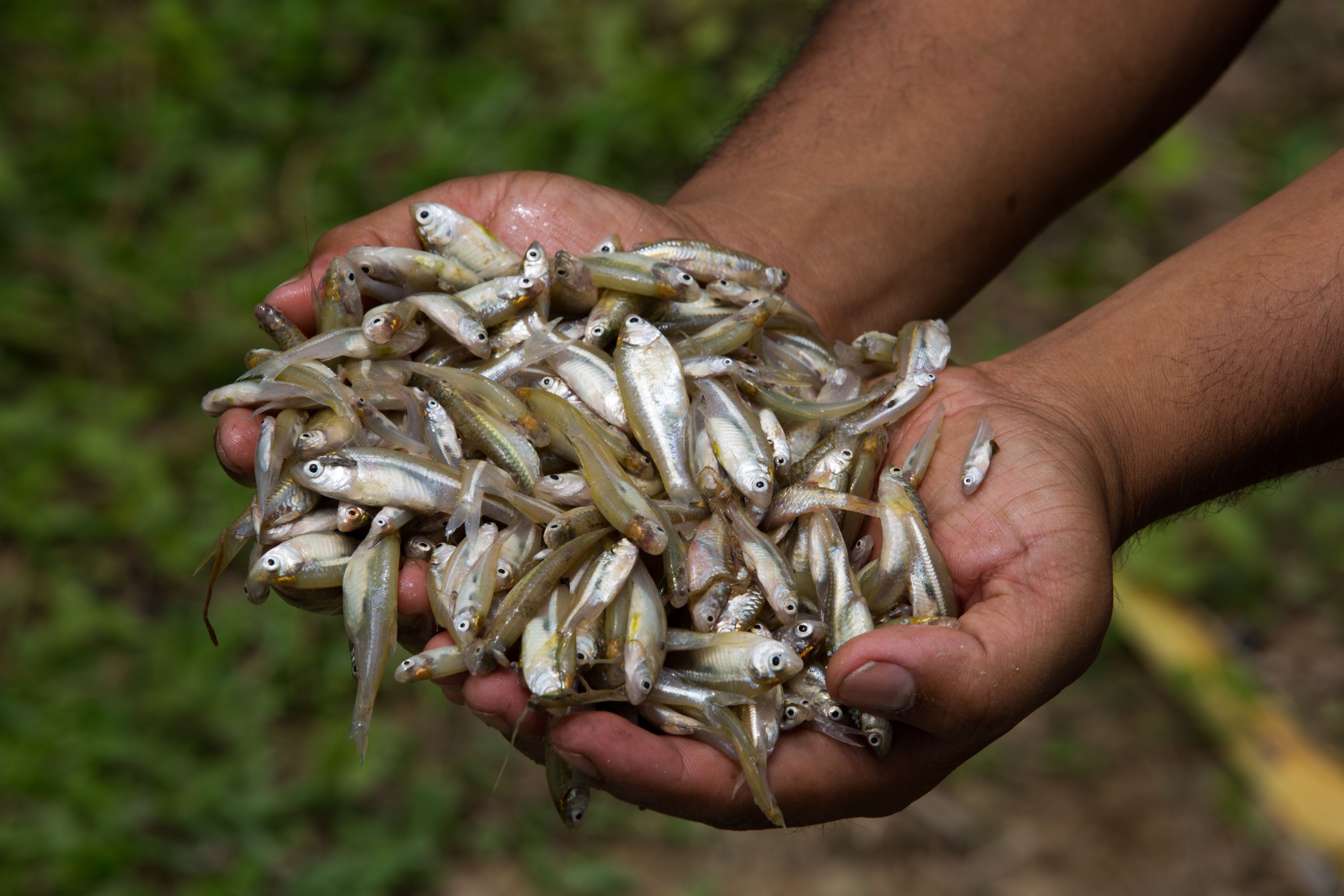
Orgo-Life the new way to the future Advertising by AdpathwayDead fish floating on the surface of a river are one of the most visible signs that something is badly wrong with the water. In India, such scenes happened at least 45 times between November 2025 and November 2026, according to a review by the South Asia Network on Dams, Rivers and People (SANDRP), published on 23 November 2026.
The SANDRP overview compiled incidents of mass fish mortality reported in the media across major and minor river basins. It points to industrial effluents and sewage as the most common suspected causes, while noting that the cause of many incidents has never been confirmed. The Hindustan Times and NewsBytes reported on the findings on 25 November.
Because the count is based on media reports, it is likely to be a minimum. Fish kills in remote areas or small streams may go unreported.
Where the fish died
The four basins with the most incidents were the Ganga with nine, the Brahmaputra with seven, the Krishna with six and the Indus with five, SANDRP says. Together, they account for about 60 per cent of the total. In the Ganga basin, five incidents were in the Yamuna itself, with others in tributaries including the Chambal and Betwa.
The Godavari and the Netravati-Gurupura river system on India's west coast had three incidents each, the Narmada and Mahanadi two each, and several other rivers, including the Cauvery, Sabarmati and Periyar, one each. SANDRP's own subtotals add up to slightly more than 45, so NatureWorldNews uses the figure "at least 45."
Geographically, North and South India each recorded 12 incidents, West India eight, the Northeast seven, Central India four and East India three. June was the worst month, with nine incidents.
Notable cases
SANDRP highlights repeated fish kills in the Indrayani River at Alandi near Pune in June, September and October 2026, and at least three incidents in the Phalguni River near Mangaluru in February, May and June. Other cases occurred in the Kosasthalaiyar River and Ennore Creek in Tamil Nadu in August, the Sutlej near Harike in Punjab in April, the Shivnath and Kharun rivers in Chhattisgarh in May, and the Subarnarekha at Jamshedpur in Jharkhand in May. Delhi's stretch of the Yamuna saw multiple incidents, including three in a single month.
What is killing the fish
Industrial effluents and chemical pollution were suspected in about 20 incidents, and sewage and domestic wastewater in about 10, according to SANDRP. Some incidents involved both, so these numbers are indicators rather than exact counts.
Low oxygen in the water was common, but SANDRP treats it as a consequence rather than a root cause. Untreated sewage and some industrial waste contain large amounts of organic matter. As bacteria break it down, they use up dissolved oxygen, and fish suffocate. Stagnant, warm water holds less oxygen, which makes the problem worse in hot weather and when river flows are low.
In some cases, SANDRP says inadequate releases from dams, falling water levels and physical obstructions contributed, notably on the Tungabhadra and Cauvery. The cause of many incidents remains unconfirmed.
Why it matters for people
Several affected rivers supply drinking water. The CPCB monitors water quality at 2,108 locations on 719 rivers, and has identified 311 polluted river stretches. The Yamuna provides raw water to Delhi's treatment plants. SANDRP describes the Subarnarekha and Kharkai rivers as lifelines for about 1.5 million people. In Mangaluru, residents began testing well water, and spring-fed villages in Kashmir were alarmed by fish deaths in springs they rely on for drinking water. Similar concerns arose around the Sengmai river in Manipur.
Fish kills also hurt fishing communities. In Tamil Nadu, fishers from eight hamlets planned to block suspected sewage entry points themselves, SANDRP reports. In some incidents, invasive tilapia were found among the dead fish, raising further questions about the health of river ecosystems.
How authorities have responded
Responses have varied. Tamil Nadu formed a four-member expert committee to investigate the Ennore incident. India's National Green Tribunal took up the Subarnarekha fish deaths in May 2026 and ordered a three-member joint committee to report. In Chhattisgarh, the High Court took up the issue on its own initiative and directed an action plan against industrial pollution. Farmers and environmentalists in Punjab went to the National Green Tribunal over pollution in the Sutlej.
SANDRP argues that authorities too often stop at inspections after an incident. It calls for sustained action at pollution sources, an end to untreated industrial and municipal wastewater entering rivers, stronger enforcement by state pollution control boards and the Central Pollution Control Board, timely water and fish sampling with public disclosure, better species monitoring, compensation for affected communities and accountability for polluting industries.
Why timing matters for investigations
When fish die suddenly, the evidence can disappear within hours. Pollutants may be diluted or washed downstream, oxygen levels may recover, and dead fish decompose quickly in warm weather. Scientists who investigate fish kills therefore stress the importance of collecting water samples, measuring dissolved oxygen and preserving fish specimens as soon as possible.
Without that rapid response, it can be impossible to prove what caused a kill or who was responsible. That is one reason SANDRP calls for timely sampling and public disclosure of laboratory results. Residents who witness a fish kill can help by recording the date, time and location, taking photographs and reporting the incident promptly to the state pollution control board or local authorities.
What the review cannot tell us
The review is a compilation of media reports, not a scientific survey. It cannot show whether fish kills are increasing over time, and the causes it lists are mostly suspected rather than proven by laboratory tests. That is part of SANDRP's point: without prompt sampling and published results, communities are left guessing.
A warning sign
Mass fish deaths are a symptom of deeper problems in river health. When fish die in large numbers, other aquatic life, from insects to plants, is usually suffering too. SANDRP's review suggests that India's rivers are sending that warning regularly, across almost every region of the country.
Questions and Answers
How many mass fish deaths did SANDRP count?
At least 45 incidents in Indian rivers between November 2025 and November 2026, based on media reports.
Which rivers were most affected?
The Ganga basin had the most incidents, including five in the Yamuna, followed by the Brahmaputra, Krishna and Indus basins.
What caused the fish deaths?
Industrial pollution was suspected in about 20 cases and sewage in about 10, though many causes remain unconfirmed.
Why does low oxygen kill fish?
Pollution adds organic matter that bacteria break down using oxygen. When oxygen runs low, especially in warm, still water, fish suffocate.
Is the count complete?
Probably not. Because it relies on media reports, unreported incidents may be missing, so the true number could be higher.
© 2026 NatureWorldNews.com All rights reserved. Do not reproduce without permission.












 English (US) ·
 French (CA) ·