

 18 hours ago
5
PROTECT YOUR DNA WITH QUANTUM TECHNOLOGY
Orgo-Life the new way to the future Advertising by AdpathwayIn an in vitro pharmacological investigation published in Clinical Phytoscience, researchers demonstrated that methanolic leaf extracts of Psidium guajava Linn., commonly known as guava, dose-dependently inhibit acetylcholinesterase enzyme activity using brain tissues harvested from slaughterhouse chickens and market fish. The investigative team evaluated the botanical extract alongside the pharmaceutical reference drug neostigmine by adapting the classical Ellman spectrophotometric assay to tissue homogenates prepared from agricultural byproducts rather than purpose-bred laboratory rodents. Acetylcholinesterase serves as a vital metabolic enzyme responsible for the rapid hydrolytic degradation of acetylcholine, an essential neurotransmitter that modulates learning, memory retention, and cognitive processing within the cerebral hippocampus. By validating measurable enzymatic inhibition in readily accessible avian and piscine tissue homogenates, the study establishes an economical, ethically sustainable screening paradigm for exploring candidate neuroprotective botanicals. These experimental findings confirm that guava leaf extract exerts consistent, measurable acetylcholinesterase inhibition across diverse vertebrate tissue models without necessitating laboratory rodent sacrifice.
The extensive deployment of small mammals represents an ongoing welfare and ecological challenge throughout preclinical medical research, where an estimated fifty to one hundred million animals are utilized globally each year for scientific experiments. Historically, researchers screening potential acetylcholinesterase inhibitors have routinely sacrificed laboratory rodents, such as mice, rats, guinea pigs, and hamsters, solely to procure fresh nervous tissues for ex vivo or in vitro biochemical assessments. To mitigate this heavy reliance on animal experimentation, animal welfare advocates and oversight bodies, including India’s Committee for Control and Supervision of Experiments on Animals, have promulgated strict guidelines that urge institutions to adopt humane alternatives aligned with the established three Rs framework of replacement, reduction, and refinement. By collecting brain specimens from chickens and fish that are globally consumed as dietary staples, investigators can repurpose discarded biological tissues typically relegated to abattoir waste bins, effectively bypassing the need to euthanize healthy laboratory animals for in vitro enzyme screening.
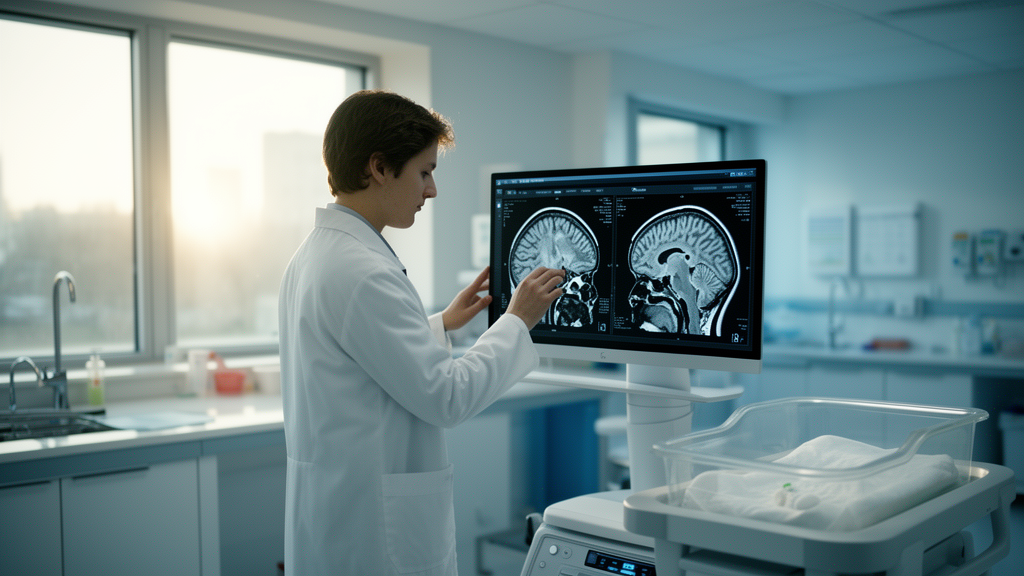
The therapeutic rationale for targeting acetylcholinesterase stems directly from its central role in regulating cholinergic signaling throughout the central and autonomic nervous systems. Within the cerebral domain, cholinergic neurons project from areas such as the medial septum, basal forebrain, and prefrontal cortex into the hippocampus to coordinate memory consolidation and synaptic plasticity. Acetylcholinesterase operates at an extraordinary catalytic velocity, hydrolyzing approximately twenty-five thousand acetylcholine molecules per second into choline and acetate to terminate neurotransmitter action. Dysfunction of this cholinergic network constitutes a primary pathogenic driver of memory impairment in neurodegenerative diseases like Alzheimer’s disease and Parkinson’s disease, as well as schizophrenia. While regulatory agencies have approved pharmacological acetylcholinesterase inhibitors such as donepezil, rivastigmine, and galantamine to elevate synaptic acetylcholine levels in clinical settings, their utility remains constrained by troublesome adverse effects. Patients frequently encounter gastrointestinal upset, cardiovascular complications, and neurological disturbances, prompting sustained scientific interest in identifying gentler, naturally occurring plant-based alternatives.
To investigate Psidium guajava as a viable natural source of cholinesterase inhibitors, the researchers collected fresh foliage locally in Guntur, Andhra Pradesh, India. The plant material was formally identified and authenticated by a registered botanist from the Department of Botany at Bandlamudi Hanumayamma Junior College, where an official voucher specimen was deposited for permanent institutional reference. The experimental protocol commenced with seven hundred grams of freshly harvested guava leaves, which were washed thoroughly under fresh running water to eliminate environmental contaminants. After draining completely, the leaves were spread evenly across clean indoor floors and subjected to shade-drying for twenty-eight days. This gradual drying process yielded four hundred eighty-nine grams of dehydrated leaf biomass. The dried leaves were subsequently pulverized using a household mixer to produce four hundred and nine grams of coarse plant powder, which was passed through a one-millimeter aluminum sieve to obtain uniform particle dimensions suitable for consistent extraction.
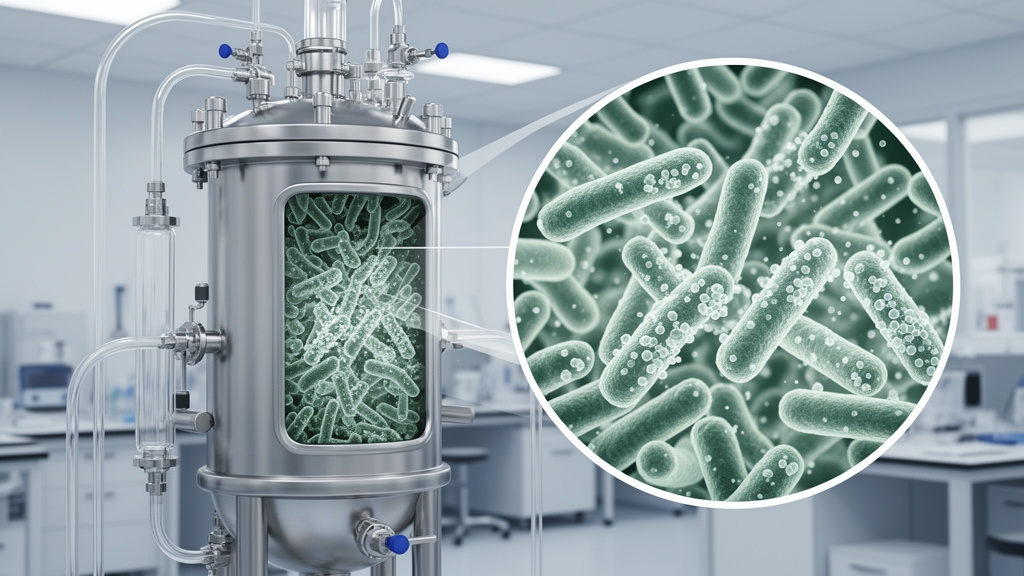
Chemical extraction was conducted utilizing a classic Soxhlet apparatus across three consecutive operational cycles. For each individual cycle, one hundred grams of sieved guava leaf powder were placed into an extraction thimble loaded into the Soxhlet chamber and macerated in four hundred milliliters of methanol, establishing a fixed solid-to-solvent ratio of one to four. Following exhaustive solvent extraction, the resulting solution was concentrated inside a rotary evaporator operated for thirty minutes to distill and remove excessive methanol. The concentrated residue was then transferred to a Petri dish and permitted to evaporate completely over several days at room temperature. The final total weight of the dried methanolic extract was recorded, establishing an overall extraction yield of 14.05 percent weight by weight. Subsequent qualitative phytochemical screening demonstrated that the crude extract contained carbohydrates, glycosides, tannins, and alkaloids, while testing negative for proteinaceous compounds across established Biuret and Ninhydrin colorimetric chemical tests.
To secure suitable non-mammalian enzyme sources, the research team acquired fresh head samples of domestic chickens, Gallus domesticus, from a local slaughterhouse and rohu fish, Labeo rohita, from a neighborhood market. The freshly gathered head specimens were promptly enclosed in aluminum foil and transferred to insulated chiller boxes maintained at ice-cold temperatures, ensuring swift delivery to the pharmacological laboratory without thermal degradation of sensitive proteins. Working strictly under continuous ice-cold conditions, technicians carefully dissected the cranial vaults to isolate the complete, intact brain tissues from both species. The single dissected chicken brain yielded a fresh mass of 3.54 grams, whereas five separate fish brains were pooled to provide an aggregate tissue mass of 1.09 grams. This careful anatomical dissection and rapid cold-chain transport prevented enzyme denaturation, providing viable, uncompromised nervous tissues for downstream homogenization and enzyme quantification without relying on institutional laboratory animal breeding or dedicated euthanasia facilities.
Addressing economic constraints common in developing academic environments, the investigators homogenized the nervous tissues using an ordinary household mixer jar rather than purchasing costly specialized tissue pulverizers. Dissected chicken and fish brain tissues were suspended in ice-cold 0.1 molar phosphate buffer solution calibrated to pH 7.0 at a standardized ratio of one gram of tissue per ten milliliters of buffer. Mechanical mincing was carried out inside the home mixer jar for exactly one minute, producing uniform tissue suspensions. These crude homogenates were subsequently centrifuged at two thousand revolutions per minute for ten minutes to precipitate fibrous debris. The resulting clear supernatants were harvested and stored at negative twenty degrees Celsius until required for assaying. Comparative baseline evaluations revealed that the mixer jar approach yielded a markedly higher concentration of active acetylcholinesterase in chicken brain extract than in fish brain extract, with chicken homogenates displaying significantly higher basal ultraviolet absorbance at 412 nanometers.
To quantify enzyme inhibition, the researchers performed the in vitro Ellman assay with minor adjustments, conducting all experimental runs in triplicate to ensure measurement reliability. Reaction mixtures were assembled within spectrophotometric cuvettes by combining fifty microliters of brain homogenate supernatant with one hundred microliters of either distilled water for vehicle controls, neostigmine standard solutions, or serial dilutions of methanolic guava extract prepared from a two-milligram-per-milliliter stock. Enzymatic catalysis was initiated by introducing ten microliters of acetylthiocholine iodide substrate followed by one hundred microliters of dithiobisnitrobenzoic acid chromogenic reagent. Two milliliters of phosphate buffer at pH 7.2 were added, and the reaction cuvettes were incubated for five minutes at room temperature, maintained at twenty-eight degrees Celsius. Absorbance readings were measured at 412 nanometers using a calibrated UV-3092 spectrophotometer. The percentage of acetylcholinesterase inhibition was mathematically calculated by comparing the absorbance reduction of test samples against uninhibited standard control reaction mixtures.
Spectrophotometric measurements revealed clear, dose-dependent enzyme inhibition by both neostigmine and the methanolic guava leaf extract across both biological tissue models. Half-maximal inhibitory concentration values were determined graphically using GraphPad Prism software. For the reference medication neostigmine methyl sulfate, calculated IC50 values reached 9.019 plus or minus 3.43 micrograms per milliliter in chicken brain homogenates and 0.587 plus or minus 0.04 micrograms per milliliter in fish brain preparations. In parallel assays testing the methanolic extract of Psidium guajava leaves, IC50 values were determined to be 1086 plus or minus 86.31 micrograms per milliliter for chicken brain extract and 185.8 plus or minus 13.68 micrograms per milliliter for fish brain extract. While the crude botanical extract was approximately one hundred times less potent than synthetic neostigmine, it produced reliable, concentration-dependent suppression of enzyme activity in both avian and piscine tissues, validating the extract’s intrinsic inhibitory capacity across phylogenetically distant nervous systems.
These findings reinforce earlier pharmacological reports attributing the neuroprotective efficacy of Psidium guajava foliage to its abundant reservoir of antioxidant polyphenols, flavonoids, and alkaloids. Published investigations have identified notable constituents such as quercetin, rutin, gallic acid, ferulic acid, alpha-tocopherol, and gamma-sitosterol, which molecular docking studies reveal interact directly with cholinesterase catalytic sites via hydrogen bonding, hydrophobic associations, and pi-pi stacking. The authors conclude that utilizing discarded chicken and fish brains from commercial slaughterhouses represents an ethically rigorous, economically accessible alternative to rodent sacrifice for conducting in vitro Ellman assays. This approach upholds animal welfare standards while providing a reliable platform for preliminary screening. Although the crude methanolic leaf extract exhibits lower potency than synthetic pharmaceuticals, its demonstrated enzyme inhibition supports the traditional reputation of guava as a natural cognitive booster. The authors suggest that future research should combine in silico molecular docking and network pharmacology to isolate individual bioactive constituents for targeted drug discovery.
Subject of Research: Acetylcholinesterase inhibitory activity of Psidium guajava leaf extract using non-rodent brain homogenates
Article Title: Ellman’s assay using chicken and fish brain extracts an alternate to rodent brain extract: acetylcholinesterase inhibitory activity of methanolic extract of Psidium guajava Linn
Article References: Varshini, M., Kumudavalli, N., & Pandy, V. (2025). Ellman’s assay using chicken and fish brain extracts an alternate to rodent brain extract: acetylcholinesterase inhibitory activity of methanolic extract of Psidium guajava Linn. Clinical Phytoscience, 11(1), Article 11. https://doi.org/10.1186/s40816-025-00398-x
Image Credits: AI Generated
DOI: 10.1186/s40816-025-00398-x
Keywords: Psidium guajava, acetylcholinesterase, Ellman assay, chicken brain homogenate, fish brain homogenate, neostigmine, cholinergic system, acetylcholine, neuroprotection, memory impairment, methanolic extract, Soxhlet extraction, Gallus domesticus, Labeo rohita, alternative animal testing, phytochemical screening, enzyme inhibition
















 English (US) ·
 French (CA) ·