

 2 hours ago
7
PROTECT YOUR DNA WITH QUANTUM TECHNOLOGY
Orgo-Life the new way to the future Advertising by AdpathwayBrucellosis persists as an underdiagnosed and underreported neglected zoonotic infection across widespread endemic regions, sustained primarily by persistent limitations in clinical diagnostics, fragmented surveillance systems, and inconsistent cross-sector control measures, according to a structured narrative review published in the Journal of Epidemiology and Global Health. The qualitative synthesis critically evaluates the current landscape of human and animal infection, underscoring that despite longstanding eradication efforts in selected high-income jurisdictions, the causative intracellular bacterial pathogens remain firmly entrenched throughout extensive areas of the Middle East, Africa, Asia, and Latin America. By synthesizing findings across biomedical databases, the investigators emphasize that closing the gap between human healthcare and veterinary management under a unified One Health framework represents an urgent necessity for curbing global transmission and mitigating widespread economic disruption.
The disease is caused by Gram-negative, facultative intracellular coccobacilli of the genus Brucella, which belong to the family Brucellaceae and exhibit a specialized tropism for mammalian hosts. Among the major recognized species, Brucella melitensis is regarded as the most virulent in human populations and accounts for the majority of severe clinical cases globally, maintaining a principal reservoir in sheep and goats. Brucella abortus predominantly infects cattle populations, while Brucella suis is primarily associated with swine herds, occasionally causing sporadic human outbreaks in specific agricultural settings. Additional recognized species, such as Brucella canis in canines as well as atypical strains identified in marine mammals and wildlife reservoirs, including Brucella ceti, Brucella pinnipedialis, Brucella neotomae, and Brucella inopinata, demonstrate the expanding ecological breadth and taxonomic diversity of the genus, presenting emerging surveillance challenges across complex ecosystems.
Transmission from animal reservoirs to human hosts proceeds predominantly through the consumption of contaminated, unpasteurized milk and artisanal dairy products, such as fresh cheeses, particularly in regions where traditional dairy production persists in the absence of stringent food hygiene enforcement. Direct occupational contact with infected livestock, aborted placental tissues, blood, or secretions represents the other primary exposure pathway, placing veterinarians, livestock farmers, abattoir workers, and diagnostic laboratory personnel at heightened risk of infection. Because Brucella species exhibit aerosol stability and an exceptionally low infectious dose, laboratory-acquired brucellosis remains one of the most frequently documented occupational bacterial infections worldwide, requiring strict biosafety precautions. In contrast, documented human-to-human transmission through blood transfusions, tissue transplantation, sexual contact, or vertical perinatal transmission remains exceedingly rare, contributing minimally to overall global caseloads.
At the cellular level, the pathogenesis of brucellosis is governed by the bacterium’s specialized capacity to survive and replicate within host phagocytic cells, predominantly macrophages and dendritic cells. Following initial entry across mucosal linings, broken skin, or respiratory barriers, the organisms are rapidly engulfed by host phagocytes and disseminate systemically through regional lymphatic channels and the reticuloendothelial network. Brucella evades conventional host lysosomal degradation by inhibiting phagosome-lysosome fusion and constructing an acidified, membrane-bound Brucella-containing vacuole that subsequently transitions to establish a replicative niche associated with the host endoplasmic reticulum. This prolonged intracellular existence is mediated by virulence determinants, including modified lipopolysaccharides exhibiting unusually low endotoxic potency and a functional type IV secretion system, which collectively dampen initial inflammatory signalling and facilitate chronic, recurring clinical infection.
In human hosts, the infection elicits a wide spectrum of protean manifestations that frequently mimic other endemic febrile conditions, such as malaria, tuberculosis, and typhoid fever, severely complicating timely clinical identification. The acute presentation is typically characterized by an undifferentiated systemic febrile illness accompanied by fatigue, malaise, drenching night sweats, anorexia, arthralgias, and myalgias, which can progress to subacute or chronic illness marked by undulant or relapsing fevers. Osteoarticular complications represent the most frequent focal manifestation, manifesting as peripheral arthritis, sacroiliitis, spondylitis, and osteomyelitis that often result in prolonged functional impairment. Serious organ-specific complications also include neurobrucellosis, which encompasses meningitis, encephalitis, and radiculopathies, as well as cardiovascular involvement where brucellosis-induced endocarditis represents the primary contributor to disease-related mortality despite its low incidence.
In domestic animal herds, brucellosis exerts a profound burden focused primarily on the reproductive tract, manifesting clinically as contagious abortion, stillbirth, orchitis, epididymitis, and severe reductions in milk yield and herd fertility. These clinical manifestations inflict substantial economic damage on agricultural livelihoods, disrupting household food security, constraining local livestock productivity, and restricting international trade across low- and middle-income regions. In infected herds, persistent shedding of bacteria in milk, birth fluids, and uterine discharges maintains robust transmission cycles that continually re-expose agricultural workers and the broader public, reinforcing the biological linkage between livestock health, environmental contamination, and human morbidity.
Accurate clinical diagnosis remains one of the most formidable barriers to disease control due to technical and infrastructure constraints across endemic territories. While the isolation of Brucella species via bacterial culture of blood or bone marrow represents the definitive reference standard, its clinical utility is hindered by the organism’s slow replication rate, prolonged incubation requirements, decreased diagnostic sensitivity following empirical antimicrobial therapy, and substantial aerosol hazards that mandate specialized containment facilities. Consequently, clinical laboratories rely heavily on serological techniques, including the Rose Bengal test, standard agglutination test, and enzyme-linked immunosorbent assays. However, these serological tests frequently suffer from false-positive results driven by antigenic cross-reactivity with other Gram-negative bacteria, such as Yersinia enterocolitica and Salmonella species, while persistent background seropositivity in endemic settings obscures the distinction between active disease and prior resolved exposure.
Molecular methodologies, primarily real-time and conventional polymerase chain reaction assays targeting Brucella DNA, provide rapid and sensitive detection, offering particular diagnostic utility in culture-negative presentations, localized focal infections, or patients who have already initiated antimicrobial regimens. Nonetheless, the wide implementation of molecular diagnostics in low-resource environments remains severely constrained by specialized instrument costs, technical training demands, and an absence of globally standardized operating protocols and assay validation across endemic regions. These technical bottlenecks, compounded by the overlap of febrile symptoms with other tropical infections, perpetuate widespread underdiagnosis, misclassification, and delayed clinical management.
Successful clinical management of human brucellosis necessitates prolonged combination antimicrobial therapy designed to penetrate host intracellular compartments and eradicate persistent bacteria, thereby preventing disease relapse and chronic disability. Standard recommendations, including World Health Organization guidelines for uncomplicated presentations, typically advise oral doxycycline combined with rifampicin or parenteral aminoglycosides like streptomycin for a minimum duration of six weeks, as single-agent monotherapy is strongly correlated with unacceptable rates of therapeutic failure and recrudescence. Complex focal presentations, including neurobrucellosis, destructive spondylitis, and endocarditis, require prolonged multi-drug regimens, intensive monitoring, and occasionally surgical intervention. However, completing lengthy treatment courses poses significant challenges in resource-constrained rural communities due to adverse drug effects, drug acquisition costs, and inadequate clinical follow-up infrastructure, contributing to reported disease relapses and chronic morbidity.
Sustainable prevention and long-term control require integrated, multi-sectoral interventions that prioritize livestock vaccination, food safety enforcement, and occupational risk mitigation. Livestock mass vaccination campaigns utilizing live attenuated strains, such as Brucella abortus S19 and RB51 for cattle or Brucella melitensis Rev.1 for sheep and goats, have historically achieved substantial success in suppressing animal incidence when executed with comprehensive coverage. Nevertheless, the absence of a licensed human vaccine leaves vulnerable occupational groups reliant strictly on personal protective equipment, laboratory biosafety standards, and hygienic livestock handling. The authors conclude that overcoming the global burden of brucellosis ultimately demands closing surveillance discrepancies, developing affordable point-of-care diagnostics, and establishing enduring institutional coordination between human and veterinary health sectors within a fully functional One Health framework.
To examine these persistent challenges, the authors conducted a structured narrative review across the PubMed, Scopus, and Web of Science databases, screening peer-reviewed studies and authoritative reports published in English. The literature search utilized predefined keyword combinations addressing brucellosis transmission, clinical presentation, diagnostic performance, regional epidemiology, and control strategies. Rather than performing a formal quantitative meta-analysis or statistical data pooling, the researchers synthesized evidence qualitatively. This approach focused on identifying recurring themes, diagnostic limitations, surveillance gaps, and intersectoral barriers across human and veterinary health sectors, highlighting where coordinated One Health intervention is urgently required.
The review also documents pronounced regional variation in transmission dynamics, reflecting disparities in veterinary infrastructure, animal management, and food safety standards. In the Middle East, including Saudi Arabia, brucellosis remains endemic, driven by unpasteurized dairy consumption, occupational exposure, and persistent implementation barriers. In Africa, diagnostic capacity is constrained by limited laboratory facilities and clinical symptom overlap with malaria and tuberculosis. Across Asia, particularly in China and Central Asia, expanding livestock farming, increased animal trade, and spatiotemporal clustering maintain transmission. In Europe, infection is largely controlled in Western nations but persists in Mediterranean and Eastern areas. Furthermore, in endemic rural communities, livestock constitute a vital source of income and food security, making the culling of infected herds financially difficult and reducing farmer compliance with eradication programs.
Finally, the authors outline significant limitations within the published evidence and their synthesis. Because the study was conducted as a structured narrative review rather than a formal systematic review or meta-analysis, study selection carries potential selection bias, and some relevant publications may have been omitted. Substantial heterogeneity in study designs, diagnostic criteria, and case definitions across regions also hampers direct epidemiological comparisons. In addition, much of the available literature originates from specific endemic zones, limiting generalizability to other geographic settings. The authors emphasize that persistent underreporting continues to obscure the true global burden, while critical knowledge gaps remain regarding the long-term impact of livestock vaccination and the reservoir role of expanding wildlife species.
Subject of Research: Diagnostic, epidemiological, and control challenges of zoonotic brucellosis within a One Health framework
Article Title: Brucellosis in the One Health Context: Gaps in Diagnosis, Control, and Global Epidemiology
Article References: Alouch, S. S., Hijaze, M., Nassar, W., Qattea, A., Chalab Cham, A. R., Elshaer, K. S. M., Khalil, M. N., Comert, A., Alsouleman, D., Ajjour, D., Qattea, O., Shibl, A., Abdelfattah, S. I., & Memish, Z. A. (2026). Brucellosis in the One Health Context: Gaps in Diagnosis, Control, and Global Epidemiology. Journal of Epidemiology and Global Health, 16(1), Article 133. https://doi.org/10.1007/s44197-026-00617-9
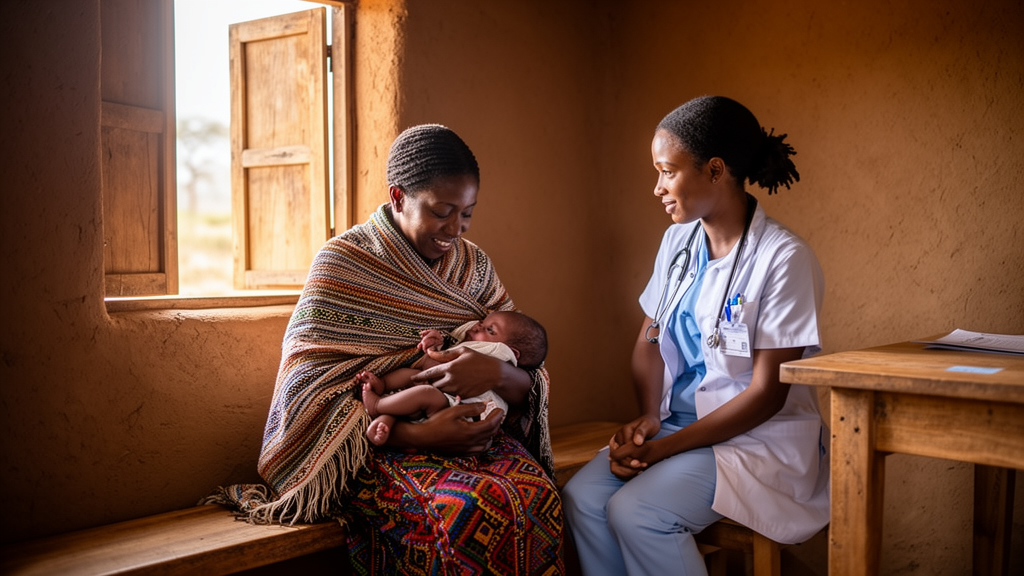
Image Credits: AI Generated
DOI: 10.1007/s44197-026-00617-9
Keywords: brucellosis, Brucella, One Health, zoonosis, infectious disease, bacterial culture, serological assays, molecular diagnostics, polymerase chain reaction, livestock vaccination, unpasteurized dairy, occupational exposure, epidemiological surveillance, diagnostic limitations, disease control, public health infrastructure

















 English (US) ·
 French (CA) ·