

 2 days ago
2
PROTECT YOUR DNA WITH QUANTUM TECHNOLOGY
Orgo-Life the new way to the future Advertising by AdpathwayBangladesh recorded two more dengue deaths and 1,519 new hospital admissions in the 24 hours to 8 a.m. on Sunday, 22 November 2026, raising the country's dengue death toll for the year to 518, according to the Directorate General of Health Services (DGHS).
The figures, reported by The Business Standard and The Daily Star, show that 173,473 people have been hospitalised with dengue in Bangladesh so far in 2026. On Sunday, 5,070 dengue patients were being treated in hospitals across the country.
The mosquito-borne disease is not the only outbreak straining Bangladesh's health system. The DGHS also reported nine more child deaths from suspected measles on the same day, bringing that outbreak's toll to 1,352, The Business Standard reported. The two diseases are very different, but together they are placing heavy pressure on hospitals.
The latest dengue numbers
According to the DGHS data, 2,021 dengue patients were discharged from hospitals in the 24 hours to Sunday morning, and total recoveries for the year reached 167,885, The Business Standard reported.
The two people who died were in different parts of the country, but the reports disagree on where. The Business Standard placed the deaths in Chattogram and Rangpur divisions, while The Daily Star said Rangpur and Khulna. NatureWorldNews has not included the locations until the DGHS figures can be checked directly.
How 2026 compares
The 2026 season is one of the worst Bangladesh has recorded. In 2023, the country had its deadliest dengue year on record, with 1,705 deaths and 321,179 hospitalised cases, according to DGHS figures reported by The Daily Star. In 2024, there were 575 deaths and 101,214 cases.
In 2025, Bangladesh recorded 102,562 cases and 412 deaths by late December, according to a Xinhua report published by People's Daily Online.
That means 2026, with 173,473 cases by 22 November, already has the second-highest number of recorded dengue hospitalisations after 2023, based on those figures. Its death toll of 518 is approaching 2024's total, with more than a month of the year still to go.
Dengue was a much smaller problem in Bangladesh until relatively recently. The country began recording dengue deaths in 2000, and annual hospitalisations stayed far below today's levels for most of the years since. A large outbreak in 2019, with more than 101,000 cases, marked a turning point, and after a quieter 2020, case numbers rose again from 2021 onwards, according to DGHS figures reported by bdnews24. Three of the four largest seasons on record have now come since 2023.
These are hospital-based figures. Many people with mild dengue never go to hospital, so the true number of infections is likely to be much higher.
What dengue is
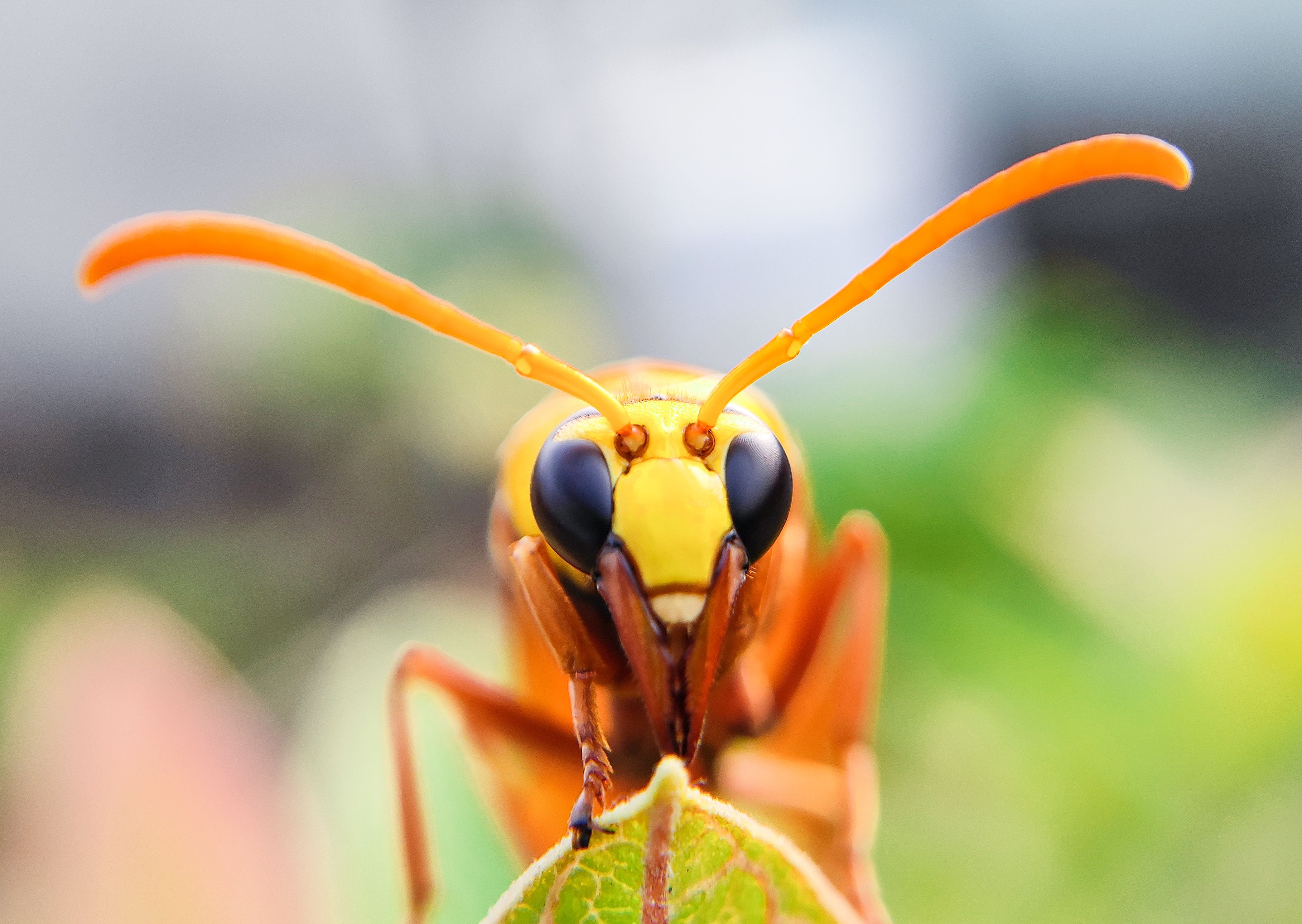
Dengue is a viral infection spread by the bite of infected Aedes mosquitoes, mainly Aedes aegypti, which breed in small amounts of standing water in and around homes, such as in buckets, flower pots, tyres and blocked drains. Unlike malaria mosquitoes, Aedes mosquitoes bite mostly during the day.
Most people with dengue have mild illness or no symptoms. Others develop high fever, severe headache, pain behind the eyes, muscle and joint pain, nausea and a rash. A small share develop severe dengue, which can cause bleeding, organ damage and dangerous drops in blood pressure. Severe dengue can be fatal without prompt hospital care, and people infected a second time with a different type of the virus face a higher risk.
There is no specific antiviral treatment for dengue. Care focuses on fluids, rest and close monitoring for warning signs such as severe stomach pain, persistent vomiting, bleeding gums or extreme tiredness.
Why the season is lasting so long
Dengue in Bangladesh traditionally peaks during and after the monsoon, from around July to October. In recent years, the season has started earlier and continued later, with significant numbers of cases persisting into November and December.
Warm temperatures speed up the mosquito's breeding cycle and the virus's development inside the mosquito, while rain provides breeding sites. Rapid, unplanned urban growth, especially in Dhaka, creates countless small containers and construction sites where water collects. Public health experts in Bangladesh have repeatedly called for year-round mosquito control rather than campaigns that begin only when cases rise.
A double outbreak
The measles outbreak adds to the strain. According to DGHS figures reported by The Business Standard, 1,352 deaths have been recorded since 15 March, most of them suspected rather than laboratory-confirmed: 1,247 suspected and 105 confirmed. More than 256,000 suspected measles cases have been recorded in that period.
Measles mainly affects children and is prevented by vaccination, while dengue affects all ages and has no widely used vaccine in Bangladesh. Hospitals, however, must handle both at once, often in the same wards and with the same staff.
Pressure on hospitals
The daily numbers show the scale of the work for doctors and nurses. With 1,519 new dengue admissions and 2,021 discharges in a single day, hospitals are handling thousands of patient movements, on top of the more than 229,000 suspected measles patients hospitalised since March, according to DGHS figures reported by The Business Standard.
Dengue patients often need careful monitoring of fluids and blood counts, which takes staff time even when the illness is not severe. In past seasons, Dhaka's large public hospitals have been the most crowded, though dengue has spread widely beyond the capital in recent years.
Protecting yourself
Health authorities advise people to remove standing water around homes at least once a week, cover water containers, use mosquito repellent and nets, and wear long sleeves where possible. Anyone with a high fever should seek medical advice, avoid painkillers such as aspirin and ibuprofen unless a doctor approves them, and go to hospital quickly if warning signs appear.
What comes next
With cases still high in late November, the season's final toll will depend on how quickly temperatures fall and how well mosquito breeding sites are controlled. The DGHS will continue to publish daily figures, which will show whether 2026 passes 2024's death toll before the year ends.
Key Questions Answered
How many people have died of dengue in Bangladesh in 2026? 518 as of 8 a.m. on 22 November 2026, according to the Directorate General of Health Services, after two more deaths in 24 hours. That is the highest annual toll since 2024, when 575 people died.
How many dengue cases has Bangladesh recorded this year? 173,473 people have been hospitalised with dengue in 2026, with 1,519 new admissions in the 24 hours to 22 November.
Is 2026 Bangladesh's worst dengue year? Not the worst. 2023 recorded 1,705 deaths and 321,179 cases. But 2026 already has the second-highest hospitalisations on record and is close to 2024's 575 deaths.
How does dengue spread? It spreads through bites from infected Aedes mosquitoes, which breed in standing water around homes and mostly bite during the day. It does not spread directly from person to person.
What are the warning signs of severe dengue? Severe stomach pain, persistent vomiting, bleeding from the gums or nose, blood in vomit or stool, and extreme tiredness or restlessness. Anyone with these signs should go to hospital immediately.
© 2026 NatureWorldNews.com All rights reserved. Do not reproduce without permission.













 English (US) ·
 French (CA) ·