

After the first hard frost, the wasps that pestered every picnic in August are suddenly gone. It's easy to figure the cold finished them off. So where do wasps go in winter, and do wasps die in winter at all? Most of them do – just not the ones that count for next year.
Before you look up how to kill wasps next spring, know that yellowjackets, paper wasps, and hornets live in colonies that last just one season. Each colony leaves behind young queens that have already mated and will ride out the cold on their own.
Some of the places where wasps hide in winter are right in your yard. Firewood, loose bark, and the gaps around a shed door can each hold a queen until spring.
Where Do Wasps Go in the Winter?
For the common social wasps, the colony only lasts a year. Each spring, a single queen starts a small nest and raises the first workers herself. The colony grows through summer, and by late summer it switches to raising males and new queens. The new queens mate in fall, then leave the nest for good.
Everyone else is left behind. By the time hard freezes settle in, the old queen, the workers, and the males have died, and the papery nest sits empty for good. The mated queens are the only ones that make it into winter, and they don't go back to the nest. Each one finds its own sheltered spot. Many still won't last until spring, but the ones that do will start the whole thing over.
Here are some of the common places you'll find queens hiding.
1. Under Fallen Leaves and Garden Debris
Rake back a deep drift of oak leaves in midwinter, and the ground underneath is often softer and less frozen than the open lawn. Yellowjacket queens may crawl into that leaf litter or under old mulch and pulled plants at the edge of a bed. They stay perfectly still. You'd likely never notice one. Some leaves left in place also help butterflies and moths overwinter, and there's no reason to rake every corner bare because of wasps.

(Image credit: Nieriss / Shutterstock)
2. Inside Woodpiles and Fallen Logs
Stacked firewood is full of narrow gaps out of the wind, and rotting logs and old stumps offer soft wood a queen can tuck into. Pull a few splits from the bottom of the stack in winter, and you may find one clinging to the bark, too cold to move much. Check each piece before carrying it inside – a warm living room can wake a dormant queen. Bring in only what you'll burn that day. Walmart's leather palm work gloves are tough enough for sorting through the stack.

(Image credit: Aleksandr Vodovozov / 500px / Getty Images)
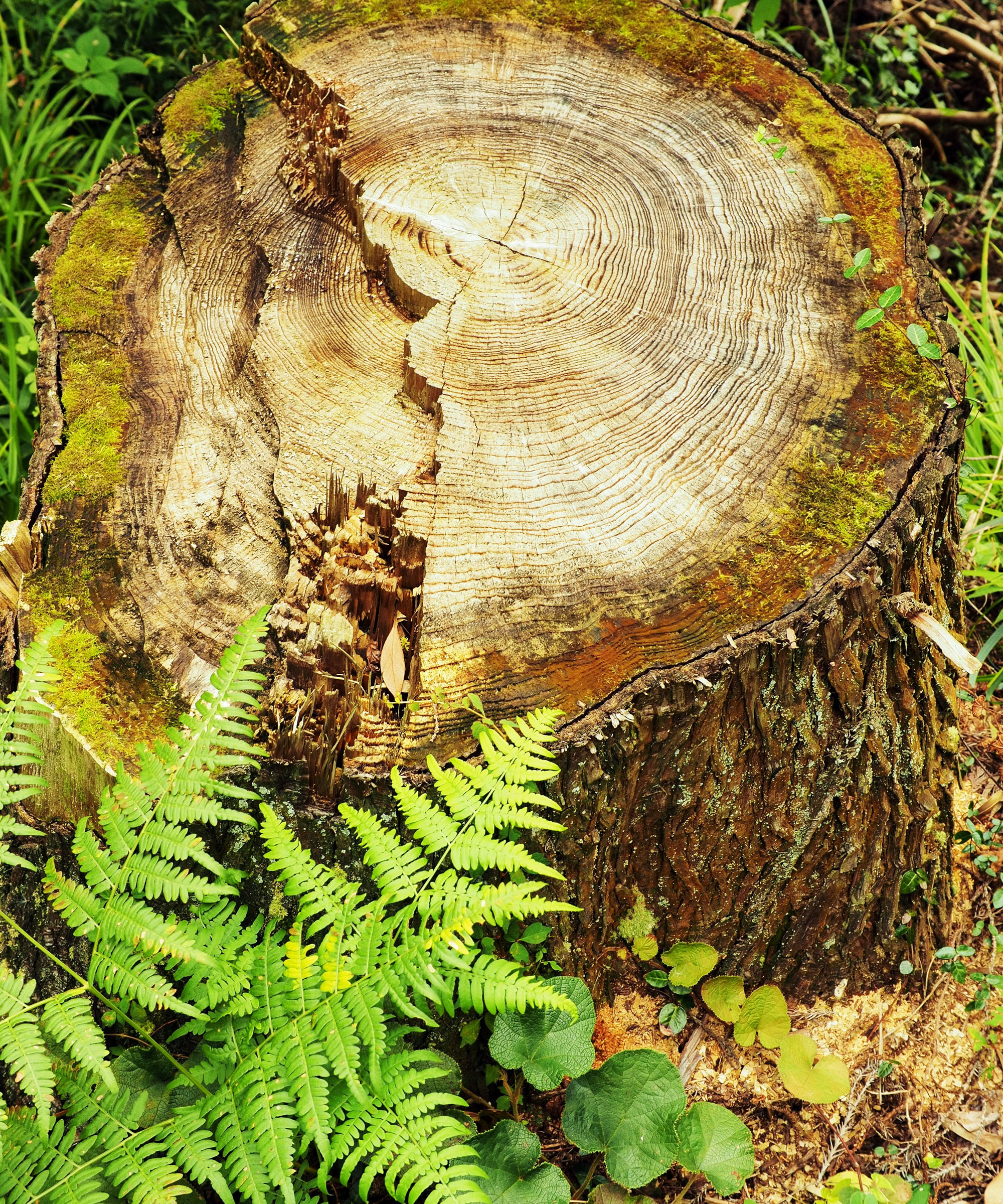
3. Beneath Loose Tree Bark
Loose bark on a dead tree makes a snug pocket. Yellowjacket queens squeeze into those gaps. Birds have a hard time reaching them there, and the bark keeps off most of the weather. On a mild winter day, try lifting a slab of it off an old stump. You could find a queen pressed flat in the gap underneath, barely moving. Put the bark back if you do. She isn't going anywhere until spring.
(Image credit: Akihiro Umehara / Shutterstock)
4. Inside Sheds and Outbuildings
Sheds, garages, and barns are full of cracks around door frames and window trim. Queens often move in during fall and stay put until spring. Paper wasps tend to seek out high spots for the winter, and they sometimes overwinter in clusters, packed together at the peak of a roof or along a rafter. To keep queens from slipping in next fall, cover open vents with stainless steel mesh, which Amazon sells in small sheets.
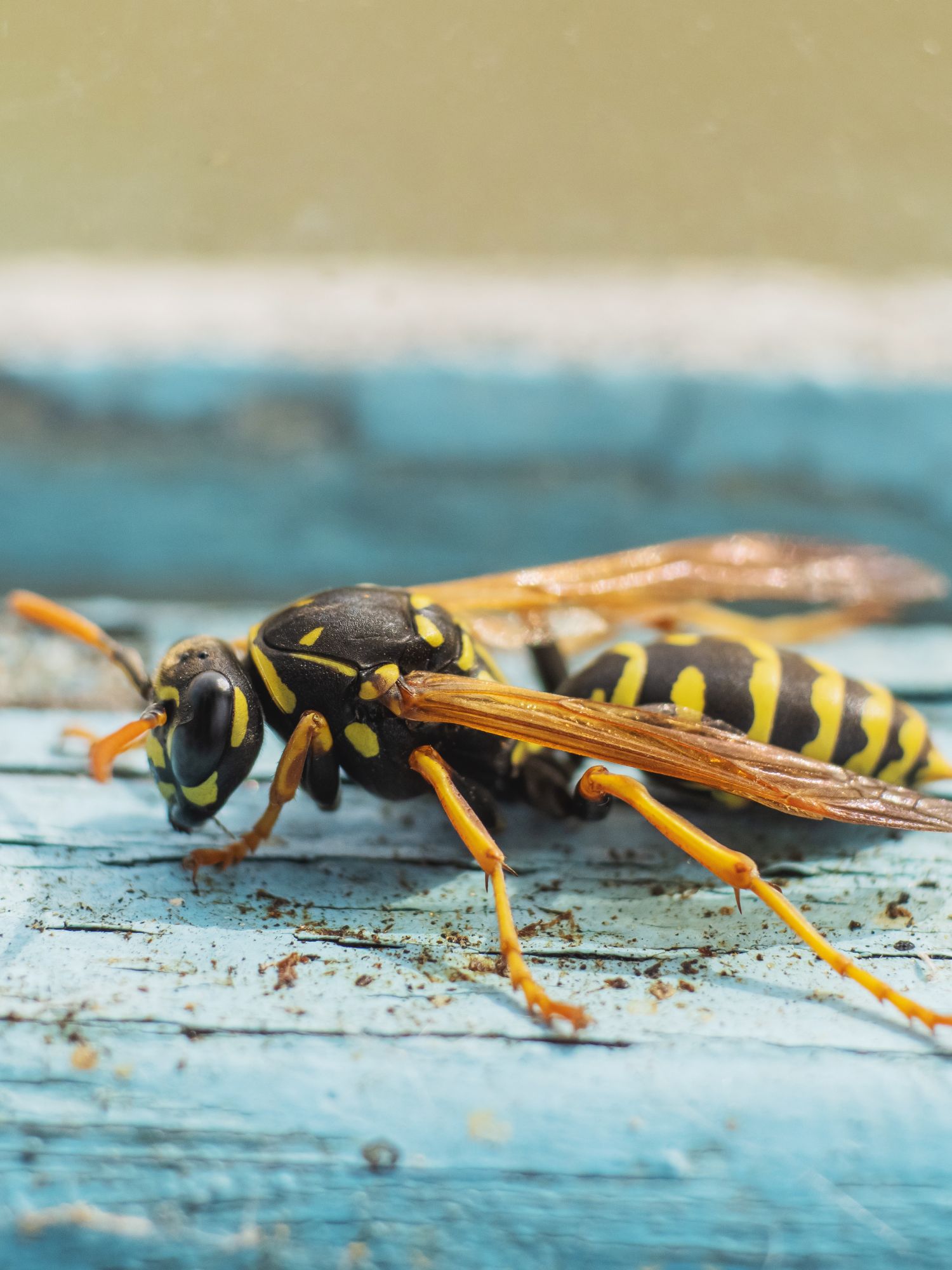
5. Behind Siding and Inside Wall Voids
Queens find their way into wall voids and attics through gaps where siding meets trim, or through cracks around windows. Temperatures in there usually stay above freezing. Ever find a slow, groggy wasp on a window inside the house in January? It's usually a lone queen that wandered in from the walls, drawn toward the light. An active nest looks different – steady traffic in and out of the same hole in summer or early fall points to a live colony inside the wall.
Don't plug that hole while the nest is active, since the wasps may chew through to the inside. Once the colony has died off, seal exterior cracks with a flexible sealant such as DAP Dynaflex 230 from Home Depot.
(Image credit: iiievgeniy / Getty Images)
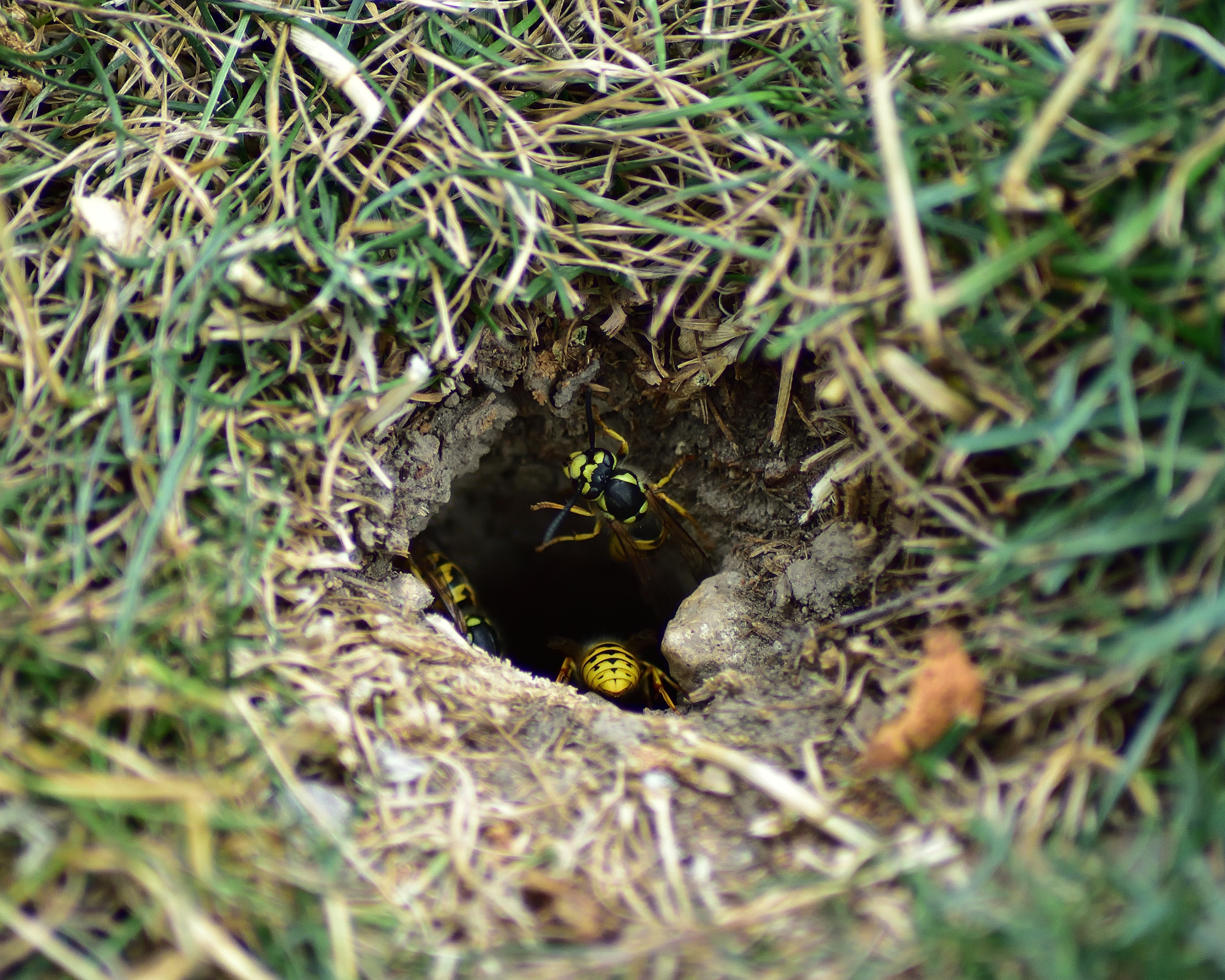
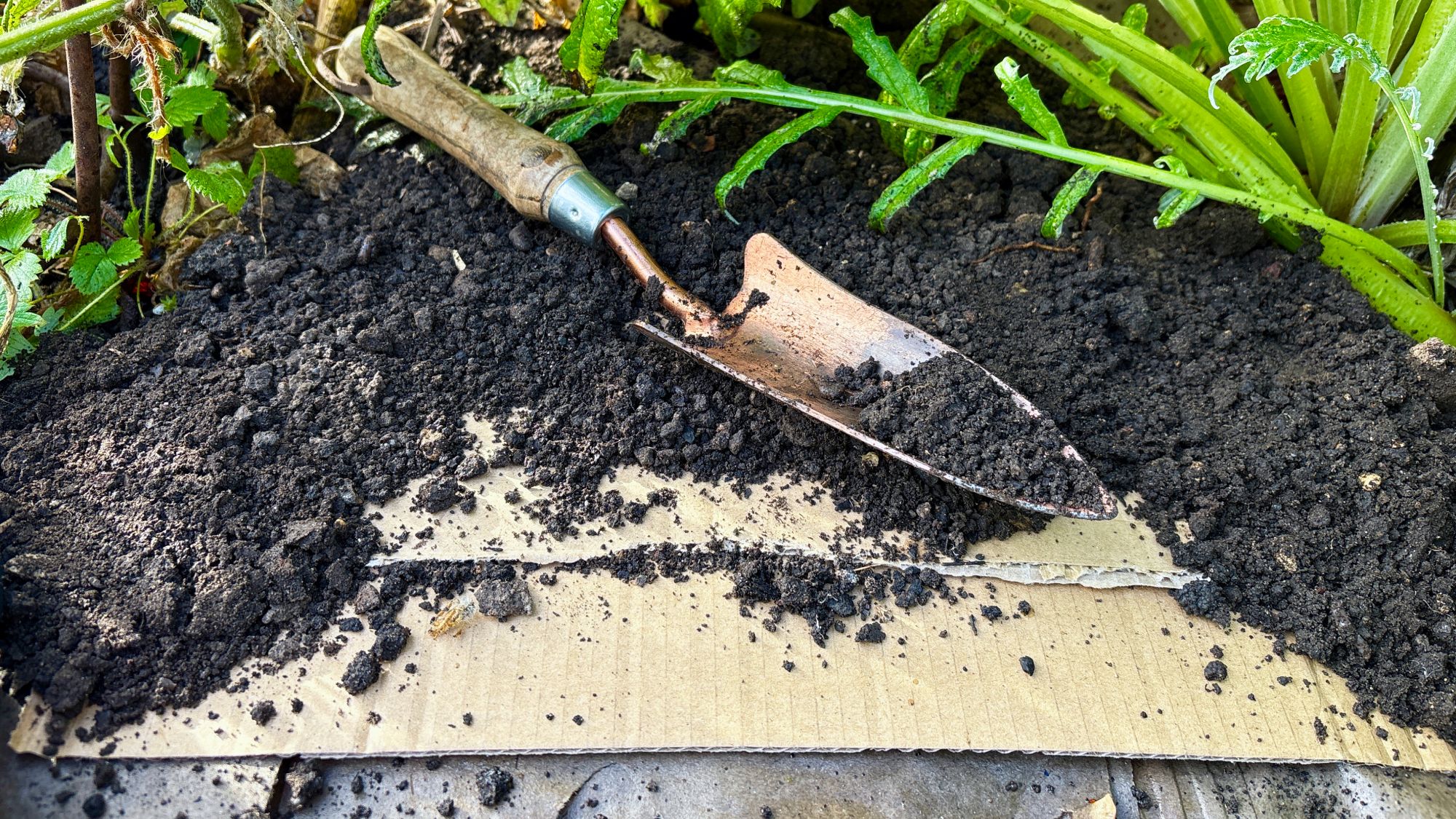
6. In Soil Cavities and Compost Piles
Some yellowjacket queens spend the winter underground, but not in the nest they came from. That old nest is abandoned when the colony dies, and it isn't used again. She might use an empty mouse or vole burrow instead, a crack between rocks, or a small pocket in loose soil.
A home compost pile that hasn't been turned in a while is another possibility. If you turn the pile in winter, move slowly and wear gloves, and she'll probably stay put.
(Image credit: Judy_Dautovich-Ralf_Hunsinger / Getty Images)
Should You Remove Overwintering Wasp Queens?
Usually, there's no need. Wasps are useful predators. Yellowjackets and paper wasps hunt caterpillars and other soft-bodied insects to feed their young, and the adults visit flowers for nectar, moving some pollen around as they go. A queen sleeping under a log at the back of the yard poses little risk, and next summer her colony will probably eat a good number of garden pests.
Doors, windows, and play areas are a different story. Seal gaps around the house in late summer, before queens go looking for winter shelter, and check that window screens fit tightly. Home Depot carries a door jamb weatherstrip set that closes the gaps around exterior doors.
Once spring warms up, glance at the eaves and porch ceiling every so often. A brand-new nest is about the size of a golf ball, and only the queen is tending it, so it's far easier to handle than a full colony in August. Large nests, ground nests, and anyone in the house who's allergic to stings are a job for a pest control professional.
In winter, the yard looks empty, but not entirely. Somewhere under those leaves or behind that bark, next year's wasps are sitting out the cold. Unless one is tucked in beside the back door, it can stay right where it is.
Wasp Control Essentials
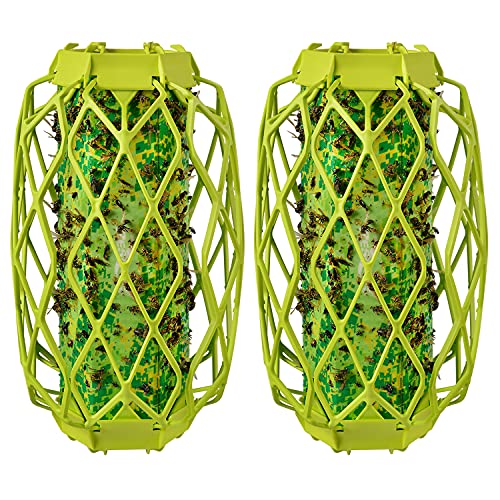
Rescue! Visilure Trapstik for Wasps (Pack of 2)
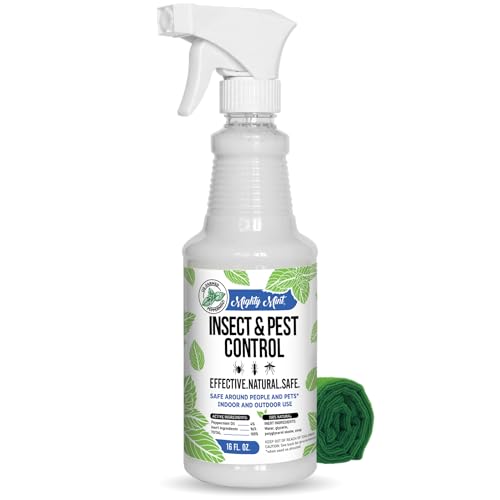
Mighty Mint Peppermint Oil Insect Repellent Spray
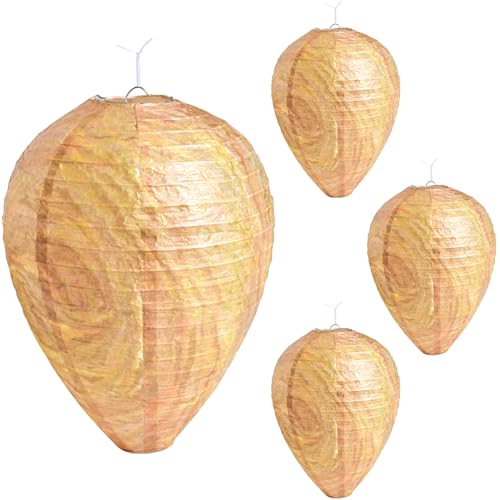
Zeedix Hanging Paper Fake Wasp Nest Decoys (Pack of 4)















 English (US) ·
 French (CA) ·