

Have you ever found yourself completely overrun with one vegetable for a week, then completely without it the rest of the season? Or have you had a vegetable peter out before the end of the summer, leaving a bare and unproductive spot in its place? These are very common problems in the world of vegetable gardening, but luckily they’re very easy to fix.
The solution is called “succession planting,” and it’s the strategic art of staggering your garden’s production so that you harvest small amounts of food over a long period rather than facing a vegetable avalanche all at once.
There are a few different ways to approach succession planting, and you can implement one or all of them in your vegetable garden. Let’s dive in!
Article continues below
1. Relay Planting
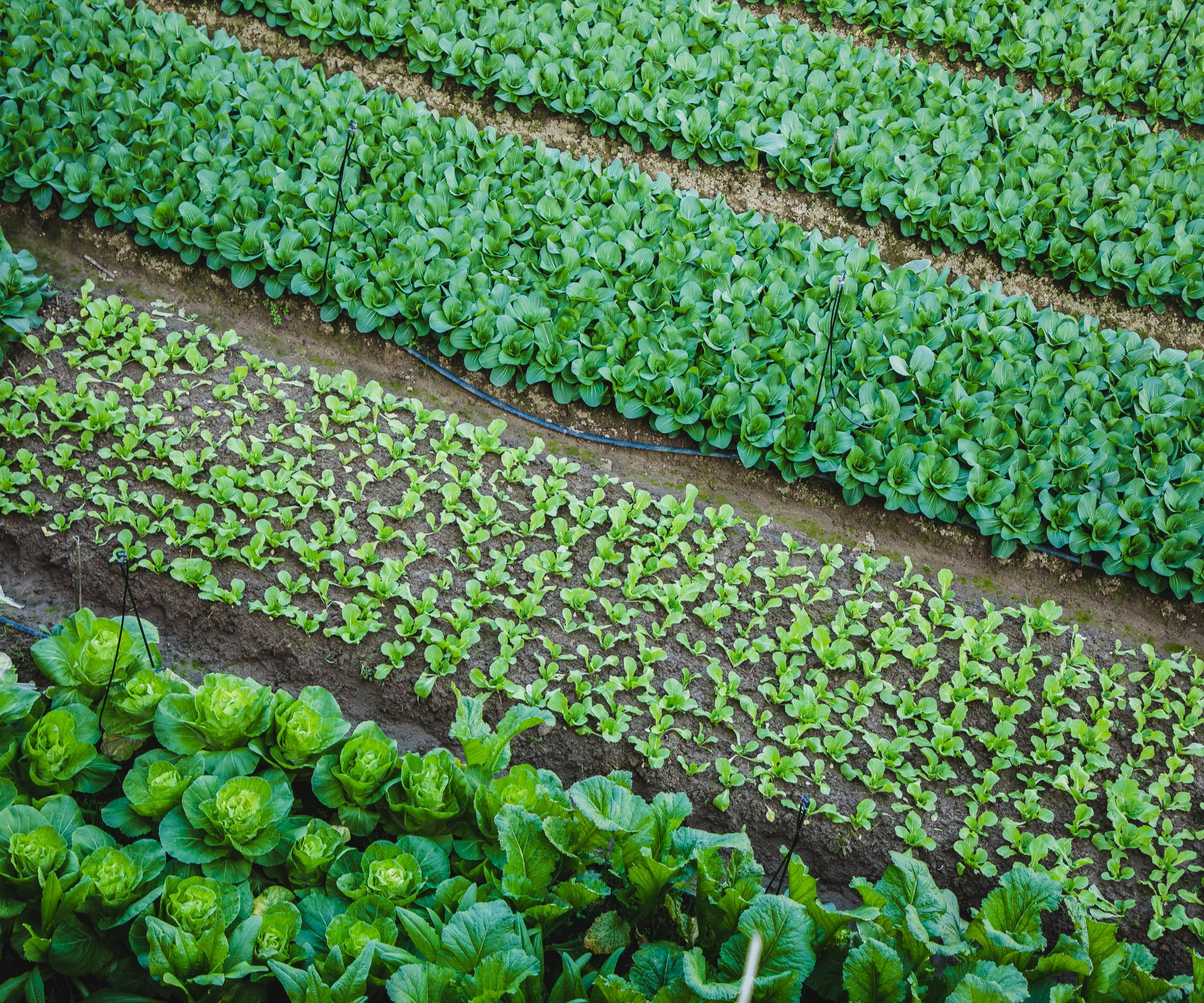
(Image credit: Kilito Chan / Getty Images)
Also called staggered sowing, relay succession planting is a way to get a fresh harvest of the same crop every week for an extended period of time. It’s a simple concept: instead of planting a full row of a specific crop on a single day, you plant smaller portions at regular intervals. Once the first portion matures, you harvest it. Then before you know it, the second portion will be ready to harvest, and so on.
Relay planting doesn’t work with every kind of plant (try it with tomatoes and you’ll drown in fruit), but it’s effective for a lot of favorites. The most common ones are:
To do relay planting, simply plan on planting a new set of seeds every two to three weeks. It’s easiest to keep track of if you do it in rows, like the picture at the top of this article. Continue planting like this for the whole season. When the first batch is ready for harvest, you can reuse that area you just harvested to continue planting more seeds.
2. Intercropping
This involves planting a second crop into the spaces of a first crop before the first is even finished. In other words, you place a warm season plant right up next to a cool season plant.
For example, you can plant spinach interspersed with tomatoes. Spinach thrives early in the season, and will likely go in the ground well before the tomatoes are. When the tomatoes finally go in, they can be interspersed with the larger spinach plants.
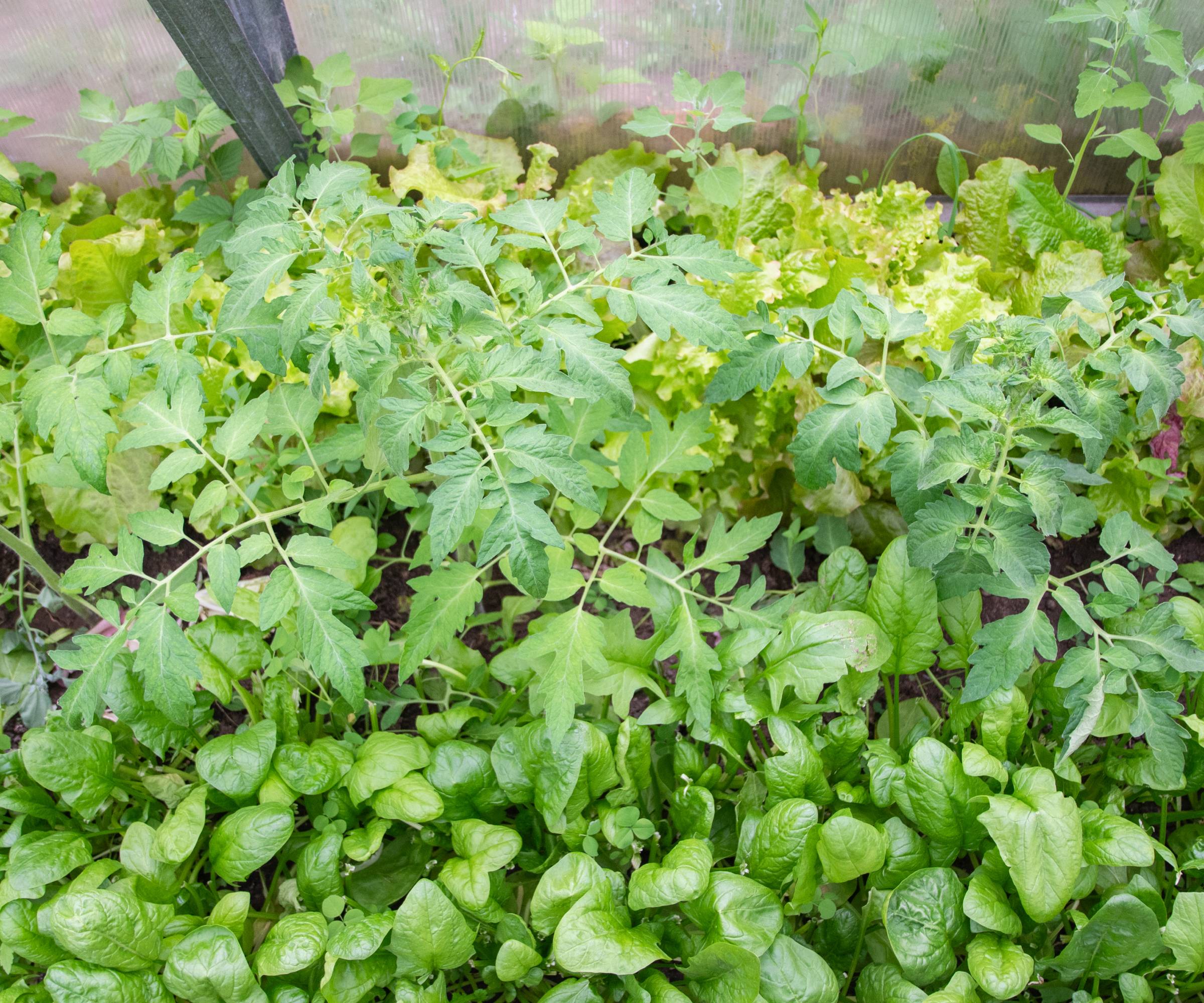
(Image credit: Ekaterina Toropova / Getty Images)
The spinach will keep the soil cool and moist, creating a cozy spot for the fledgling tomatoes. By the time the tomato seedlings really start to take off and need more space, the spinach will have run its course and be ready to pull.
3. Crop Rotation
For the gardener with limited space, succession planting vegetables can double or even triple a garden's production. It does take a little planning, the results are worth it.
Basically, crop rotation takes advantage of the different needs of a wide variety of vegetables and your own seasonal cycle. For example, in an area where you get a temperate spring, summer, and fall, you would plant a short season cool crop in spring. Harvest that, then plant a longer season warm weather crop in summer. Harvest that, then plant another short season cool crop in fall. All three plants grow in the same patch of soil, and not an unproductive day goes by.
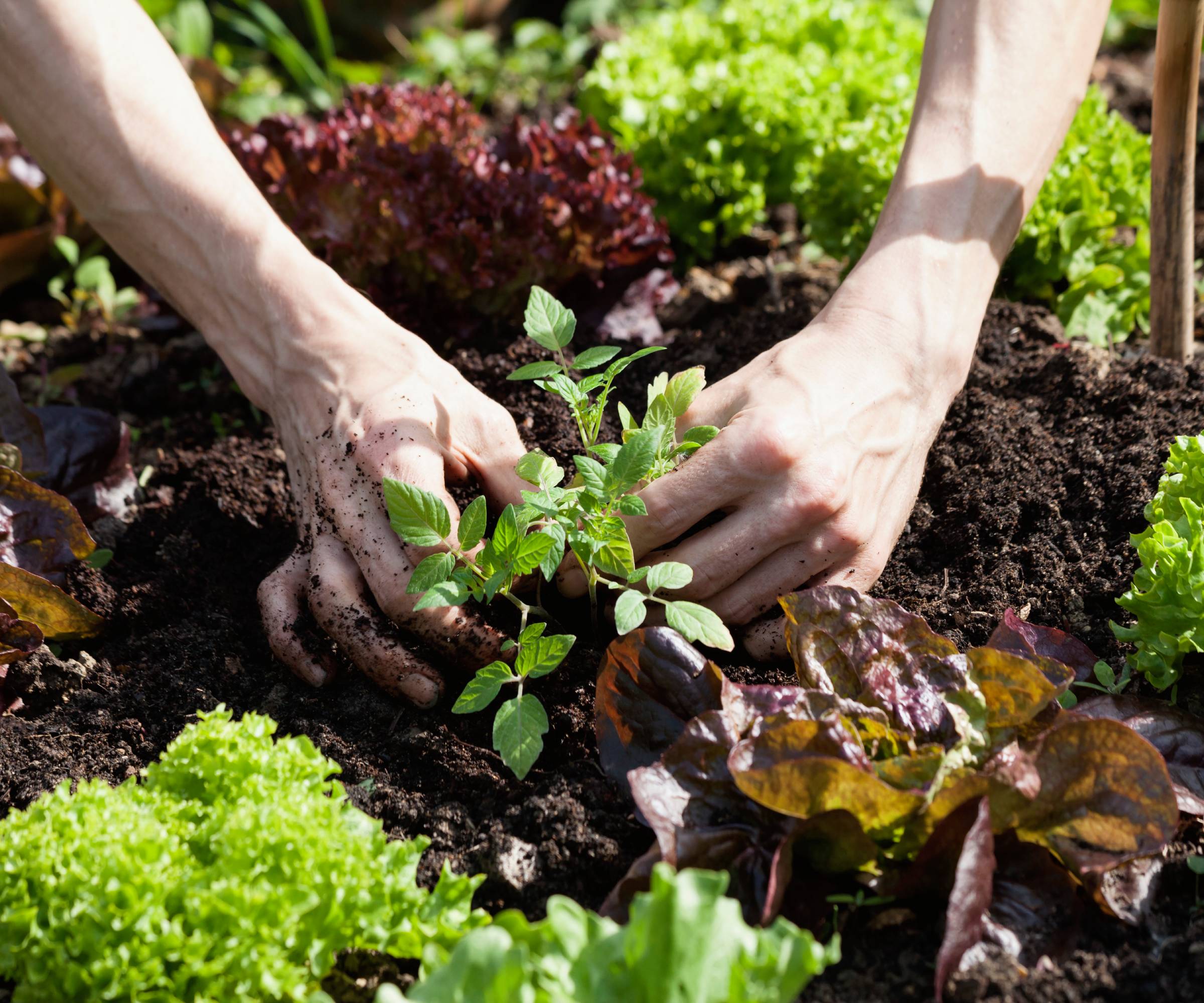
(Image credit: Westend61 / Getty Images)
An example of this kind of succession planting in the garden might be lettuce (spring), followed by tomatoes (summer), and followed by cabbage (fall).
If you live in a hotter climate, you can even get away with planting four crops in one spot:
- Winter: short season cool crop (spinach)
- Spring: long season warm crop (squash)
- Summer: heat tolerant crop (okra)
- Fall: long season warm crop (tomatoes)
This style of vegetable garden succession planting takes full advantage of all of your garden space at all times during the growing season.
Succession Planting Essentials
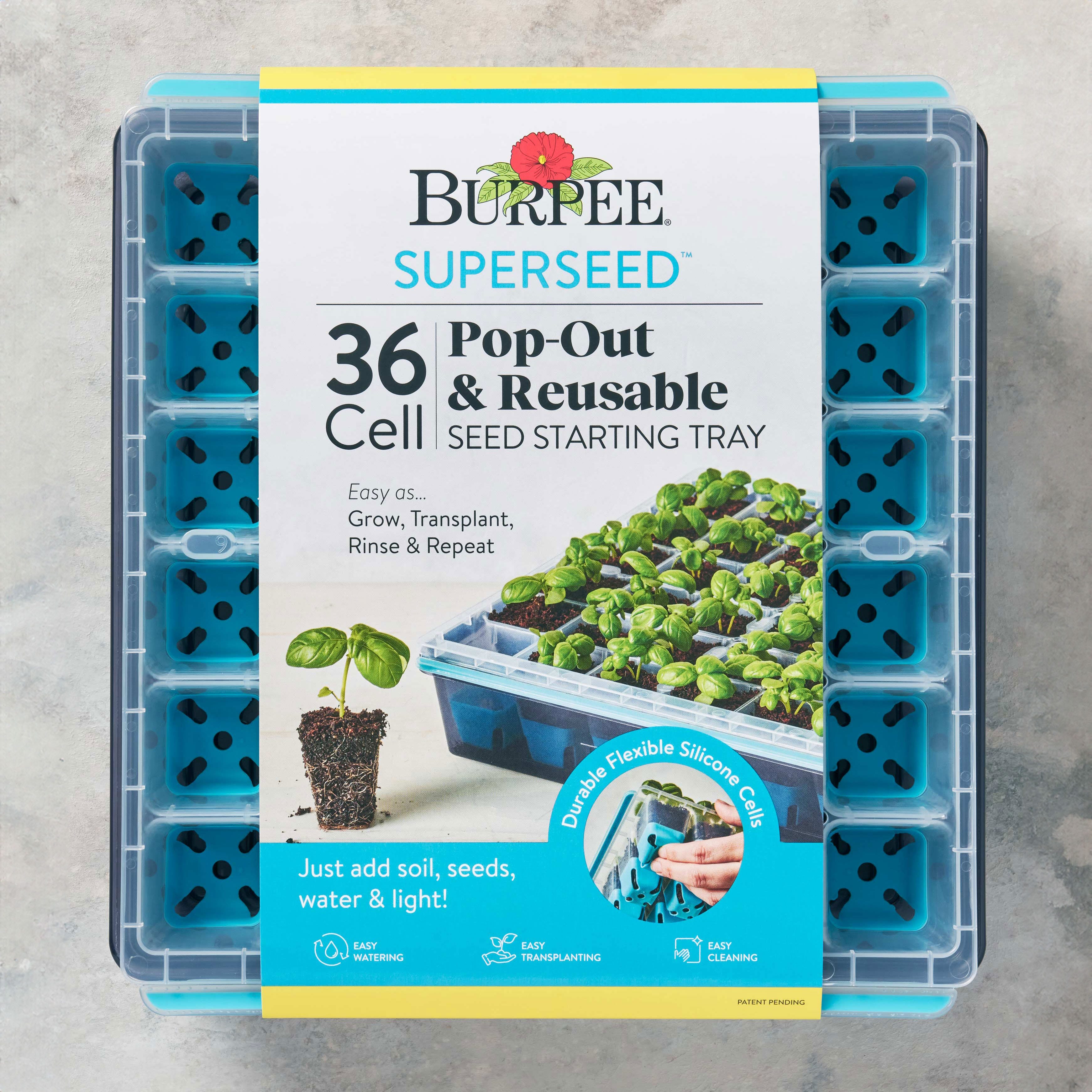
36 Cell Superseed Seed Starting Tray

















 English (US) ·
  French (CA) ·