

 4 hours ago
16
PROTECT YOUR DNA WITH QUANTUM TECHNOLOGY
Orgo-Life the new way to the future Advertising by AdpathwayA new study published in Cell & Bioscience demonstrates that genetic variants in the STAG1 gene destabilize the genome, impair cohesin activity, and dysregulate neurodevelopmental gene expression in human cohesinopathy. The findings provide critical mechanistic insight into the neurodevelopmental phenotypes and intellectual disability associated with this rare disorder.
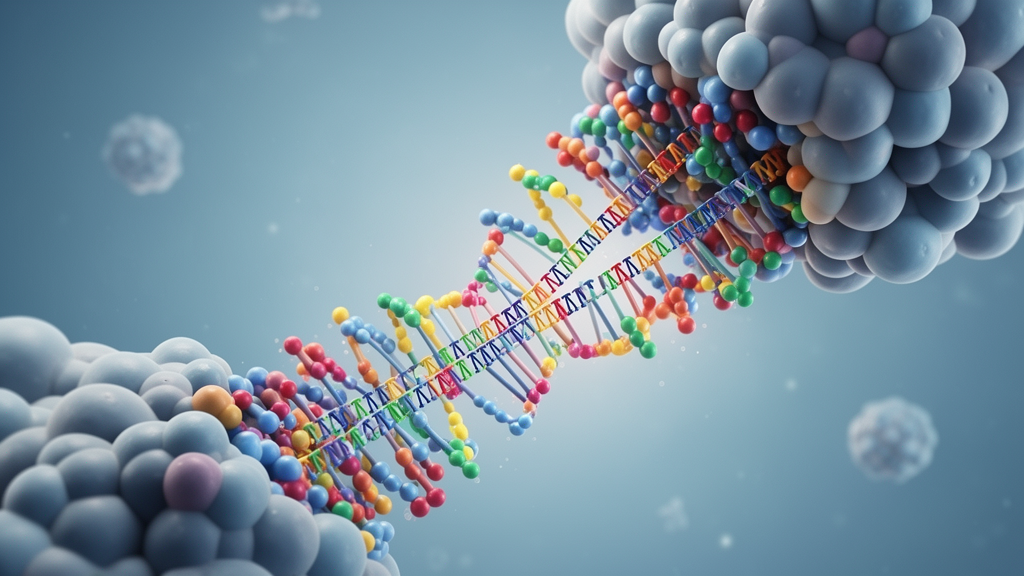
Cohesin is a highly conserved protein complex composed of the core subunits SMC1A, SMC3, and RAD21, which function in conjunction with one of two variant STAG subunits, STAG1 or STAG2. In humans, variants in either the structural or regulatory components of cohesin underlie a spectrum of multisystem developmental disorders, collectively termed cohesinopathies. The molecular etiology of these cohesinopathies has remained poorly understood. Cohesinopathy caused specifically by STAG1 gene variants represents an extremely rare multisystem developmental condition, and there remains a significant paucity of studies regarding its underlying pathogenic mechanisms.
To investigate the pathogenic basis of STAG1-related cohesinopathy, the authors utilized patient-derived cellular resources alongside engineered laboratory models. The researchers established lymphoblastoid cell lines derived from two newly identified affected siblings carrying a STAG1 gene variant. Detailed genetic analysis of these two patients revealed a novel heterozygous frameshift mutation, c.2216_2218dup (p.Cys740*), in the STAG1 gene. To further examine the disease mechanism, the team also utilized CRISPR/Cas9-engineered STAG1-mutant models to investigate the functional consequences of the mutation.
In addition to investigating cellular models, the authors systematically reviewed the clinical and genetic spectrum of previously reported individuals with STAG1 gene variants. Their systematic review found that developmental delay and intellectual disability were the predominant manifestations among reported individuals. These findings indicate that STAG1 gene variants cause a fundamental defect in neurodevelopmental processes, explaining the shared clinical presentation observed across affected patients.
Through molecular and cellular assays, the researchers discovered that the identified STAG1 variant impairs protein function and reduces cohesin activity. The experimental results demonstrated that the variant partially disrupts telomere cohesion in cells and compromises cellular DNA repair capacity. Together, these defects directly destabilize the genome, highlighting how the mutation impairs basic chromosome-associated functions.
Integrative RNA sequencing and chromatin immunoprecipitation sequencing further revealed that the STAG1 gene variant significantly dysregulates the expression of genes involved in neurodevelopment. Key neurodevelopment target genes regulated by STAG1, such as PCDH genes, were markedly downregulated in the presence of the mutation. Overall, the study’s conclusions identify STAG1 dysfunction as a driver of cohesin impairment, genome instability, and transcriptional dysregulation, providing new mechanistic insight into the neurodevelopmental phenotypes of STAG1-related cohesinopathy.
Subject of Research: Molecular and genomic mechanisms of STAG1 variants in human cohesinopathy and neurodevelopmental delay
Article Title: STAG1 variants impair the genome stability and lead to a human cohesinopathy with neurodevelopmental delay
Article References: Chen, X.-F., Lou, X.-Y., Zhu, Z.-K., Chen, Q.-Q., Zhong, S., Xia, F.-L., & Zou, C.-C. (2026). STAG1 variants impair the genome stability and lead to a human cohesinopathy with neurodevelopmental delay. Cell & Bioscience. https://doi.org/10.1186/s13578-026-01679-9
Image Credits: AI Generated
DOI: 10.1186/s13578-026-01679-9
Keywords: STAG1, cohesinopathy, cohesin complex, genome stability, neurodevelopmental delay, intellectual disability, SMC1A, SMC3, RAD21, STAG2, telomere cohesion, DNA repair capacity, CRISPR-Cas9, RNA sequencing, chromatin immunoprecipitation sequencing, PCDH genes, frameshift mutation, lymphoblastoid cell lines













 English (US) ·
 French (CA) ·