

PROTECT YOUR DNA WITH QUANTUM TECHNOLOGY
Orgo-Life the new way to the future Advertising by AdpathwayBy James Green
James is based in Australia and the editor of the “Photo Ahimsa: Mindful Birdwatching” blog.
‘Photo Ahimsa: Mindful Birdwatching’ offers nature lovers a way to reconnect with the avian world, especially as birds face threats from the collapse of many ecosystems worldwide. We (most birdwatchers) advocate mindful birdwatching as a way to connect with nature and inspire readers to help, in any way they can, preserve our threatened habitats. These are our collective habitats. By destroying avian habitats, we may be destroying our very own.
We reflect on the extinction crisis facing bird species, emphasising that human activity is leading to the loss of countless species. Avian Influenza affecting Australia adds extra momentum to this process. The latest news is that the situation is intensifying as the virus moves inland and affects new species.
Pope Francis’s Laudato Si’ illustrates the moral and spiritual implications of this loss:
Each year sees the disappearance of thousands of plant and animal species that we will never know, which our children will never see, because they have been lost forever. The great majority become extinct for reasons related to human activity. Because of us, thousands of species will no longer give glory to God by their very existence, nor convey their message to us.
Statistics from BirdLife Australia put it in perspective: more than 200 bird species in Australia are at risk of extinction! Is this not a wake-up call, urging us to stem the tide?
Millions of birdwatchers around the world can’t escape being called ‘mindful birdwatchers’. By its very nature, watching birds is a ‘mindful’ activity. Why is this? Because you have to focus and concentrate intensely; otherwise, one false move and the bird flies away! At the same time, you cannot help but be struck by the artfulness and beauty of the bird subject; a good recipe to follow for ‘mindful’ birdwatching.
The term ‘Photo Ahimsa’ literally means non-violent photography—it is ‘shooting’ a bird, but with a camera!
We explore the artistic and spiritual dimensions of birdwatching, highlighting the beauty and emotional response birds arouse in most people. Birds are artful creatures that have inspired many artists, writers, and philosophers throughout the ages.
Are we about to destroy these cultural icons?
The art and beauty of wildlife can play a major role in conservation—birds can do that for us; they are often breathtakingly artful, beautiful, and incredibly intelligent. Do we want to lose something that inspires us so? The dark side is that our photographs remind us of their art, beauty, and intelligence on the one hand, while also suggesting we may be the last generation to see them in their habitats—the homes that are still theirs.
We hope to inspire action: advocate for stronger environmental laws and active participation in citizen science projects; make our voices heard; and join initiatives that support conservation and habitat protection.
The following are some of the photographs that have inspired us.
Figure 1: Vulnerable Birds at Lakes Entrance.
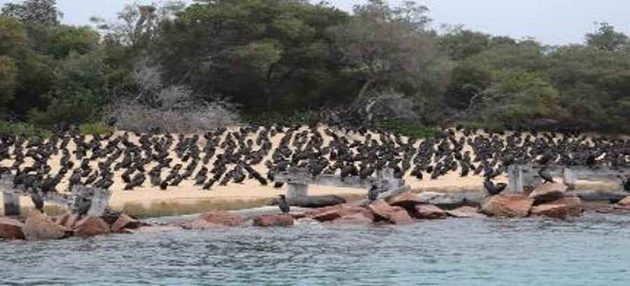
This photograph illustrates the delicate state of bird populations in Australia. Captured at Lakes Entrance, the image reminds us that these vulnerable bird colonies may soon be decimated or disappear entirely.
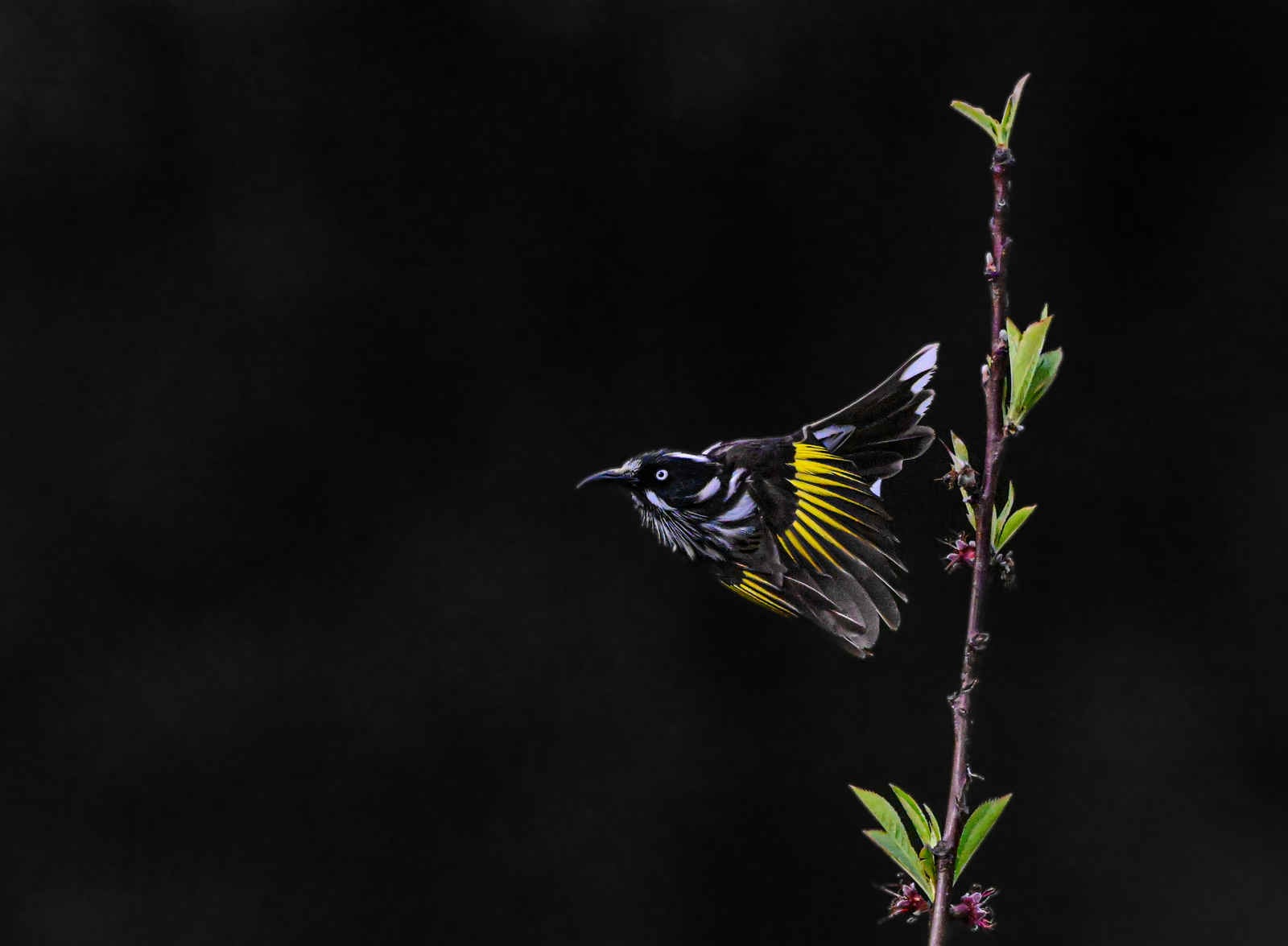
Figure 2: An Eastern Spinebill.
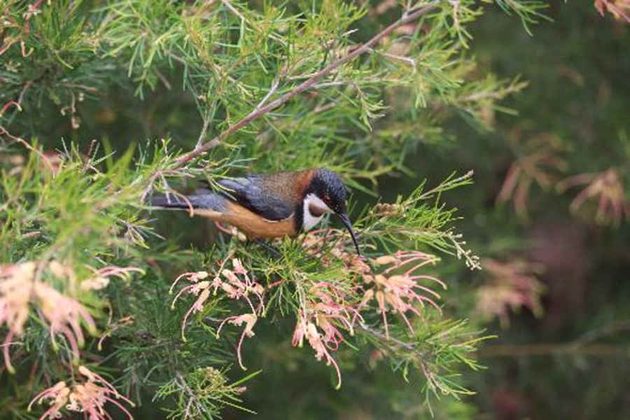
This photograph, taken by the author, was a group effort—birdwatchers in a green space helped the photographer capture the bird at the moment it sat still. This image illustrates the mindful nature of birdwatching. It reflects the joy of connecting with nature and, indeed, with our fellow mindful birdwatchers.
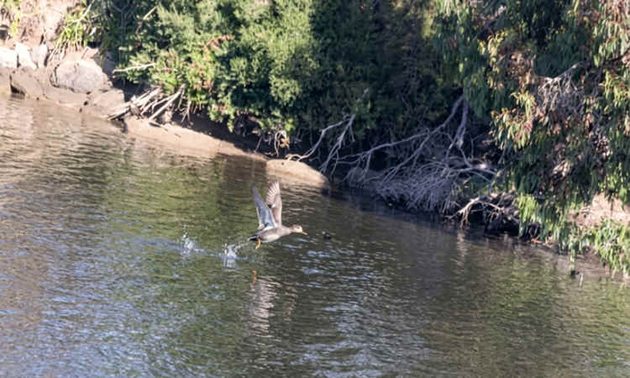
This image of a shorebird in flight exemplifies the art and beauty of birds in their own habitat. This photograph was taken on the bank of the Hopkins River in Victoria—a shared habitat.
Figure 3: Mallard Duck—Hopkins River, Victoria.
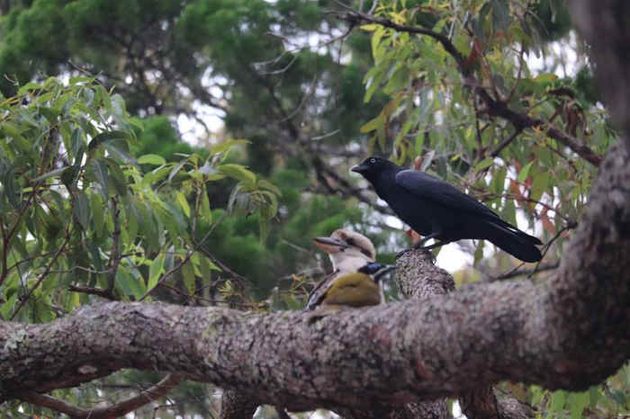
This photograph shows several bird species waiting for food in a shared habitat—around a bakery on the Sunshine Coast in Queensland.
Figure 4: Honey Eater, Kookaburra and Raven—Noosa, Queensland.
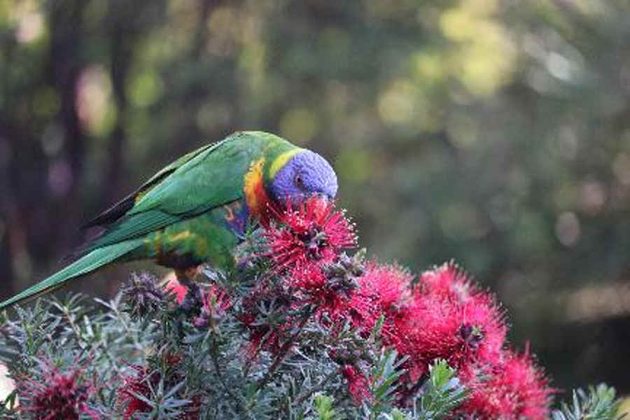
This evocative image of a Rainbow Lorikeet shows that even the most beautiful birds will still visit us and bring joy to even the most hardened cynic. This photograph was taken in a front garden in suburban Melbourne.
Figure 5: Rainbow Lorikeet.
In conclusion, ‘Photo Ahimsa: Mindful Birdwatching’ is not just a blog about birds; it is a plea for urgent conservation plans and approaches to be put in place by government and our (habitat citizen) guide to encourage a deeper connection with the birds.













 English (US) ·
 French (CA) ·