

 3 hours ago
4
PROTECT YOUR DNA WITH QUANTUM TECHNOLOGY
Orgo-Life the new way to the future Advertising by AdpathwayA rare long-term record from Dutchess County, New York, points public health officials toward oak trees and mice rather than deer when forecasting tick risk
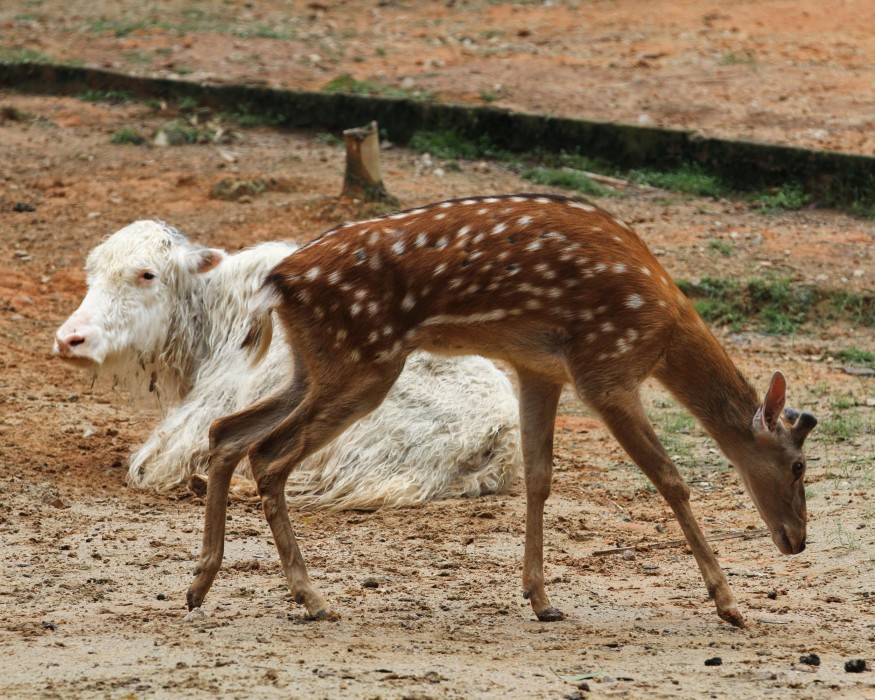
The long-held idea that deer drive Lyme disease risk did not hold up across more than three decades of data from New York's Hudson Valley. Researchers at the Cary Institute of Ecosystem Studies found no statistical link between deer abundance and the number of young ticks across the full record, according to a study in PNAS.
Instead, the chain that mattered ran from acorns to mice to ticks — a delayed reaction that unfolds over two years. A big acorn crop boosted white-footed mice the following year, and that predicted more nymphal ticks, the life stage most likely to infect people, two years after the acorns fell.
That matters for the nearly 500,000 Americans diagnosed with Lyme disease each year. The study, published this summer and highlighted again this week by ScienceDaily, suggests acorn counts could give health departments a two-year head start on high-risk tick seasons.
From Acorns to Mice to Infected Ticks
Since 1991, the team has tracked acorns, rodents, ticks, predators and weather across a 2,000-acre forested property in Dutchess County. When oaks drop a huge crop at once, an event called masting, mice have abundant winter food, and their numbers jump the next year.
White-footed mice are unusually good hosts for young ticks. Larval ticks hatch free of the Lyme bacterium, Borrelia burgdorferi, and many pick it up during their first blood meal. Mice pass the bacterium to feeding larvae very efficiently, and the study found that a strong mouse year was followed by about 40 percent more nymphal ticks the next year.
Lead author Richard Ostfeld said the result has a clear management message. "Culling deer is unlikely to have any impact on ticks," he told the American Animal Hospital Association, adding that the team can predict high-risk periods almost two years ahead.
Deer Were Not the Driver the Old Model Assumed
When Lyme disease was first recognized in the 1980s, deer seemed like obvious suspects because hunted deer often carry many adult ticks. Adult ticks feed and mate on deer, so a role for deer in sustaining tick populations still exists.
But across the full 35-year record, deer abundance did not predict how many nymphs appeared. Ostfeld said a weak positive relationship showed up in short stretches of the data, but the complete dataset showed no such link, according to the Cary Institute's release.
"Studies of this depth and length are incredibly rare," co-director Shannon LaDeau said in the release.
Independent researchers say the finding answers a question the public asks constantly. University of Pennsylvania biologist Dustin Brisson, who was not part of the study, told WHYY that audiences at his Lyme talks almost always ask about deer. He added that the results could improve prediction models for where infected ticks are concentrated, even though nobody can control acorn crops or wild mouse populations directly.
A Two-Year Warning, With an Important Caveat
The study also produced a surprise — mouse numbers did not reliably predict what share of nymphs carried the Lyme bacterium. Early in the record, more mice seemed to mean a higher infection rate, but that link faded as more years were added.
The likely reason is that other animals, including skunks, squirrels, and opossums, also feed larval ticks but pass the bacterium poorly. In years when those hosts are common, they can dilute infection rates even when mice are abundant. So acorns and mice can forecast how many ticks there will be, but not necessarily how many will be infected.
Weather added another twist. Ticks survived temperature extremes, likely by sheltering in soil and leaf litter, and warmer years were followed by fewer nymphs even though warmth favors mice. The net effect of climate change on Lyme risk remains hard to predict.
This is a long-term observational field study at one site. Its strength is duration, but its findings may not apply equally to the Midwest or West, where landscapes and host communities differ. The site itself has changed since 1991 as maples gradually replace oaks.
Using Acorn Surveys to Prepare for Tick Season
The Cary team has argued for years that acorn production could be used to alert the public before high-risk seasons. After a record acorn crop in 2010, institute scientists predicted a mouse boom in 2011 and unusually large numbers of infected nymphs in 2012, and they have reported spikes in Dutchess County Lyme cases about two years after big mast years.
Several Northeastern states already run annual acorn surveys for wildlife management. Connecticut's Agricultural Experiment Station, for example, reports oak mast results each fall. Pairing those counts with tick surveillance could help health departments time public warnings two springs ahead.
For households in Lyme-endemic areas, the advice does not change, but the timing could. In years following a heavy acorn drop, it makes sense to be especially careful the year after next. Check skin, children and pets after time outdoors, use EPA-registered repellent, keep grass short and leaf litter cleared near the house, and remove attached ticks promptly with fine-tipped tweezers.
People who develop fever, fatigue, or an expanding rash after a tick bite should see a clinician. Removing deer from a neighborhood is unlikely to lower tick numbers based on this evidence, though deer fencing may still protect gardens.
The Cary team plans to keep monitoring as climate, forest makeup and invasive species reshape the system.
What Readers Want to Know
Do deer cause Lyme disease outbreaks? Not according to this 35-year dataset. Deer numbers did not predict how many nymphal ticks appeared.
What does predict tick numbers? Large acorn crops boost mice the next year, which predicts more nymphal ticks two years after the acorns fall.
Why are mice so important? White-footed mice feed many larval ticks and pass the Lyme bacterium to them very efficiently.
Do more mice mean more infected ticks? Not consistently. Other hosts that pass the bacterium poorly can dilute infection rates.
Would culling deer reduce Lyme risk? The lead researcher said culling deer is unlikely to affect tick numbers.
How can I protect my family? Use EPA-registered repellent, do tick checks after outdoor time, clear leaf litter near homes, and remove ticks promptly.
© 2026 NatureWorldNews.com All rights reserved. Do not reproduce without permission.














 English (US) ·
 French (CA) ·