

I’ll admit it: biennials don’t offer the instant gratification of many garden favorites. Unlike zinnias, cosmos, or sunflowers, they won’t reward you with flowers just a few weeks after sowing. There’s no quick burst of color, no immediate payoff for your efforts. And yet...
Well, and yet that’s exactly what makes them so valuable. If you’re willing to think a season ahead, biennials can be some of the most rewarding plants in the garden. My husband, who has worked as a professional gardener for more than 20 years, often says they’re the ultimate exercise in patience – you do the work now, trust the process, and the garden pays you back in abundance later.
Think towering spires of flowers, generous drifts of color, and that slightly untamed structure that makes a garden feel alive rather than arranged. Quintessential cottage garden energy, at its absolute best.
The Best Biennials to Sow in June
Unlike annuals, which complete their life cycle in a single season, or perennials, which return year after year, biennials follow a two-year schedule. In their first year, they focus on developing strong roots and healthy foliage. Then, after overwintering, they put on a spectacular floral display in their second season before setting seed.
They're basically a cheat code to a dreamy cottage gardens that seem effortlessly full of flowers. In fact, many of the plants most closely associated with the cottage-garden look (think foxgloves, hollyhocks and fragrant Sweet Williams, to name just three) are biennials. And, as luck would have it, now is the perfect time to sow many biennials.
Yes, in most USDA growing zones, seeds sown now will have plenty of time to establish before winter arrives, setting them up for a gorgeous display next year. If you're looking to add more color, charm, and old-fashioned romance to your garden, these are seven of the best biennials to start now.
1. Foxglove (Digitalis purpurea)
If there’s one plant that defines the cottage garden, it’s foxgloves. These tall spires covered in tubular, speckled blooms rise dramatically in late spring and early summer, attracting bees and adding instant vertical interest to borders.
Keen to make them your own? Sow some of these biennials now, and they’ll form leafy rosettes this year before returning with their full floral display next season. You will find that they happily self-seed once established, gently weaving themselves through the garden over time.
Shop Foxgloves:
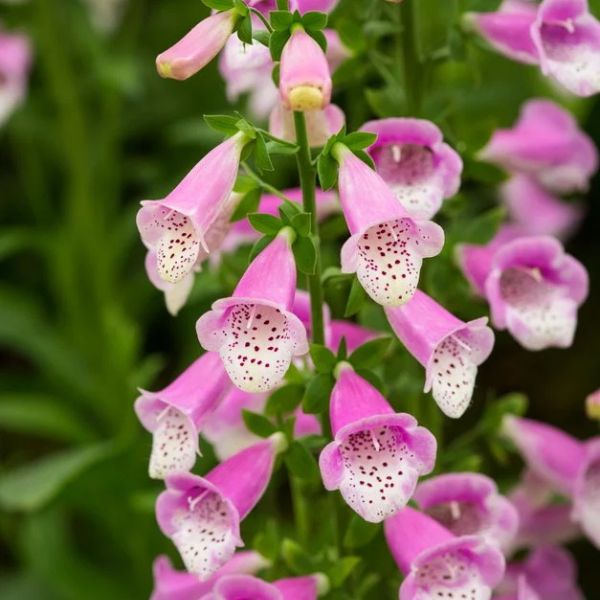
Nature Hills Nursery
Lucas Pink Foxglove
The pretty pink hue of this foxglove looks so striking against a green backdrop.
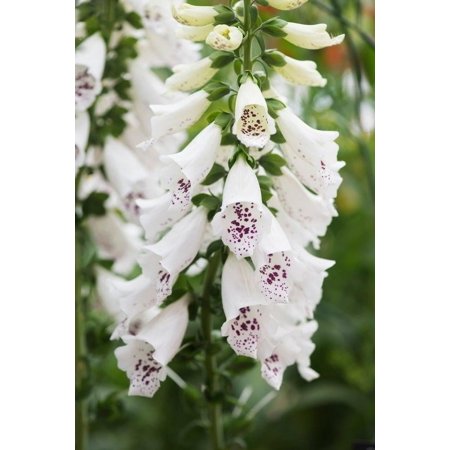
RedCrocus
Dalmatian White Foxglove
This one is great at attracting pollinators and adding a classic charm to gardens.
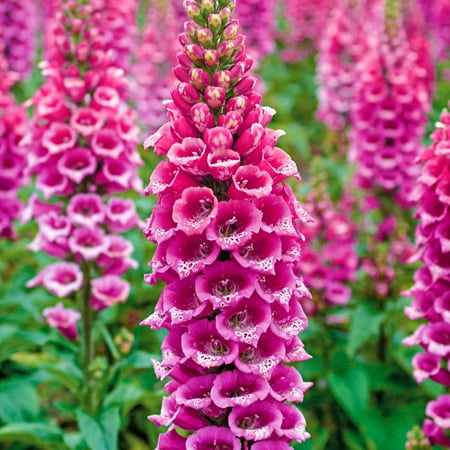
DIRECT GARDENING
Candy Mountain Foxglove
This foxglove variety is a favorite among butterflies and other pollinators, and is a true beauty.
2. Sweet William (Dianthus barbatus)
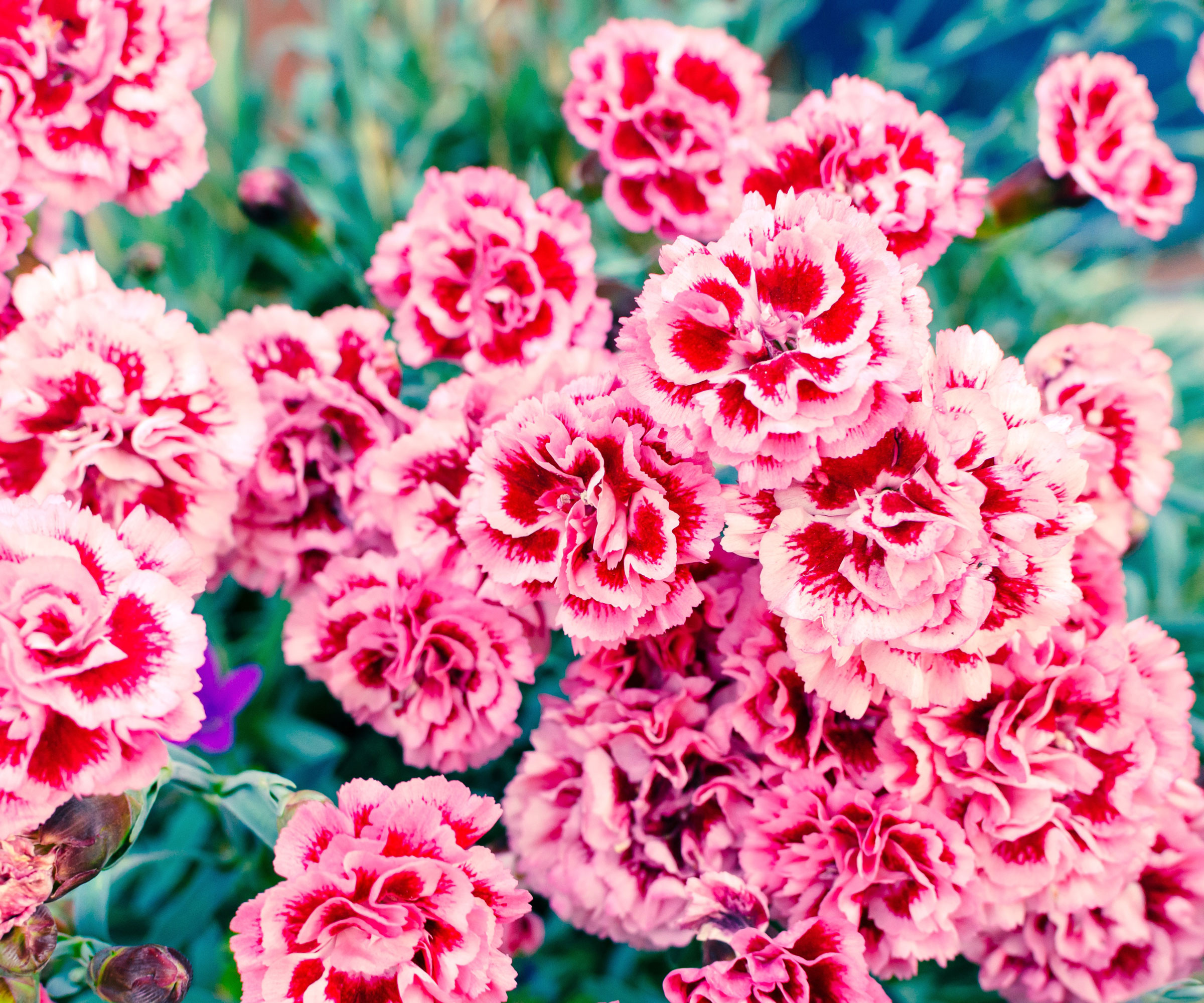
(Image credit: YasuJP / Getty Images)
Sweet William is one of those plants that feels effortlessly charming. Clusters of small, fragrant flowers appear in dense heads, often in shades of pink, red, white, and bi-colors, making it a fantastic cutting flower.
Hardy in zones 3-9, this is one of those biennials that proves reliable, easy to grow, and loved by pollinators. Try something like the Firewitch Dianthus from Nature Hills for bold color and a spicy-sweet fragrance that feels incredibly moreish once you get a whiff of it!
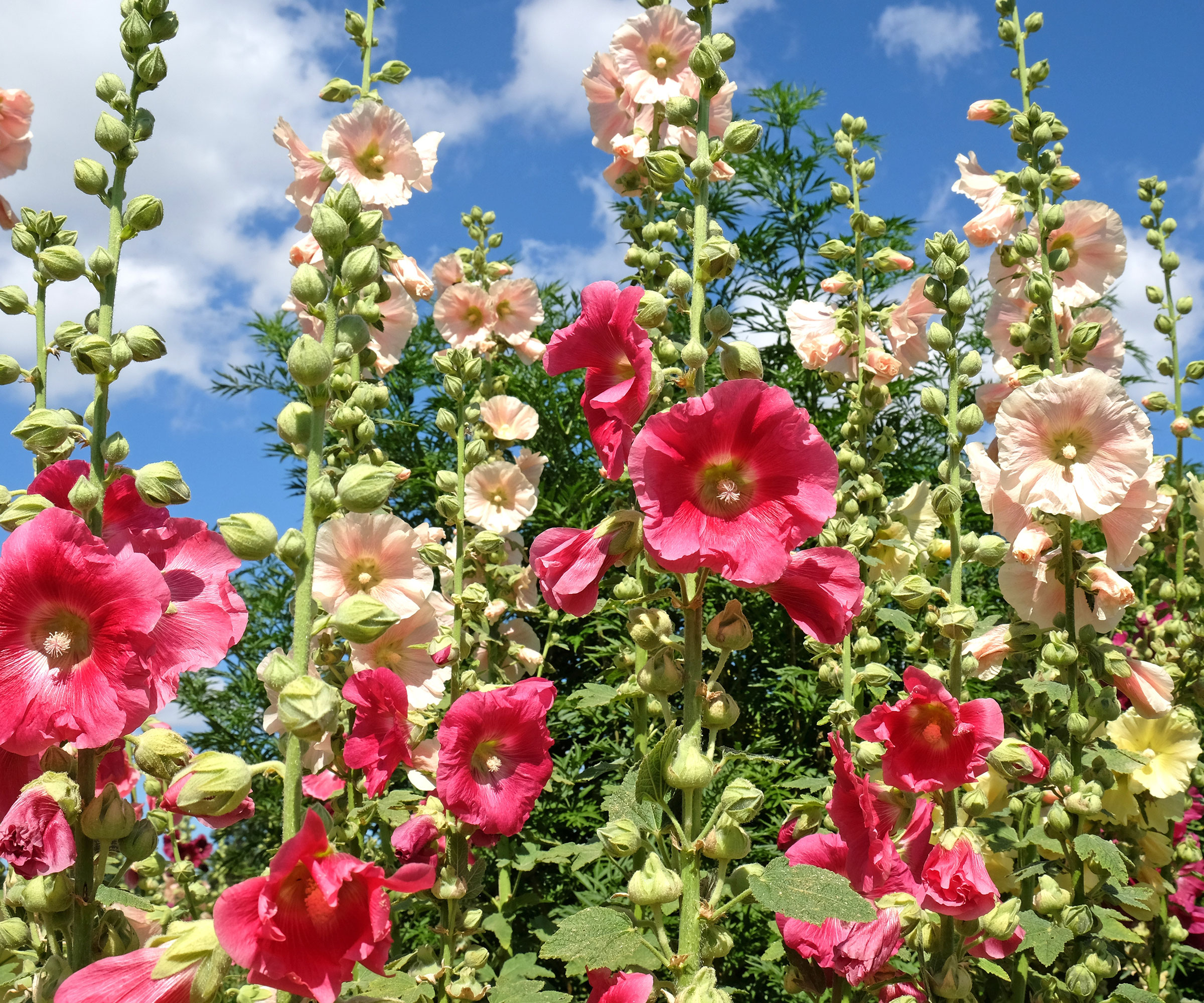
3. Hollyhock (Alcea rosea)
(Image credit: Alex Manders / Shutterstock)
Few plants deliver drama quite like hollyhocks. Those tottering stems lined with ruffled blooms can transform a plain fence or wall into a living tapestry in no time flat, and they’re particularly at home in cottage-style planting schemes, where their height adds structure and a sense of abundance.
Best suited to zones 3-8, hollyhocks are a true statement biennial. Especially if you choose something like the Country Romance Mix Hollyhock Plants from Burpee; it promises stunning rose, white, maroon, yellow and pink blooms from July until September.
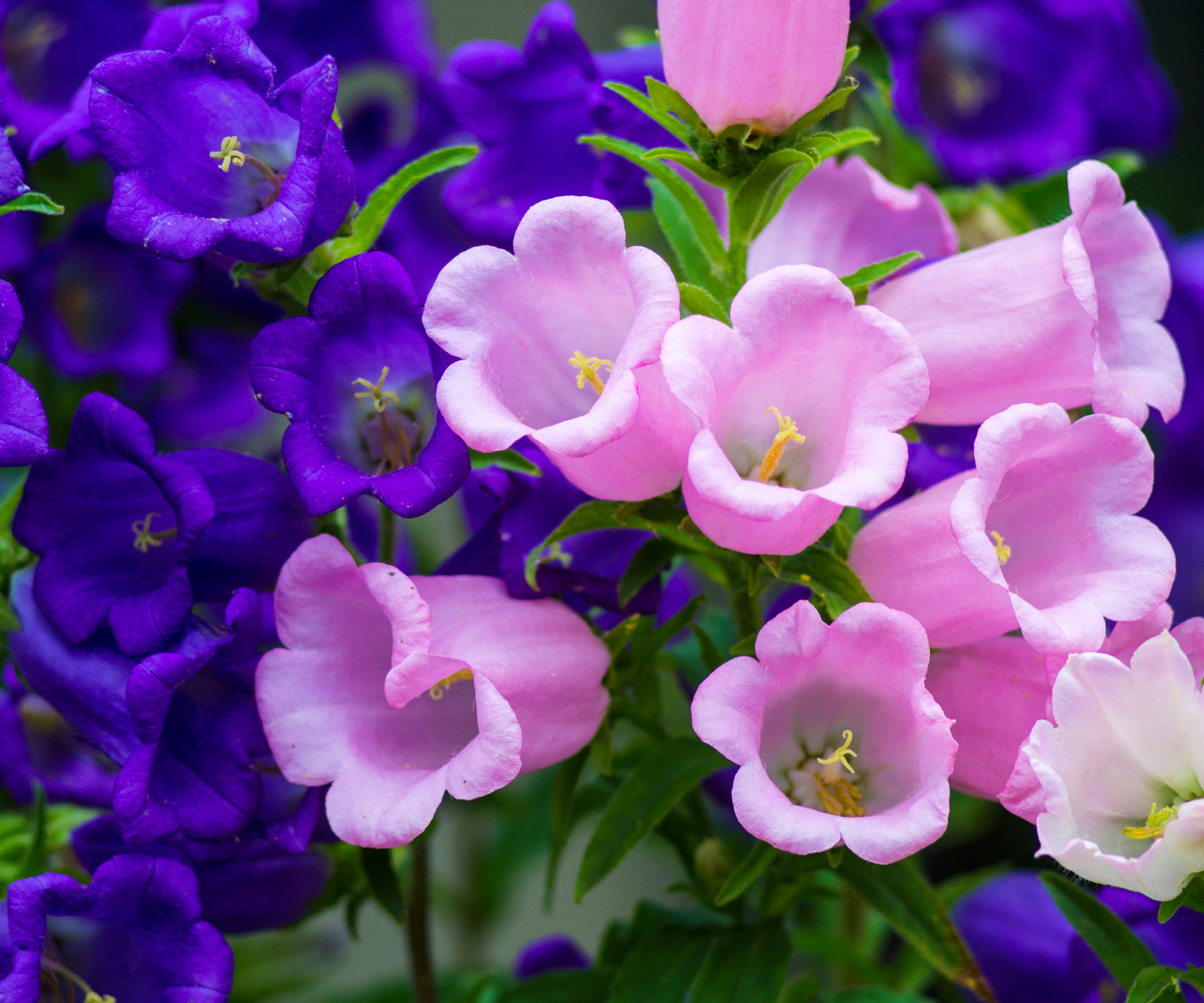
4. Canterbury Bells (Campanula medium)
(Image credit: Topaz777 / Getty Images)
Elegant and more than slightly underrated, Canterbury bells are the kind of biennials that feel as if they have been planted by a fairy; think bell-shaped flowers in soft blues, pinks, and whites.
As such, these romantic flowers work beautifully in cutting gardens, Just take care to grow them in zones 5-8 for best results, where they’ll reward you with upright stems and abundant blooms. Surely that's more than enough to tempt you into buying a pack of Canterbury Bells Flower Seeds from Walmart, right?
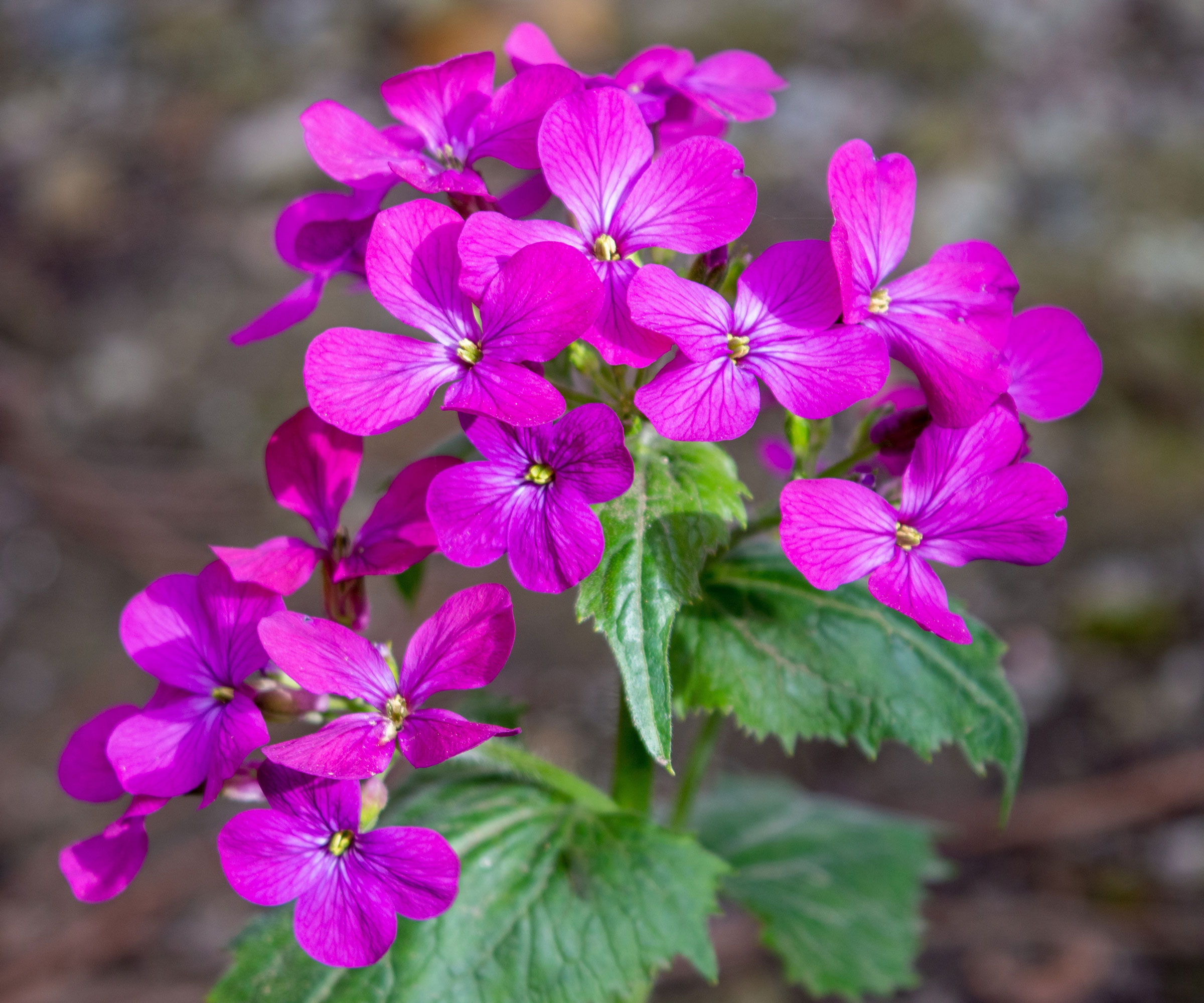
5. Honesty (Lunaria annua)
(Image credit: Emine Kamaci / Shutterstock)
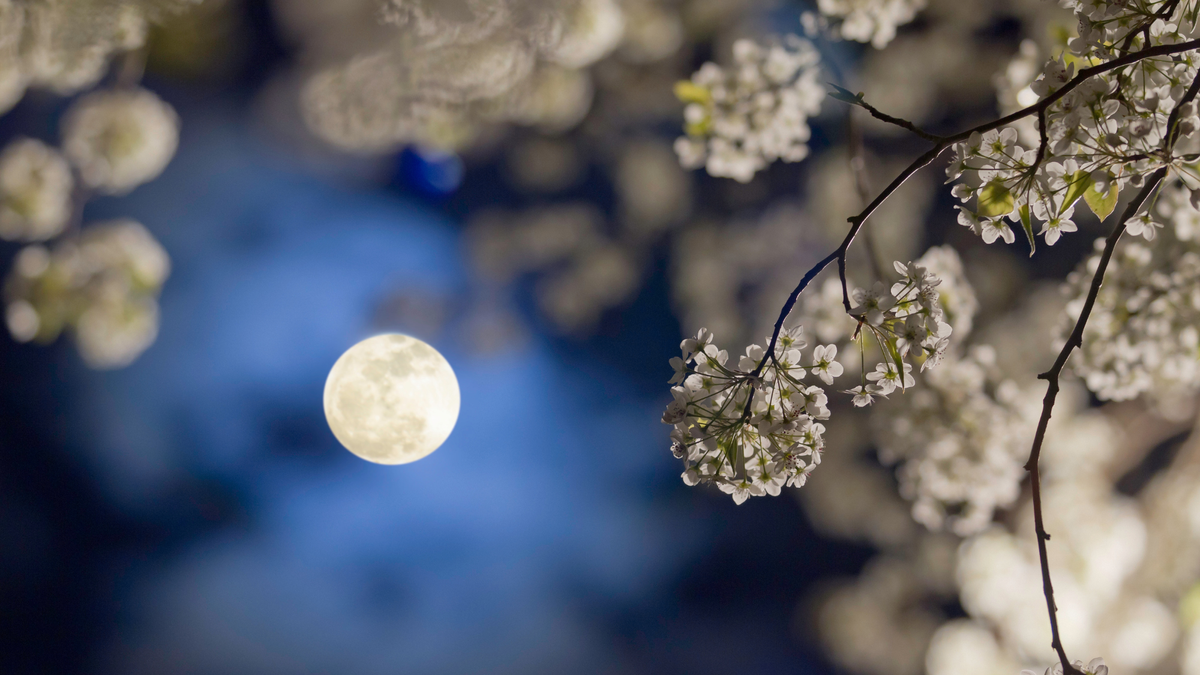
More than just a virtue, honesty also happens to be one of the most unusual biennials you can grow, although it can behave like a short-lived perennial or even an annual depending on conditions. Most gardeners sow it one year, enjoy its flowers in the second season, and then let it self-seed freely for years to come.
In spring, it produces clusters of purple or white flowers, but it’s best known for its shimmering, translucent seed pods that follow later in the season. These papery discs catch the light beautifully and are often used in dried arrangements.
Hardy in zones 4-8, it also self-seeds freely, creating natural drifts over time. Well worth the cost of some Money Plant Lunaria Seeds from Burpee, essentially.
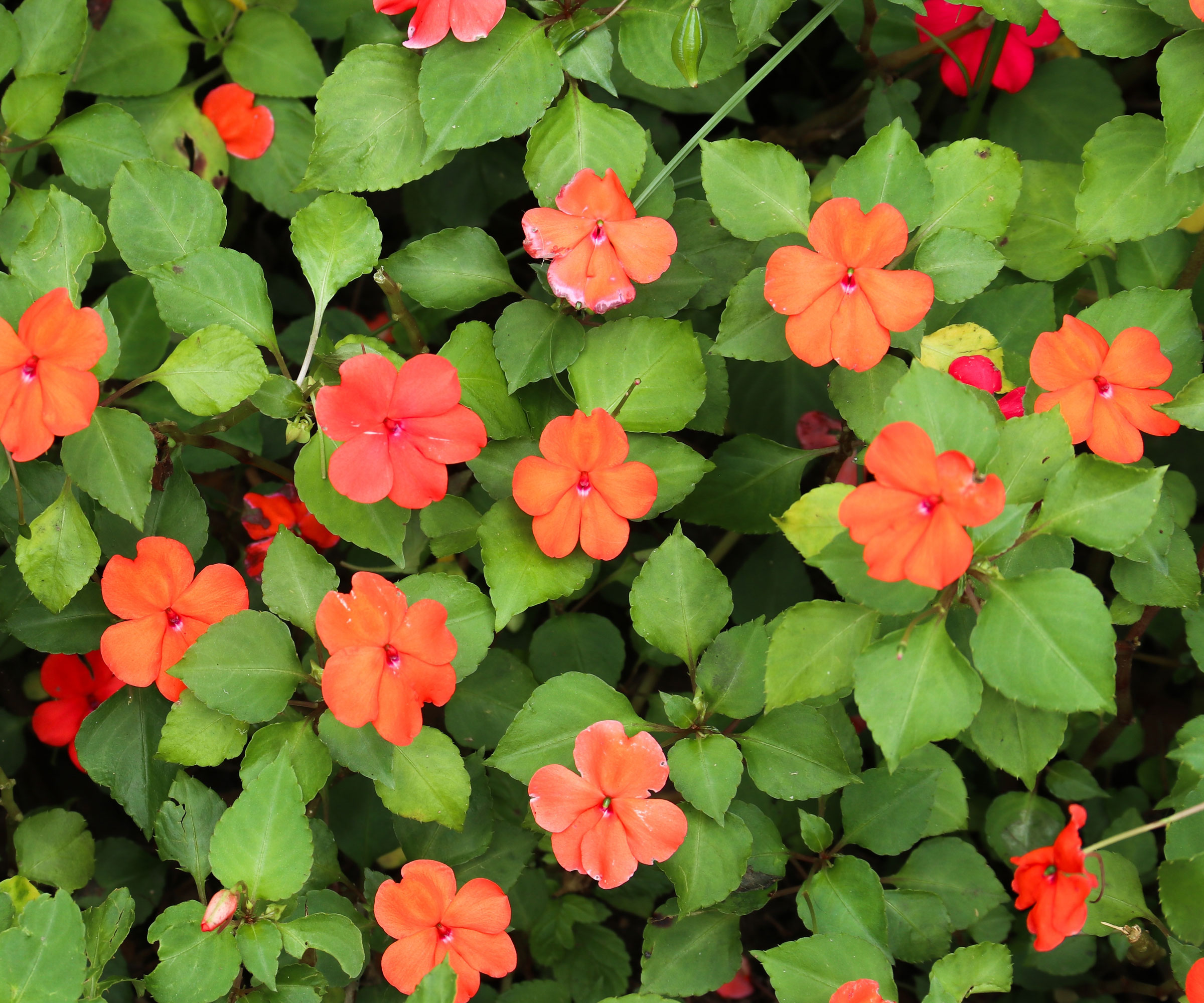
6. Wallflower (Erysimum cheiri)
(Image credit: Verra Widhi / Shutterstock)
Wallflowers might get a bad rep in Jane Austen novels (who wants to be described as a wilting wallflower when they can be the belle of the ball?), but they actually bring both color and fragrance, often blooming in warm oranges, yellows, and reds.
These pretty biennials are particularly valuable in early spring when little else is flowering, offering a welcome burst of life after winter. And, best in zones 6-9, they’re especially good for edging paths or filling gaps in sunny borders (I have a fair few in my own).
Try the Siberian Wallflower Flower Seeds from Wallmart if you want a bold orange pop.
7. Forget-Me-Not (Myosotis sylvatica)
(Image credit: Getty Images)
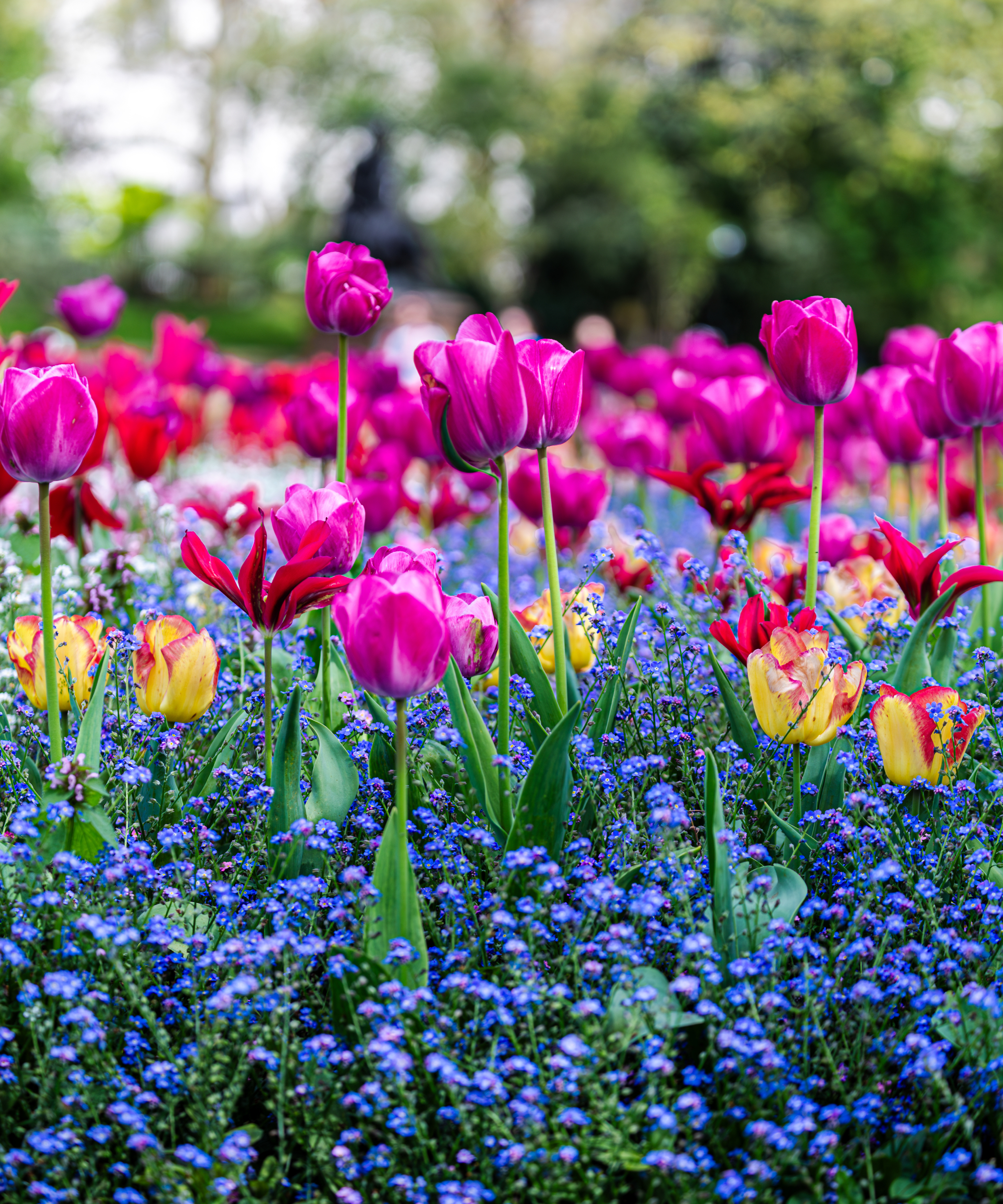
Soft, cloud-like sprays of blue flowers make forget-me-nots a garden favorite; I have a particular fondness for them, and have actually used them to fill in the space around my potted trees (the olive, in particular, looks all the lovelier for it).
They thrive in partial shade and woodland-style planting schemes, often self-seeding gently to form natural-looking drifts.
Hardy in zones 3–8, they pair beautifully with spring bulbs and tulips, as you can see above. Try the Burpee Firmament Chinese Forget-Me-Not Flower Seeds and see for yourself.
BONUS: Black-eyed Susan (Rudbeckia hirta)
Technically, technically, the black-eyed Susan is a short-lived perennial, but in many gardens it behaves much like a biennial when grown from seed. Sown in one season, it typically forms foliage the first year before producing its iconic golden blooms the following summer.
It’s one of the most familiar wildflowers in the US, often seen in meadows, prairie-style plantings, and roadside displays. That familiarity is part of its appeal — it instantly brings a sense of natural abundance and late-summer warmth to a garden.
Once established, it will often self-seed gently, weaving itself through borders in a way that feels effortless and slightly wild, which is exactly the look so many cottage-style gardens aim for.
Shop Black-Eyed Susans:
Nature Hills Nursery
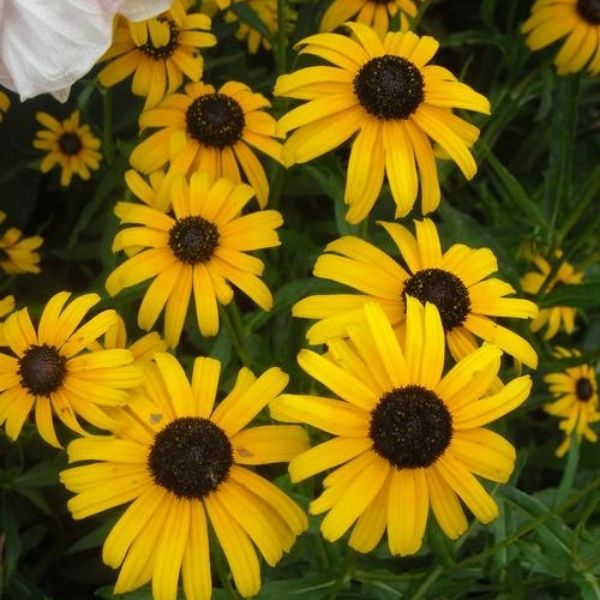
Little Suzy Black - Eyed Susan
These natural dwarfs are prolific bloomers, with showy display starts in mid-summer and lasting well into fall.
Nature Hills Nursery
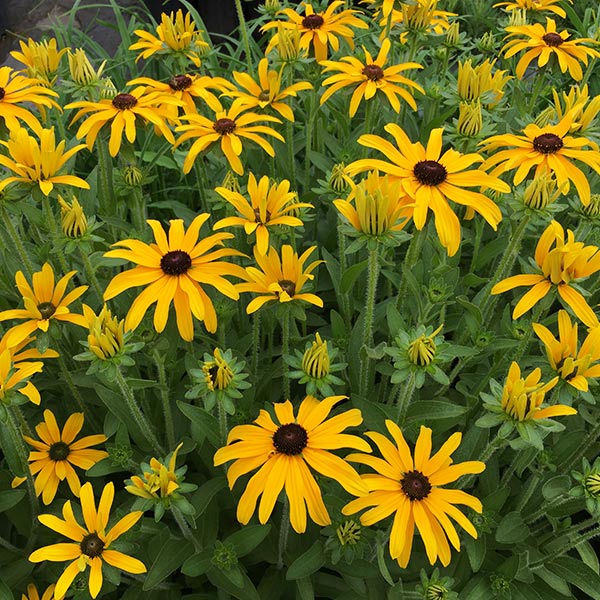
Glitters Like Gold Black - Eyed Susan
The Glitters Like Gold Black-Eyed Susan (Rudbeckia x 'Glitters Like Gold') boasts large, radiant ray-petalled blooms with raised chocolate brown centers!
Nature Hills Nursery
Prairie Glow Black - Eyed Susan
Unlike your typical Black-Eyed Susan, Prairie Glow is a showy hybrid that sports airy, branching stems and masses of smaller daisy-like flowers.
Of course, these aren’t the only biennials worth growing, and part of the fun is experimenting with what works in your own garden. If you’re looking to expand your planting list, evening primrose (Oenothera biennis) is a lovely option, especially if you like the idea of soft yellow blooms that open as the light fades. It has a slightly wild, meadow-like feel and settles beautifully into naturalistic planting schemes.
Angelica is another favorite of mine – architectural, slightly dramatic, and brilliant for adding height and structure to borders, even before it flowers. Burdock, while often overlooked as a weed, can also be surprisingly striking when allowed a place at the back of a wilder garden, with its bold leaves and distinctive globe-like seed heads.
And for something a little more delicate? Well, American bellflowers bring a softer touch, weaving gentle color and movement through planting schemes without ever feeling too formal.
In the end, I guess, biennials are as much about patience as they are about plants. The ones you sow this year are really a gift to your future garden as much as they are yourself. Get sowing, then, and rest assured you will reap the awards before you know it...












 English (US) ·
  French (CA) ·