

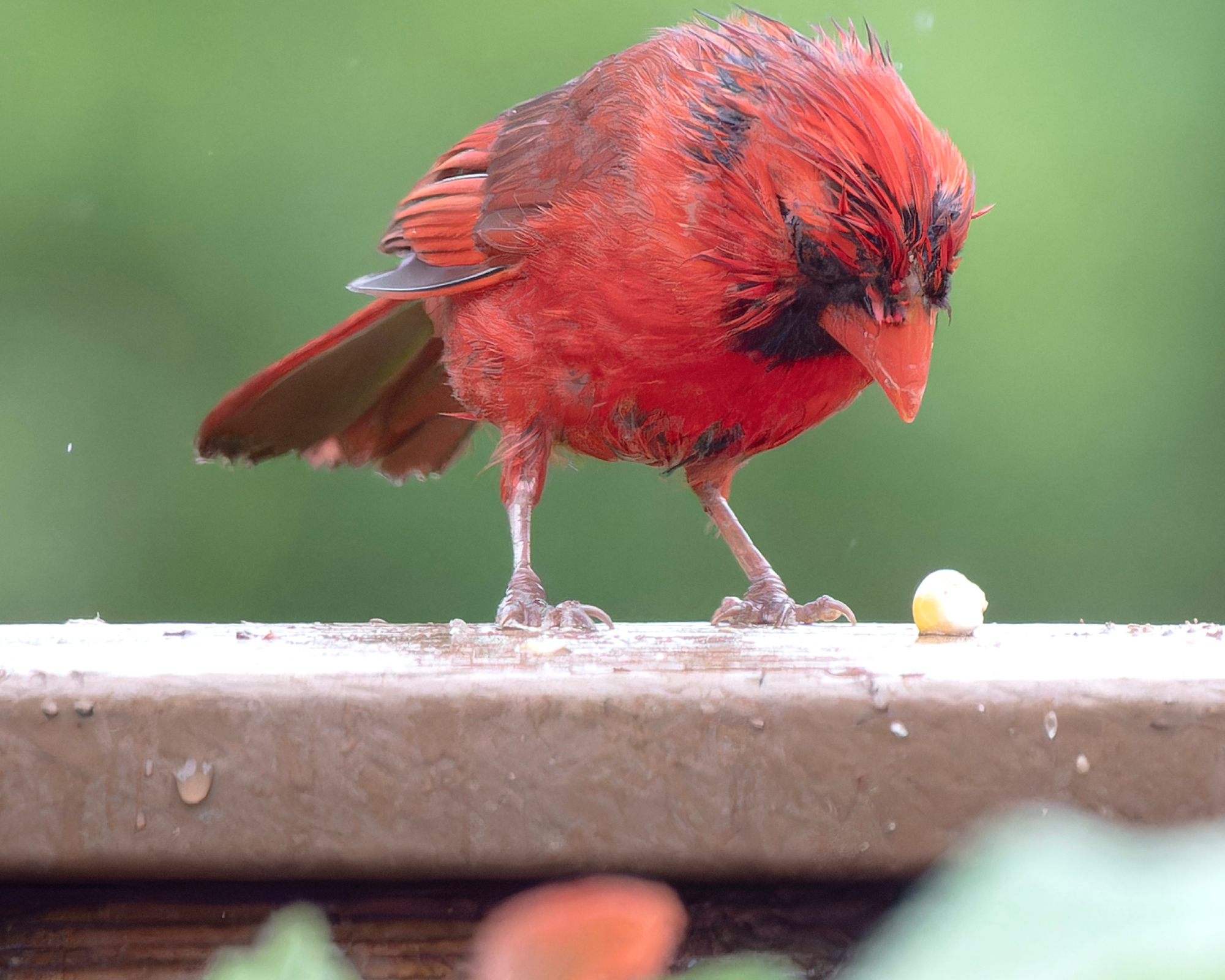
A rainy week in fall can turn a full feeder into a clump of wet, sour seed that's unsafe for birds to eat and a waste of your hard-earned money. A few simple changes to your bird feeding set-up to keep seed dry, however, keeps both your feathered friends and your bank balance a lot happier.
A backyard feeder can still look full from the kitchen window after a couple of rainy days in a row, but get closer and you'll see the seed inside has darkened and packed into a wet plug above the ports. In some cases, you can dry out the seed, but soggy birdseed costs more than the price of the bag. Damp seed quickly grows mold and fungi, some that release harmful toxins that can cause fatal infections in these beneficial garden friends. Wet grain also gives harmful bacteria an easy start and parasites a place to survive, turning a crowded feeder into a disease hotspot. Some seed decays into a mush that small birds can't safely digest, too.
So, knowing when it's safe to dry bird seed, and how to keep it from getting soaked in the first place, is an essential part of feeding birds through fall and winter.
(Image credit: Getty Images)
Can I Dry Out Wet Birdseed?
Good seed isn't cheap and you'll find plenty of bird-feeding advice online recommending spreading wet grains on a tray to dry out. That suggestion comes with a catch, however. If the birdseed got damp in a recent rainfall just after you filled the feeder an hour ago, then go ahead and dry it out so you can feed it to your garden birds. However, seed that's been sitting soaked inside a feeder or has been out in all weathers for days is likely contaminated, and there's no good evidence that drying makes contaminated seed safe again.
You see, if a bag of birdseed just got wet on the garage floor an hour ago, a gust blew rain across the scoop on the way to the feeder, or the bag sat open by the door during a drizzle, you know that seed is likely still clean. But seed in a feeder is a different story: birds have been perching on it and leaving droppings, harmful bacteria may be multiplying in the damp conditions, or parasites and pathogens may be present. So, the safer call is always to throw soggy birdseed out.
How Do I Dry Out Damp Birdseed?
(Image credit: Getty Images)
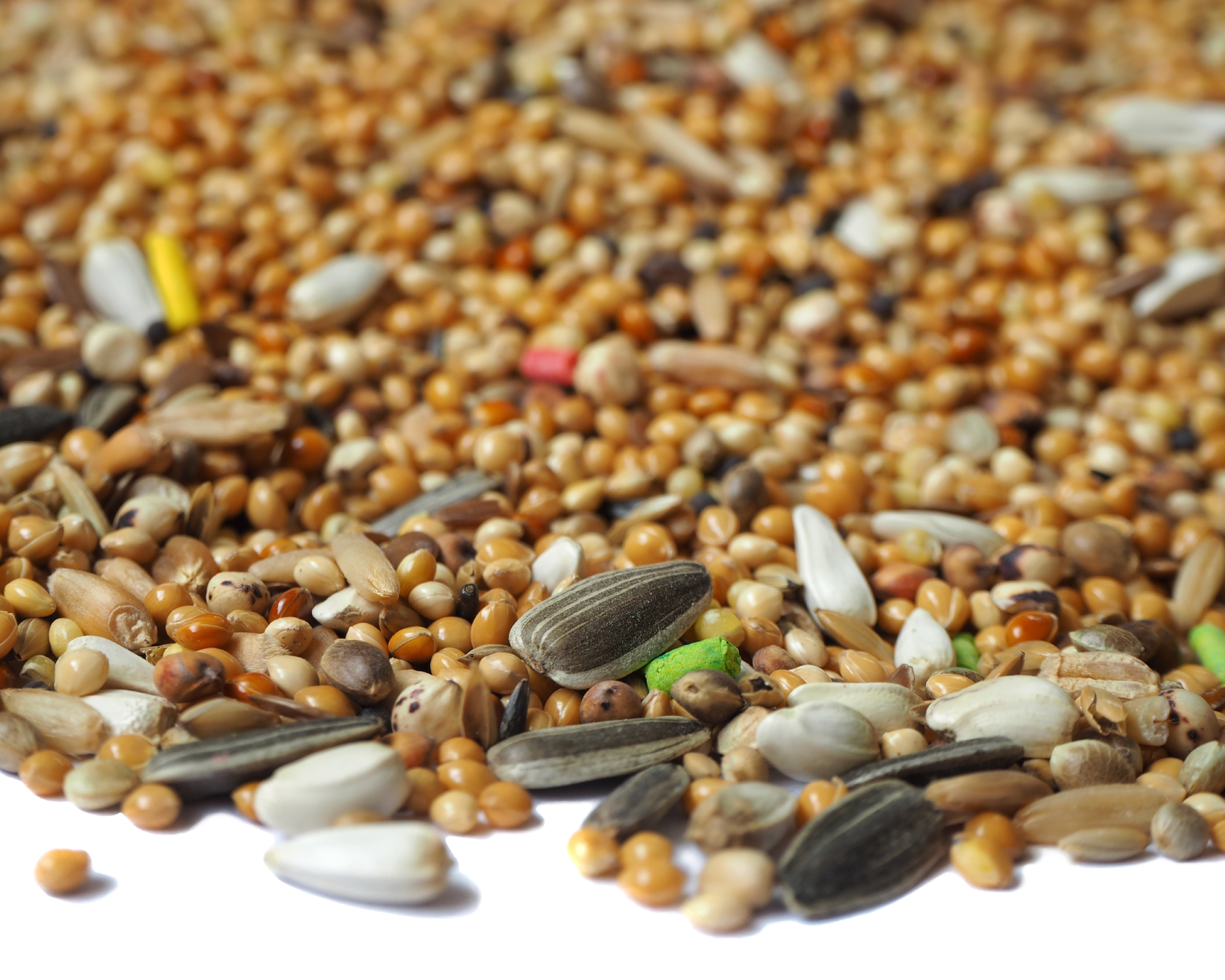
If you're confident the birdseed is clean and only recently wetted, spread it on a clean baking tray or fine mesh screen, one seed deep if you can, and leave it to dry indoors in a warm room where the air moves. A rimmed baker's pan like this from Walmart keeps seed from rolling off. Stir the seed occasionally and, once it pours loosely again, it's safe to feed. If the seed smells at all musty or shows any fuzz while it's drying, though, toss it out.
Should I Throw Wet Birdseed Away?
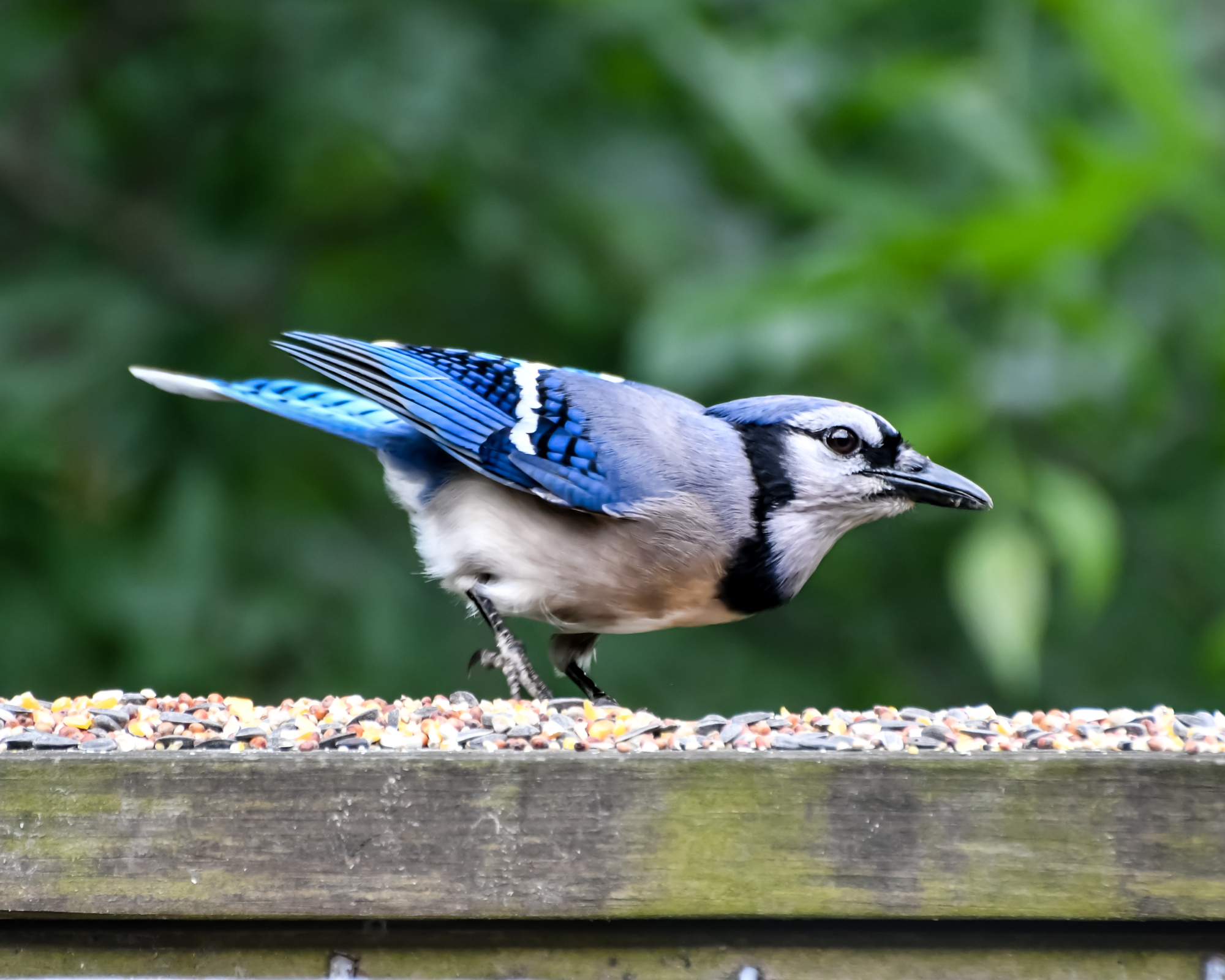
It's an easy call to throw out birdseed if it's moldy, clumped together, smells musty or sour, or looks darker or discolored compared to when it went into the feeder. But even if the seed still looks normal, it may still carry mold or bacteria which can affect bird health – fungi can grow inside a seed's shell and often there's nothing on the outside to give it away. So, if you ever find yourself wondering is wet birdseed safe, bag it up for the trash and keep your backyard birds safe.
(Image credit: Getty Images)
Do I Need to Clean a Soaked Feeder?
Bird experts recommend cleaning a bird feeder every 1-2 weeks in winter, and it's wise to clean it whenever it gets soaked through, too. It's a good idea to give your feeders a quick look after any heavy rain: if the seed doesn't shift freely when you tip the feeder to one side, it needs cleaning. The more often you clean a feeder, the quicker and easier the job becomes, especially if you use diluted white vinegar to clean bird feeders, so it needn't be a chore.
Empty out the wet seed, take the feeder apart and scrub each piece in hot, soapy water. It's easier with a long brush with straight and curved ends like this Songbird Essentials 2-in-1 feeder cleaning brush from Walmart. Clear each drainage hole with a toothpick, too. Rinse thoroughly then let every piece dry completely before refilling and hanging up the feeder. Rake up any wet seed and hulls under the feeder as well.
How to Stop Birdseed Getting Wet
(Image credit: Getty Images)
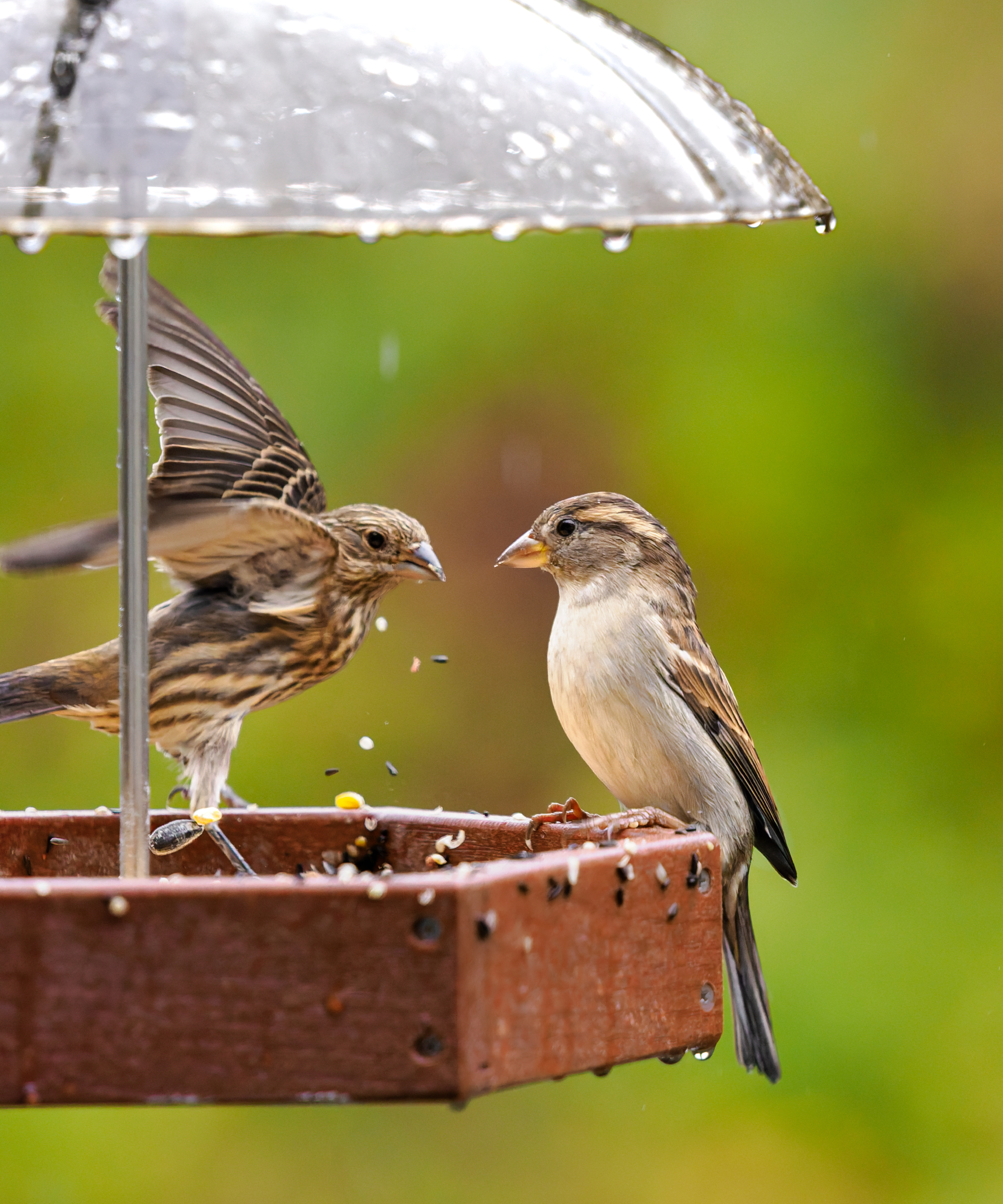
Of course, the best solution to one of the most common bird-feeding problems is to prevent the seed getting wet in the first place. Many hanging feeders come with a dome or rain guard that sits above the seed tube to keep the worst of the rain off the ports, but they're rarely big enough to provide effective protection. Adding a more robust layer of protection, like this bird feeder rain guard from Amazon that comes in either a 16-inch or 19-inch diameter design with a snap hook to clip the feeder on underneath, is far more effective and doubles as a squirrel baffle, too. For a hopper feeder, look for a design with a roof that overhangs the ports and has drainage holes in the base or, on a tray feeder, a mesh bottom that lets rainwater run straight through.
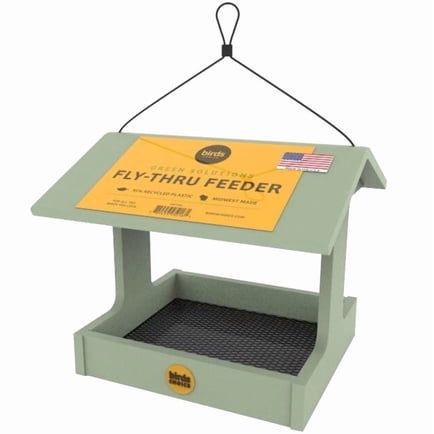
Birds Choice
Eco-Friendly Hopper Bird Feeder With Removable Roof
Keep feeders away from roof edges and gutters where runoff pours straight down, and during wet spells, only put out as much seed as birds will finish quickly. Keep birdseed dry in storage, too, by using a lidded container that mice can't chew into like Behrens Galvanized Steel Can from Home Depot.
Making sure you don't leave soggy birdseed in feeders is an important part of helping backyard birds survive winter. Just like taking steps to stop your bird bath freezing over, this is an easy job for us gardeners that's hugely beneficial for our feathered friends. There are so many ways to feed birds through fall and winter, from planting a berry-bearing shrub to feed birds through winter to saving kitchen scraps and using the lard-smear trick that makes sure smaller songbirds get their fair share of food, and it's a joy to help our garden visitors. But if you're choosing to offer a nutritious supply of grains, do make sure you're not serving up any fatal fungal spores alongside by keeping birdseed dry.












 English (US) ·
 French (CA) ·