

Landscape designers always use plants to blur the harsh, geometric lines of a garden’s structural features, whether that’s a patio or path edge, retaining wall or side of a raised bed. And not just any plants! Garden professionals purposefully choose plants with particular characteristics such as slender flower spires, ruffled foliage, creeping stems, and wiry stalks that move in the slightest breeze. Why? Because these aspects create a hazy margin between areas of hard and soft landscaping. And this merging of living and innate is a vital element of any garden design, and one of the primary factors that gives professionally designed gardens their cohesive, put-together look.
Once you know which plants to use, this blurring of boundaries is easy to achieve yourself, and will transform your garden. Blending hard and soft landscaping is a must if you want to make a small garden look bigger or pull the many parts of a large backyard together. As path or patio ideas go, it's a must. But the best bit? You will enjoy these benefits without the hassle of any more garden maintenance because all these plants are incredibly easy to look after.
It’s a fact that most folk who employ a landscape designer don’t have the time, or don't have the gardening knowledge, to do it themselves. Either way, to ensure their clients are happy long-term, as well as selecting for blending characteristics, the professionals choose plants that will survive without much care. Plants that are drought-tolerant, resilient through winter, and don’t need any more TLC than an annual snip to remove old growth. Plants that are tolerant enough to thrive in a pot as well as in the ground. Plants that perform for months on end. These plants, in fact:
1. Creeping Rosemary
(Image credit: Getty Images)
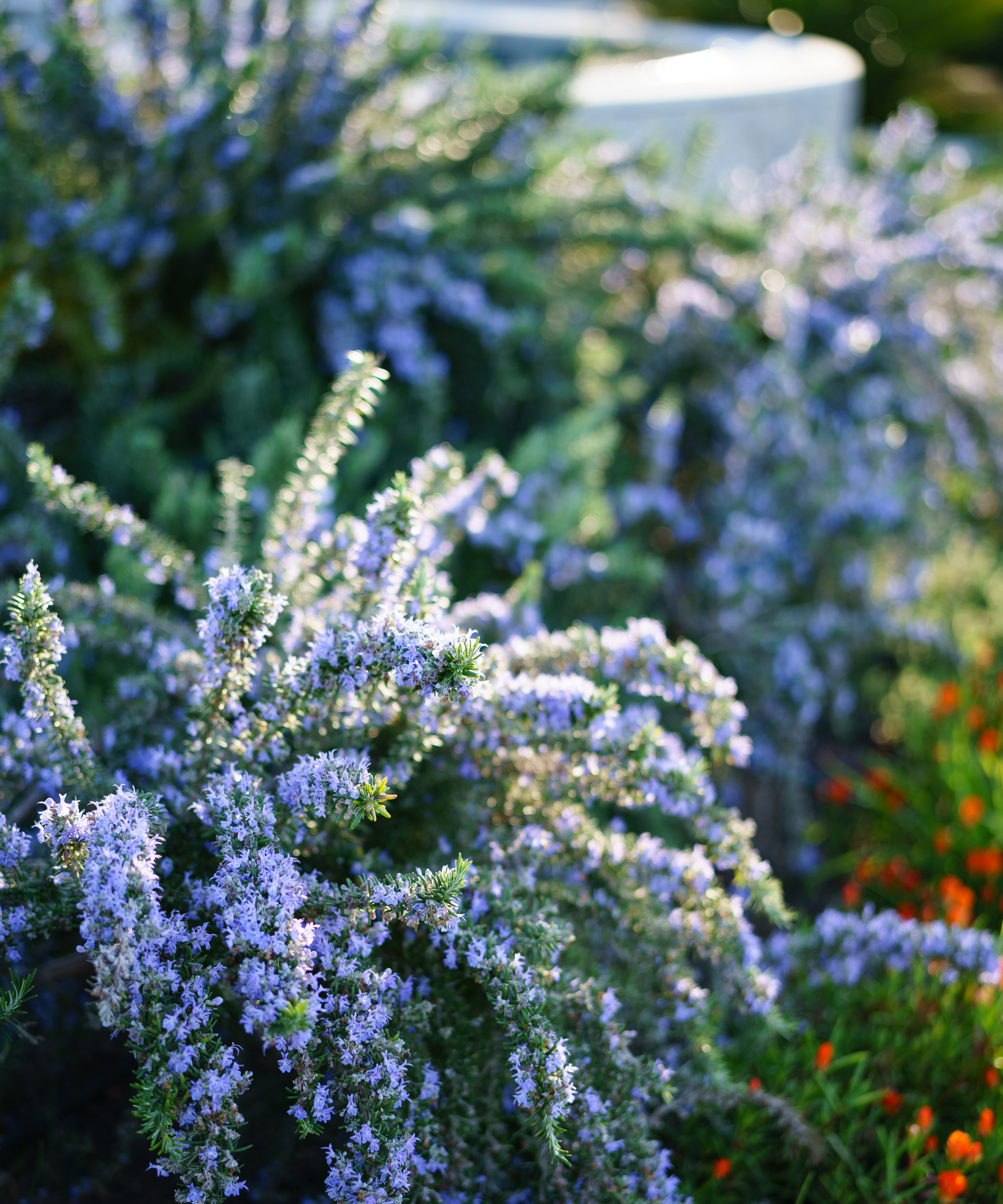
Instead of growing into an upright shrub, creeping or prostrate rosemary spreads outwards, draping its 1-2 foot-long stems of pale blue flowers and needle-like leaves over pot rims, retaining walls and raised bed edges. Because it’s native to the Mediterranean, creeping rosemary is a highly drought tolerant plant, and its silvery leaves have evolved a waxy coating and tiny hairs to protect from heat scorching. This means Salvia rosmarinus ‘Prostratus’ can cope with growing directly against hard surfaces such as paving that can get extremely hot in direct sunlight.
In zones 8-11, creeping rosemary is an evergreen perennial. Do still grow it in cooler zones but house it in a planter so it can be overwintered in a sheltered spot as it’s only reliably hardy down to 15°F.
Creeping rosemary looks fabulous en masse so is often sold in good-value multi-packs of plants,
![2x 3.5 Pots] - (click for Other Available Plants/quantities)](https://cdn.mos.cms.futurecdn.net/v2/t:0,l:21,cw:317,ch:317,q:80/2kLuKCLeBhq4A2CgWVaTVk.jpg) Value packs
Value packs
Packs of 2, 3, 5 and 10 are available from Greenwood Nursery via Amazon.
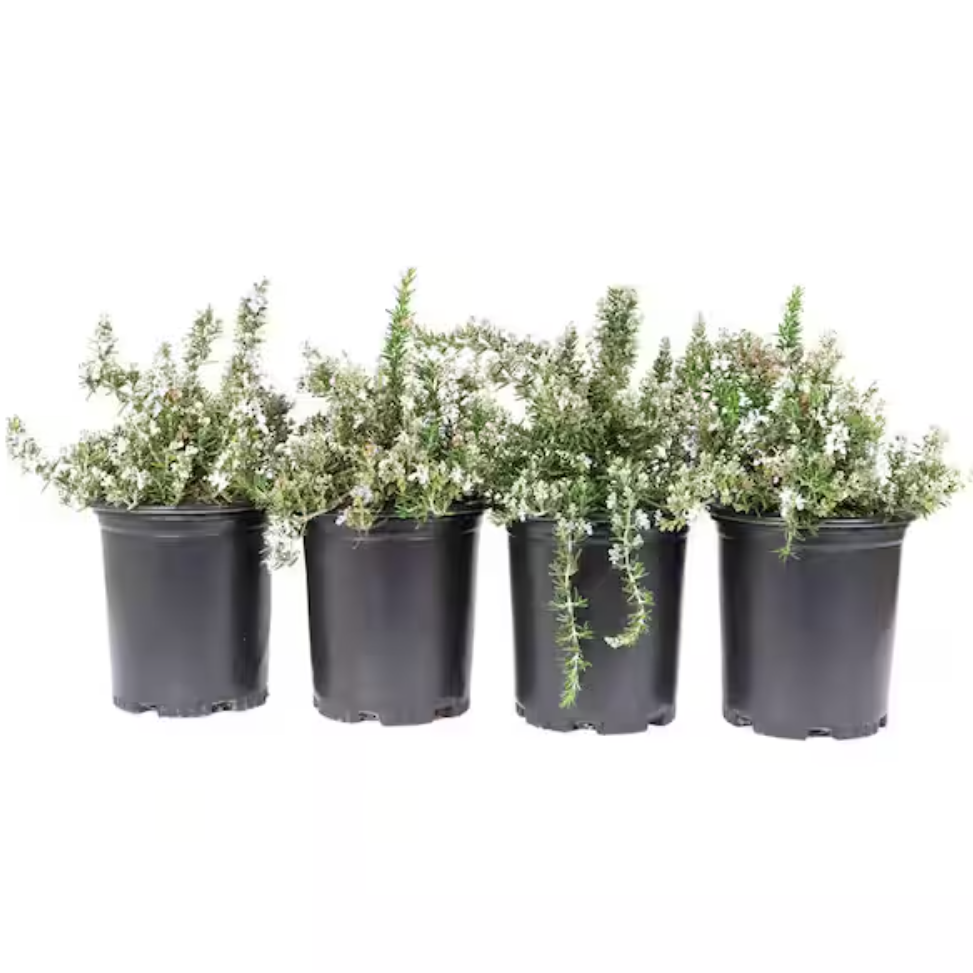 Four young plants
Four young Alder & Oak plants in #1 containers (holding 1 gallon of soil).
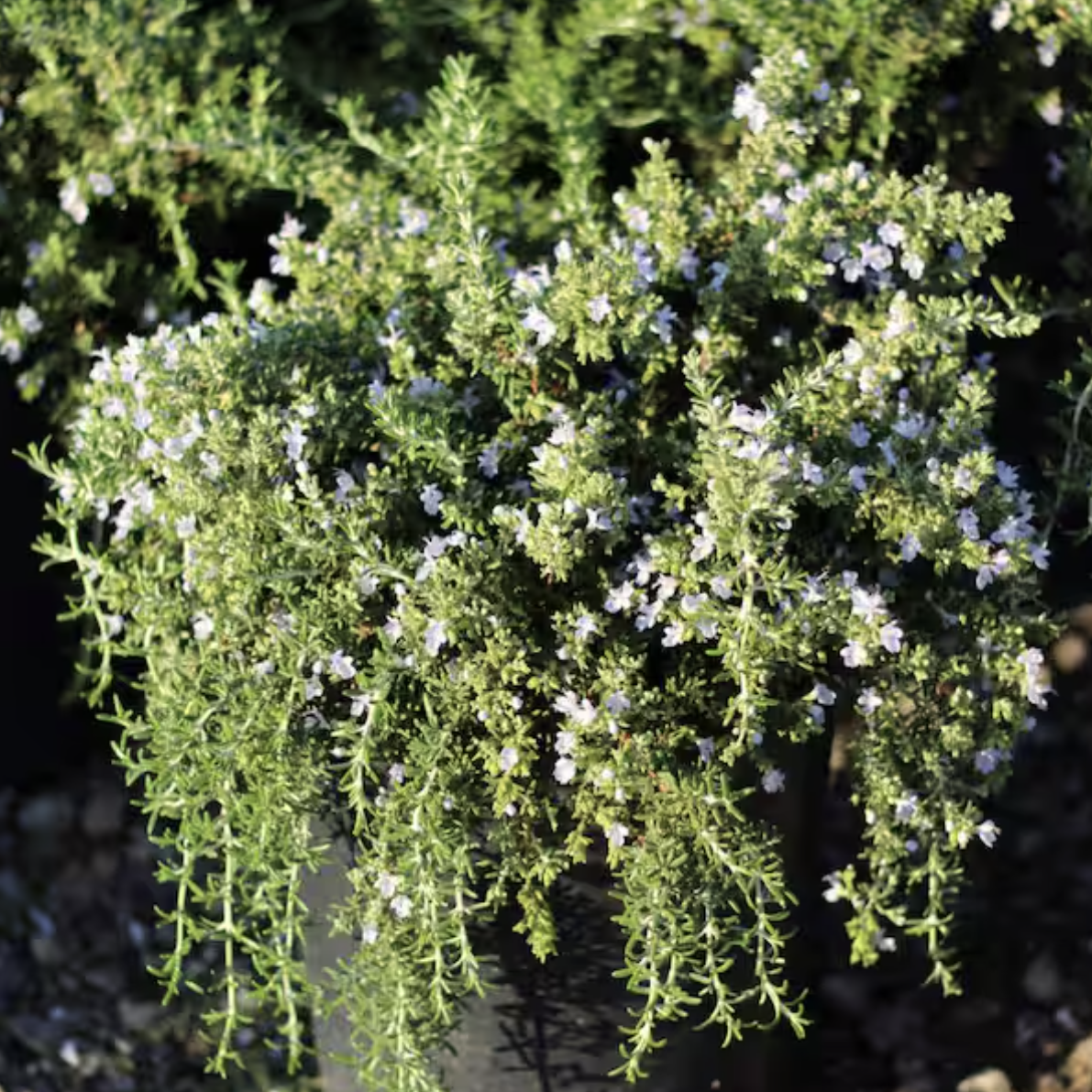 Mature plant
An established Alder & Oak plant in a #5 container (holding 3.5-5 gallons of soil).
2. Coral Bells
(Image credit: Emma Kendell)
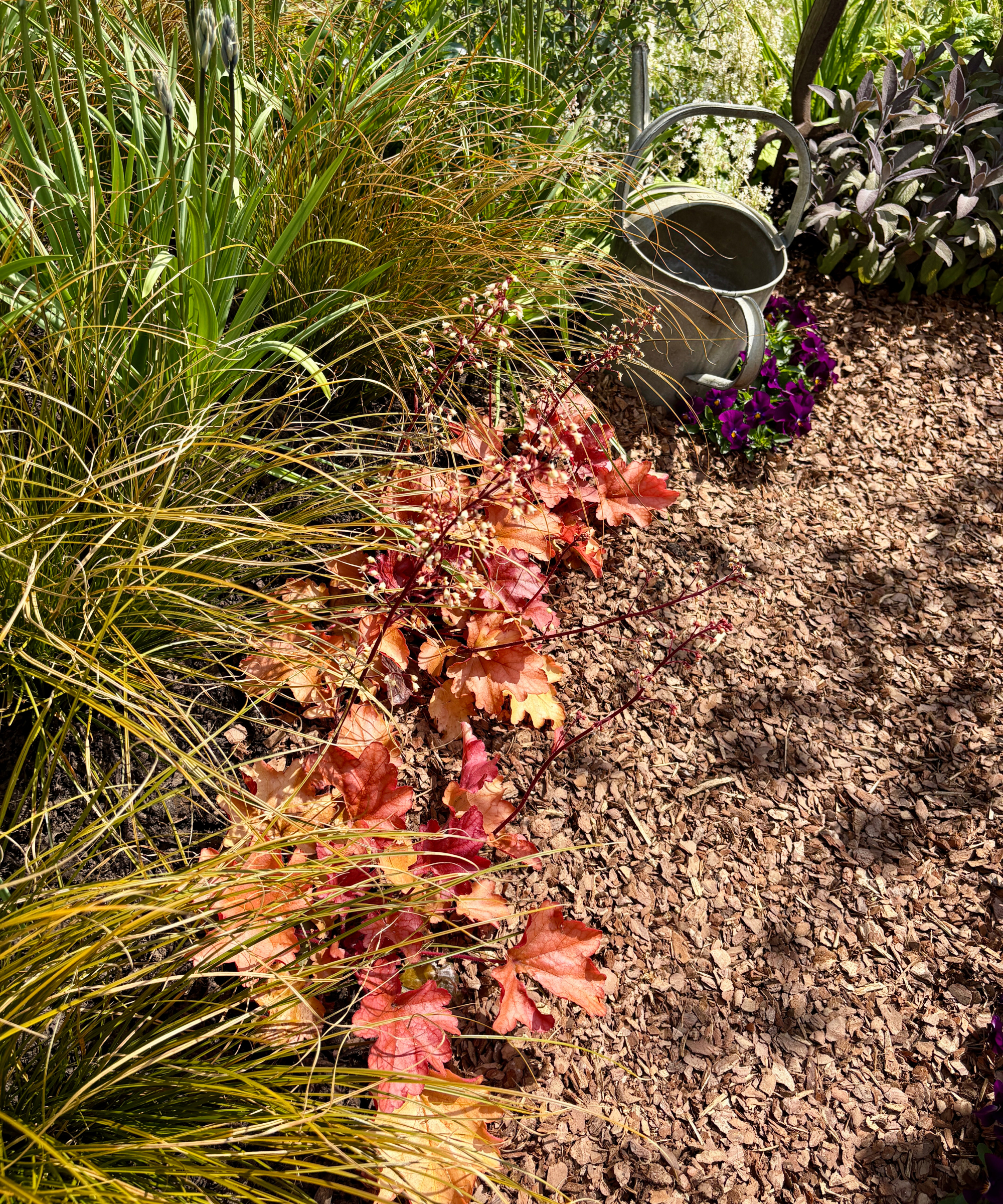
With shapely, ruffled leaves, Heuchera is a fabulous plant to use to soften the line between hard and soft landscaping. Evergreen or semi-evergreen, the foliage looks great year-round, and plants require minimal maintenance. But the best thing about coral bells is the huge assortment of colored cultivars available, from zingy greens to warm reds and dramatic deep purples. There are speckled and veined leaves of contrasting tones, too.
This means you can match the hue to your hard landscaping, perhaps choosing a caramel cultivar to reference brickwork, or a variety with almost-black foliage to go with slate pavers.
Most coral bells do best in partial shade, so suit a wide variety of garden spots, and there are varieties that have been bred to cope with full sun and deeper shade, too. They’re mostly suitable for zones 4-9 and, as heuchera typically grow to a foot or two tall, are perfect for path and paving edges. And while the leaves are the main feature, flowers bring an extra bonus in summer.
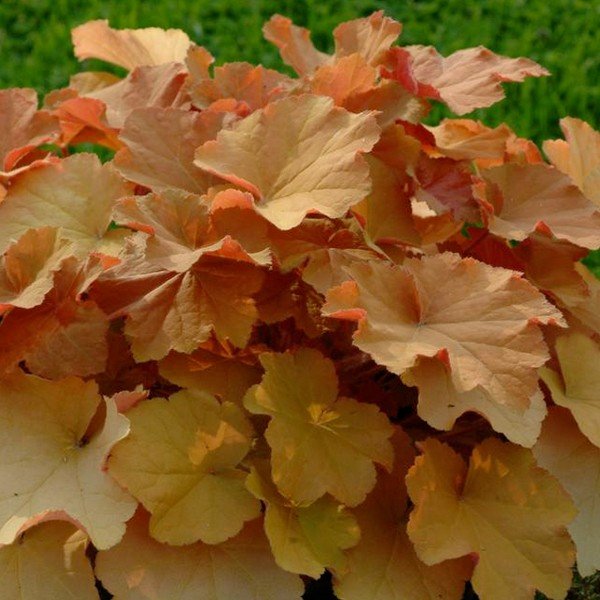 Best for sun
Reaching a foot high and wide, this cultivar has bronze foliage with burnt sugar highlights, and white flowers.
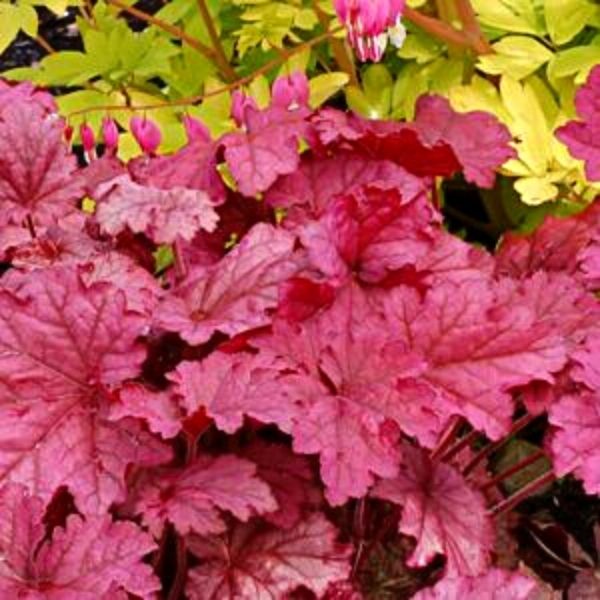 Best for partial shade
Berry Smoothie Coral Bells
Growing 1-3 feet tall and a foot wide, the rose-pink foliage holds its color all summer, when it’s joined by pink blooms.
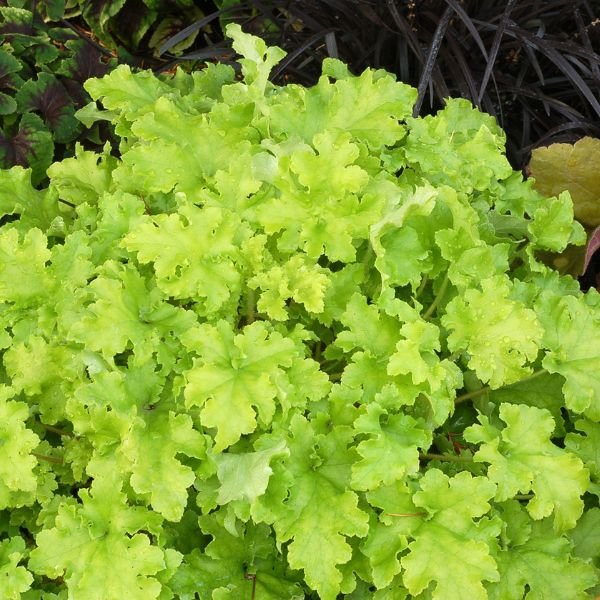 Best for Shade
Lime Marmalade Coral Bells
These zesty green leaves that grow into a 1-2 foot mound will light up a shady area, aided by white blooms in summer.
3. Catmint
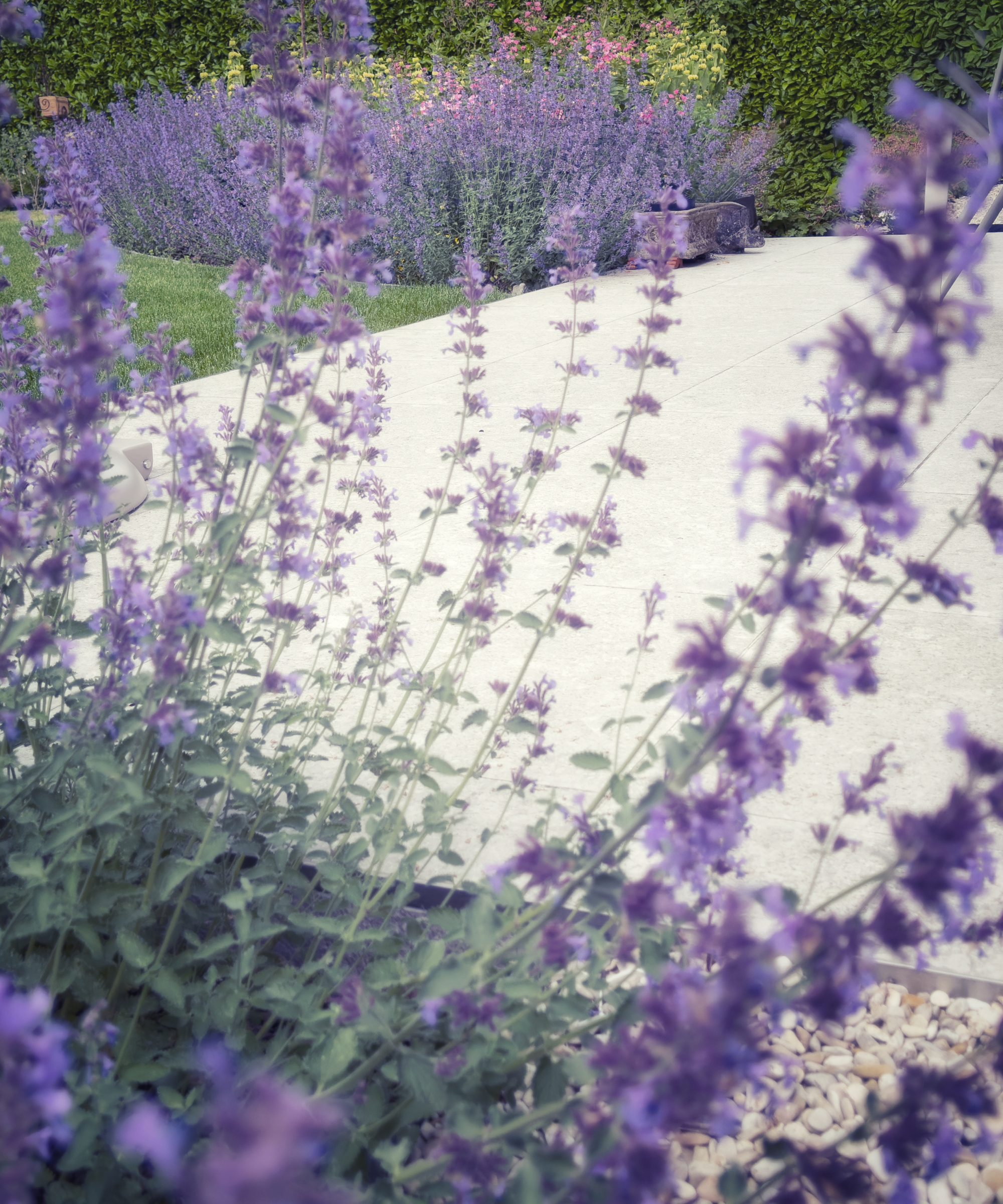
(Image credit: Getty Images)
If you haven’t grown Nepeta for a fair few years, it’s time to take a fresh look at this low-maintenance lovely. Catmint earned itself a reputation for being an untidy plant with a tendency for stems to splay outwards and to self-seed rather too enthusiastically. But modern hybrids have been bred to form more compact mounds with stems that don’t collapse, while retaining catmint's unfussy, cold- and heat-tolerant nature. All our recommendations produce sterile seeds, too, so they can’t self-seed and will stay exactly where you put them.
A zero-hassle plant that softens any path or patio edge, catmint brings soothing color and plenty of pollinators to your garden. And while cats adore its scent, it repels deer and rabbits.
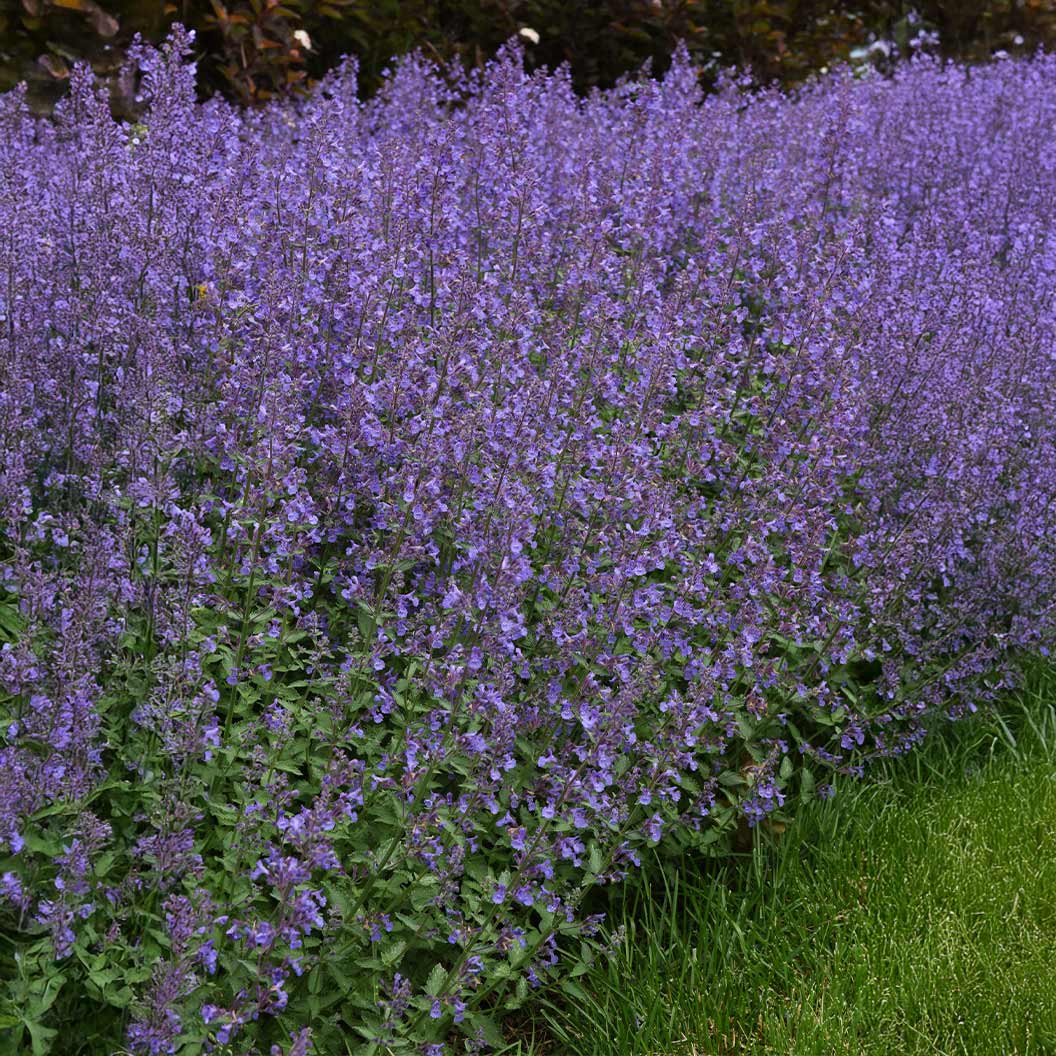 Best Edging Paths
Better Versions Junior Walker Nepeta
This long-flowering compact cultivar grows to 1-2 feet high and spreads 2-3 feet wide, and does well in zones 4-8.
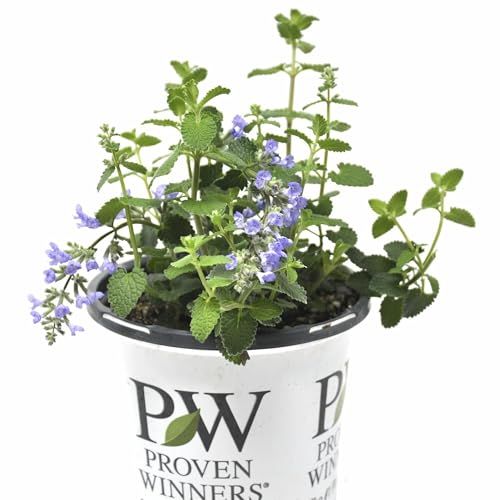 best for color
Proven Winners Cat’s Pajamas Nepeta
Straddling the line between blue and purple, this compact foot-high cultivar keeps its color all summer in zones 3-8.
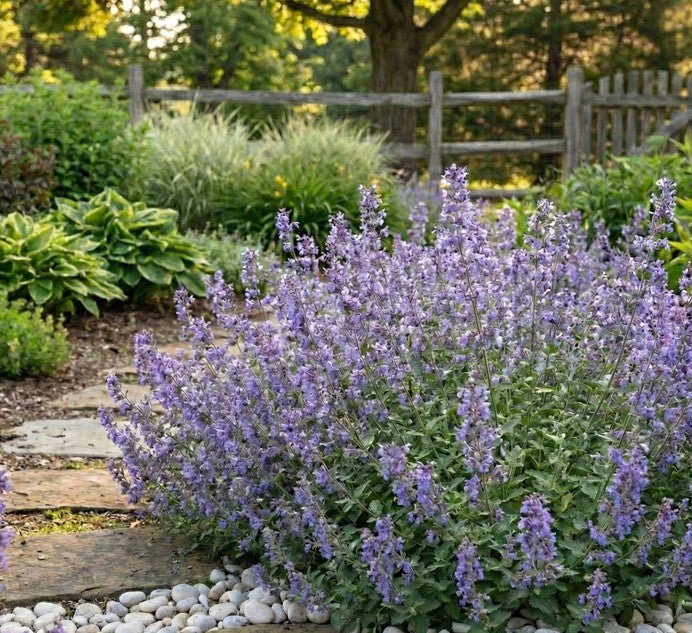 Best with light paving
Nature Hills Nursery Serene Lilac Catmint
This cultivar has a softer lilac hue that works brilliantly light-toned hard landscaping; 1-2 feet high, zones 3-8.
4. Muhly Grass
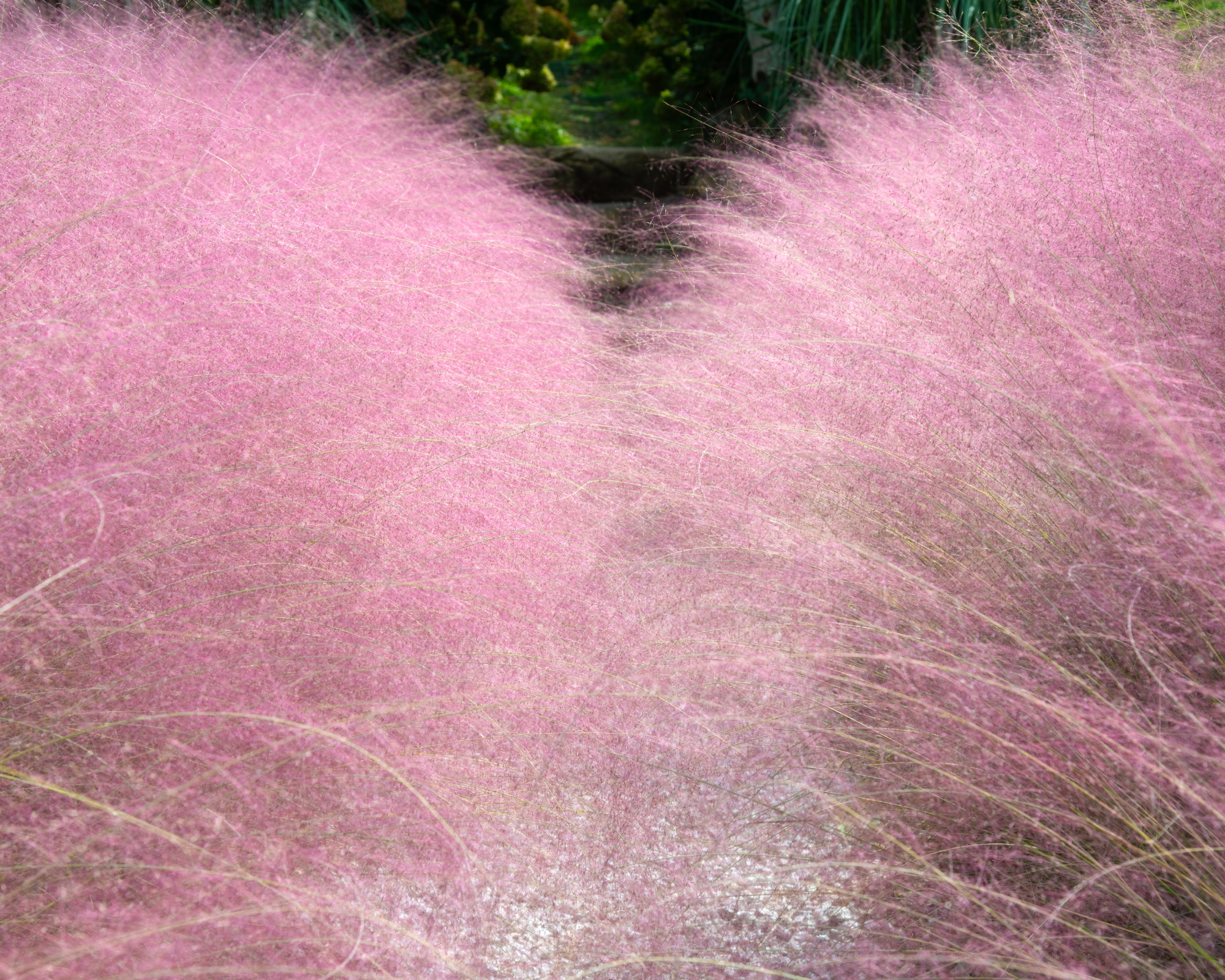
(Image credit: Getty Images)
Also known as hairgrass, Muhlenbergia capillaris will have all your neighbors green with envy. What’s fabulous about this ornamental grass is that the leaves are only around a foot long, and naturally grow into a neat mound. Then in late summer or early fall, those tidy clumps explode with 3-4 feet-long stems clothed in spikelets, creating a pink haze that lasts all through fall into winter.
Unusually for a grass, pink muhly grass grows well in partial shade as well as full sun: as long as it gets at least four hours of sunshine a day, it’s happy.
This is a fast-growing grass so it establishes quickly, and it’s feasible to plant en masse using cheaper, younger plug plants to make your money go further, too, if you have the patience. Pink muhly grass is typically evergreen in zones 6-9, though a hard freeze can cause temporary dormancy.
As well as the pink variety, look out for the less well-known ‘White Cloud’ which, as its name suggests, isn’t pink! It grows to the same height but tends to flower a little later in fall and creates slightly narrower clumps.
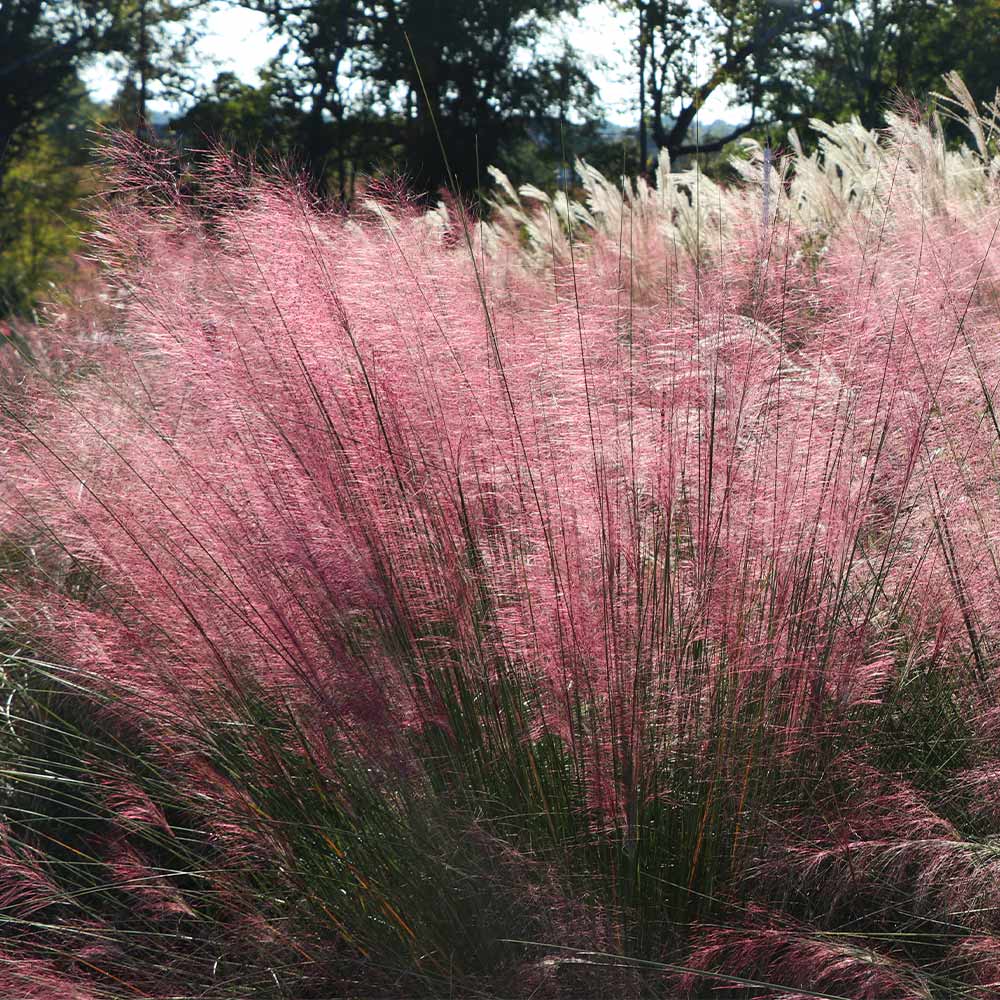 Instant impact
This mature plant in a 3-gallon pot will quickly make itself at home and produce a gloriously pink display.
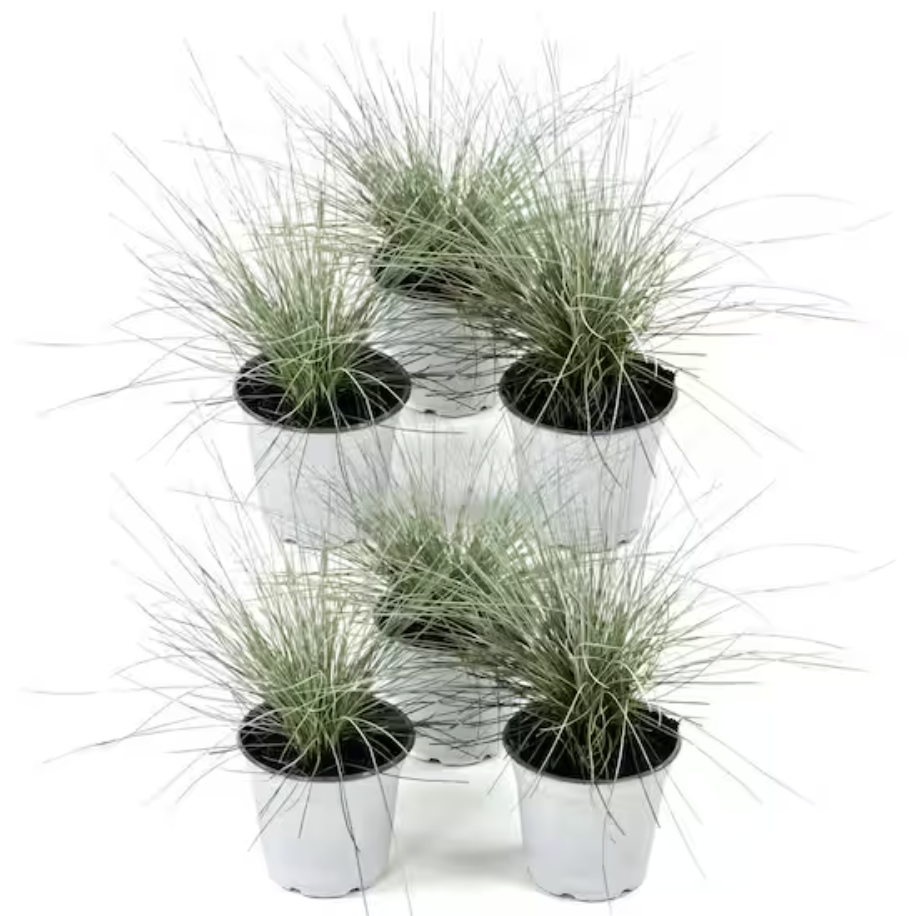 Cost effective
If you’re patient and planting plenty, save money with a six-pack of young plants (3-, 12- and 24-packs also available)
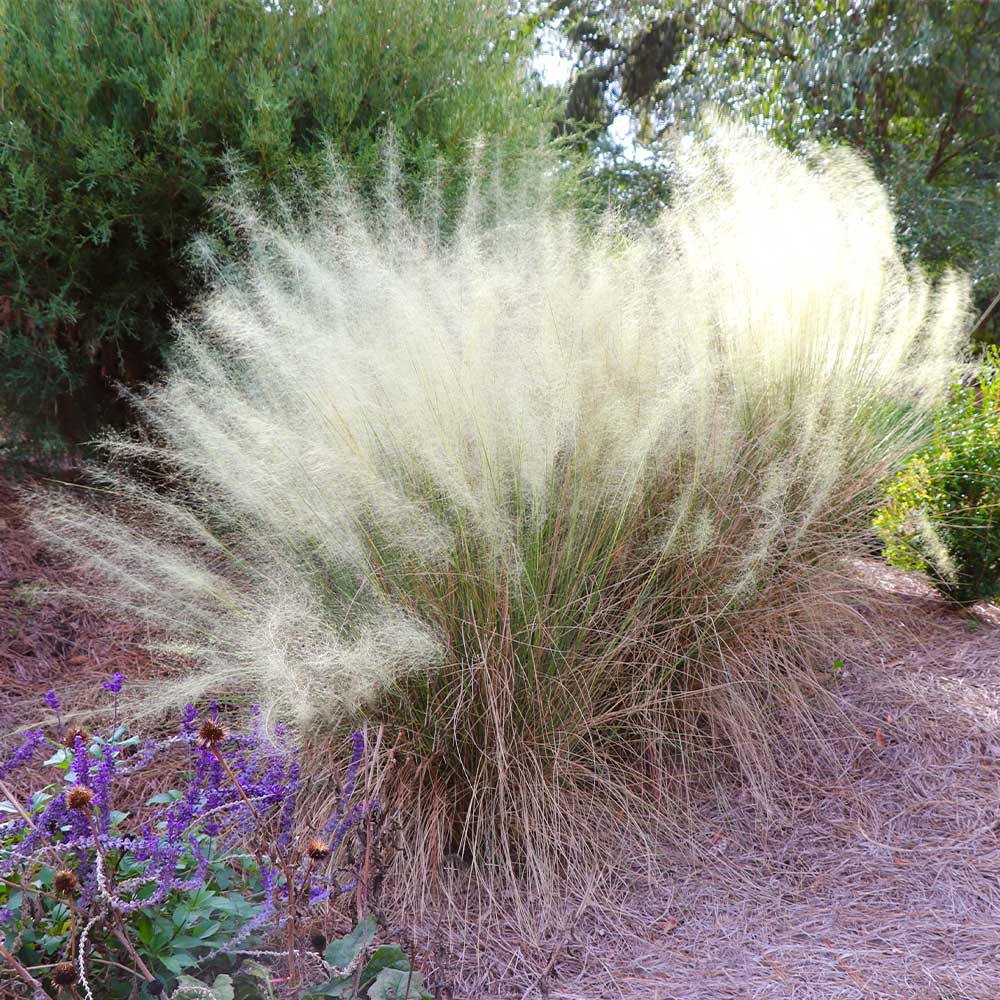 Unusual cultivar
If pink isn’t your thing, then ‘White Cloud’ brings the same awesome airy haze without the color.
5. Lavender
(Image credit: Getty Images)
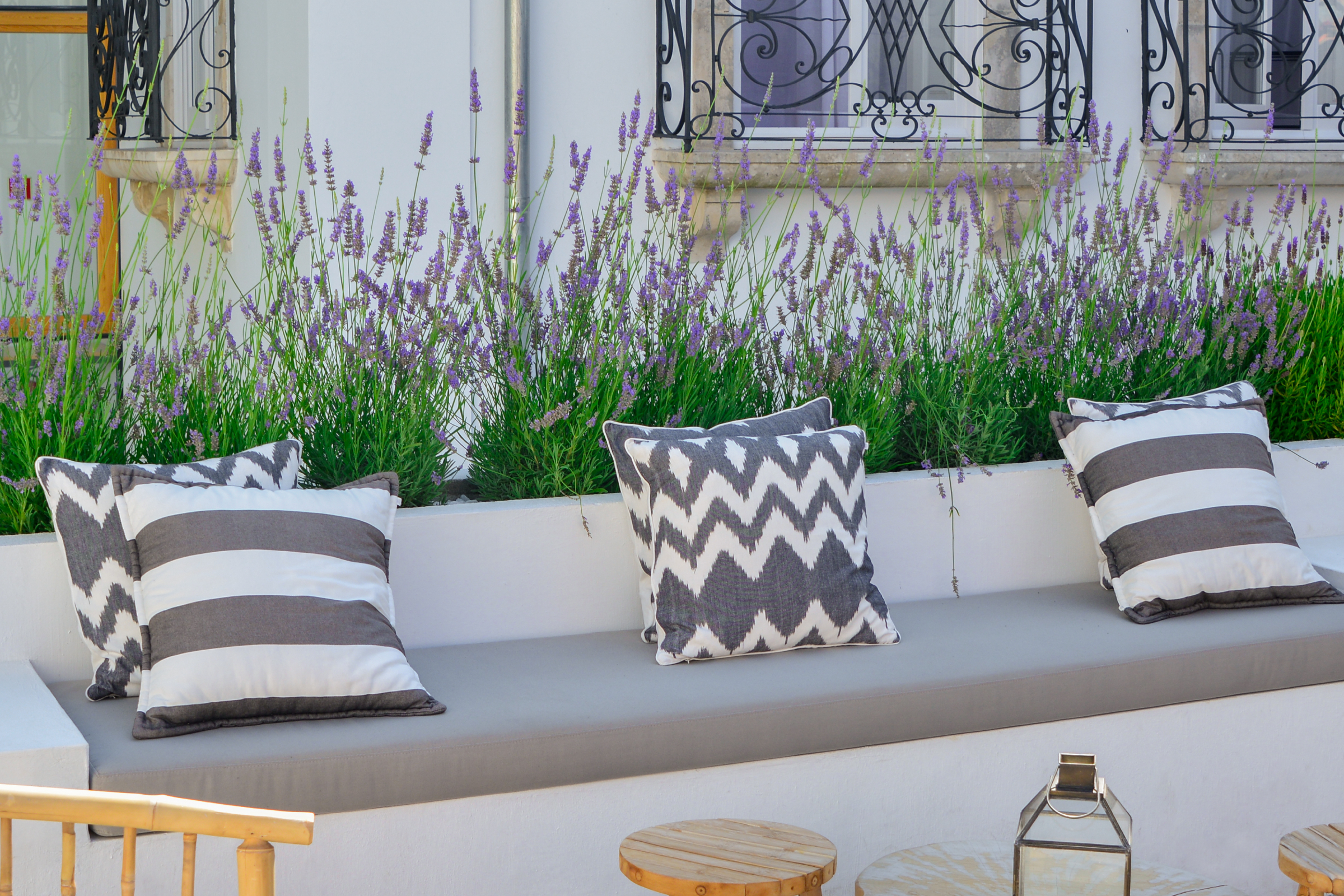
Lavender has a lovely habit of moulding to whatever spot it’s grown in, its stems gently spilling but never needing staking. Plant it in a corner of a raised bed and lavender will slowly mound over the sharp angles. Put it alongside a path and flower stems will lean over it but not fall. In a pot, the plant will billow into a cloud of scented blooms.
This is a super choice for a seating area or path because of its pleasant perfume. Give lavender a gravel mulch to get more flowers and stronger scent, and plenty of sun.
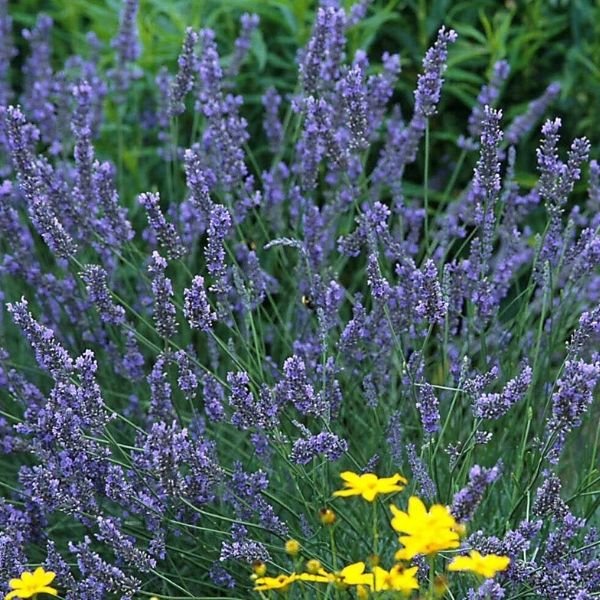 Best for pollinators
This commercial-grade lavender flowers particularly abundantly, is loved by bees and grows to 2-3 feet in zones 5-8.
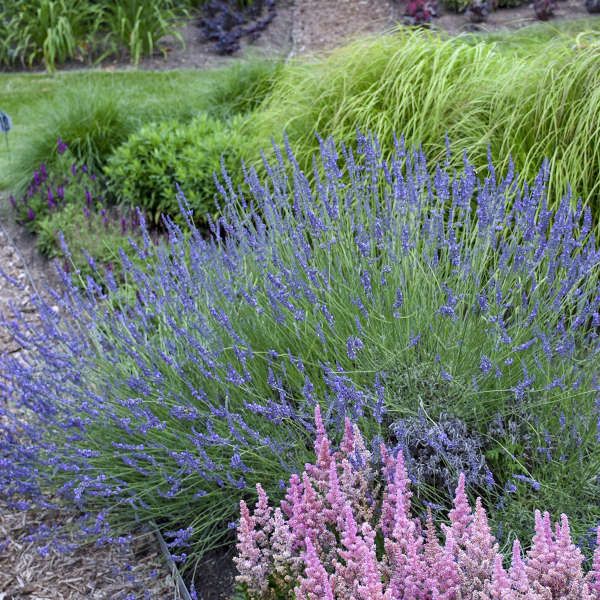 Best for endless flowers
Growing to 2-3 feet high in zones 5-9, this hybrid has large flowers and a long blooming period to the first frost.
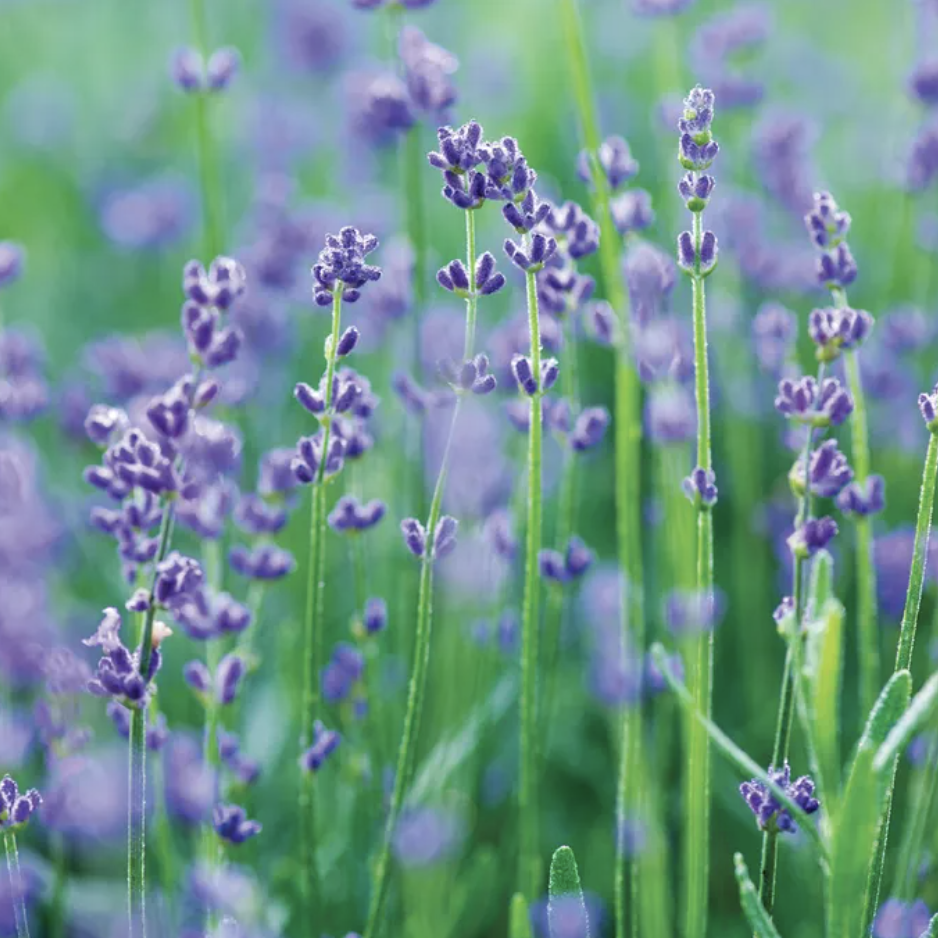 Best for fragrance
This English lavender has the classic lavender scent, and plenty of it, and grows to 12-18 inches high in zones 5–9.
6. Sea Thrift
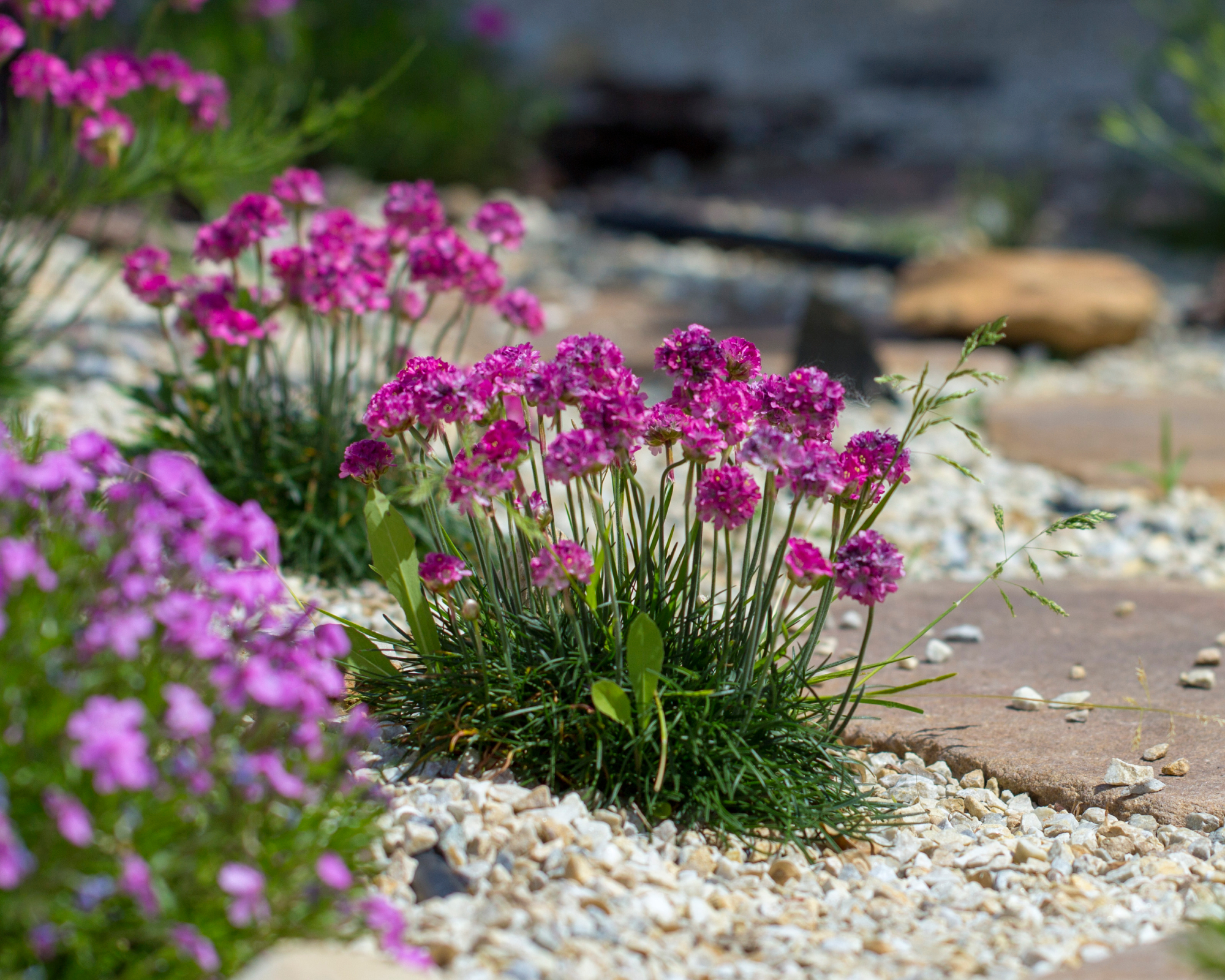
(Image credit: Getty Images)
Not all boundary-blurring plants have to be big, as this little poppet proves. Armeria maritima is an evergreen perennial that only grows to a foot-or-so high and wide, but its clump-forming mound of dark green, needle-like leaves and pretty pompom flowers are so useful for breaking up big areas of hard landscaping. As its name suggests, sea thrift has evolved to grow in coastal environments and can often be found on cliff ledges, so it’s highly tolerant and will flourish pretty much anywhere as long as it enjoys some sunshine.
Landscape designers love to pop a few sea thrifts in place of a paver in a patio or a couple of cobblestones in a path, or use it as punctuation in a sweep of gravel. And don't worry, this robust, resilient plant can withstand the baking heat of being surrounded by hard landscaping. Its evergreen foliage means it looks good year-round, and the flowers keep coming for months if you deadhead.
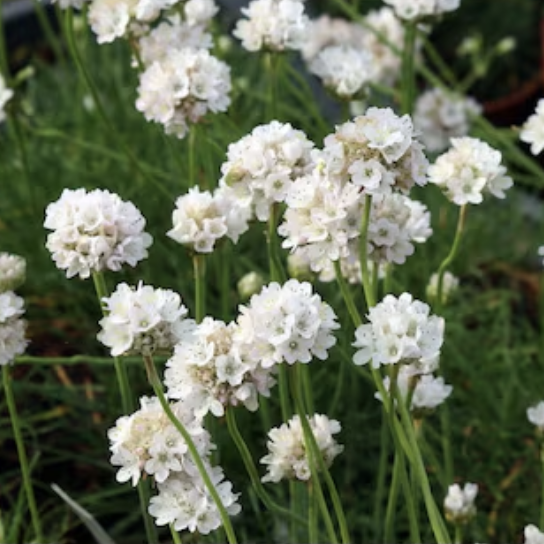 Elegant white flowers
Armeria maritima ‘Alba’ has pretty white pompom flowers spring to summer and is suitable for growing in zones 2-8.
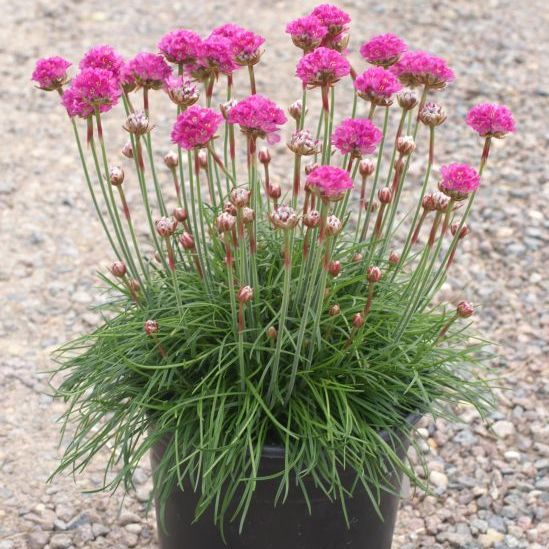 Vibrant pink pompoms
Armeria maritima ‘Splendens’ grows to a foot high and wide in zones 3-9, with pink blooms from late spring to late summer.
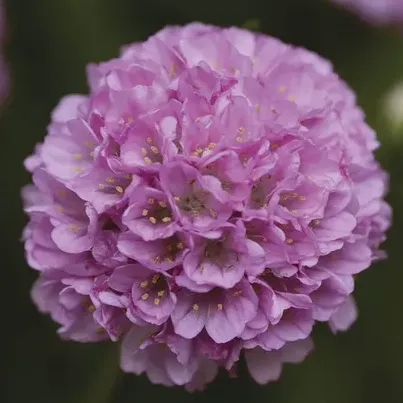 Bigger mauve blooms
Armeria Dreameria Sweet Dreams
Closely related to sea thrift, this Armeria psuedarmeria has lilac-rose flowers from mid spring to fall, zones 6-9.












 English (US) ·
  French (CA) ·