

Anyone who loves mild winters and warm-to-hot seasons will be happy in USDA hardiness Zone 8. You can grow a wild variety of vegetables, perennials and annuals in this pleasant climate as long as you know when to get them started.
If you aren’t sure which Zone 8 plants should be planted when, this Zone 8 planting guide should help. This is a great USDA planting zone for a gardener since you only have two months - December and January) in which to twiddle your thumbs (or clean up the garden!) You can start seeds indoors as early as February and harvest as late as November.
Here’s your planting calendar for Zone 8 to help keep your garden tasks on track.
Article continues below
Zone 8 Characteristics
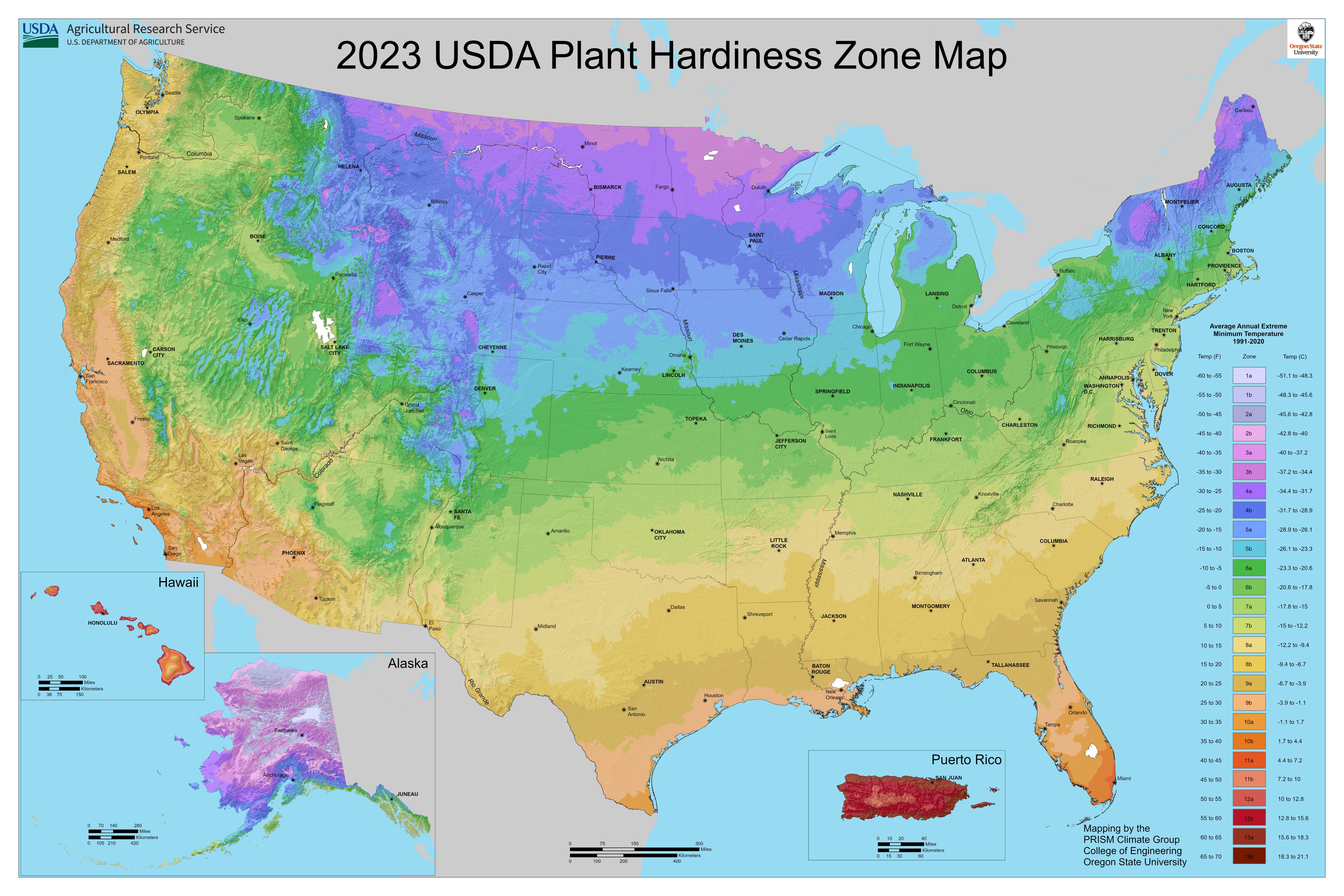
Click on the map to view plant hardiness zones in detail.
(Image credit: US department of Agriculture - Public Domain)
Every hardiness zone has its fans, but it’s easy to believe that Zone 8 isn’t one of the best for gardening. The growing season is quite long, long enough that you don’t have to worry about your crops maturing between the last spring frost date of April 1 and the first autumn frost date of December 1. While the exact dates vary a bit year to year, that is unquestionably a long growing season. But you should check for the exact dates before planting since they can vary each year by up to two weeks.
How cold is cold in USDA Zone 8? The average lowest winter temperatures range from 10 degrees F to 20 degrees F. Summers are warm to hot. Lots of trees, shrubs and vegetables grow happily in this zone. Here’s when to plant them.
Shop Seed Starting Tools
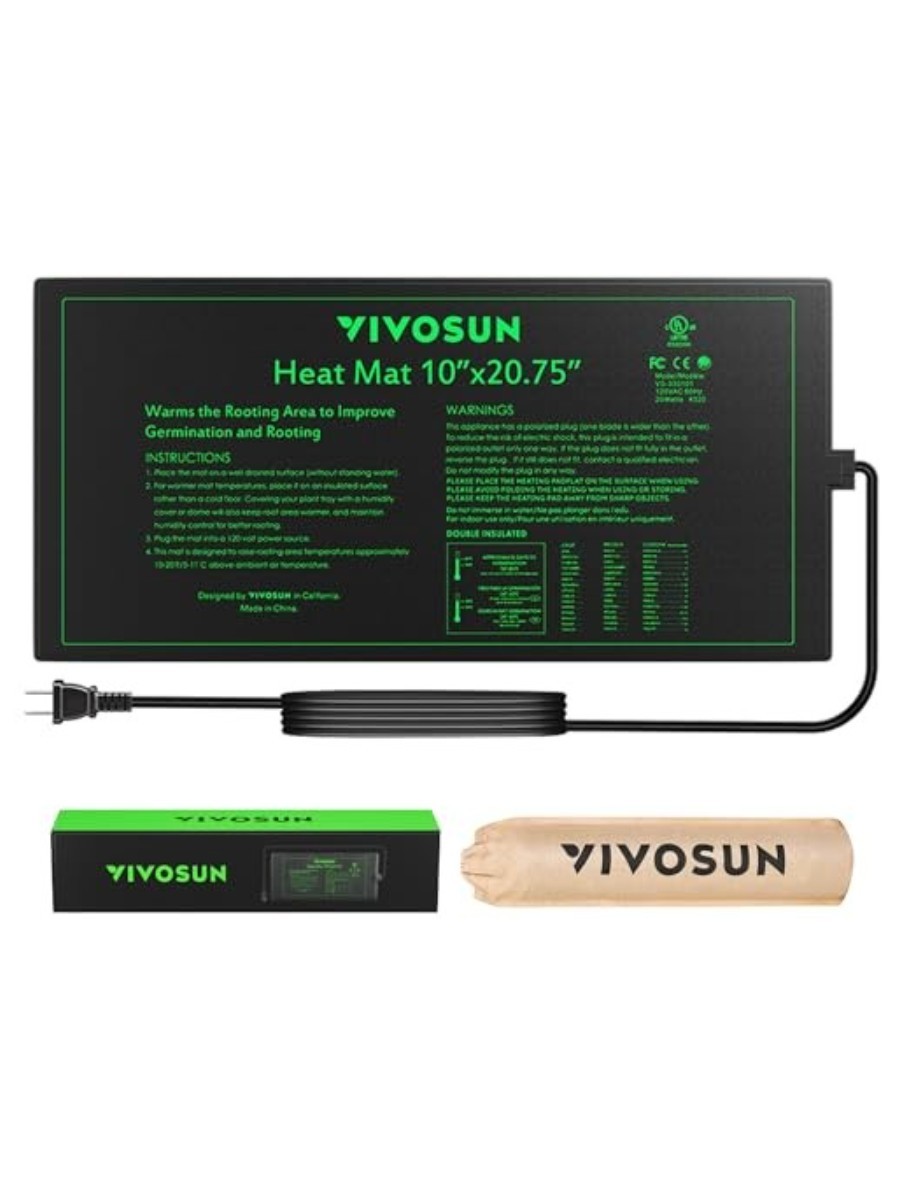 Warm It Up
VIVOSUN
Seedling Heat Mat
A heating mat can speed up the germination process.
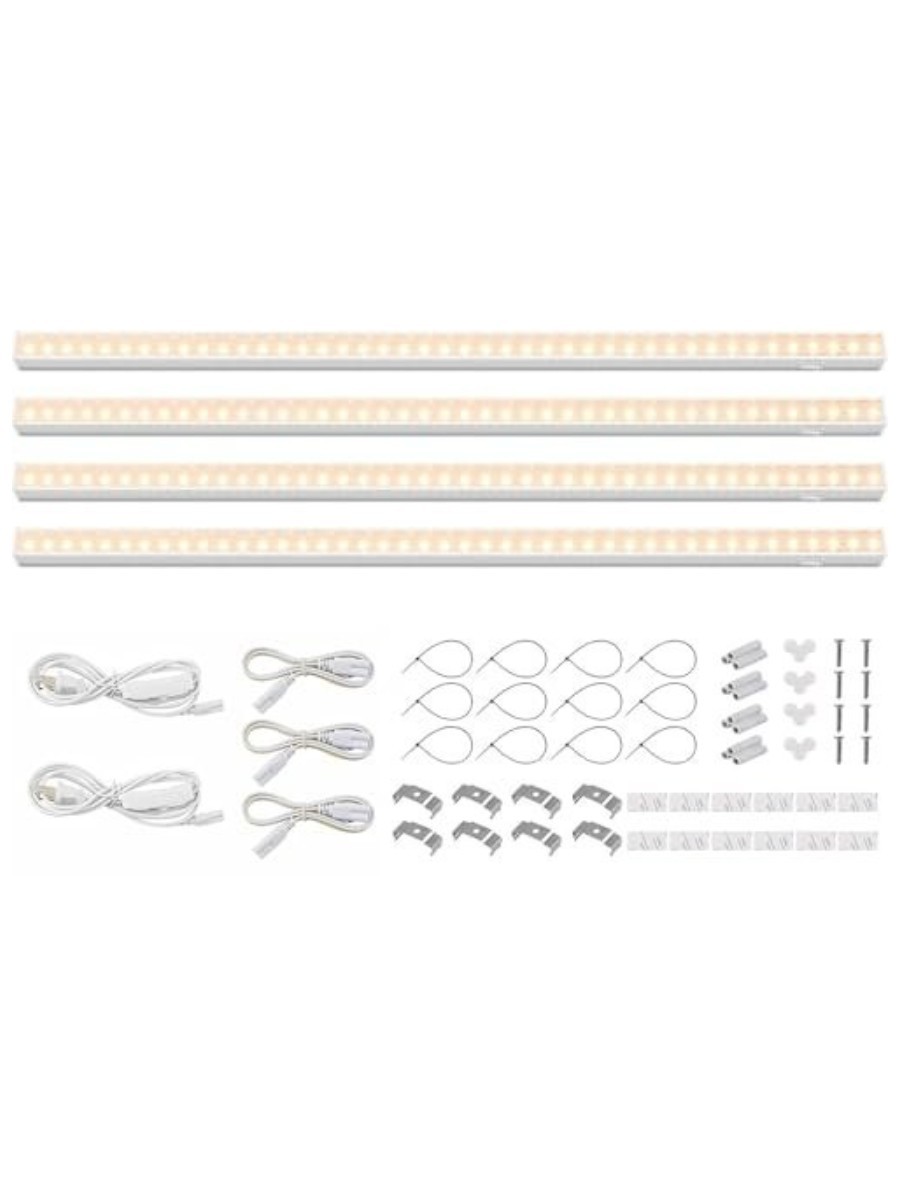 Shine On
Simple and effective full-spectrum grow lights help plants get growing.
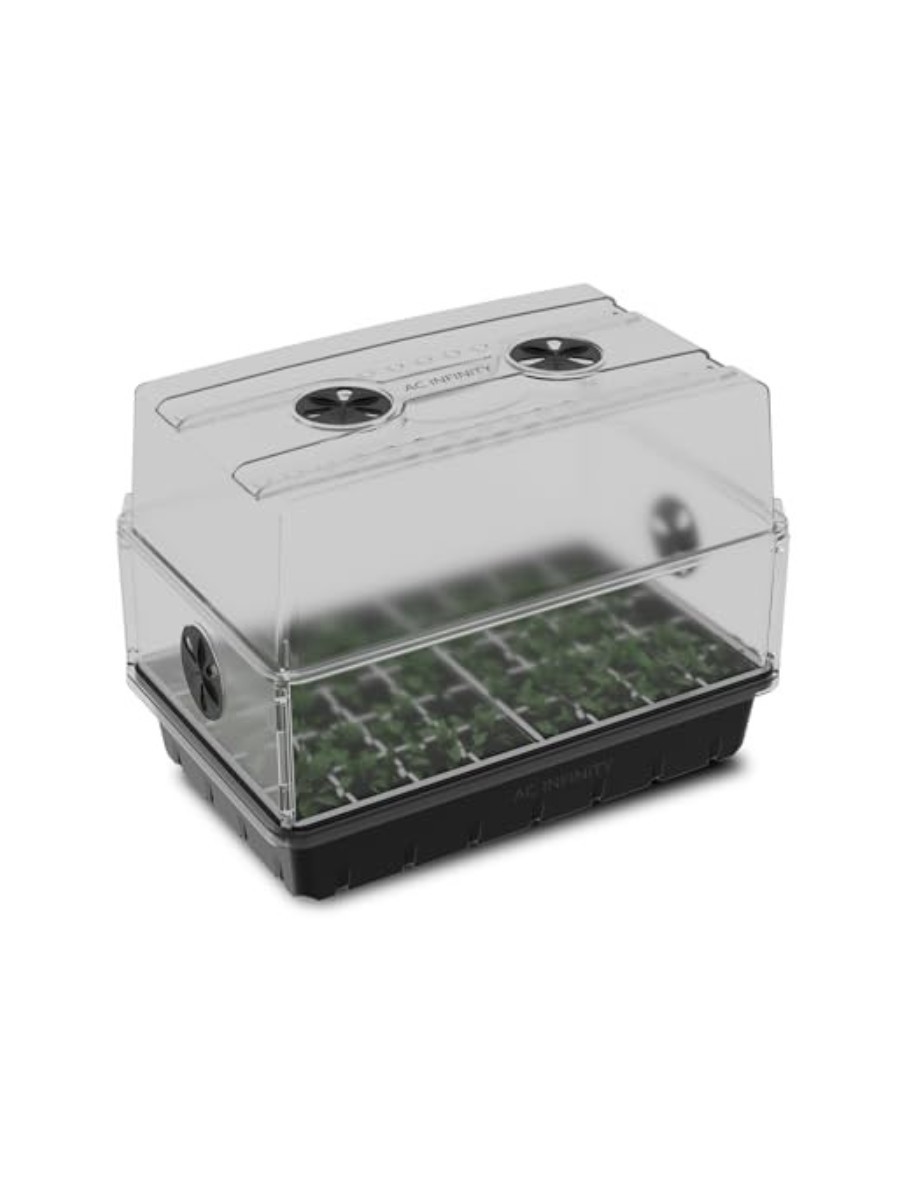 Lock In Moisture
AC Infinity
Humidity Dome
Seedling tray and humidity dome kit will keep proper moisture levels.
January
January is a no-gardening month. That gives you the time to recover from the holidays and relax before starting to plant in February.
February
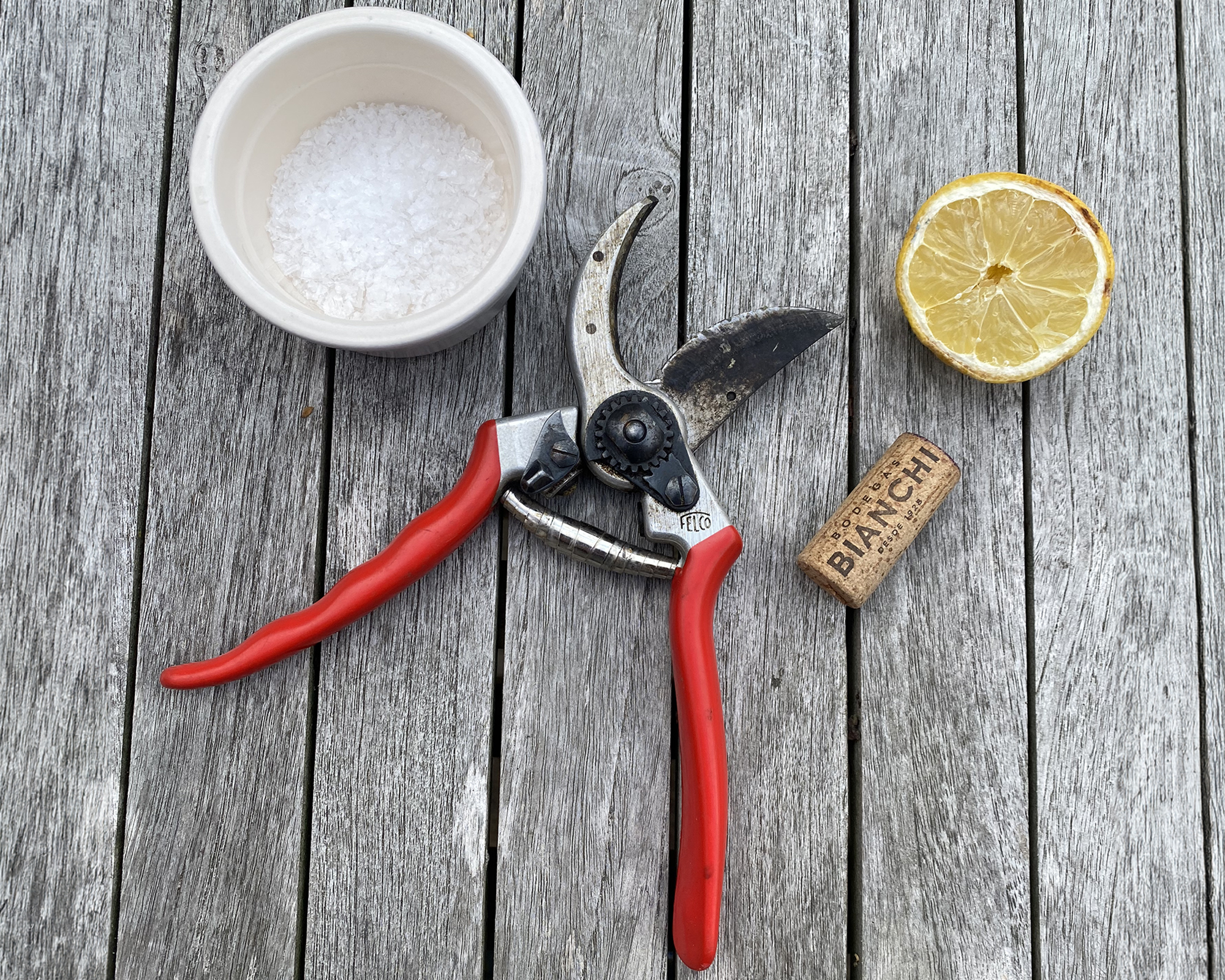
(Image credit: Melanie Griffiths)
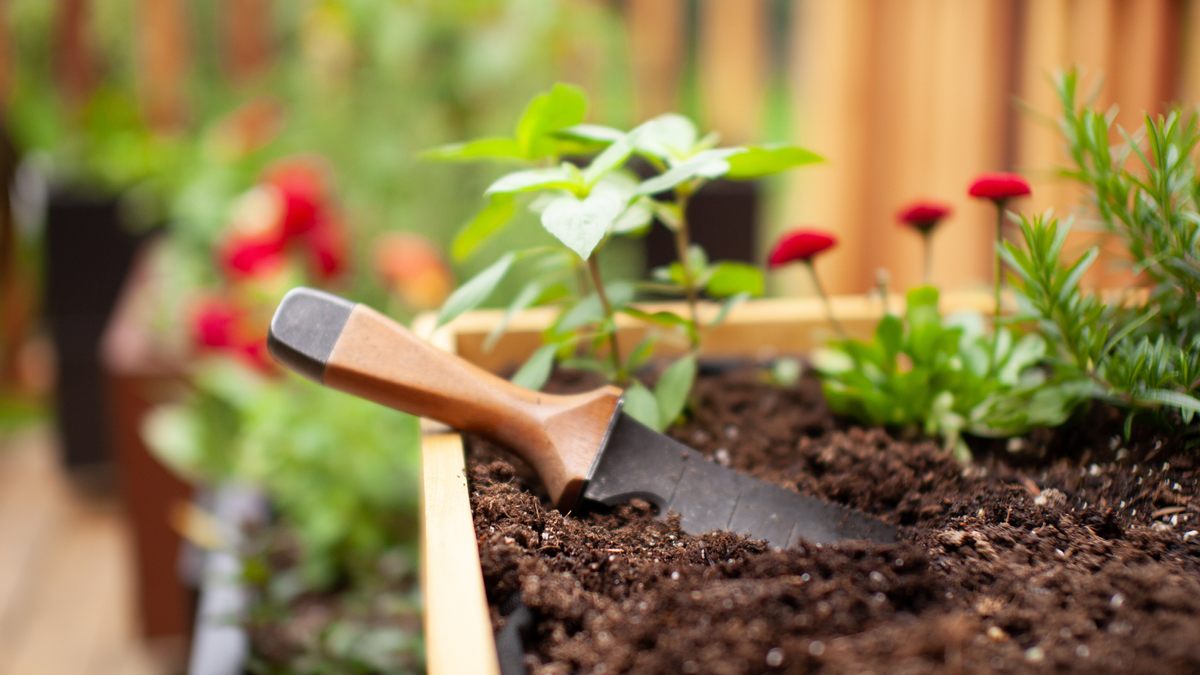
Let’s get started planting! In Zone 8, February is the month to start many vegetables. This is also a good time to do some tool maintenance before the growing season begins in earnest. Sharpen your pruners with the Corona sharpener, set up your seed starting kit with a Vivosun heat mat and Barrina grow lights, all available from Amazon.
Swipe to scroll horizontally
March
There might still be frost in March, so many seeds are sown inside. Seed starting in Zone 8 is best done indoors about 6 weeks before your last spring frost date. But be sure to follow the guidelines on the back of your seed packets for the most accurate information.
Swipe to scroll horizontally
April
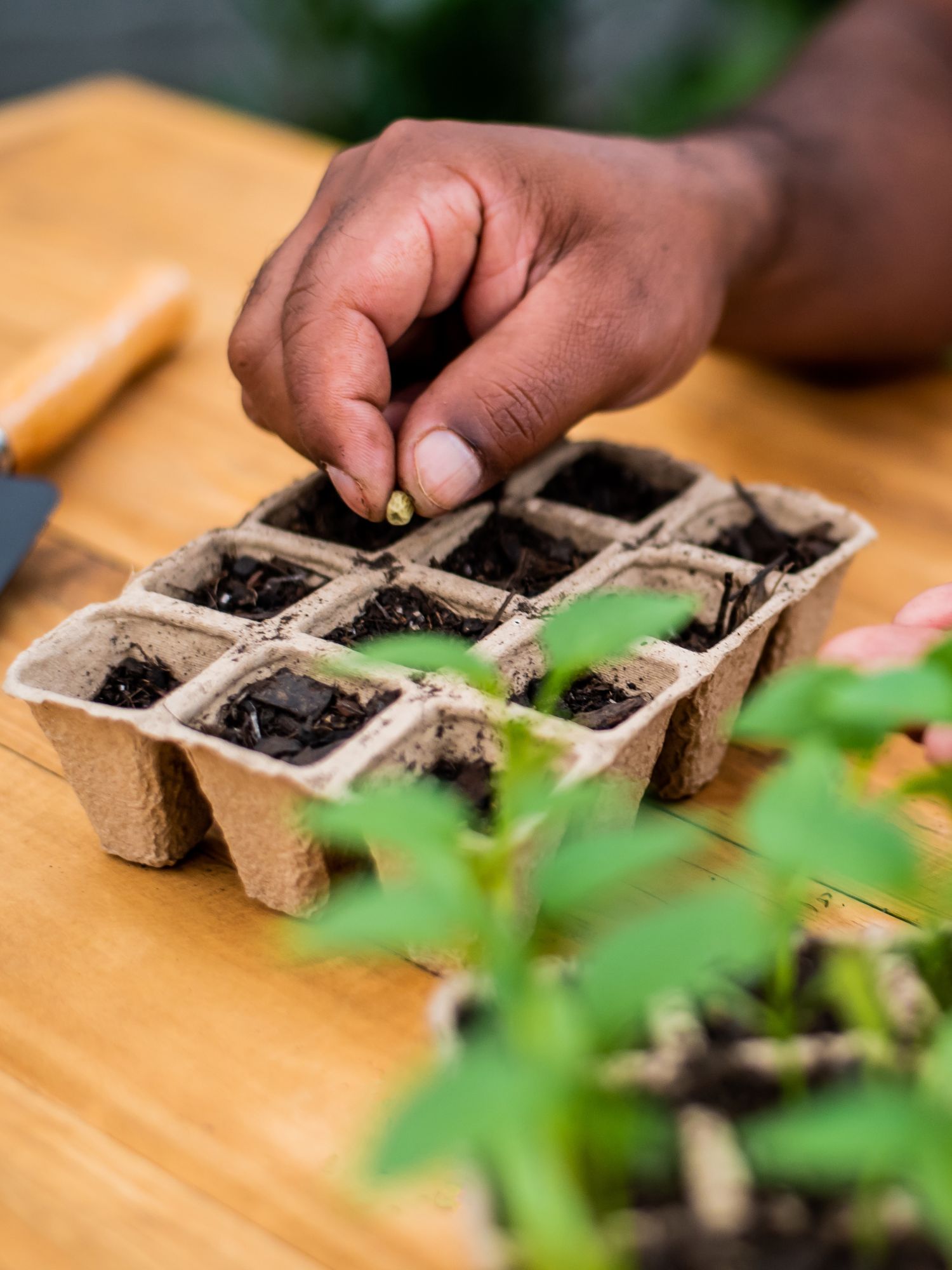
(Image credit: andreswd / Getty Images)
Generally, the last frost of the spring occurs by April 1, but you’ll want to check each year.
Swipe to scroll horizontally
| Row 0 - Cell 0 | Sow Indoors | Sow Outdoors or Transplant |
Vegetables | Beans Tomato | Beets Broccoli Cabbage Carrots Cauliflower Kale Lettuce Peas Spinach Tomato |
Perennials | Agastache Rosemary Alyssum Hollyhocks | Lavender Calendula |
Annuals | Most annuals including marigolds, zinnias, and petunias. |
May
It’s spring, and no more frost will cause problems for the garden.
Swipe to scroll horizontally
| Row 0 - Cell 0 | Sow Indoors | Sow Outdoors or Transplant |
Vegetables | Beans Brussel Sprouts Corn Cucumber Squash | Onions Peppers Tomato |
Perennials | Row 2 - Cell 1 | Agastache Alyssum Borage Hollyhocks Calendula |
Annuals | Most annuals including marigolds, zinnias, and petunias. |
June
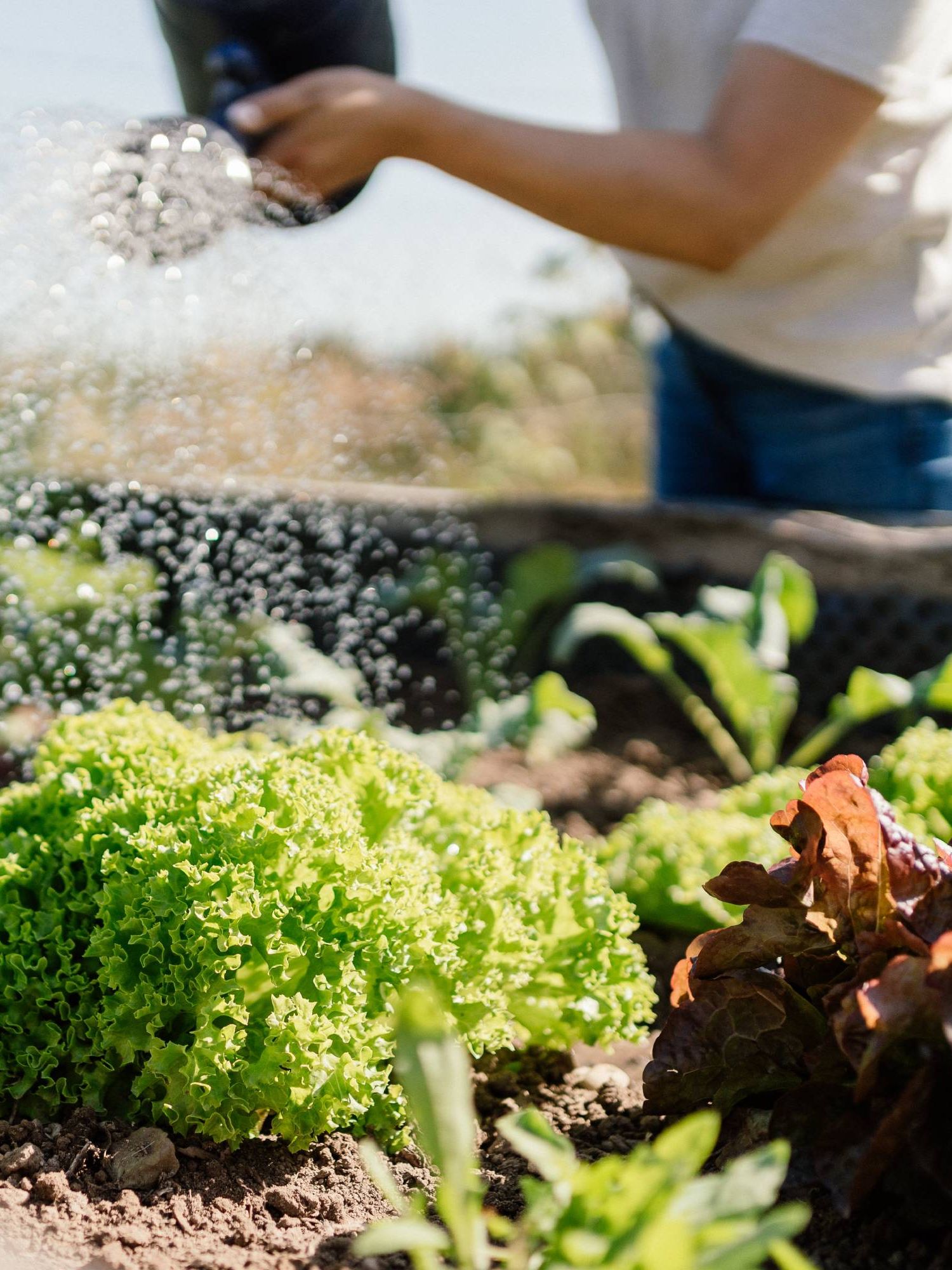
(Image credit: Anna Mardo / Getty Images)
No more starting seeds indoors. It’s lovely outside so get out in the garden!
Swipe to scroll horizontally
| Row 0 - Cell 0 | Sow Outdoors or Transplant |
Vegetables | Beans Brussel Sprouts Corn Cucumber Onions Pepper Squash Tomato |
Perennials | Lavender Alyssum Hollyhocks |
July
Zone 8 can have hot summers, so don’t neglect irrigation for your young plants.
Swipe to scroll horizontally
| Row 0 - Cell 0 | Sow Outdoors or Transplant |
Vegetables | Beans Brussel Sprouts Corn Cucumber Onions Pepper Squash Tomato |
August
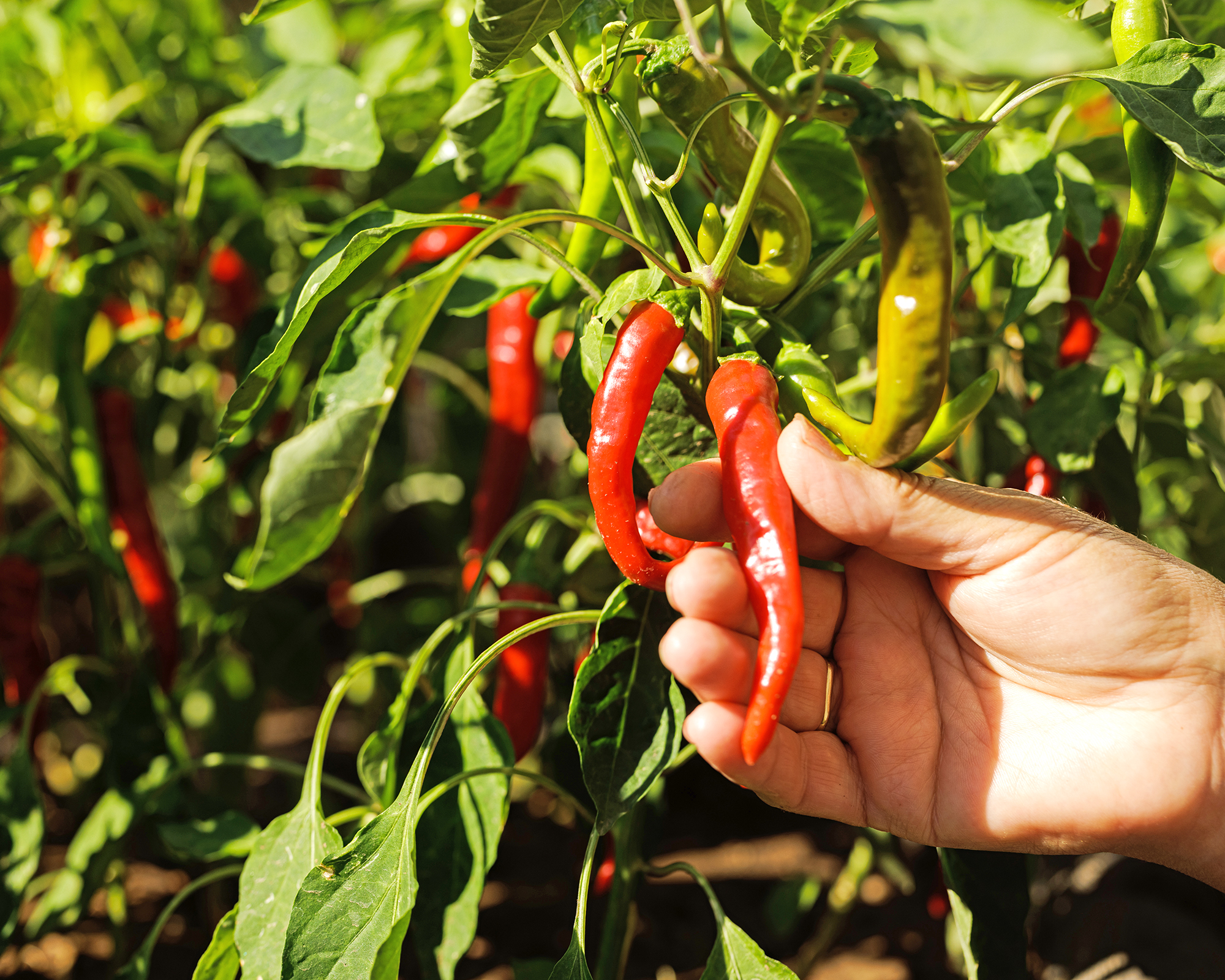
(Image credit: Getty Images)
Another hot month. This is Zone 8 summer at its finest.
Swipe to scroll horizontally
| Row 0 - Cell 0 | Sow Indoors | Sow Outdoors or Transplant |
Vegetables | Beets Broccoli Cabbage Carrots Cauliflower Kale | Beans Pepper Squash |
September
School starts and the leaves start turning fiery shades. Cool season vegetables should be started so you have nice harvests through fall.
Swipe to scroll horizontally
| Row 0 - Cell 0 | Sow Indoors | Sow Outdoors or Transplant |
Vegetables | Peas Spinach | Beets Broccoli Cabbage Carrots Cauliflower Kale Lettuce Tomato |
Perennials | Row 2 - Cell 1 | Lavender Alyssum Hollyhocks |
Annuals | Row 3 - Cell 1 |
October
(Image credit: Shutterstock)
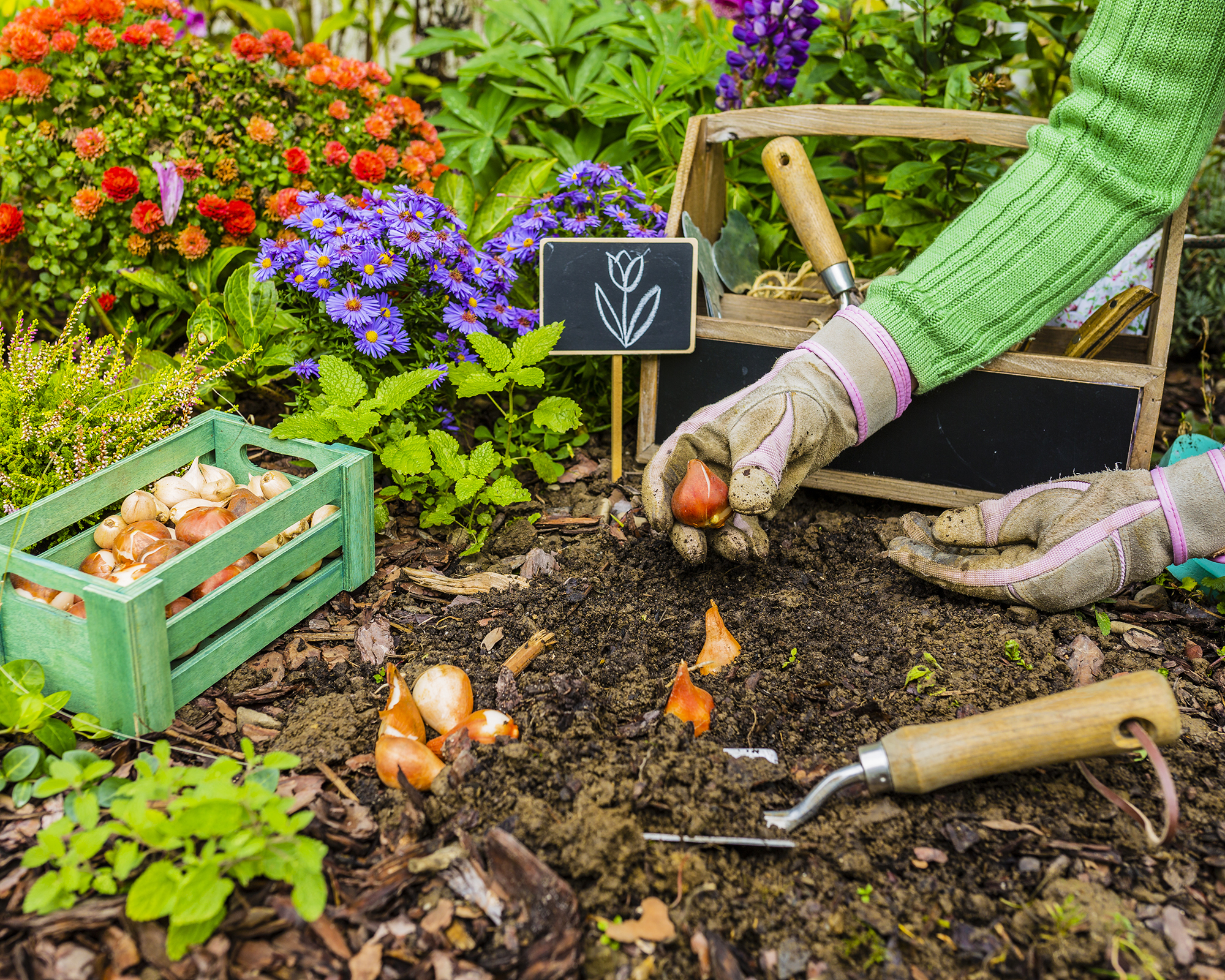
Leaves fall and squash ripens. Harvest regularly and begin to get your garden ready for the winter. Planting fall bulbs will ensure beauty next spring.
Swipe to scroll horizontally
| Row 0 - Cell 0 | Sow Outdoors or Transplant |
Vegetables | Beets Broccoli Cabbage Carrots Cauliflower Kale Lettuce Peas Spinach |
Perennials | Lavender Alyssum Hollyhocks Calendula |
Annuals | Snapdragons |
November
You can still harvest vegetables this month but there is no extra planting this month. Prepare your garden for winter. Now is also a good time to clean up and sharpen any tools that have gotten a workout through the growing season.
December
(Image credit: Shutterstock)
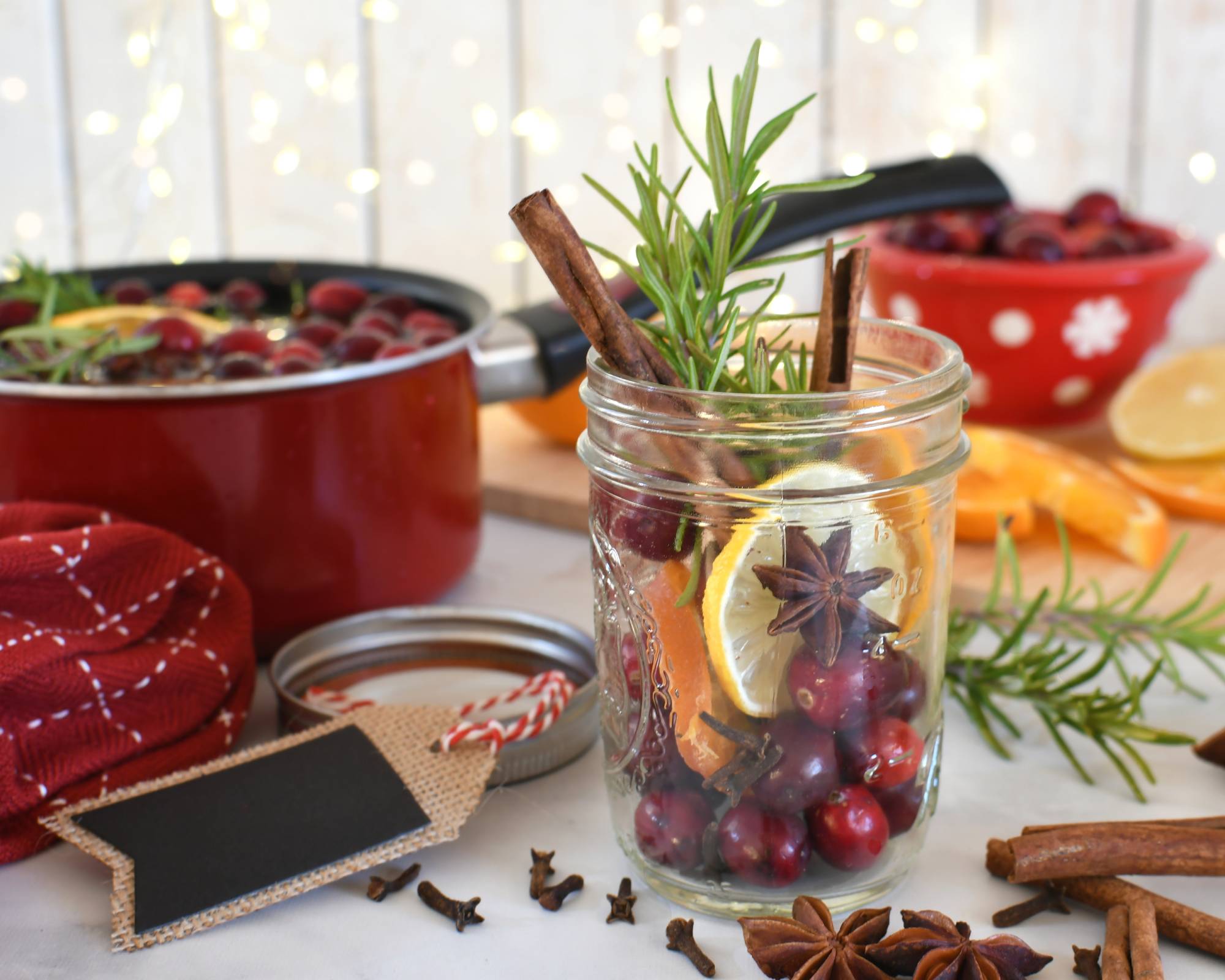
There is neither planting inside, planting outside nor harvesting this month. Enjoy the holiday season and use some of your bounty to make a cozy winter simmer pot to fill your home with wonderful fragrance.












 English (US) ·
  French (CA) ·