

Peace lily (Spathiphyllum spp.) is always a popular houseplant. Native to the tropics of Central America and Asia, the peace lily is only hardy in the warmest growing zones, so most of us enjoy its big glossy leaves and pure white blooms inside.
Peace lily care is famously hands-off. However, they can benefit from some extra attention in May as they enter the active growing season. A little effort now will reward you later with healthy, abundant foliage and plenty of pretty white flowers. (If you don't already have one, you can get a gorgeous peace lily from Lively Root delivered straight to your door!)
Here, we’ll go over the May tasks that you should do this spring to benefit your peace lily’s growth and health.
1. Spring Cleaning
(Image credit: Ganjalex / Shutterstock)
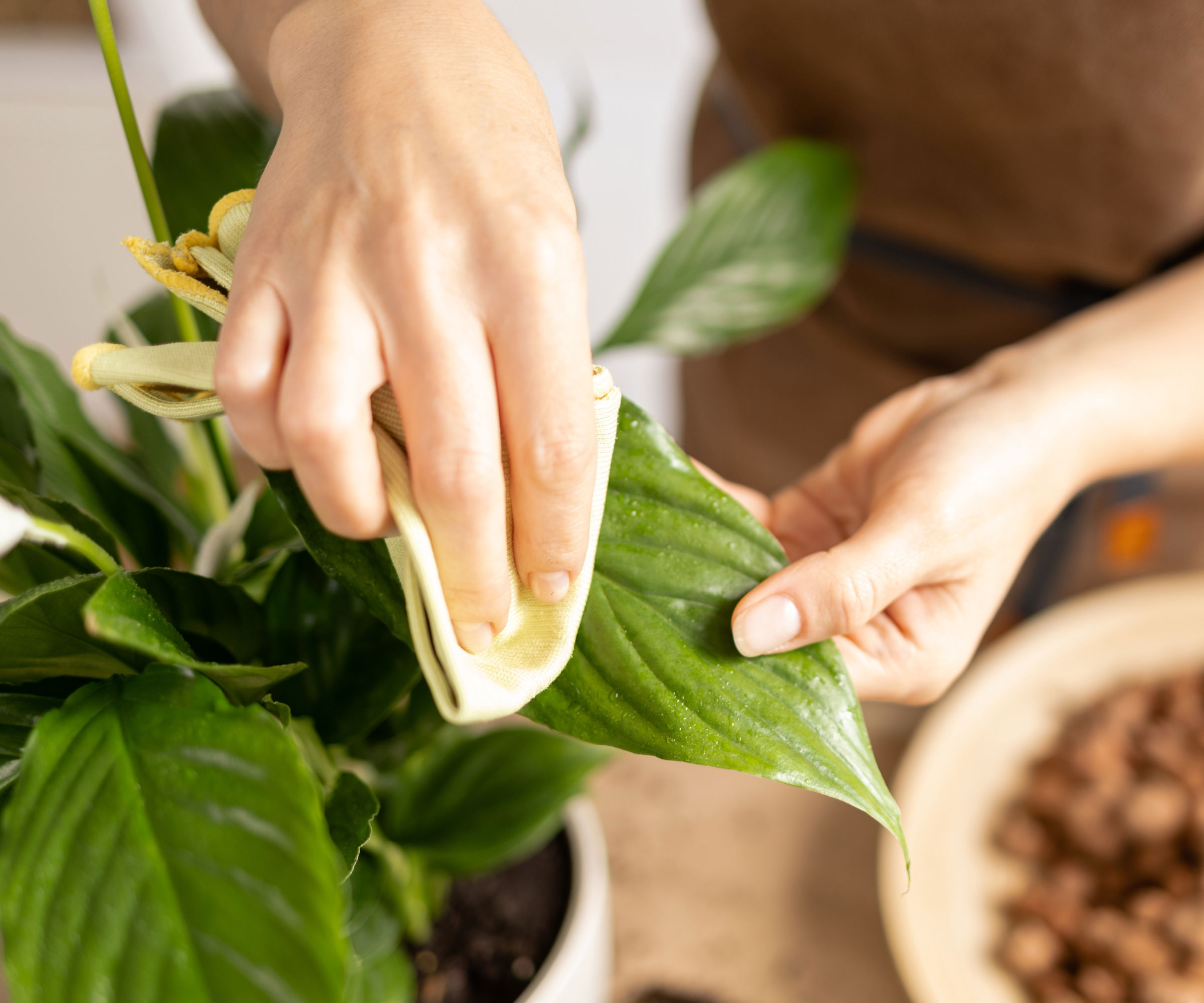
Like the rest of your home, your houseplants can use a spring cleaning this time of year. The stagnant and recycled indoor air of winter literally causes indoor plants to get dirty. Your HVAC system has been cycling dust throughout the house in winter, and some of it has settled on the big, broad leaves of your peace lily.
Use a damp cloth to gently wipe dust from each leaf. They’ll look nicer and cleaner, but this chore is also important for ensuring leaves have full access to the light they need.
This is also a good time to trim off yellowing, brown, and dead leaves. Use a sharp pair of clean scissors and snip these leaves off at the base to tidy up the plant and encourage new growth. If you have any spent flowers, remove those, too. I like to use these cute pruning snips from Modern Sprout which can be found at Amazon.
2. Feed Lightly
(Image credit: Vita_Dor /Shutterstock)
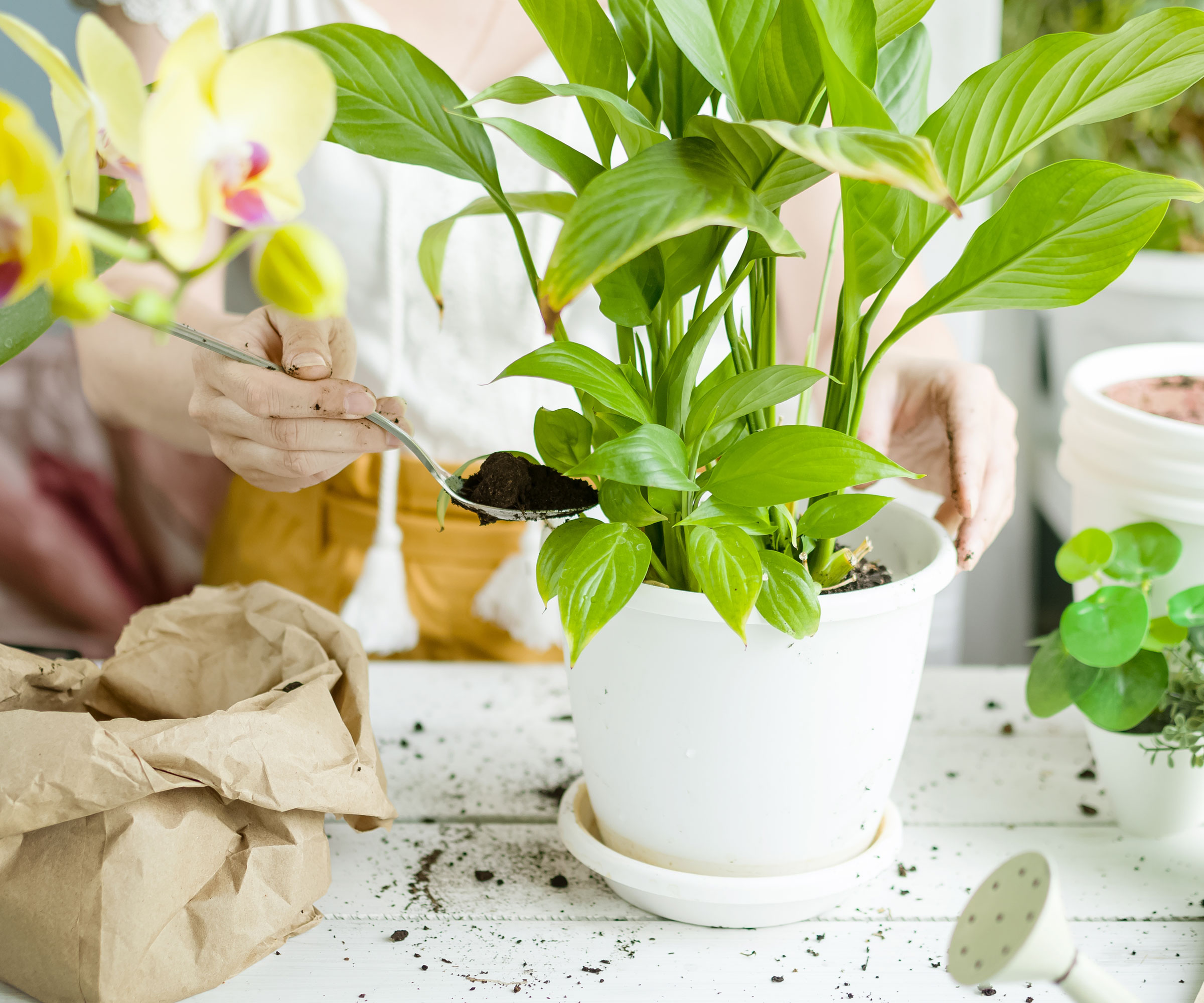
Peace lilies are not heavy feeders, so less is more. Over-fertilizing can actually harm the plant and cause brown leaves. Early spring is a good time to give your peace lily a botanical boost to support active growth after winter dormancy.
Use a liquid or water-soluble and balanced houseplant fertilizer (10-10-10 or 5-5-5). Use the product at half the recommended strength. Indoor plant food from Miracle-Gro can be found at Amazon and is a great all-purpose houseplant food. Feed your plant with this now, in May, and again every four to six weeks throughout the growing season.
3. Gently Increase Water and Sunlight
(Image credit: Csikiphoto / Shutterstock)
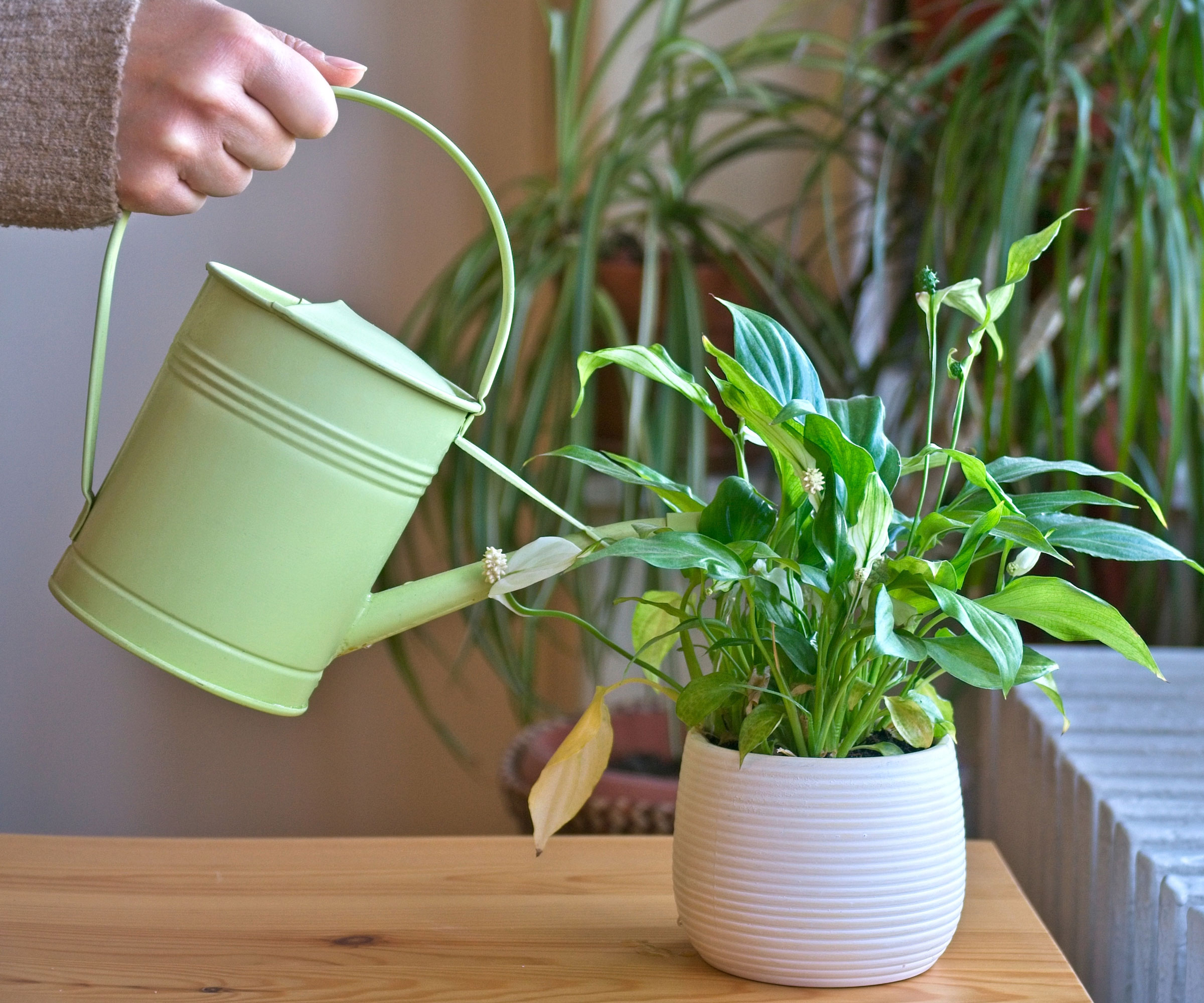
Peace lilies naturally grow on the forest floor, receiving only dappled sunlight and thriving in humidity. As your peace lily comes out of winter dormancy and prepares for active growth, you should increase its watering and sunlight to support active growth.
Peace lilies do best with regular watering to keep the soil consistently moist but not soggy. They should be planted in containers with good drainage and in soil that also drains well. As spring begins, check the soil regularly and water your plants thoroughly and deeply when you can feel that the top inch (2.5 cm) of soil is dry. Rosy Soil's Indoor Potting Soil, available at Amazon, is a good quality organic soil that will help your peace lily thrive.
Increasing sunlight exposure now can help your plant develop more flowers, but don’t overdo it. They crave bright, indirect light. Peace lilies never do well in direct sunlight at any time of year. Gradually increase their exposure to light through a window with indirect sun or under taller plants at a brighter window. If you want to take your peace lily outside on warmer days, keep it in a shady spot.
4. Repot if Needed
(Image credit: gadost / Getty Images)
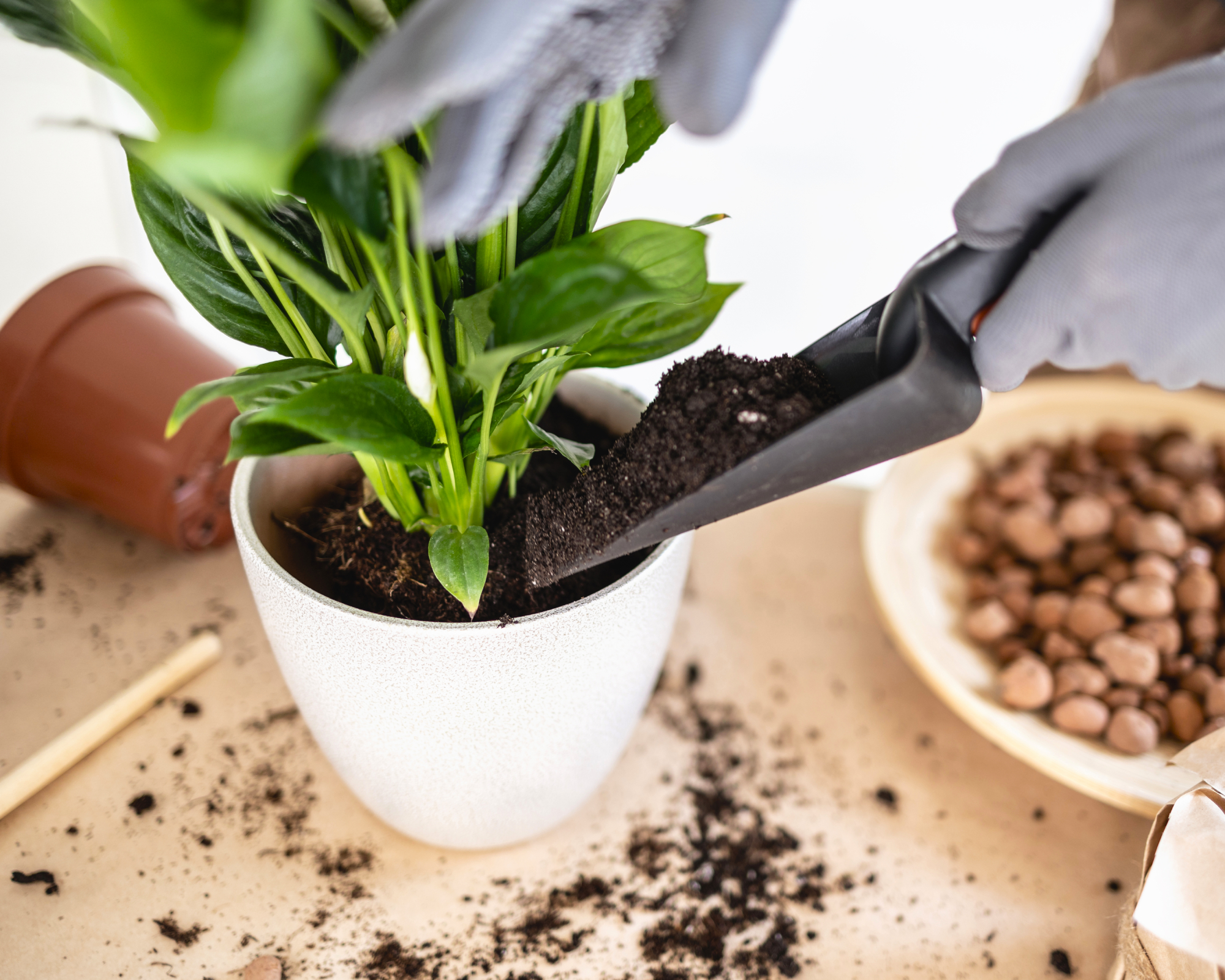
Peace lilies do not need to be repotted as often as some other plants. They actually prefer to be a little rootbound. Every few years is typically adequate, and spring is the right time to do it. Some signs your peace lily is ready for a bigger container include roots coming out of the drainage holes or growing up and over the surface of the soil.
Choose a container that is one to two inches (2.5 to 5.0 cm) larger than the original pot. Terracotta is the best choice, as it wicks away excess moisture in the soil. Add fresh potting mix. Use a light mix that will drain very well. You can also grow peace lilies in water, so May is a nice time to make the switch.
When repotting peace lily plants, it's also a great opportunity to propagate your plant if you’re up for it. Peace lilies grow in clumps, so it’s not difficult to divide larger plants into smaller ones.
Remove the entire plant from the pot and gently brush dirt off the roots. Look for individual crowns, which contain distinct clusters of leaves. Use your hands or a clean, sharp knife to separate one or more crowns from the plant. Try to keep as many of the roots intact as possible and ensure the division has enough healthy roots. You can then repot two or more crowns to propagate new plants.
5. Encourage New Blooms
(Image credit: New Africa / Shutterstock)
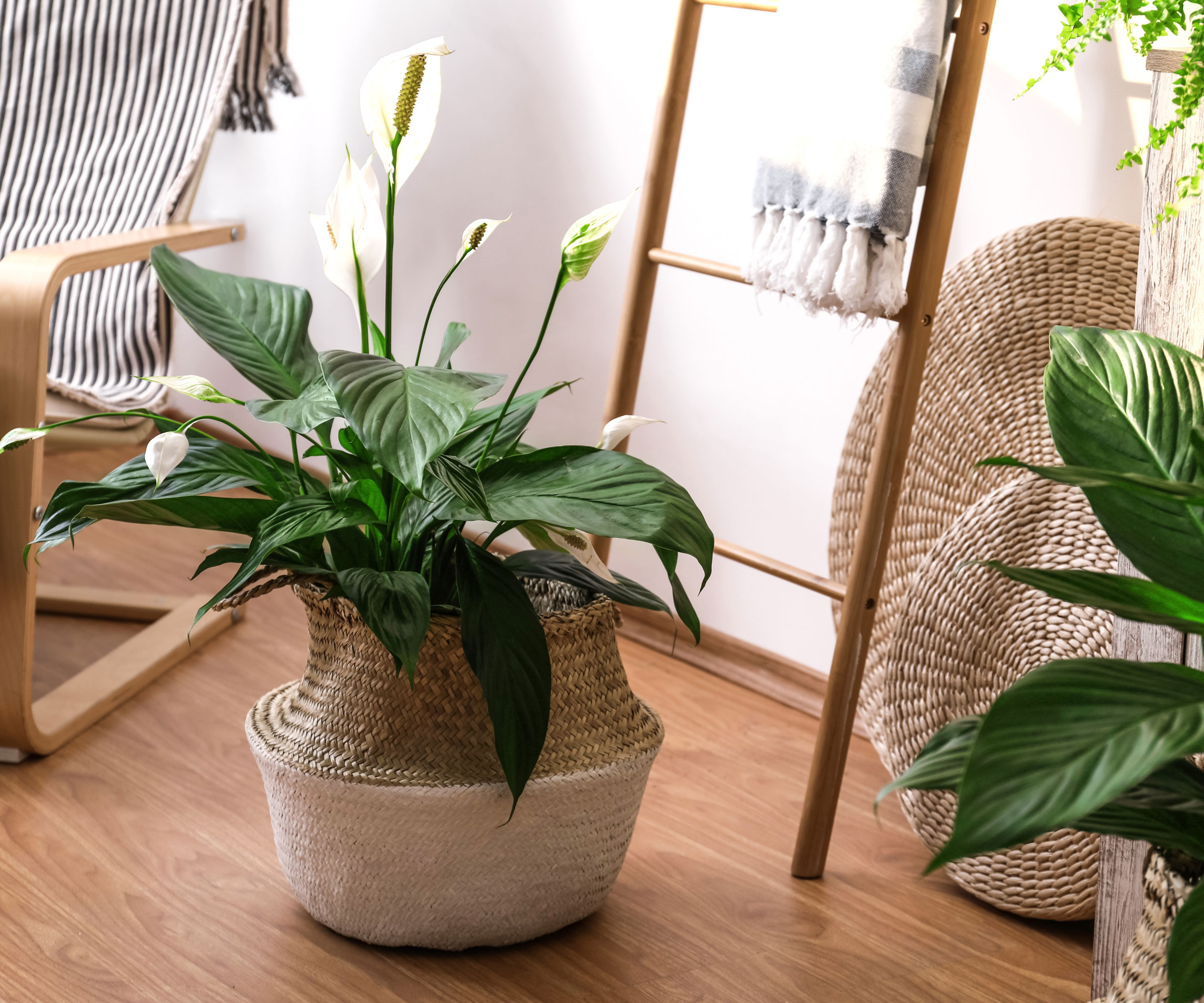
Everything you’re doing should encourage new flowers, but if it’s been a while since your plant has bloomed, you might need to investigate a little more deeply. The most important factors in flowering for peace lilies are adequate light, consistent moisture in the soil, and occasional, light feeding.
If you haven’t seen blooms on a peace lily for a long time, try increasing the light exposure (gently and indirectly, of course). Make sure you’re watering regularly and consistently. Peace lilies will readily bounce back from being in dry soil for a while, but this isn’t conducive to blooming. If you rarely feed your peace lily, start light feeding with dilute fertilizer now.
Peace lilies are easy to grow and very forgiving. They are, in fact, in the hard-to-kill category of houseplants. This doesn’t mean they deserve neglect, though. Do these simple May chores, and your plants will thank you with healthy growth and plenty of flowers.
Shop Peace Lily Care Essentials
 Prune
Prune
Modern Sprout
Pruning Shears
Easily prune your peace lily to remove dead leaves for a spring refresh.
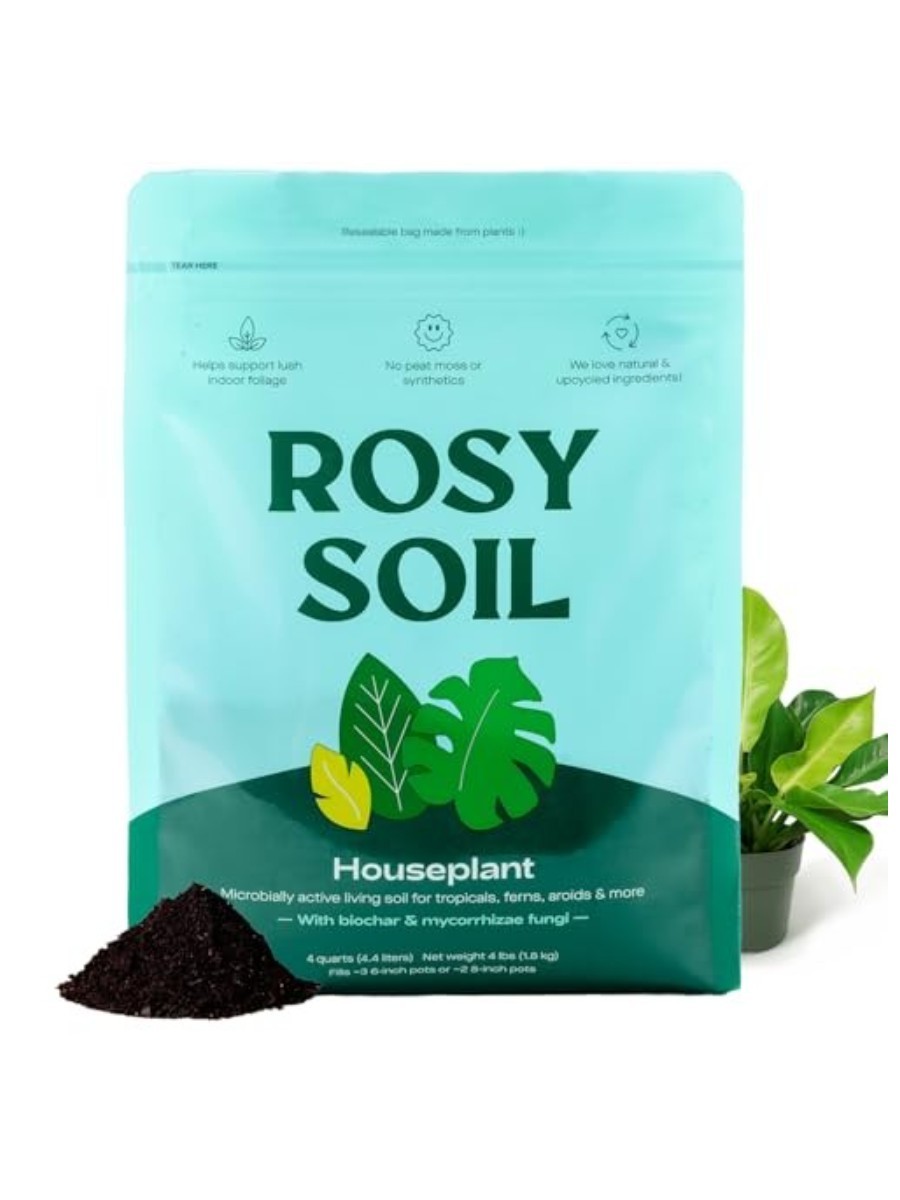 Soil for Success
Rosy Soil
Indoor Potting Soil for Houseplants
This houseplant soil drains well and has beneficial microbes to boost growth.
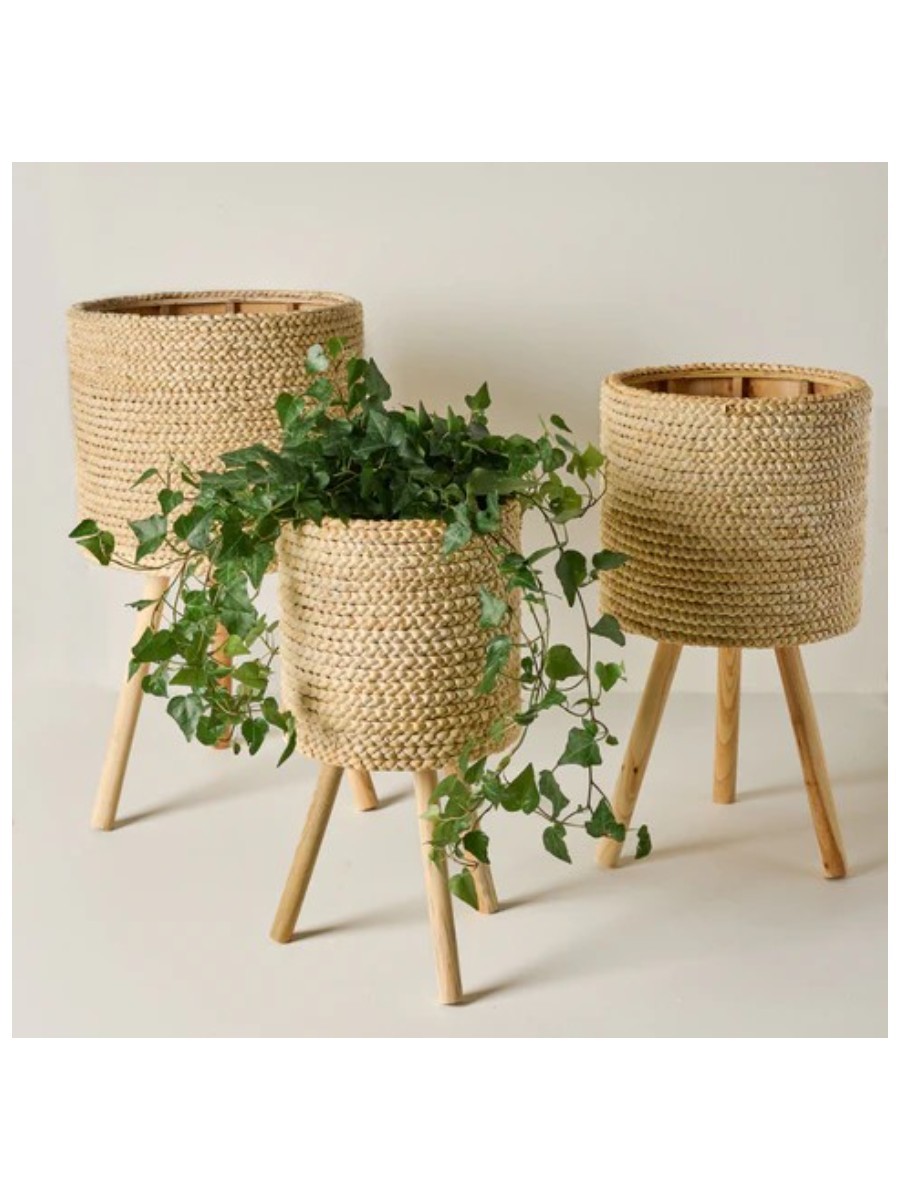 Elevate Your Style
Melrose International
Bleached Woven Plant Stands
An elevated plant stand from Magnolia will show off your thriving peace lily.















 English (US) ·
  French (CA) ·