

 11 hours ago
1
PROTECT YOUR DNA WITH QUANTUM TECHNOLOGY
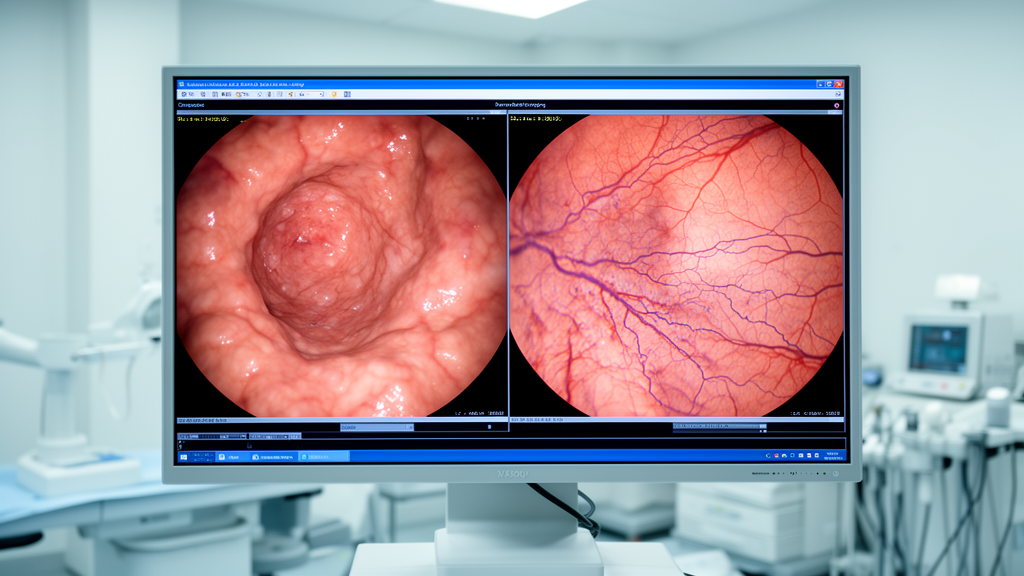
Orgo-Life the new way to the future Advertising by AdpathwayUltrasonographic measurements of diaphragmatic excursion and thickening fraction predict the likelihood of successful weaning from invasive mechanical ventilation with satisfactory diagnostic accuracy, according to a systematic review published in The Egyptian Journal of Critical Care Medicine. Synthesizing data from thirty-two clinical investigations, the review demonstrates that noninvasive point-of-care assessment of respiratory muscle mechanics provides valuable prognostic information when clinicians evaluate whether critically ill individuals are prepared for extubation. Both diaphragmatic displacement and contractility-associated thickening exhibited reliable discriminatory capability across diverse adult cohorts treated in intensive care units. Patients who successfully separated from ventilatory support consistently demonstrated higher baseline diaphragmatic excursion and greater thickening fractions compared to those who experienced weaning failure or prolonged respiratory dependency. While substantial methodological heterogeneity exists across published protocols and cutoff thresholds, the cumulative evidence indicates that point-of-care ultrasound provides an objective physiological evaluation of diaphragmatic performance during spontaneous breathing trials.
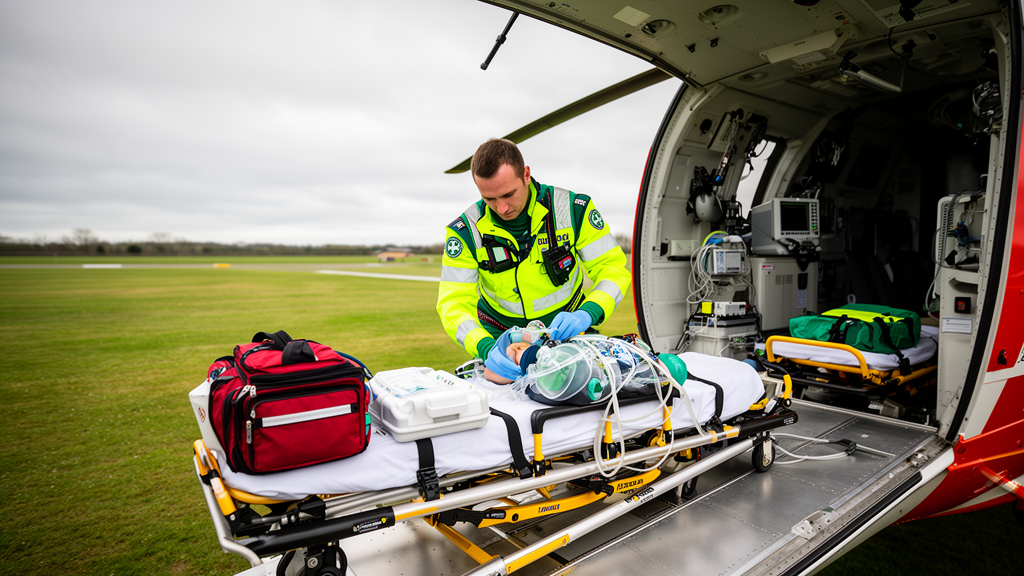
Invasive mechanical ventilation serves as a crucial supportive measure for critically ill patients facing respiratory failure, preventing rapid clinical deterioration and death across a broad spectrum of medical and surgical conditions. Common indications for initiating invasive ventilatory support include hypoxemic respiratory failure, upper airway obstruction, severe neuromuscular compromise, chest wall trauma, and physiological conditions driven by markedly elevated ventilatory demand. Despite its vital life-sustaining role, prolonged mechanical ventilation frequently precipitates severe secondary complications, most notably ventilator-induced diaphragm dysfunction. This pathological phenomenon stems from various mechanisms, including rapid disuse atrophy, and can manifest within the first twenty-four hours following endotracheal intubation. The development of ventilator-induced diaphragmatic impairment is strongly correlated with extended durations of mechanical ventilation, repeated weaning failures, prolonged lengths of stay in intensive care units, and elevated patient morbidity, establishing diaphragmatic preservation as a central determinant of clinical recovery.
Liberation from mechanical ventilation represents a complex and delicate transitional phase in intensive care management, often accounting for up to forty percent of the total duration of ventilatory support. Although a majority of patients tolerate extubation during their initial spontaneous breathing trial, a substantial subset encounters difficult or prolonged weaning trajectories. Determining the appropriate timing for extubation presents significant clinical risk, as premature liberation leads to respiratory distress and reintubation, whereas excessive delays heighten vulnerability to ventilator-associated pneumonia and overall mortality. Traditional weaning parameters, such as spontaneous respiratory rate, tidal volume, and the widely utilized rapid shallow breathing index, provide limited predictive precision. These conventional parameters reflect global ventilatory patterns rather than intrinsic muscle contractility and are frequently confounded by compensatory activity from accessory respiratory muscles, highlighting the clinical necessity for bedside modalities that directly interrogate diaphragmatic function.
To clarify contradictory and heterogeneous findings in the literature, the investigators designed a comprehensive systematic review adhering to the Preferred Reporting Items for Systematic Reviews and Meta-Analyses statement and methodological guidance from the Cochrane Handbook for Systematic Reviews of Interventions. Prior to conducting their systematic database screening, the research team searched the PROSPERO international prospective register of systematic reviews, identifying a single related published review protocol evaluating unilateral or bilateral diaphragmatic ultrasound during spontaneous breathing trials in adult patients ventilated for more than twenty-four hours. The subsequent comprehensive literature search was developed by undergraduate researchers under the active supervision of an experienced review methodologist. The investigation surveyed multiple bibliographic platforms between August 19 and September 24, 2025, deploying specialized Medical Subject Headings and structured keywords across PubMed, Scopus, Web of Science, TRIP, EMBASE, Cochrane Library, ScienceDirect, LILACS, and Google Scholar.
The comprehensive multi-database literature search initially retrieved 1,330 potential records, comprising 1,094 citations identified across PubMed, Scopus, and Web of Science, alongside 236 additional entries gathered from supplementary sources such as Google Scholar. The screening pipeline systematically eliminated 309 duplicate entries, while 733 citations were discarded during title and abstract screening for failing to satisfy the structured eligibility criteria. Investigators conducted full-text evaluations of 256 candidate articles, subsequently excluding 224 studies due to mismatched designs, ineligible populations, or missing outcome data. Ultimately, thirty-two investigations met all formal inclusion criteria for detailed extraction and risk assessment using the Cochrane Risk of Bias Scale and the 2011 Oxford Centre for Evidence-Based Medicine grading guidelines. The final corpus encompassed observational prospective and retrospective cohort studies evaluating mechanically ventilated intensive care patients who underwent diaphragmatic ultrasonography during liberation attempts.
A predominant finding across the analyzed literature was the remarkably high prevalence of diaphragmatic dysfunction among mechanically ventilated intensive care patients, with reported rates ranging widely from approximately forty percent to eighty percent. The highest frequencies of diaphragmatic impairment occurred in patient subgroups characterized by intensive-care-unit-acquired weakness, prolonged durations of invasive mechanical ventilation, or advanced chronological age. Across nearly all reviewed cohorts, diaphragmatic dysfunction was consistently linked to unfavorable clinical trajectories, including delayed liberation from mechanical ventilators, higher probabilities of weaning failure, extended intensive care unit hospitalization, and increased mortality in vulnerable populations. These persistent associations underscore the status of the diaphragm as an indispensable anatomical and physiological determinant of respiratory autonomy and overall clinical trajectory among critically ill patients undergoing ventilatory withdrawal.
Regarding quantitative ultrasound indices, diaphragmatic excursion consistently exhibited strong correlations with weaning success. In prospective and observational cohorts, patients who successfully achieved extubation demonstrated significantly higher diaphragmatic excursion values than individuals who failed liberation attempts. The most commonly identified diagnostic cutoffs for excursion ranged between 1.0 and 1.3 centimeters during spontaneous breathing trials or minimal ventilator support conditions. Within this threshold range, diaphragmatic excursion demonstrated robust diagnostic sensitivity and moderate to high specificity for predicting liberation success. However, investigations that systematically assessed diaphragmatic displacement across escalating levels of pressure support noted marked reductions in predictive accuracy at higher ventilatory assistance settings. This decline demonstrates that the diagnostic utility of excursion measurements depends heavily on testing conditions that permit true muscular effort to express itself without excessive mechanical unloading.
Similarly, the diaphragmatic thickening fraction proved to be a highly informative and reproducible index of active contractile recruitment across the included studies. Elevated thickening fractions correlated consistently with successful weaning outcomes, whereas suppressed thickening values reflected diaphragmatic exhaustion, disuse, or prolonged ventilatory dependence. The diagnostic cutoffs proposed across the literature typically clustered between twenty percent and thirty-four percent, with several investigations indicating that values around twenty-nine percent reliably separated successful from failed extubations. Notably, several studies documented diagnostic sensitivities exceeding ninety percent for the thickening fraction, outperforming traditional global indices like the rapid shallow breathing index. Furthermore, studies evaluating interobserver agreement reported excellent concordance for diaphragmatic excursion and good reproducibility for thickening fraction, particularly when investigators obtained sonographic tracings using standardized M-mode imaging protocols.
An important shared conclusion across several reviewed investigations was that integrating diaphragmatic ultrasound measurements with established clinical indices substantially enhanced overall predictive accuracy compared to using any solitary parameter. Multimodal diagnostic models combining diaphragmatic excursion or thickening fraction with the rapid shallow breathing index, lung ultrasound scores, or bedside physiological indicators yielded significantly higher areas under receiver operating characteristic curves. These integrated protocols proved especially advantageous in reducing false-positive predictions of weaning readiness, thereby protecting vulnerable patients from premature extubation. Nevertheless, the systematic review observed critical physiological caveats in specific subgroups; for instance, a large multicenter cohort examining elderly patients with substantial comorbidities reported that neither excursion nor thickening fraction differentiated extubation outcomes, with voluntary cough strength emerging as the sole independent predictor of successful liberation.
Despite the overall diagnostic utility identified, the authors of the systematic review emphasize several prominent methodological limitations within the existing evidence base that warrant cautious interpretation. The literature remains constrained by an absence of randomized controlled trials directly testing ultrasound-guided weaning algorithms against standard care, alongside notable variability in measurement protocols, patient positioning, and anatomical reference values. Additionally, included trials differed substantially in their operational definitions of extubation failure, with observation windows ranging from seventy-two hours in certain studies to seven full days in others. Because ultrasonography is inherently observer-dependent, standardization of sonographic training and acquisition timing remains essential. The authors conclude that while diaphragmatic ultrasound provides rapid, safe, and radiation-free physiological insights, rigorous standardized clinical trials in specific intensive care subpopulations are required to fully solidify its routine bedside application.
Subject of Research: Diagnostic performance of diaphragmatic ultrasound for predicting weaning outcomes in mechanically ventilated intensive care patients
Article Title: Assessment of diaphragmatic excursion and thickening in mechanically ventilated patients: a systematic review
Article References: Perez, D. F., Rivera-Vargas, J. L., Trujillo-Conta, M., Salazar-Torres, F. J., & Charry, J. D. (2026). Assessment of diaphragmatic excursion and thickening in mechanically ventilated patients: a systematic review. The Egyptian Journal of Critical Care Medicine, 13(1), Article 16. https://doi.org/10.1007/s44349-026-00049-1
Image Credits: AI Generated
DOI: 10.1007/s44349-026-00049-1
Keywords: mechanical ventilation, diaphragmatic ultrasound, diaphragmatic excursion, diaphragmatic thickening fraction, ventilator weaning, extubation success, intensive care unit, ventilator-induced diaphragm dysfunction, rapid shallow breathing index, respiratory muscle contractility, critical care monitoring, systematic review, PRISMA statement, spontaneous breathing trial, Cochrane risk of bias, point-of-care ultrasound, diagnostic accuracy















 English (US) ·
 French (CA) ·