

PROTECT YOUR DNA WITH QUANTUM TECHNOLOGY
Orgo-Life the new way to the future Advertising by AdpathwayBy Jacques Habimana
Jacques is a passionate bird guide with strong experience guiding visitors through Rwanda’s diverse birding destinations. He can be reached at hajasjacques@gmail.com or Phone/WhatsApp: +250780654591.
Chestnut-throated Apalis
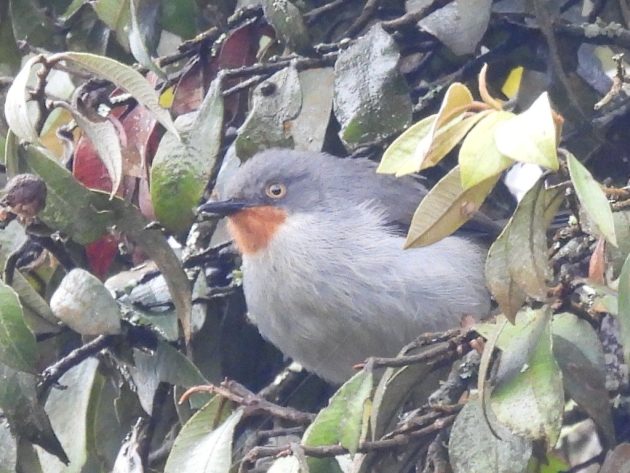
Rwanda is increasingly recognized as one of Africa’s most rewarding birding destinations, with more than 700 recorded bird species found across forests, wetlands, lakes, and savannahs. Its relatively compact size allows birders to explore a wide range of habitats within a short distance.
Dusky Crimsonwing
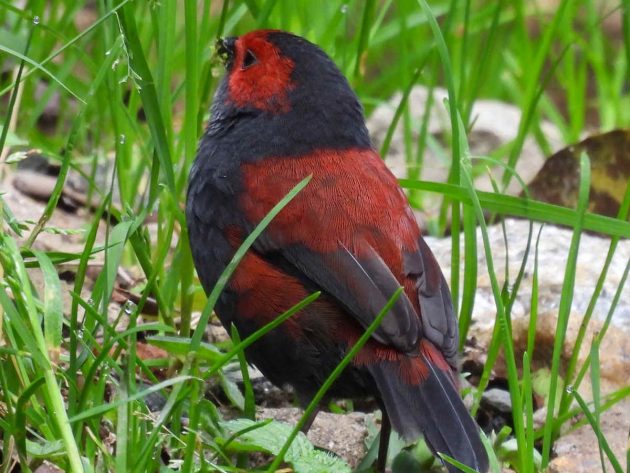
National Parks and Major Birding Destinations
Nyungwe National Park
Nyungwe National Park is among the best places to see Albertine Rift endemic birds. Its montane rainforest supports more than 30 endemic species.
Notable species recorded in Nyungwe include Red-collared Babbler, Rwenzori Turaco, Handsome Francolin, Kungwe Apalis, Purple-breasted Sunbird, Rockefeller’s Sunbird, Blue-headed Sunbird, Regal Sunbird, Rwenzori Batis, Stripe-breasted Tit, Grauer’s Warbler, Neumann’s Warbler, Black-faced Apalis, Mountain Yellow Warbler, Archer’s Robin-Chat, Dusky Crimsonwing, Strange Weaver, Red-faced Woodland Warbler, and Grauer’s Swamp Warbler. The Kivu race of Abyssinian Ground Thrush is also found here.
Nyungwe’s combination of dense forest, bamboo zones, swamps, and mountain ridges creates habitat for many localized species that are difficult to find elsewhere.
Important birding areas include Uwinka, Gisakura, Kamiranzovu Swamp, Bigugu Trail, Karamba Birding Site, Waterfall Trail, and Cyamudongo Forest.
Birders visiting Nyungwe often combine daytime forest birding with night excursions in search of species such as the Albertine Owlet, Red-chested Owl, and Rwenzori Nightjar.
Yellow-eyed Black Flycatcher
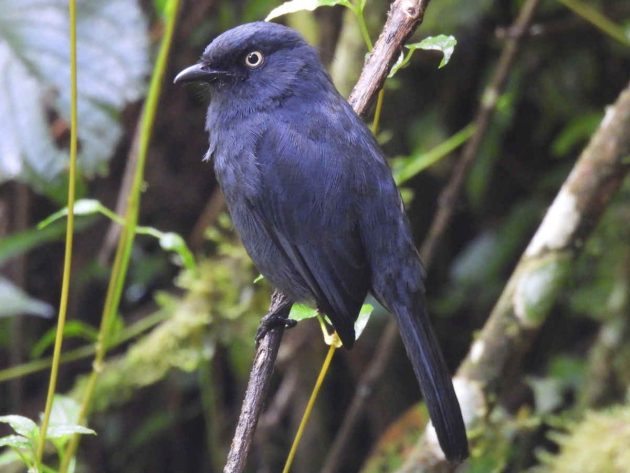
Akagera National Park
Akagera National Park, in eastern Rwanda, holds more than 500 recorded bird species. Its mix of savannah, wetlands, lakes, papyrus swamps, woodland, and grassland supports a wide variety of birds.
Waterbirds and Wetland Species
Akagera is especially known for its lakes and marshes. Species regularly recorded include Shoebill, African Fish Eagle, Papyrus Gonolek, African Jacana, Malachite Kingfisher, African Openbill, Saddle-billed Stork, Great White Pelican, Goliath Heron, and Squacco Heron.
Savannah and Grassland Birds
The park’s open habitats support species such as Brown-chested Lapwing, Ring-necked Francolin, Black-bellied Bustard, Temminck’s Courser, Lilac-breasted Roller, Red-necked Spurfowl, White-headed Buffalo Weaver, and Northern Black Korhaan.
Raptors
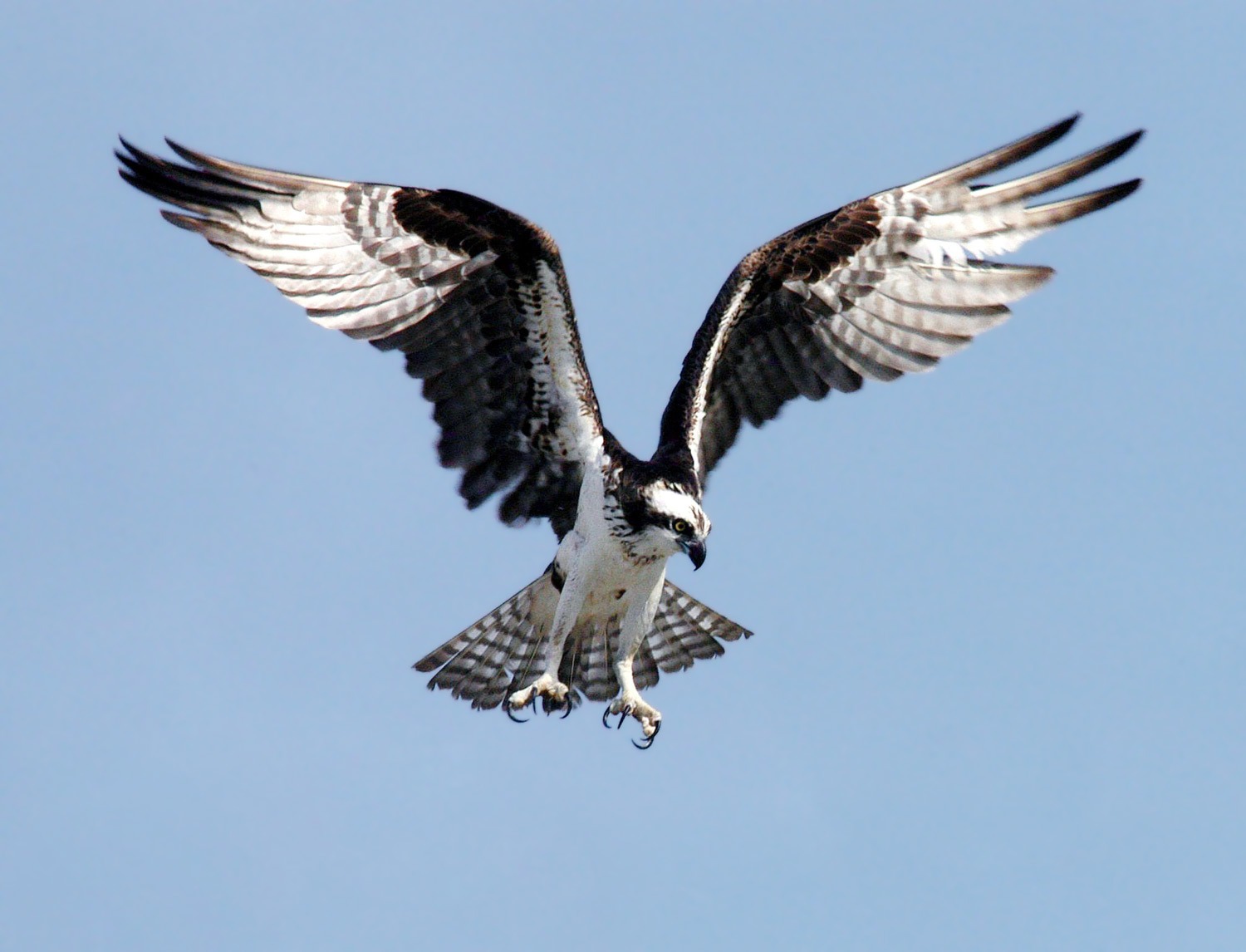
Akagera is also notable for birds of prey, including Bateleur, Martial Eagle, African Hawk-Eagle, Palm-nut Vulture, Lappet-faced Vulture, and Verreaux’s Eagle-Owl.
Key Birding Areas in Akagera
Lake Ihema
One of the park’s main birding sites, especially for waterbirds, kingfishers, herons, and fish eagles. Boat trips can be particularly productive.
Akagera Swamps
Known for papyrus specialists such as Papyrus Gonolek and White-winged Swamp Warbler.
Northern Plains
Good for savannah birds including lapwings, francolins, bustards, and raptors.
Mutumba Hills
A useful area for woodland birds and raptor watching.
Best Time for Birdwatching
The dry season from June to September generally offers easier road access and concentrated bird activity around water sources.
From November to April, migratory species are present and many resident birds are in breeding plumage.
Bird activity is usually highest in the early morning and late afternoon.
Akagera is unusual in Rwanda in combining large mammals, wetland birding, and savannah birdwatching within a single protected area.
Black-throated Apalis
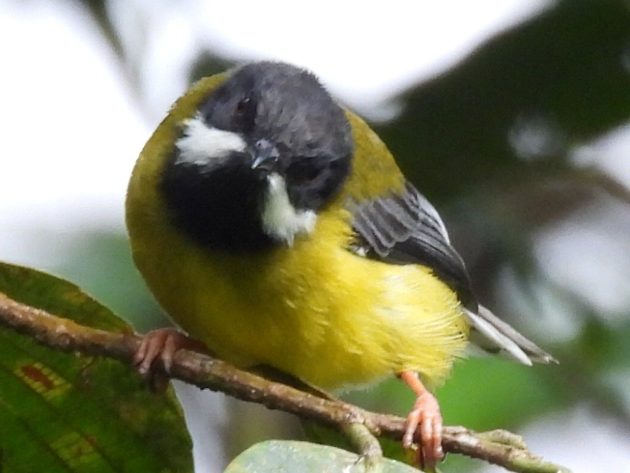
Volcanoes National Park
Volcanoes National Park is best known for mountain gorillas, but it also supports several high-altitude Albertine Rift endemics, including Stuhlmann’s Sunbird, Regal Sunbird, and Rwenzori Apalis.
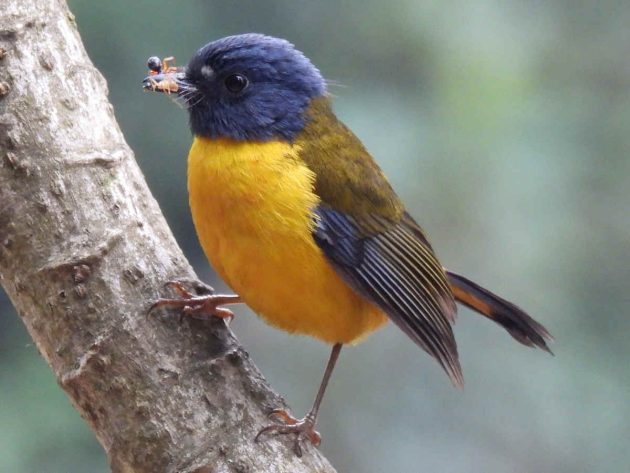
White-starred Robin
Gishwati-Mukura National Park
Gishwati-Mukura National Park protects recovering montane rainforest habitat and offers opportunities to observe forest birds and Albertine Rift species.
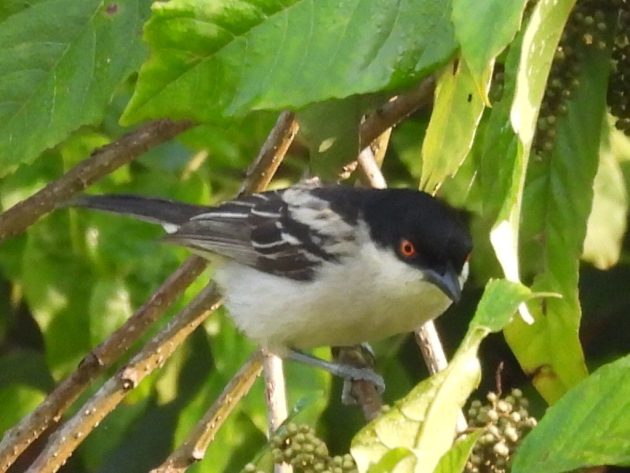
Northern Puffback
Nyandungu Urban Wetland Eco-Tourism Park
Nyandungu Urban Wetland Eco-Tourism Park is an urban wetland in Kigali that has become an accessible birding site for residents and visitors.
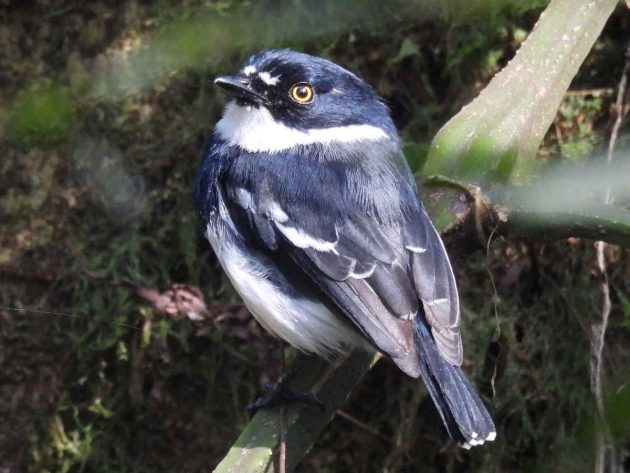
Rwenziri Batis
Rugezi Ornithology Center
The Rugezi Ornithology Center, near Rugezi Marsh, focuses on bird conservation, research, and ecotourism.
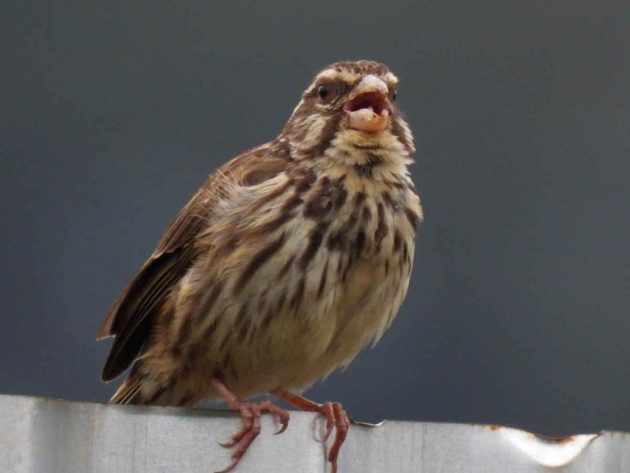
Streaky Seed-eater
Umusambi Village
Umusambi Village is known for its work conserving the endangered Grey Crowned Crane.
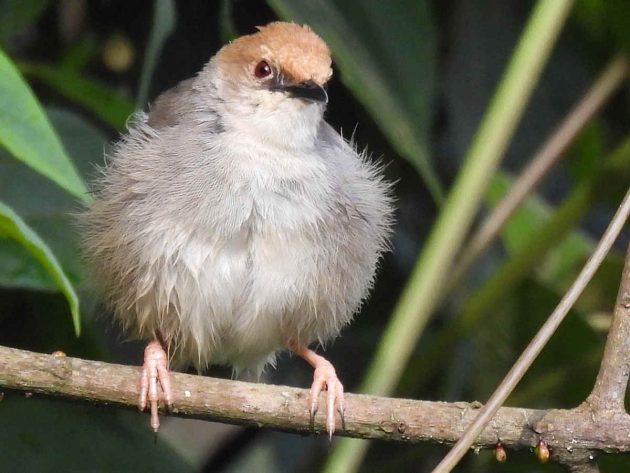
Chubb’s Cisticola
Lake Kivu
Lake Kivu offers birdwatching along its shoreline, with kingfishers, cormorants, herons, and other water-associated species.
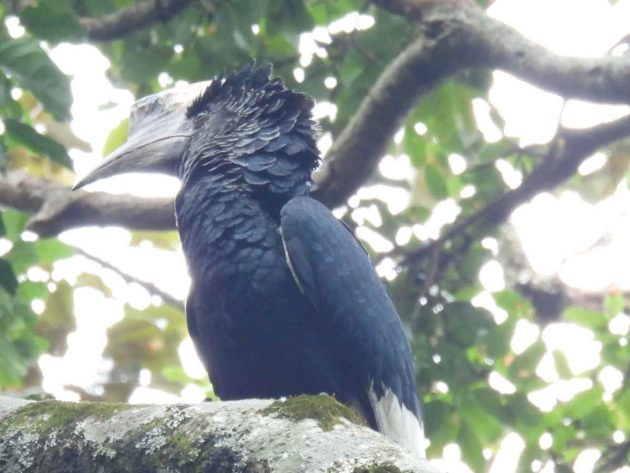
Black-and-white Casqued Hornbill
Lake Muhazi
Lake Muhazi is another productive site for waterbirds.
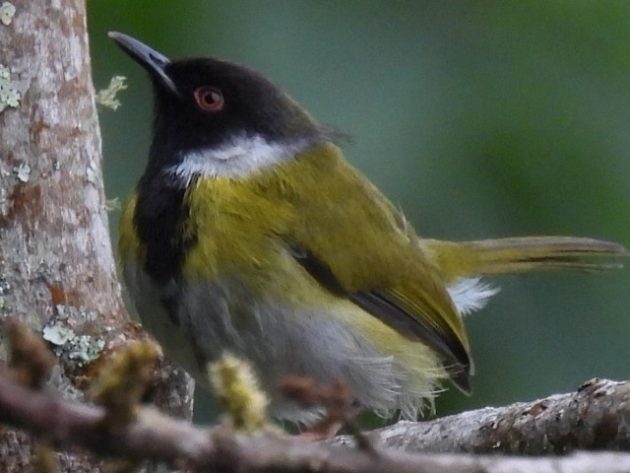
Black-faced Apalis
Other Birding Areas
Additional birding locations in Rwanda include Rugezi Marsh, Nyabarongo Wetlands, Cyamudongo Forest, Buhanga Eco-Park, and the wetlands around Bugesera.
Birdwatching in Rwanda offers a combination of Albertine Rift endemics, wetland species, and savannah birds within a relatively small geographic area.
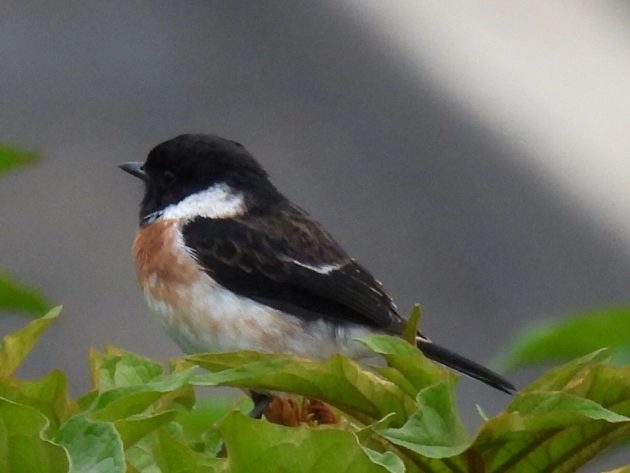
African Stonechat
All photos except the cover photo by nshutioppo1987@gmail.com
Cover photo “Nyungwe National Park” by Rwanda Government is licensed under CC BY-ND 2.0.
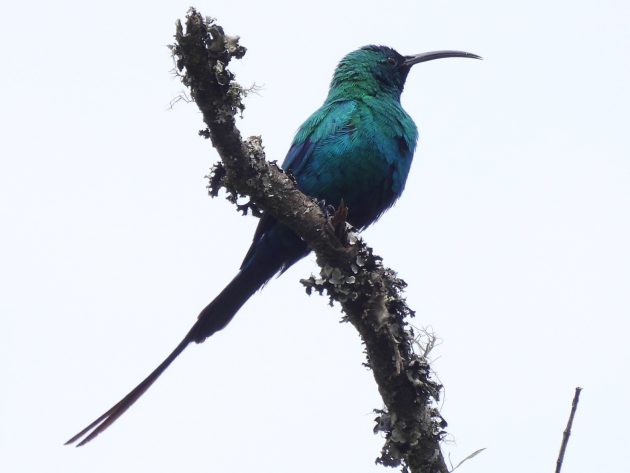
Malachite Sunbird













 English (US) ·
  French (CA) ·