

 3 months ago
64
3 months ago
64
PROTECT YOUR DNA WITH QUANTUM TECHNOLOGY
Orgo-Life the new way to the future Advertising by AdpathwayWhen most people think about volcanoes, they imagine ash clouds, lava flows, and dangerous gases filling the sky. Volcanoes are normally associated with pollution and climate disruption, not atmospheric cleanup. But scientists studying the massive 2022 Hunga Tonga eruption uncovered something unexpected: the volcanic plume may have actively destroyed methane in the atmosphere.
The discovery surprised researchers because methane is one of the most powerful greenhouse gases driving global warming. Instead of only releasing gases into the atmosphere, the volcanic cloud appeared to trigger chemical reactions that accelerated methane breakdown high above Earth. The finding is now attracting global attention because it could reshape scientific understanding of atmospheric chemistry and greenhouse gas behavior.
Why the Hunga Tonga Eruption Was Different From Most Volcanoes
The Hunga Tonga–Hunga Haʻapai eruption in January 2022 became one of the most powerful volcanic explosions recorded in modern history. The underwater volcano blasted enormous amounts of ash, water vapor, and gases deep into the atmosphere.
According to researchers cited by ScienceDaily, the eruption injected material nearly 60 kilometers above Earth's surface, reaching parts of the atmosphere rarely affected by volcanic activity. Several factors made the eruption unique:
- It occurred underwater
- Massive amounts of seawater mixed with volcanic material
- The eruption plume reached unusually high altitudes
- Satellites captured detailed atmospheric data during and after the event
Scientists quickly realized the eruption created rare chemical conditions that had not been studied on this scale before.
Why Methane Is Such a Serious Climate Problem
Methane may not receive as much public attention as carbon dioxide, but climate scientists consider it one of the most dangerous greenhouse gases.
Over a 20-year period, methane traps significantly more heat than carbon dioxide. Even though methane does not remain in the atmosphere as long, its short-term warming impact is extremely powerful. Major methane sources include:
- Oil and gas production
- Agriculture and livestock
- Landfills
- Coal mining
- Wetlands
Because methane has such a strong warming effect, reducing methane emissions is viewed as one of the fastest ways to slow rising global temperatures.
That is why researchers became so interested when evidence suggested a volcano destroys methane under certain atmospheric conditions.
How Scientists Detected Methane Removal in Atmosphere
Researchers used satellite instruments to examine the volcanic plume after the eruption. Instead of finding only sulfur dioxide and ash, scientists detected unusually high concentrations of formaldehyde. Formaldehyde became a key clue because it forms when methane breaks apart in the atmosphere.
The data suggested methane oxidation was happening rapidly inside the volcanic cloud. According to researchers, the plume may have destroyed hundreds of megagrams of methane each day during peak activity.
A report discussed by Popular Mechanics noted that scientists believe the methane destruction process continued for more than a week after the eruption.
The discovery challenged long-standing assumptions about volcanic emissions because volcanoes are usually viewed as contributors to atmospheric pollution rather than systems capable of methane removal in the atmosphere.
The Chemistry Behind the Volcano Destroys Methane Discovery
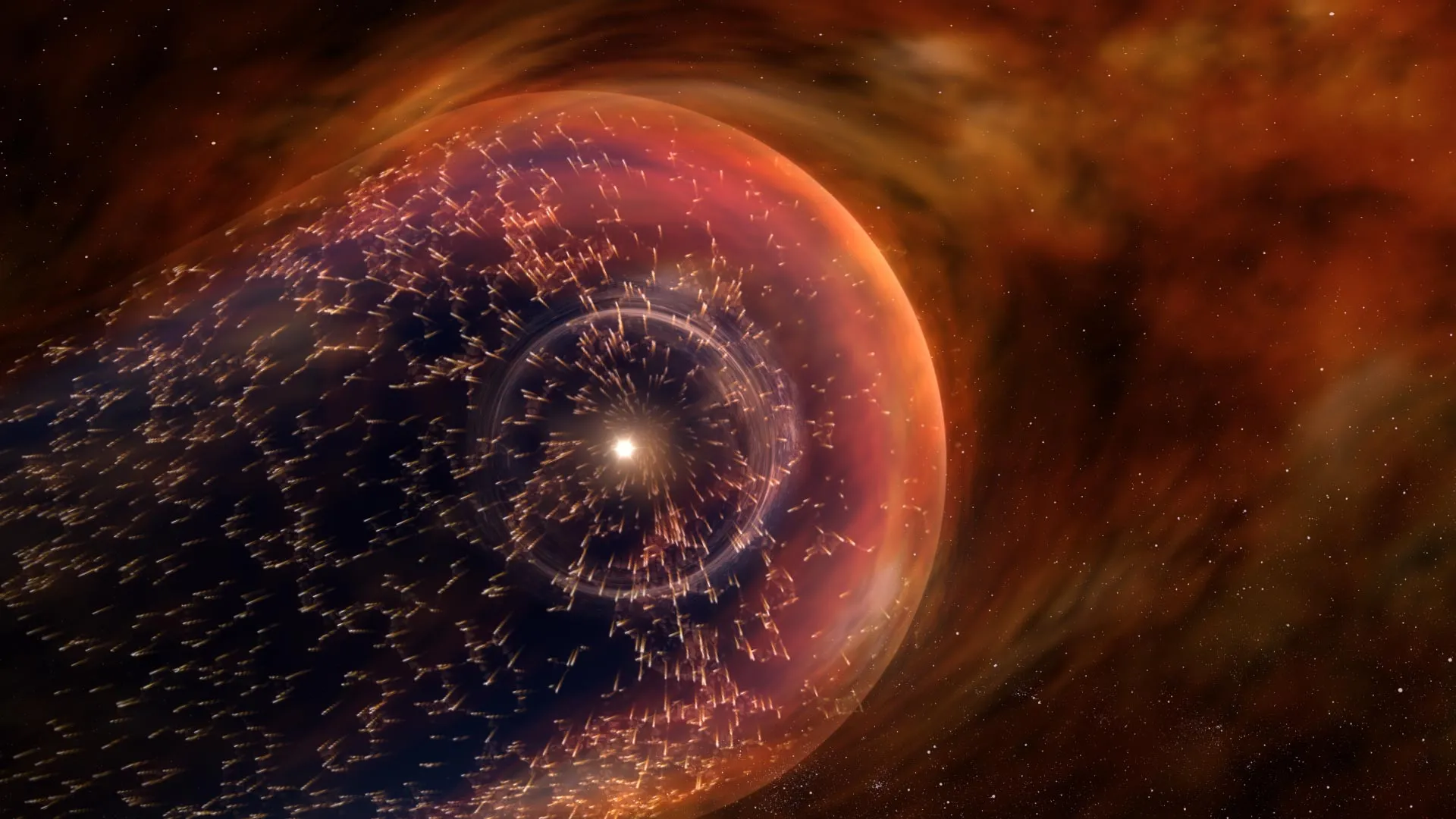
Scientists believe the methane destruction process happened because of a rare combination of volcanic ash, seawater, sunlight, and chlorine chemistry. During the eruption, seawater mixed with volcanic particles high in the atmosphere.
Researchers think this produced sea salt aerosols rich in chlorine compounds. When sunlight interacted with those particles, highly reactive chlorine radicals formed inside the plume. Those radicals are capable of attacking methane molecules and breaking them apart.
Researchers believe the process likely followed several stages:
- Seawater entered the volcanic plume
- Salt particles mixed with ash and sulfur compounds
- Sunlight activated chlorine chemistry
- Chlorine radicals reacted with methane
- Methane oxidation produced formaldehyde
This unusual chain reaction became known as the Hunga Tonga eruption methane effect. Scientists from the University of Copenhagenlater described the eruption as an example of a volcano partially "cleaning up after itself" through atmospheric chemistry reactions.
Why Researchers Were So Surprised
Scientists already understood that methane naturally breaks down over time through reactions involving hydroxyl radicals. However, the Tonga eruption appeared to create a much faster and different methane destruction pathway.
Researchers did not expect chlorine-driven reactions to remove methane so efficiently inside a volcanic cloud.
That surprise matters because climate models may not fully account for these rare atmospheric processes.
The findings also suggest there are still major gaps in scientific understanding of atmospheric chemistry, especially during extreme natural events.
Some scientists now believe volcanic plumes could contain far more complex chemical interactions than previously thought.
Could This Discovery Help Climate Research?
The discovery immediately raised questions about whether similar chemistry could inspire future methane-removal technologies.
Interest in methane removal has grown rapidly because reducing methane could slow warming faster than carbon dioxide reductions alone in the short term. Possible research areas include:
- Artificial methane oxidation systems
- Atmospheric cleanup technologies
- Chlorine-based methane destruction studies
- Improved climate monitoring systems
Still, scientists stress that volcanoes are not a climate solution.
The amount of methane removed during the eruption was relatively small compared to global human-caused emissions. The eruption also released enormous quantities of water vapor and other gases into the atmosphere.
Researchers continue to emphasize that cutting fossil fuel emissions remains the most important strategy for slowing climate change.
Satellites Made the Discovery Possible
Modern satellite technology played a huge role in detecting the methane reactions.
Advanced atmospheric monitoring systems tracked gases and aerosols inside the volcanic plume in real time. Instruments aboard Earth-observing satellites measured methane, sulfur dioxide, and formaldehyde concentrations across large areas. Without satellite monitoring, the methane removal in the atmosphere might never have been detected.
According to reporting from ScienceDaily and atmospheric chemistry researchers, future volcanic eruptions will likely receive much closer chemical analysis because of the Tonga findings. Scientists now want to determine whether similar methane reactions occur more often than previously believed.
Why the Hunga Tonga Eruption Methane Effect Matters
The Hunga Tonga eruption methane effect is changing how researchers think about volcanic clouds and atmospheric chemistry. Several important questions remain unanswered:
- Do other underwater eruptions destroy methane?
- How common are chlorine-driven methane reactions?
- Could climate models underestimate methane removal?
- Are similar atmospheric reactions happening elsewhere?
Researchers are expected to spend years analyzing data from the eruption because events of this size are extremely rare.
The findings also highlight how Earth's atmosphere still contains chemical processes scientists are only beginning to understand. What began as a devastating volcanic eruption may now become one of the most important atmospheric chemistry discoveries in recent years.
Sources casually referenced in this article include research discussed by ScienceDaily, reporting from Popular Mechanics, and atmospheric chemistry findings from the University of Copenhagen.
Frequently Asked Questions
1. Can volcanoes really destroy methane?
Yes, scientists believe certain volcanic plumes can trigger chemical reactions that break down methane in the atmosphere. The Hunga Tonga eruption provided strong evidence of this process.
2. Why is methane dangerous for the climate?
Methane traps much more heat than carbon dioxide over shorter periods of time, making it a major contributor to global warming.
3. What made the Hunga Tonga eruption unusual?
The eruption injected huge amounts of seawater, ash, and gases high into the atmosphere, creating rare chemical conditions linked to methane destruction.
© 2026 NatureWorldNews.com All rights reserved. Do not reproduce without permission.












 English (US) ·
  French (CA) ·