

 4 hours ago
17
PROTECT YOUR DNA WITH QUANTUM TECHNOLOGY
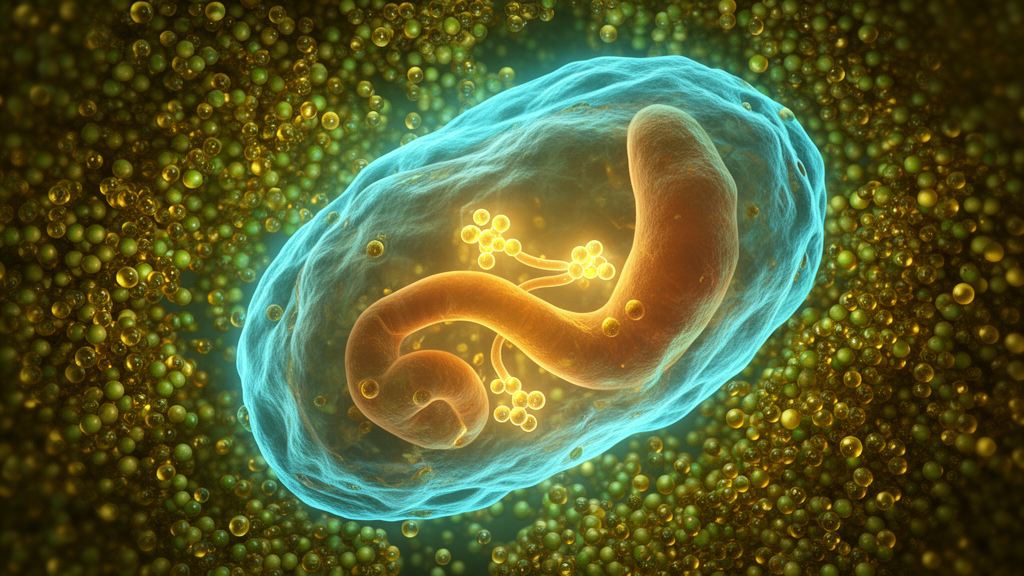
Orgo-Life the new way to the future Advertising by AdpathwayGestational exposure to cannabidiol disrupts early male germ cell differentiation and leads to impaired sperm production in adulthood, according to a preclinical rodent study published in Cell Biology and Toxicology. Researchers observed that prenatal exposure in mice prompted early stem-like spermatogonial cells to shift prematurely toward a differentiated state, ultimately producing lasting defects in mature testicular function.
The investigation was prompted by increasing maternal use of cannabidiol isolates to relieve common pregnancy-related conditions, including nausea, vomiting, anxiety, and depression. While public consumption has expanded, the biological consequences of gestational exposure on the reproductive development of offspring have remained poorly characterized.
To evaluate these developmental consequences, pregnant female mice were administered daily oral doses of either a vehicle control consisting of dimethyl sulfoxide or cannabidiol at dosages of 5 or 20 milligrams per kilogram of body weight per day. The researchers subsequently collected and analyzed the gonadal tissues of male offspring at two distinct post-birth timepoints: at five days postpartum, when spermatogonia typically reside in an undifferentiated state, and again after the animals reached reproductive adulthood.
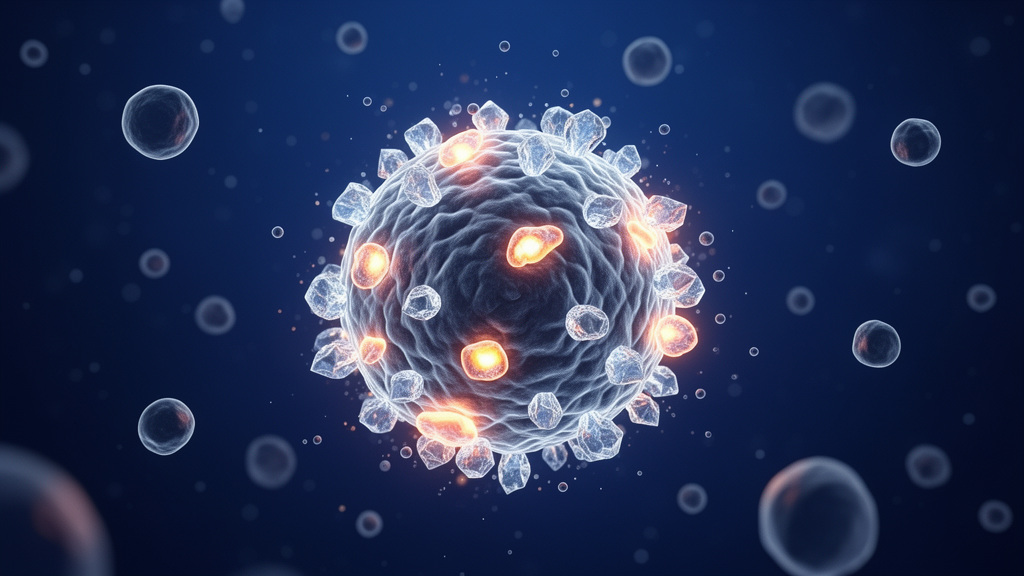
Initial morphological assessments indicated that gestational treatment did not alter basic litter outcomes or disrupt gross testicular morphology in five-day-old male pups. However, targeted cellular and transcriptomic evaluations demonstrated marked disruptions in spermatogonial homeostasis. Under normal conditions, neonatal male gonads maintain a foundational pool of stem-like spermatogonia characterized by the expression of the marker GFRA1. In cannabidiol-exposed male offspring, the proportion of these undifferentiated cells decreased, while markers of differentiation commitment, notably SOX3 and RARG, showed significant upregulation.
This premature developmental transition was accompanied by specific molecular alterations within the neonatal testicular environment. The researchers detected changes in the expression of cannabinoid receptor 1, showing reduced receptor protein levels in exposed testicular tissues.
Parallel to the in vivo findings, exposure within the ex vivo culture system induced a significant shift toward differentiation commitment among early spermatogonia. This experimental validation reinforced the observation that immature testicular tissue is directly susceptible to cannabidiol-mediated disruptions in cellular maturation pathways.
Follow-up assessments conducted when the male offspring matured into adulthood confirmed that the early perturbations in germ cell homeostasis caused enduring functional deficits. Adult male mice exposed to cannabidiol in utero exhibited reduced total sperm counts and evidence of meiotic alterations during active spermatogenesis.
The study highlights a defined mechanistic link between in utero cannabinoid exposure, epigenetic and receptor remodeling, and lasting reproductive impairment in male rodents. Because the reported observations derive from controlled experimental regimens in mice, direct clinical extrapolation to human health requires caution. Nevertheless, the identified alterations in germ cell populations, histone modifications, and adult sperm metrics underscore the biological vulnerability of developing reproductive systems to exogenous cannabinoid compounds during embryonic life.
Subject of Research: Effects of prenatal cannabidiol exposure on male germ cell differentiation and adult spermatogenesis
Article Title: Prenatal exposure to cannabidiol affects spermatogonial homeostasis and the production of spermatozoa in adulthood
Article References: Wu, L., Manfrevola, F., Desdoits-Lethimonier, C., Toupin, M., Monterozo, D., Cobellis, G., Chalmel, F., Dejucq-Rainsford, N., & Gely-Pernot, A. (2026). Prenatal exposure to cannabidiol affects spermatogonial homeostasis and the production of spermatozoa in adulthood. Cell Biology and Toxicology. https://doi.org/10.1007/s10565-026-10235-7
Image Credits: AI Generated
DOI: 10.1007/s10565-026-10235-7
Keywords: Cannabidiol, Prenatal Exposure, Spermatogenesis, Spermatogonia, Male Reproduction, Testicular Biology, Endocannabinoid System, Cannabinoid Receptor 1, GFRA1, SOX3, RARG, Histone Methylation, Epigenetics, Kallikrein Genes, Sperm Count, Mouse Model











 English (US) ·
 French (CA) ·