

PROTECT YOUR DNA WITH QUANTUM TECHNOLOGY
Orgo-Life the new way to the future Advertising by AdpathwayThe new law, which also presumes fentanyl as cause of death in related overdose cases, aims to track the state’s fentanyl crisis, but recovery advocates warn it could discourage people from calling 911 and leaves implementation details unresolved
November 03, 2026 03:55 PM •
OKLAHOMA CITY — A new Oklahoma law requires first responders to notify law enforcement whenever they respond to a drug overdose.
House Bill 2941, which passed the House 87-2 in March, went into effect Nov. 1, KFOR reported.
| NEW RESOURCE: An AAR checklist for incident commanders
The law states first responders only have to notify law enforcement after they have fully attended to the person’s medical needs. It will also require investigators to presume fentanyl was the cause of death in cases where someone dies following a fentanyl overdose.
In a statement, the bill’s author, Rep. Steve Bashore, said the measure is aimed at gathering data to pinpoint where the addiction crisis is spreading.
“Fentanyl is a growing problem in our state and across the nation,” Bashore said. “Having more detailed data on the spread of this deadly drug in Oklahoma will help law enforcement identify problem areas, direct resources where they are needed most and better target those responsible for distributing this deadly drug.”
Brandi Vore, executive director of OCARTA (Oklahoma Citizen Advocates for Recovery and Transformation Association), a group working on the addiction crisis, told KFOR that the law leaves a lot unclear, including how the notification process would work in real time, whether it could overwhelm 911 operators, and who would oversee data collection and tracking.
Vore said people struggling with addiction are often already hesitant to call 911 for help, and knowing law enforcement may become involved is unlikely to make that decision any easier.
She added the law could help identify “hot areas” experiencing a higher spike in need, but added that carrying it out must prioritize building trust between law enforcement and people in crisis, according to KFOR.
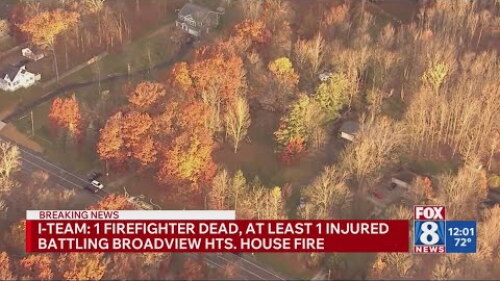
A North Royalton firefighter died while battling a house fire in Broadview Heights
November 03, 2026 09:19 AM
·

The Austin-bound-for-Bahamas Learjet 60 entered a steep dive after reporting icing and turbulence, with the pilot radioing a mayday before crashing near Palm Beach County homes
November 02, 2026 07:03 AM

Pagosa Springs braced for the San Juan River to crest above its historic 1911 flood level as Sedona crews conducted rooftop and helicopter rescues, with the region seeing months’ worth of rain in just a couple of days
November 02, 2026 07:22 AM

Lowell’s unanimous vote aims to move the understaffed fire department toward its goal of 213 full-time firefighters and curb overtime costs that have threatened to exceed $4 million annually, amid ongoing station brownouts and sick leave disputes
November 02, 2026 07:48 AM

The NVFC is accepting speaker proposals covering 90-minute sessions on first responder health and safety, recruitment and retention, and emergency service leadership
October 05, 2026 03:39 PM

Bill Carey is the associate editor for FireRescue1.com and EMS1.com. A former Maryland volunteer firefighter, sergeant, and lieutenant, Bill has written for several fire service publications and platforms. His work on firefighter behavioral health garnered a 2014 Neal Award nomination. His ongoing research and writings about line-of-duty death data is frequently cited in articles, presentations, and trainings. Have a news tip? He can be reached at news@lexipol.com.















 English (US) ·
 French (CA) ·