

Moving water is a glorious addition to a garden in summer. It refracts sunlight for pretty ever-moving patterns and its bubbling sound instantly makes you feel calmer and cooler. Once upon a time, if you wanted a water feature in your garden, you had to call in a plumber – and we all know how expensive that is. Then plug-and-go water features were invented, and employing an electrician was a little cheaper. But now? You can DIY a micropond all by yourself, for minimal expense.
Microponds are a huge garden trend this year, and no wonder. They’re quick and easy to create, and add so much charm to your outdoor aesthetics. Because they're powered by a solar fountain, these water features can sit pretty much anywhere in your garden that gets some sunshine. What’s more, you can reposition your micropond to switch up your garden, and even take it with you if you move house – because the core element of this water feature is that it’s created in a container. As far as quick and clever ideas for container gardening go, it's a winner!
Whether you want your DIY water feature to support wildlife, allow you to grow aquatic plants, or simply to decorate your deck or a border of blooms, this is such a versatile idea. A quick search on socials and you’ll see gardeners are dreaming up all sorts of innovative ways to add a solar micropond to their gardens, so let your imagination run riot. But first, here's all the information you need to create the must-have water feature of the summer.
1. Choose a Container
You can make your water feature as big or small as you wish, though obviously the more mini your micropond, the more often you’ll need to top it up with water. If it's purely decorative, the container simply needs to be wide and deep enough for the solar fountain to work. To function as a living pond and sustain plant- or animal life longterm, however, it’s best to go bigger with a container that's at least 24 inches in diameter and 12 inches deep.
As long as the container is watertight, you can use anything you like, and many folk choose to upcycle a container they’ve already got. You can patch up holes in a vintage vessel or fill drainage holes in a planter with marine-grade silicone sealant such as this from Amazon. If you’re using an old Belfast or Butler (farmhouse) sink, use the sealant to fix a universal bathtub plug such as this from Amazon in place.
If you need to buy a container, then planters are often a far more cost-effective buy than purpose-made water feature bowls, and those intended for succulents typically don't have a drainage hole. Have a look at resin or plastic planters which mimic natural materials such as stone or slate, and are typically far cheaper than the real thing. Hunt around in your local hardware store for good-value animal waterers or sturdy utility tubs that would serve as containers, too.
Unglazed terracotta pots are porous, so they're not suitable.
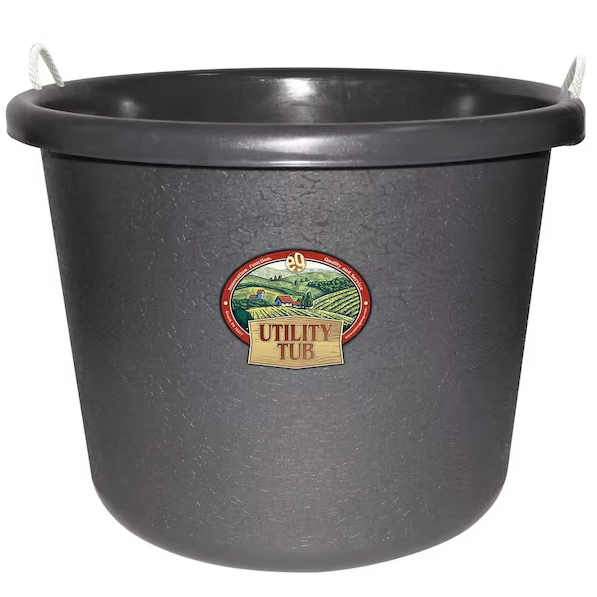 functional
Emsco Durable 17.5 Gallon Durable Plastic Utility Tub
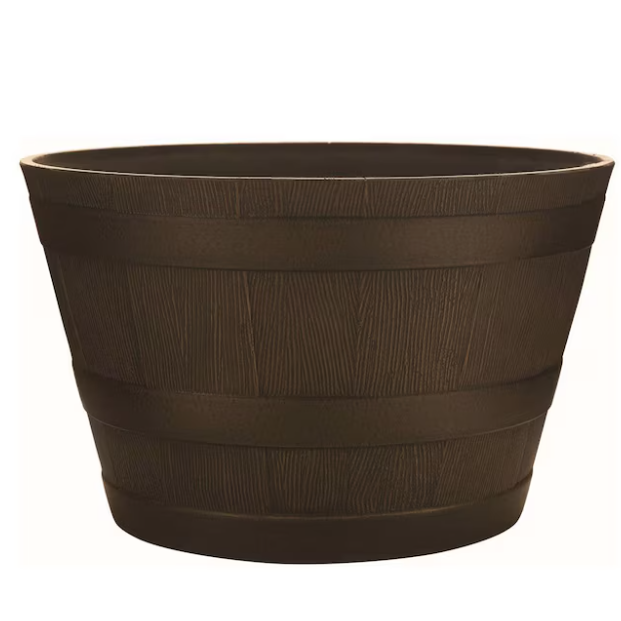 fashionable
22.24" x 13" Outdoor Whisky Barrel Resin Planter
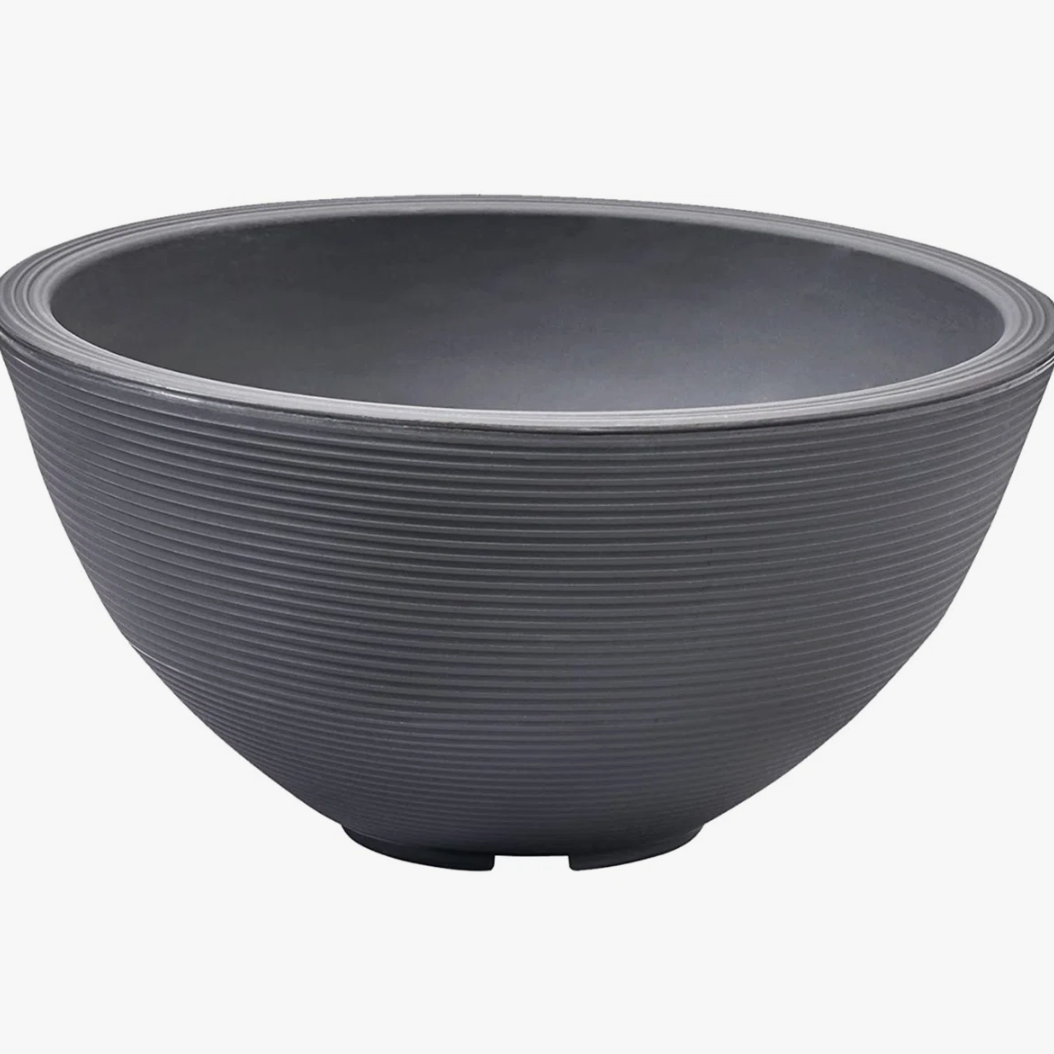 fancy
fancy
Crescent Garden 26" x 13" Resin Bowl Planter
2. Position Your Micropond
Any small body of water will heat up and evaporate more quickly than a larger area, so it’s important to choose the right levels of sun and shade. Most aquatic water plants need some sunshine to thrive, more pollinators will visit a sunny spot, and your solar fountain obviously needs sunlight to function. However, too much sun creates ideal conditions for algae.
The ideal spot will get 4-6 hours of sunshine in the morning or evening (or a mix of both) but be shaded through the hottest part of the day.
Consider what plants will be around and above your micropond too: you don’t want to be forever fishing out fallen leaves. Work out where your water feature will bring you the most enjoyment, too: would you like to see it mid-border, surrounded by blooms, or enjoy the bubbling soundscape next to your favorite patio armchair?
3. Make it Safe for Wildlife
(Image credit: Getty Images)
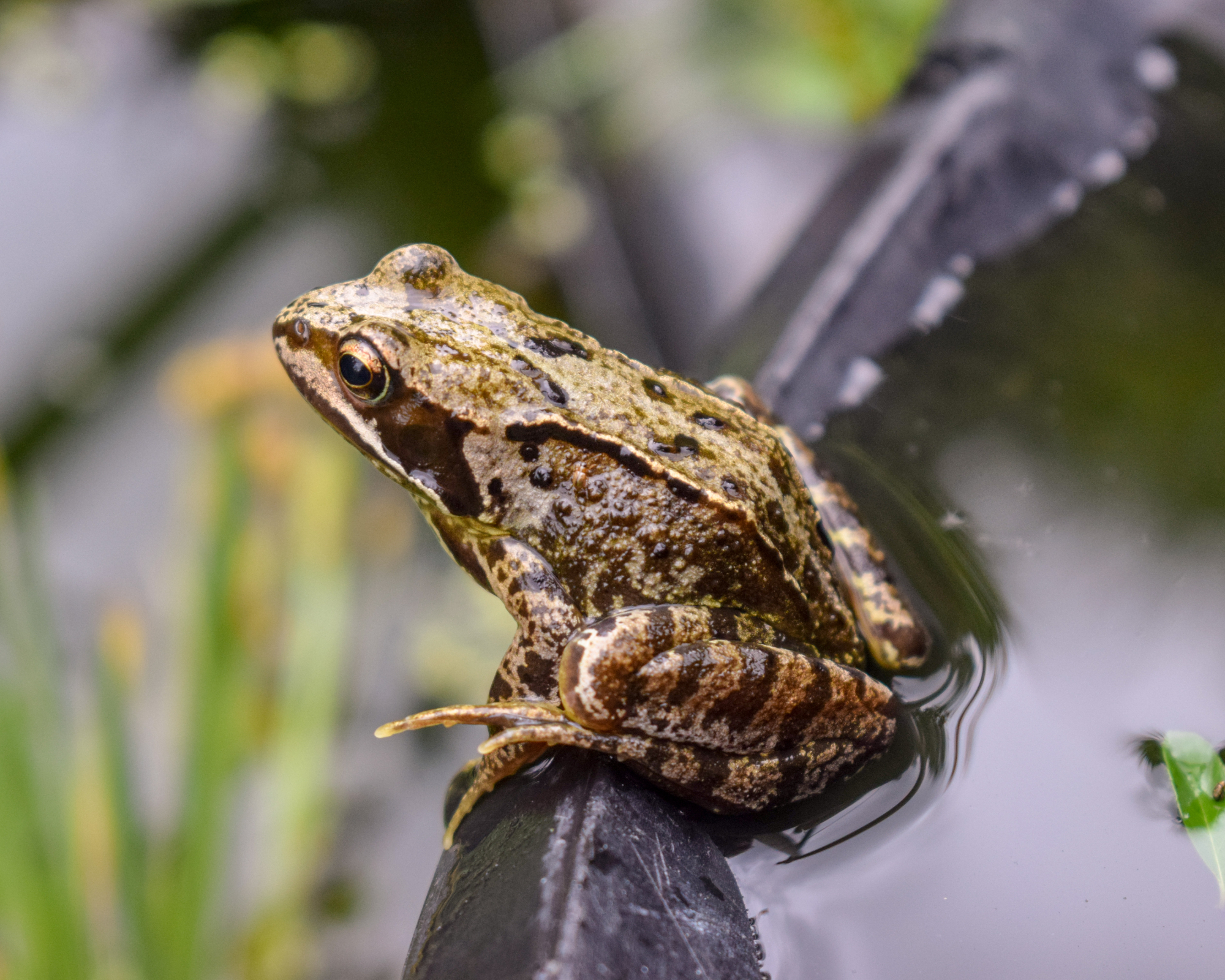
Whether or not you want wildlife to use your micropond, some will inevitably visit, so it's important to ensure critters can safely climb in and out. Add a stack of clean rocks, bricks or a log at an internal edge of your micropon, or a small wildlife ramp such as this from Amazon.
4. Fill With Water
If you’re growing aquatic plants or you want wildlife to use your micropond, it’s best to fill it with rainwater collected in a rain barrel or water butt.
5. Add Some Plants, if You Want
(Image credit: Shutterstock)
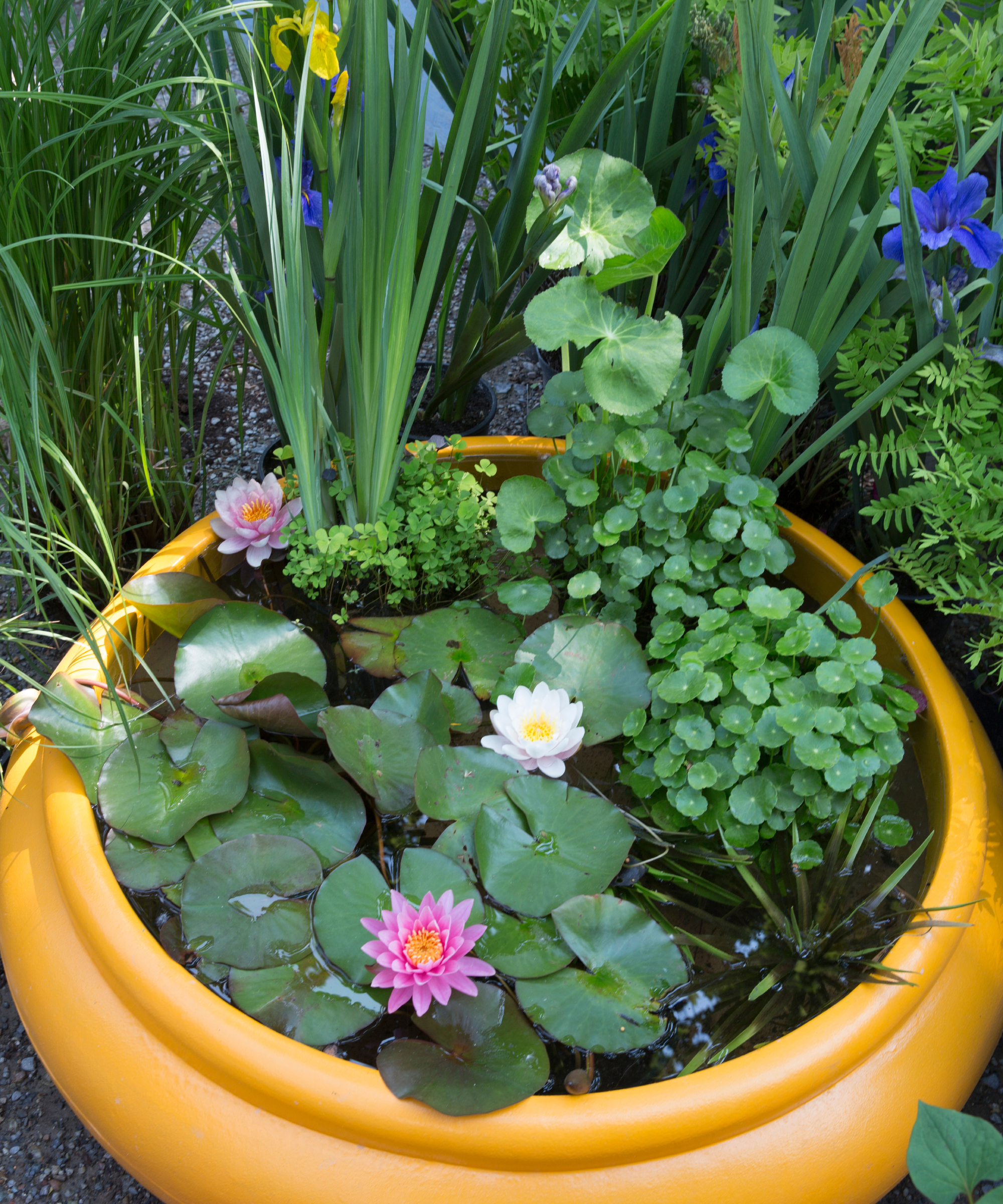
You don't need to add plants to your micropond, but if you do, choose wisely as pond plants tend to grow quickly, and it's best to leave at least part of the water's surface area clear. So, just as you choose plants that are the right size for your patio pots, you need to pick your micropond flowers and foliage to suit your container.
It’s best to buy water plants from a specialist supplier such as Pond Plants of America. Lesser spearwort (Ranunculus flammua) and water forget-me-not (Myosotis scorpioides) – available in pink as well as blue, are all great compact choices for a micropond, and are stocked by Pond Plants of America.
6. Create Water Movement
(Image credit: Getty Images)
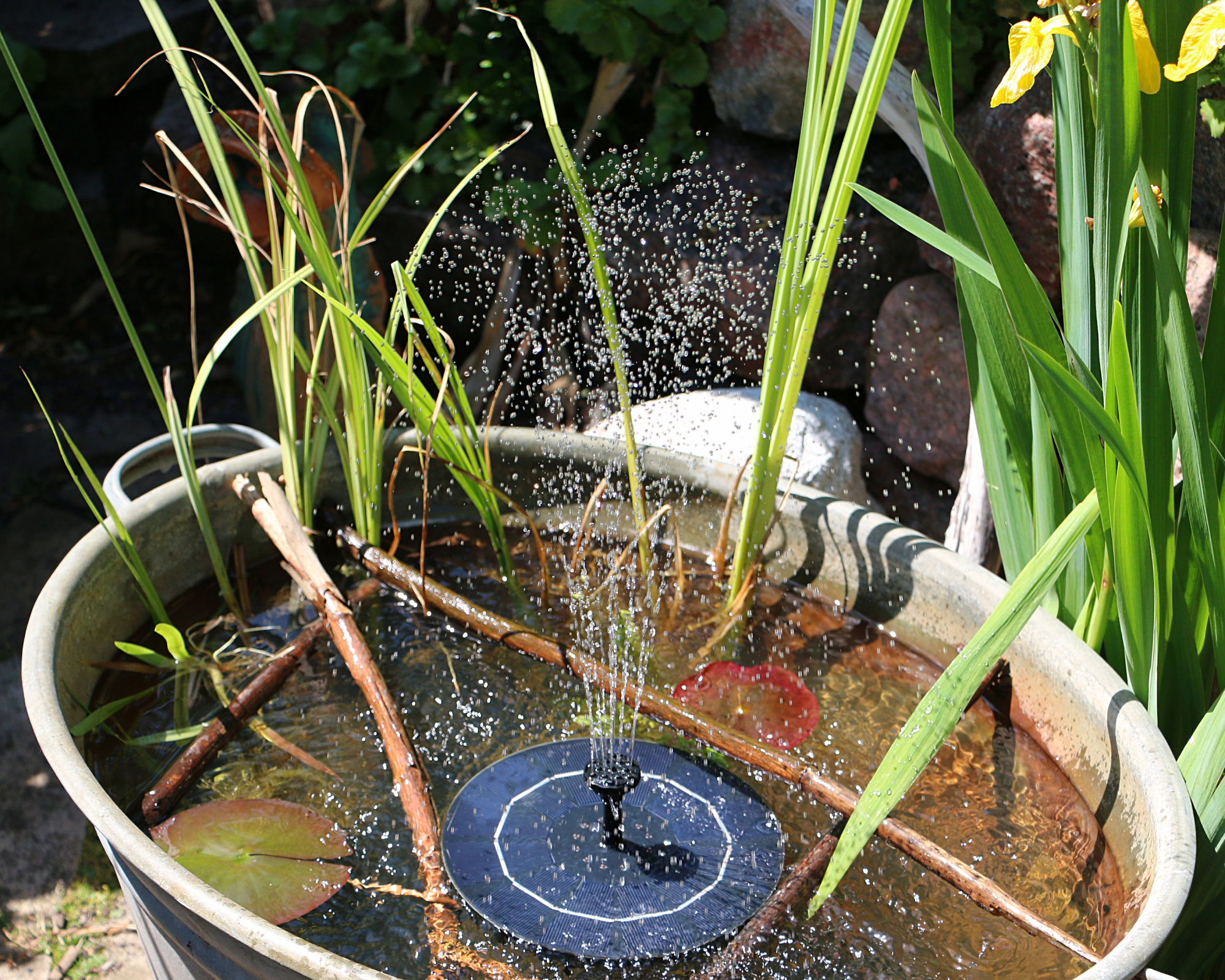
A floating solar-powered water fountain will add soothing sound as well as appealing movement. It has practical benefits, too, oxygenating the water which prevents it from stagnating. And, because mosquitoes lay their eggs in still water, a water fountain means you won’t inadvertently be providing skeeters with a breeding ground in your garden.
When you're making DIY water features with solar fountains, it's important to choose the right level of power for the size of your container, as a high-powered fountain in a small container will splash water over the rim and you’ll have to refill more often.
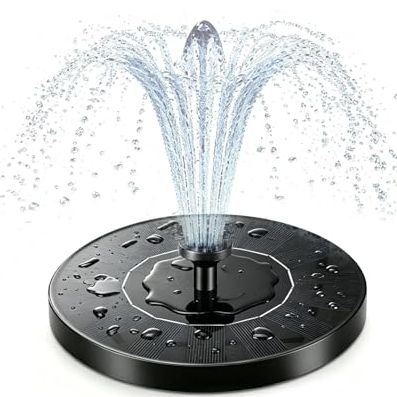 1.5 watts
Floating Solar Water Fountain With 7 Spray Modes
This solar-powered floating fountain is designed for use in birdbaths so it's perfect for gentle bubbling in smaller containers, and has 7 nozzles for a variety of spray patterns.
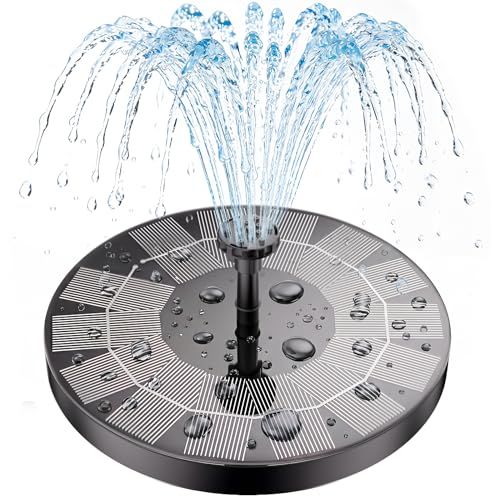 2.5 watts
Outdoor Floating Solar Fountain With 6 Nozzles
This mid-range fountain has a spray heigh of 15-20 inches. Six nozzles mean you can select a spray pattern from narrow to wide to suit your container perfectly.
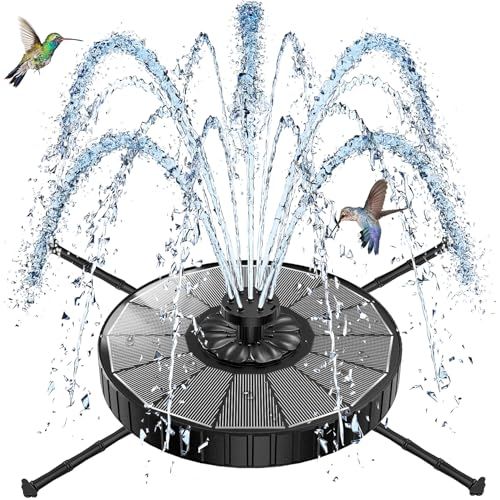 3.5 Watts
Solar Fountain With 3 Spray Heights
Large solar panels mean this is a well-powered water fountain, and the four adjustable rods stop it from floating too close to the pond edge, reducing water loss.
7. Keep Your Micropond Topped Up
Depending on the size of your container, you’ll need to top it up regularly, especially in hot weather. It's best to use rainwater if you can.
8. Accessorize!
(Image credit: Getty Images)
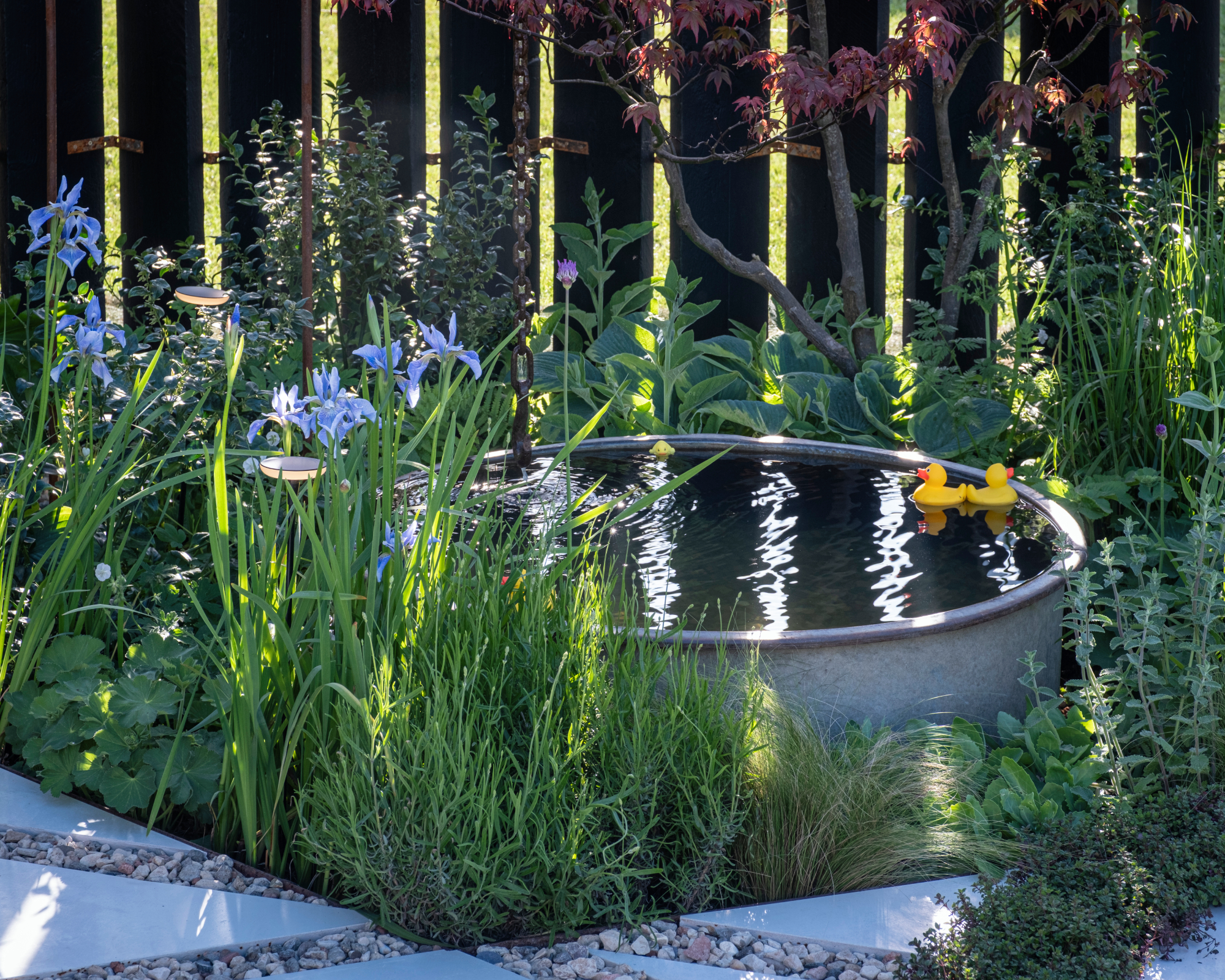
Don't miss the opportunity to dress your micropond, inside and out. Rounded river pebbles strewn around the base grounds the container if it's standing on paving or decking. Add some personality, too, even if it's just while you're waiting for those pond plants to grow or critters to naturally find their way to your new water feature. After all, this is your new favorite garden feature!
Warning: Any body of water, no matter how small, poses a drowning risk to young children.












 English (US) ·
  French (CA) ·