

 1 week ago
36
1 week ago
36
Dance, music, pageantry, local flavors, and the vibrant spirit of Northern Mindanao come together every May in Gingoog City.

Lubi-Lubi Festival in Gingoog City
For travelers who enjoy festivals that feel energetic, colorful, and deeply connected to local life, the Lubi-Lubi Festival in Gingoog City, Misamis Oriental, is worth adding to a Mindanao travel calendar.
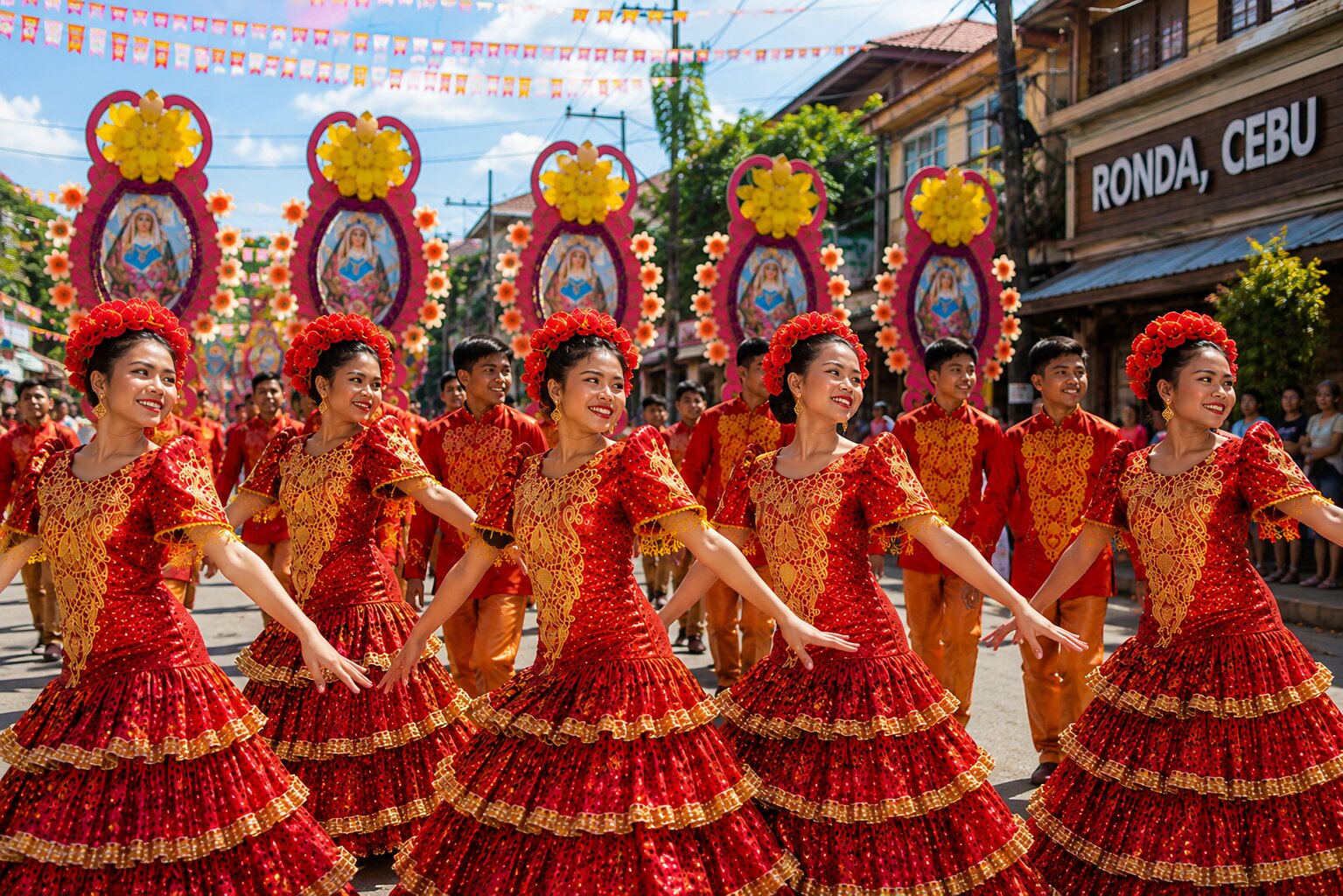
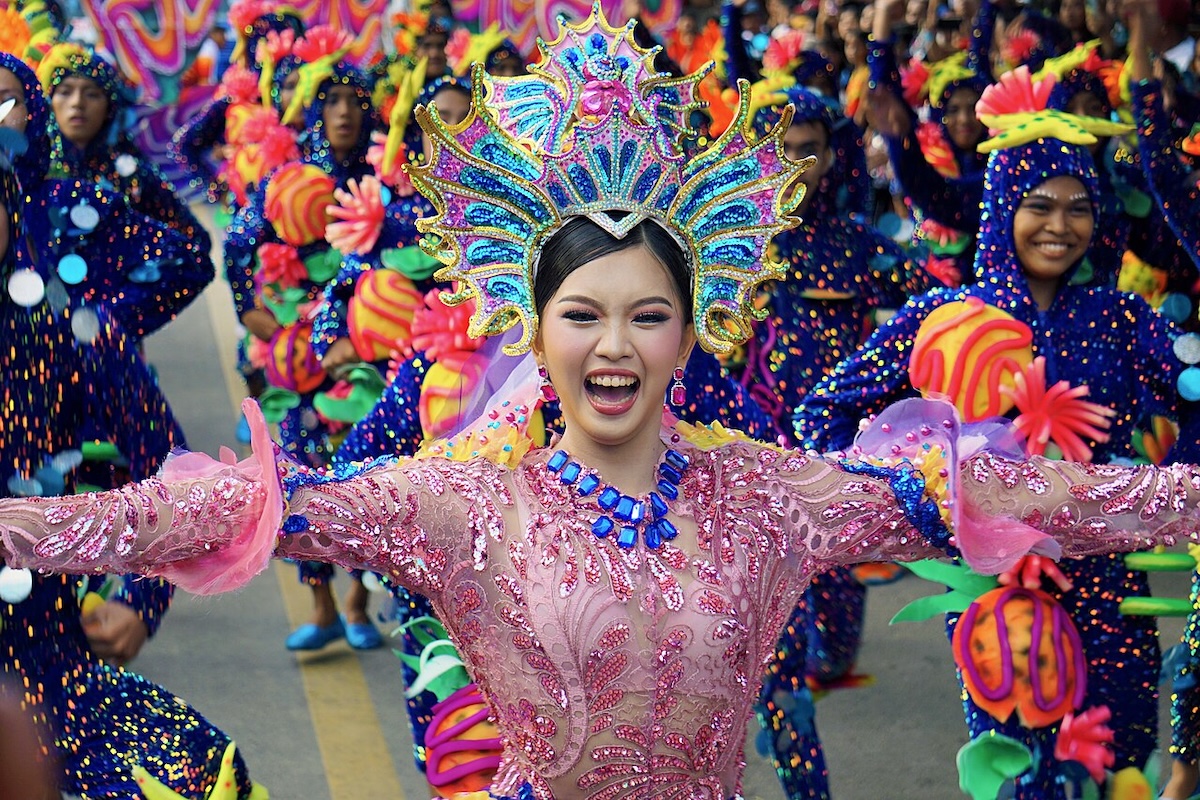
Held every May 22, the celebration combines the city’s coconut-growing heritage with its annual fiesta honoring Santa Rita de Cascia, Gingoog’s patroness. Its signature attraction is the Sayaw Lubi-Lubi, a lively street-dancing tradition in which performers transform coconut materials into costumes, props, and visual elements. The City Government of Gingoog describes it as an indigenous coconut dance involving both rural and urban barangays.
The festival is particularly appealing to travelers who prefer to experience a destination through its food, traditions, music, people, and street celebrations rather than simply ticking off tourist attractions.
What Is the Lubi-Lubi Festival?
The name comes from lubi, a local word for coconut. The festival celebrates one of Gingoog’s important agricultural products while highlighting community creativity and local identity.
At the heart of the celebration is Sayaw Lubi-Lubi, a street dance that incorporates coconut and coconut-derived materials into elaborate costumes and performances. Past celebrations have featured coconut midribs, shells, husks, trunks, roots, and other parts of the tree transformed into headpieces, masks, body decorations, and costumes.
Beyond the spectacle, the festival represents peace, love, unity, and thanksgiving among Gingoognons. It is also held in conjunction with the feast of Santa Rita de Cascia, giving the festivities both cultural and religious dimensions.
A Brief History of Lubi-Lubi
Lubi-Lubi has grown into one of Gingoog City’s signature annual celebrations. Historical accounts indicate that an early edition of the festival was held around 2009, with the 2015 celebration described as its seventh edition.
Its development is closely tied to Gingoog’s coconut industry. Rather than treating coconut simply as an agricultural commodity, the festival turns the “tree of life” into a source of artistic inspiration. Performers and designers use different parts of the coconut tree to create costumes and props, making the agricultural heritage visible in the streets.
The festival also forms part of the city’s long-running fiesta tradition honoring Santa Rita de Cascia. The religious celebration and the cultural festival come together in May, creating a distinctly Gingoog experience that blends faith, agriculture, community pride, and entertainment.
The national government has repeatedly declared May 22 a special non-working day in Gingoog in observance of Lubi-Lubi. For 2026, May 22 was officially declared a special non-working day in the city.
 Lubi-Lubi Festival
When Is the Lubi-Lubi Festival?
The main Lubi-Lubi celebration is held every May 22 in Gingoog City.
For example, the 2025 city events calendar listed Sayaw Lubi-Lubi sa Gingoog on May 22, along with other fiesta activities.
The festival is part of a larger month-long fiesta atmosphere, so travelers who can stay for several days may experience more than just the main street-dancing event.
Schedule of Activities
Exact programs can change from year to year, so travelers should check the city’s official festival announcements before booking flights and accommodations. However, recurring activities and recent city calendars provide a useful picture of what to expect.
May 20 — Pre-Festival Events
Recent Gingoog festival programs have featured activities such as:
- Da Voice of Gingoog
- Sayaw Kabataan
- Other talent and entertainment competitions
The city also identifies the Gingoog Bay-Rotorera and Layag Competition as a recurring fiesta activity that showcases boat racing and sailing traditions.
May 21 — Fiesta and Waterfront Activities
The days immediately before Lubi-Lubi can offer a quieter opportunity to explore the city’s coastal character.
Previous festival programs have included:
- Bay-Rotorera or traditional boat-racing activities
- Layag displays
- Sea-themed competitions
- Cultural and entertainment events
These activities complement the coconut-focused street celebrations by highlighting Gingoog’s relationship with the sea.
May 22 — Lubi-Lubi Festival Day
This is the main event.
Expect the city’s streets to come alive with:
- Sayaw Lubi-Lubi street dancing
- Colorful coconut-inspired costumes
- Barangay contingents
- Cultural performances
- Fiesta activities
- Religious observances connected with Santa Rita de Cascia
- Concerts and evening entertainment
The Tourism Promotions Board identifies May 22 as the festival date and describes Sayaw Lubi-Lubi as the event’s indigenous coconut dance and street parade.
Important Note on the 2026 Schedule
The official date for the 2026 Lubi-Lubi Festival was May 22, 2026, and the date was declared a special non-working day in Gingoog City.
However, individual event times, parade routes, competition schedules, concert lineups, and venues can change. If you are planning a future trip, don’t assume that a previous year’s timetable will be repeated exactly.
Things to Do and See
1. Watch the Sayaw Lubi-Lubi
This should be at the top of any visitor’s itinerary.
The street dance is where the festival’s coconut theme becomes most obvious. Look closely at the performers’ costumes and props, which can incorporate different parts of the coconut tree.
For photographers, the combination of movement, elaborate costumes, music, and large groups of performers creates plenty of opportunities for colorful street scenes.
2. Experience the Festival From the Crowd
Don’t simply watch the parade and leave.
Part of the appeal of Lubi-Lubi is experiencing the atmosphere around it—local families gathering along the streets, music filling the city center, vendors serving food, and barangay contingents preparing for their performances.
Arrive early enough to find a comfortable viewing position and stay after the main performance if evening entertainment is scheduled.
3. Explore Gingoog’s Coconut Culture
Use the festival as an introduction to the city’s agricultural identity.
Look for coconut-based food products, local delicacies, handicrafts, and other products connected to the city’s agricultural economy.
The festival’s costumes alone demonstrate how versatile the coconut tree can be as a source of materials and inspiration.
4. Visit the Waterfront
Gingoog is not only about coconuts and mountain scenery. Its coastal setting is an important part of the city’s identity.
The annual Bay-Rotorera and Layag activities highlight this maritime character, while areas around the bay offer opportunities to slow down after the festival’s intensity.
5. Try Local Food
Festival season is a good time to explore Gingoog’s local dining scene.
Look beyond familiar fast-food options and try Filipino dishes, seafood, grilled specialties, snacks, and coconut-based treats.
6. Explore Nature and Adventure Attractions
If you’re staying longer than a day, Gingoog offers more than just the fiesta. The city’s tourism listings include hiking, farm tours, cultural tours, diving, kayaking, falls hopping, mountain biking, sightseeing, and stand-up paddleboarding.
For a relaxed, scenic stop, consider Lantaw sa Gingoog; Iluminada Garden Resorts is another option for travelers seeking a leisure-oriented attraction.
History-minded visitors can also visit the Memorial Shrine of Flight 387.
Where to Stay
If you plan to visit during the festival, reserve accommodation early. May 22 is a major local celebration and can draw visitors from surrounding areas.
Among the accommodations currently listed in Gingoog are:
- Gingoog Mountain Air Hotel
- JCzar Suites
- Cloud Residences / Hotel
- Hidden Oasis Resort
Availability, prices, and operating conditions can change, so confirm directly before traveling.
How to Get to Gingoog City
From Manila
The most convenient option is generally to fly to either Laguindingan Airport near Cagayan de Oro or Bancasi Airport in Butuan, then continue by land.
Via Laguindingan Airport
Laguindingan Airport is approximately 125 kilometers west of Gingoog.
A commonly used route is:
Laguindingan Airport -> Cagayan de Oro -> Bulua Terminal -> Gingoog City
The Gingoog tourism information site estimates the airport-to-city journey takes approximately 3.5 to 4 hours, including the transfer to Cagayan de Oro and the bus ride to Gingoog.
Via Butuan
Bancasi Airport in Butuan is another option, located approximately 76 kilometers from Gingoog, according to the city’s tourism information.
For travelers arriving from other parts of Mindanao, compare flight schedules and land-transfer times before choosing between Cagayan de Oro and Butuan.
By Bus
Gingoog is connected by bus services to major cities in Northern Mindanao. From Cagayan de Oro, buses heading toward Gingoog provide a practical option for travelers who prefer overland travel.
Travel times can vary because of traffic, road conditions, stops, and weather, so give yourself extra time during festival season.
Travel Tips for Lubi-Lubi Festival
Book Early
Accommodation can become more limited around May 22. Reserve your room as soon as your dates are confirmed.
Arrive Before Festival Day
If possible, arrive at least one day before the main celebration. This gives you time to explore the city and experience pre-festival activities without rushing.
Expect Crowds
The main street-dancing events can become crowded. Keep valuables secure and avoid carrying more equipment than you need.
Bring Sun Protection
May in Mindanao can be hot. Bring:
- Sunscreen
- Hat or cap
- Sunglasses
- Refillable water bottle
- Light, breathable clothing
Prepare for Rain
Tropical weather can change quickly. A compact umbrella or lightweight rain jacket is useful, especially if you plan to spend hours outdoors.
Wear Comfortable Shoes
Festival days involve standing and walking. Comfortable footwear is much more important than dressing up for the occasion.
Respect Religious Traditions
Lubi-Lubi is both a cultural celebration and part of the fiesta honoring Santa Rita de Cascia. Dress appropriately when entering religious spaces and be mindful when photographing religious ceremonies.
Ask Before Photographing People Up Close
The dancers are accustomed to attention, but ordinary festival-goers and vendors may not be. A quick gesture asking permission is always appreciated.
Carry Some Cash
Small vendors and food stalls may not accept cards or digital payments. Keep smaller bills and coins handy while still taking normal precautions with your belongings.
Don’t Rely on Old Schedules
Festival programs evolve. A previous year’s parade time or concert lineup may not apply to the next edition. Check the latest city announcements before traveling.
Why You Should Visit
Lubi-Lubi stands out because it is more than a colorful street parade.
It tells the story of a city through one of its most important natural resources. Coconut becomes a costume, decoration, food, craft material, and festival symbol. At the same time, the celebration brings together barangays, performers, families, religious traditions, and visitors.
For travelers looking for an upbeat Mindanao festival that feels rooted in its community rather than designed solely for tourists, that combination is precisely what makes Lubi-Lubi worth experiencing.
When is the Lubi-Lubi Festival held?
The Lubi-Lubi Festival is celebrated annually on May 22 in Gingoog City, Misamis Oriental.
What does Lubi-Lubi mean?
“Lubi” refers to coconut. Lubi-Lubi therefore reflects the festival’s strong connection to Gingoog’s coconut culture and agricultural heritage.
What is Sayaw Lubi-Lubi?
Sayaw Lubi-Lubi is the festival’s signature coconut-themed street dance. Performers use coconut materials and imagery in their costumes and performances.
What makes the festival special?
The festival combines coconut heritage, street dancing, community participation, entertainment, and the religious fiesta honoring Santa Rita de Cascia.
Is Lubi-Lubi a religious festival?
It has both cultural and religious dimensions. The celebration coincides with the feast of Santa Rita de Cascia, Gingoog’s patroness.
How many days should I spend in Gingoog?
For the festival itself, two to three days are a good starting point. Arriving before May 22 lets you explore Gingoog and potentially catch pre-festival events.
If you want to include nature and adventure activities, consider extending the trip to three to five days.
Is Gingoog worth visiting outside the festival?
Yes. The city offers hiking, farm tours, cultural experiences, diving, kayaking, falls hopping, biking, sightseeing, and other outdoor activities.
What should I wear?
Choose lightweight, breathable clothes and comfortable walking shoes. Bring sun protection and a rain layer because outdoor festival activities can last for several hours.
Is May 22 a holiday in Gingoog?
In 2026, May 22 was officially declared a special non-working day in Gingoog City for the Lubi-Lubi Festival. Similar declarations have been made in other years, but travelers should verify the applicable proclamation for the year they intend to visit.
What is the best way to get to Gingoog?
Travelers can fly to Laguindingan Airport near Cagayan de Oro or Bancasi Airport in Butuan, then continue by land. The Gingoog tourism site estimates that the trip from Laguindingan Airport to Gingoog takes around 3.5 to 4 hours via the Cagayan de Oro transfer route.
What should I book first?
Start with your transportation and accommodation, particularly if you’re traveling specifically for May 22. After that, plan your festival viewing spots and side trips.
Is Lubi-Lubi suitable for families?
Yes. The festival’s street performances, food, music, cultural activities, and community atmosphere can make it an enjoyable experience for families. Parents should simply prepare for crowds, heat, and a lot of walking.
Follow and subscribe to OutofTownBlog.com on Facebook, Twitter, Instagram, Pinterest, and YouTube for more Travel-related updates.
Read:














 English (US) ·
  French (CA) ·