

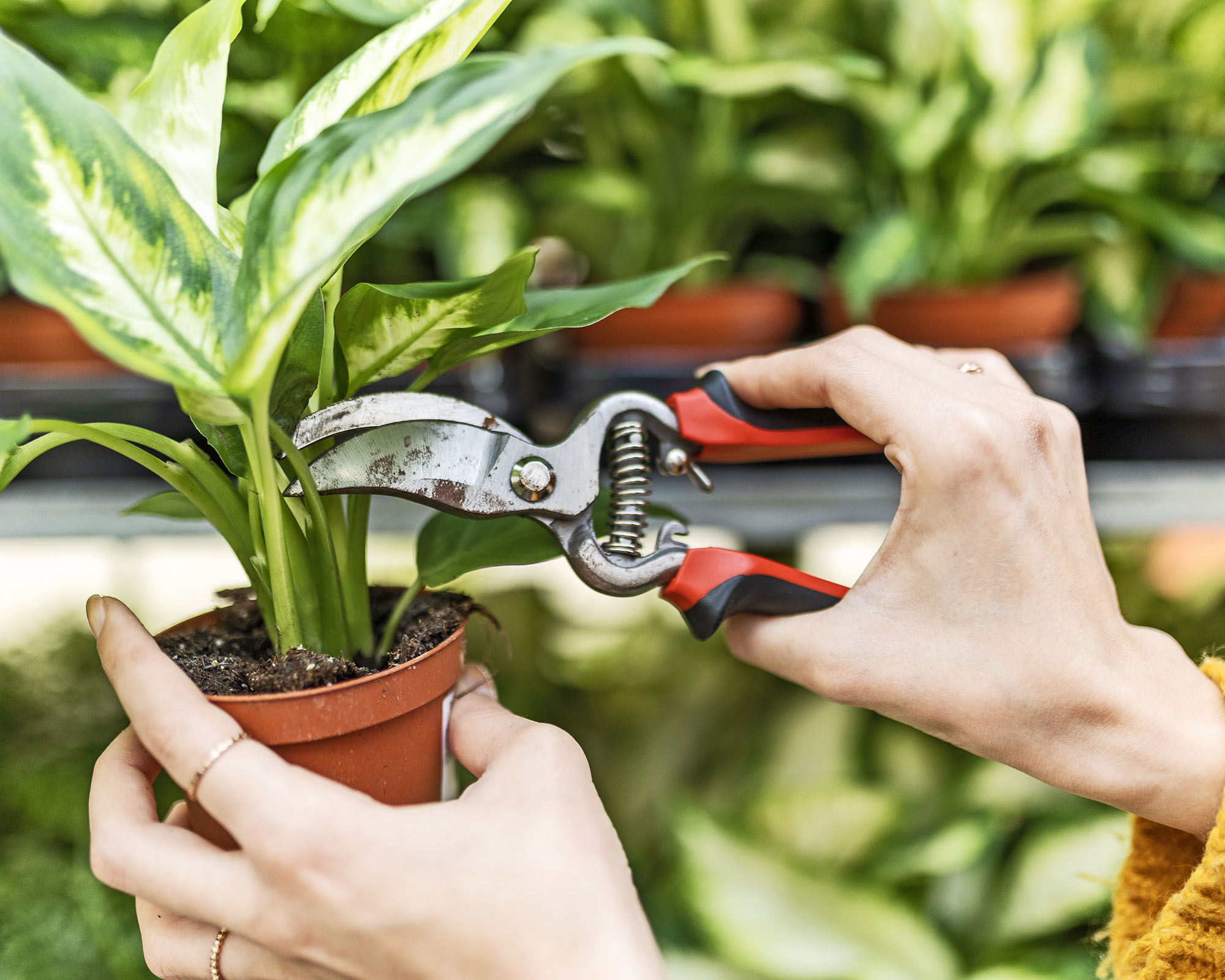
Once the internet gives a “trending hack” its own nickname, you know there’s trouble a’coming. The latest example is “proplifting,” that sneaky, unauthorized way of getting plant cuttings from a garden center – just a pinch in the right place on a stem, then off you go…
It might feel a little bit naughty, but is it actually illegal? And if it is, could taking a cutting from a garden store or plant nursery really get you into trouble?
I’m a plant lover and an attorney, and I’m here to explain what proplifting is, where the law stands on it, and whether it's worth the risk.
Propagation Done Right
(Image credit: Getty Images)
Many of us gardeners love to propagate plants from existing plants. In fact, rooting plants from cuttings is one of the quickest and most satisfying ways to create a new plant from an existing one.
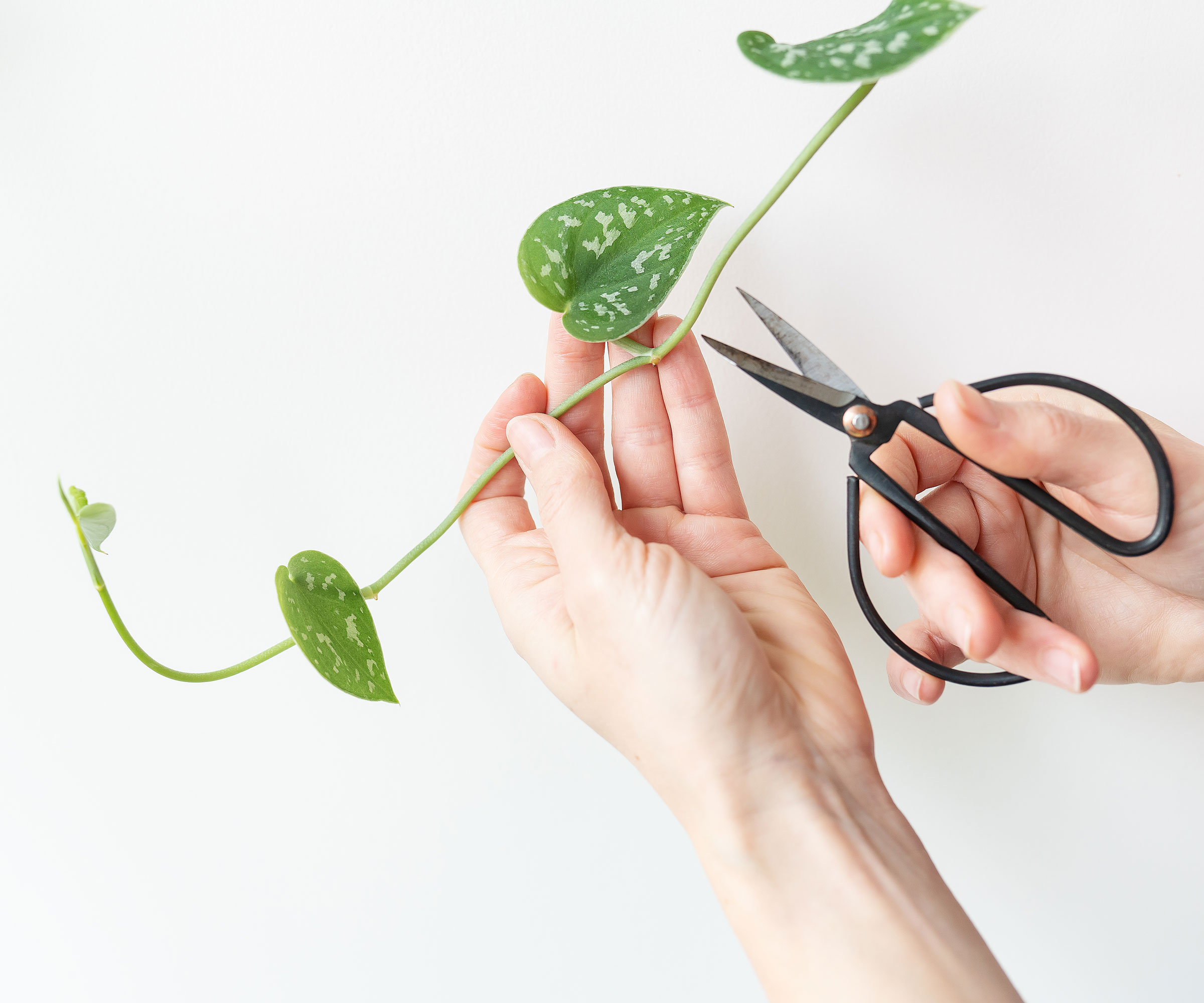
With plants that root easily in water, such as pothos, you simply pinch or snip off a section of stem with a few leaf nodes on it using a pair of clean pruning snips. I like the Felco F322 snips on Amazon for making neat, precise cuts. Pop the cutting in a glass of water and wait.
With some plants, it’s better to tuck the stem of the cutting into good, moist potting soil. To improve your chances of success, many gardeners dip the cut end in a rooting hormone before planting it. Products such as Garden Safe TakeRoot Rooting Hormone, can help encourage root development, particularly on plants that are slower or more difficult to propagate.
Propagation Gone Wrong
(Image credit: Artsaba Family / Shutterstock)
I once saw someone in a plant store in San Francisco taking a stem of a rare, collectible pothos. It was labeled as a Harlequin pothos, a highly variegated variety that can be difficult to find and expensive to buy. The plant had gorgeous white leaves with just a little green. The store manager saw the act in one of the ceiling mirrors and gave the woman a choice of buying the plant or getting arrested for theft.
The irony is that she didn't need to take the risk. Harlequin pothos is undoubtedly a coveted collector's plant, but gardeners looking for a similar white-and-green variegated look can find it in a much more affordable and widely available Marble Queen pothos, available from California Tropicals via Amazon, along with this even more striking Snow Queen pothos.
So that's a possible consequence of proplifting. It might feel like a simple act of propagation, but the plant you take the cutting from doesn’t belong to you. Taking a cutting from a plant without the owner’s permission is stealing – yes, even a cutting no longer than your hand.
Unlike the thornier question of whether it's acceptable to take plant cuttings from public parks and gardens, the legal position here is fairly straightforward: the plant is merchandise for sale. It may strike you as a small theft – but it’s a theft nonetheless.
And from the garden center's perspective, proplifting can be both theft and property damage. Not only has part of the plant been taken, but the remaining plant may be harder to sell. Removing a stem can leave a noticeable gap, alter the plant's shape, and make it less appealing to customers looking for a full, healthy specimen.
Not Worth It, Legally or Karmatically
In California, the theft of a piece of a plant would be a misdemeanor. To rise to the level of the much more serious felony theft, the merchandise would have to be worth $950 or more. But nobody wants a theft charge in their history. It’s embarrassing to get caught and even more embarrassing to get arrested. And a misdemeanor goes on your record.
But even worse is what plant theft might do to your karma, the “what-goes-around-come-around” rule of living. It’s just not worth it to take property that doesn’t belong to you. It’s not something that someone of good character would do. Think about how you would feel if you kept a favorite potted plant on your desk in the office and someone snipped off a large stem when you had stepped away.
Keeping It Clean
I know, for myself, that working with plants puts me in closer touch with the natural world and makes me want to live a cleaner life. I’ve found that when I behave in a manner that is consistently respectful toward others, I get respect in return. If nature has ever moved you in the same direction, listen to it whispering in your ear that proplifting has no place in your shopping experience.
If obtaining a cutting from a rare or expensive plant seems essential to you, try posting something on a neighborhood website. My neighborhood site has plenty of “Is Seeking” posts, and it’s entirely possible that you might find someone willing to spare a cutting.
Alternatively, put the plant in the #1 slot on your Christmas list and birthday list, or treat yourself to the plant when you’ve had a job or school success. A rare plant is far more rewarding when you've acquired it honestly.















 English (US) ·
  French (CA) ·