

 2 days ago
8
PROTECT YOUR DNA WITH QUANTUM TECHNOLOGY
Orgo-Life the new way to the future Advertising by AdpathwayThe African dust is settling, the tans are fading, and the last tablets of anti-malarial drug Melarone are being swallowed. LAM3 (Lead Author Meeting 3) was another intense week for IPCC Working Group I (WGI) in Arusha, Tanzania, in November 2026. LAM3 brought together all authors following the detailed external expert review of the First Order Draft (FOD). Chapter 2 received >4000 comments from the wider scientific community. Hundreds of comments were from APECS (the Association of Early Career Polar Scientists), which put on training sessions and encouraged early career scientists to get involved in the peer review process.
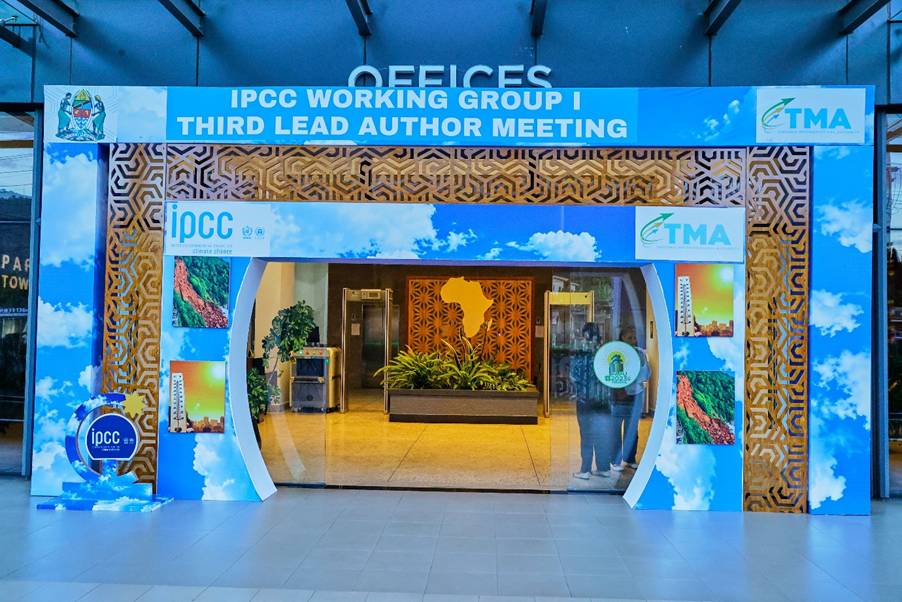 Our Tanzanian hosts decorated the conference venue, making us very welcome.
Expert review
This thorough review is why the UNFCCC can call the IPCC reports the ‘best available science’. Not only do they assess and report on most up to date scientific literature from across each climate facing academic community, the expert review process then invites these communities to comment on inaccuracies, gaps, errors, omissions, repetitions and inconsistencies across the report. We are very grateful to everyone who contributed and who gave up their time to provide their valuable feedback.
A week of intense discussions
Once in Arusha, we settled in for some serious discussions. We’re a big team in Working Group I, collaborating not just in chapter teams, but also in cross-chapter themes. Monday was spent mostly in plenary sessions, with firstly a warm welcome from our Tanzanian hosts, followed by the IPCC co-chairs and TSU (Technical Support Unit) giving us important information and updates on the whole report.
For the rest of the week, I spent time in chapter meetings, and in cross-chapter meetings and break-out groups in themes such as Palaeoclimate, Sea level rise, and the Cryosphere, as well as more focused meetings on specific subjects like mountain glaciers or sea ice. We also met our three Review Editors for the first time at this LAM. The Review Editors, all experienced authors of former IPCC reports, are there as ‘reviewer champions’, and to support the chapter team in their chapter revisions and comment responses.
A consistent narrative thread
This careful work ensures that the narrative thread runs clearly through the WGI report. Cross-chapter overlap and inconsistencies were a major topic of discussion, with in-depth meetings required for their resolution. We also reviewed language for the FAQs for a broader audience, and developed new cross-chapter boxes where there was a need. The in-person nature of the meeting was invaluable, allowing us to be focused entirely on this work, and allowing constant and numerous meetings (from breakfast to bedtime), ironing out issues within, between and across chapters and across themes.
We reviewed our processes for conducting IPCC-style assessments and calibrated language, and how these are different from a review that we might write for a journal paper. This may mean, for example, evaluating where there are multiple independent studies making the same finding (meaning we can allocate ‘high confidence’), or where studies and understandings are either limited or where there is disagreement among different groups (resulting in a low or medium-confidence assessment). If an IPCC report makes a statement with ‘high confidence’, or makes a ‘statement of fact’, that means that a finding has been reliably reproduced by multiple independent studies and techniques, published in the peer-reviewed literature by multiple independent groups, with high agreement among impartial studies.
I also often see comments on social media referring to ‘IPCC models’ and such. The IPCC doesn’t conduct research – the IPCC writing team only assesses published research. Our work is also policy relevant but not policy prescriptive, advising readers on climate change in the past, present and future, and outlining the potential future pathways resulting from different policy choices.
A community endeavour
Reviewing the comments received on the parts I wrote of the chapter, I found them constructive, thoughtful, and supportive. They reminded me that the IPCC is a community wide event, far beyond the work undertaken by the IPCC writing teams, with science undertaken and published by experts, assessed by a smaller team as part of the IPCC process, and reviewed and evaluated again by independent experts. It is a privilege to be a part of such a community. The thorough processes and careful work in assessing, writing, reviewing and evaluating the evidence is why IPCC reports can be considered by the UNFCCC as the ‘best available science’.
Once again, I found the chapter discussions fascinating; Chapter 2 is very diverse, covering a broad range of topics, and hearing my expert colleagues speak eloquently on a range of concepts outside my own field has been a learning opportunity. I am a better scientist for participating in the IPCC.
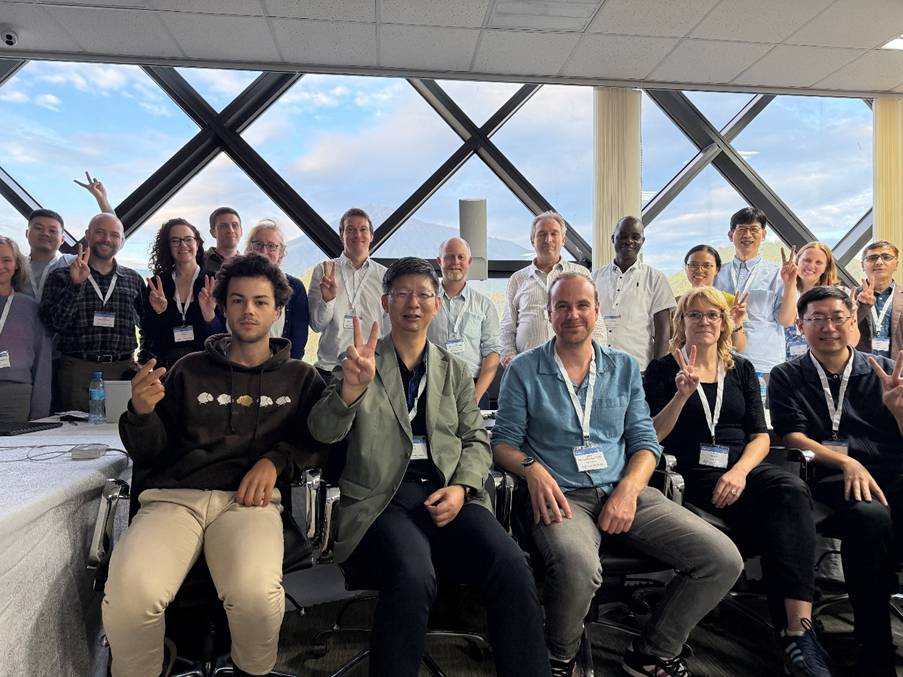 The Chapter 2 team in our allocated meeting room.
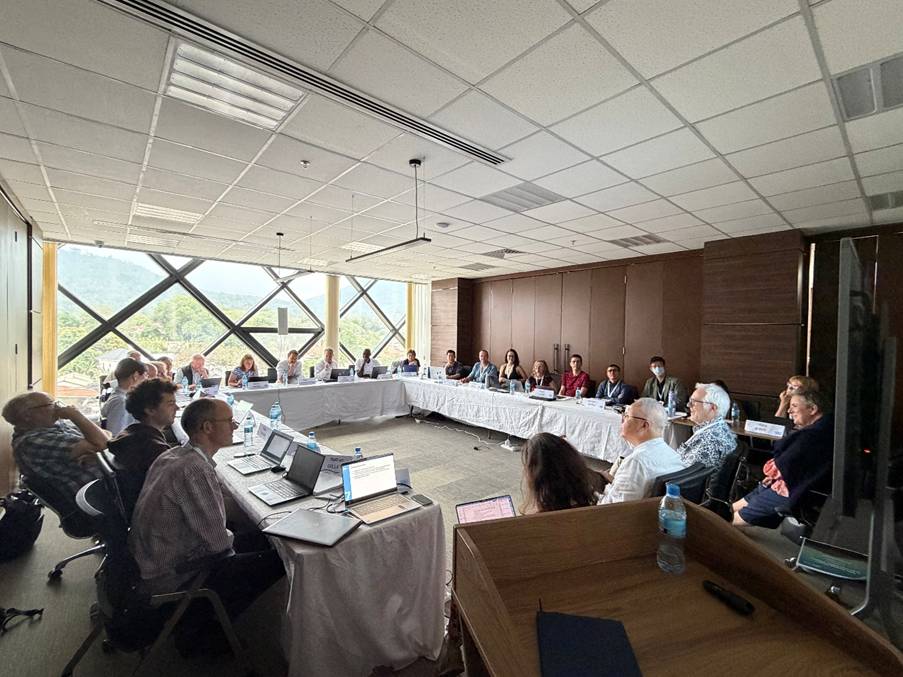 Chapter discussions, with a visit from the IPCC co-chairs.
Networking and getting to know each other
It was not all work; Monday evening we had a Working Group dinner at the venue, followed by dancing! No one can dance like a bunch of mid- and late-career academics. There is no photographic evidence of this, unfortunately.
Wednesday evening we also had a chance to let our hair down, during our Chapter Social time. This is an opportunity for us to deepen our bonds and build relationships within our chapter team, with an activity and a meal. We visited a coffee plantation and picked, roasted, ground and drank our own coffee. From bean to cup!
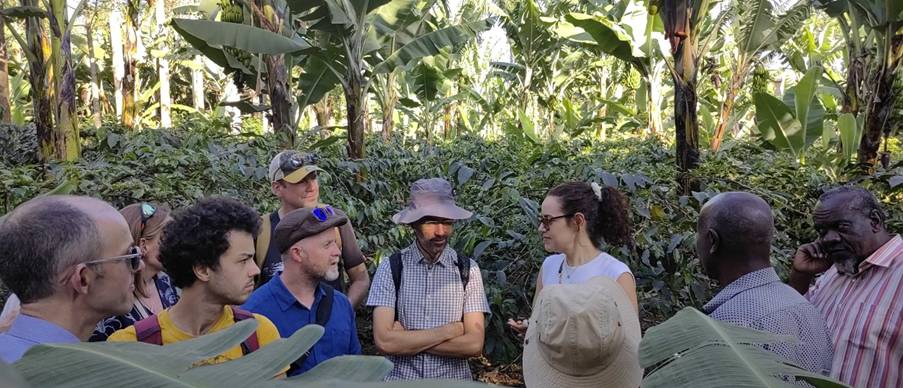 Visiting the coffee plantation. The coffee plants need shade, and are grown underneath banana plants.
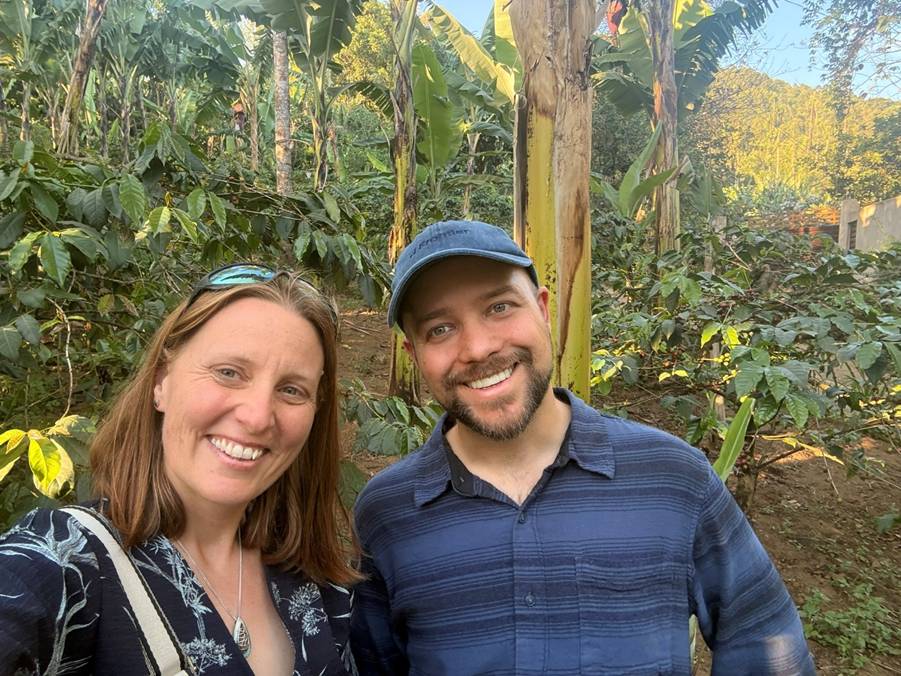 Bethan and Zeke
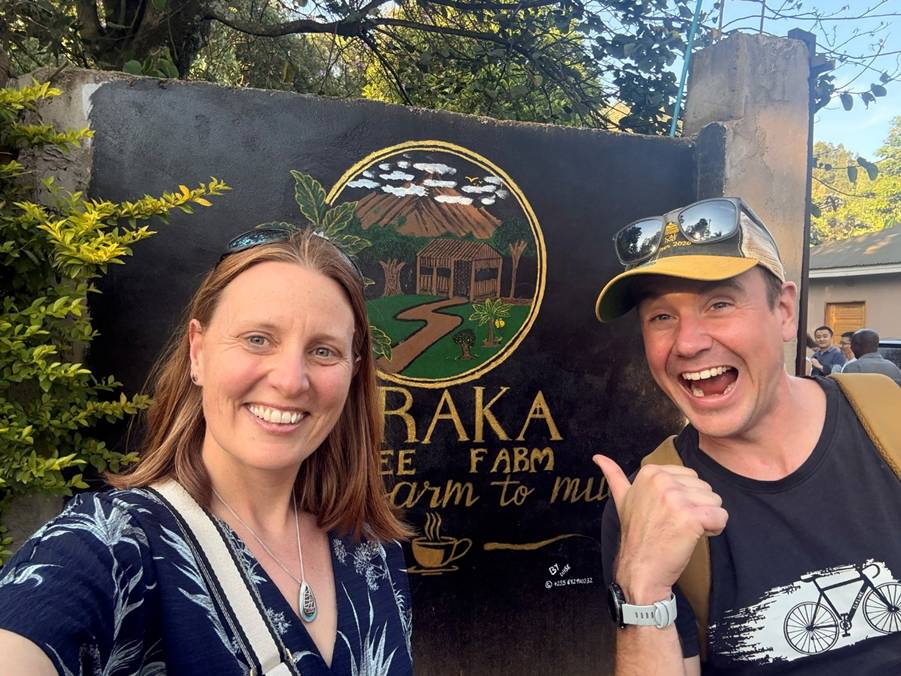 Bethan and David
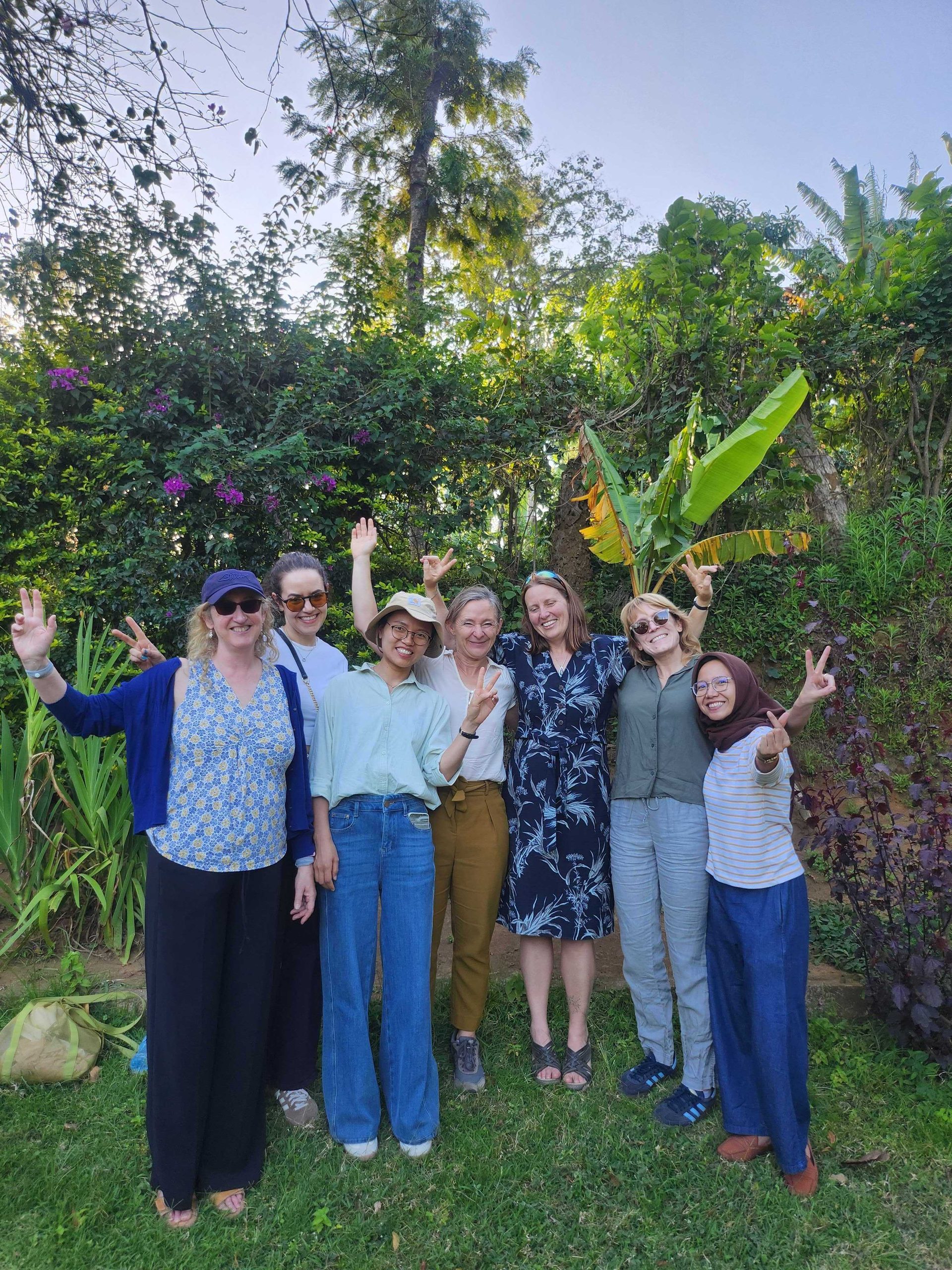 The women of Chapter 2
We also had a Cryosphere dinner, bringing together cryospheric colleagues from across WGI. We dined at a vegan Women’s Collective, near the conference venue. Here the women grow, prepare and sell their own food, alongside their own artwork. I purchased a painting as a memento of the week.
A plan going forward
By the end of the week, each of the >4000 comments in chapter 2 had been allocated to a person to resolve, and we had a clear plan going forward about how to address the issues raised in the review process. Between now and the Second Order Draft, we need to respond to each comment in the bespoke IPCC commentingtool and revise the draft accordingly. A selected team will also start working on the Summary for Policymakers (SPM) and the Technical Summary (TS). The SPM aims to deliver key outcomes of the assessments for high-level decision makers with non-scientific background and non-specialists. The TS summarises key findings of the assessments from the Chapters, with sufficient technical detail to understand the background of these key findings, and is addressed for an audience such as policy advisors, scientists and academics, including students.
The Second Order Draft will then go out for expert review and also for government review in spring 2027, and we hope to receive more useful and constructive comments.
We’ll meet again for LAM4, hopefully in the summer of 2027, once budgets have been decided, to go through the final comments received on the Second Order Draft and finalise the report. I am looking forward to once again seeing my new colleagues and friends in the IPCC.














 English (US) ·
 French (CA) ·