

As a gardener, I've always had a soft spot for plants that attract wildlife. Bees and butterflies are wonderful, of course, but hummingbirds? Well, hummingbirds feel like a special kind of reward. They're fleeting, fast, and somehow manage to make even the most ordinary backyard feel a little more enchanted.
That means I'm always on the lookout for plants that can turn my garden into a true hummingbird hangout and help support these remarkable pollinators. The trouble is that many of the flowers hummingbirds love come with caveats; some need constant deadheading, others demand perfect conditions, and a few have an unfortunate tendency to spread where they're not wanted.
Honeysuckles are a classic example. Those highly-scented tubular flowers are perfectly designed for hummingbirds' long beaks and tongues, but some species have developed... hmm, let's call it a less-than-stellar reputation in parts of the US thanks to their invasive habits. And, as much as I love a vigorous vine, I don't want to spend years battling it.
So, what's the answer?
The Non-Invasive Honeysuckle Loved By Hummingbirds
If you want to reap the benefits of a classic honeysuckle (aka more hummingbirds, in their droves!) without the headaches, you'll be pleased to know there is a truly stunning non-invasive variety that is beloved by these tiny jewel-like birds.
I'm talking, of course, about the Major Wheeler honeysuckle (Lonicera sempervirens 'Major Wheeler').
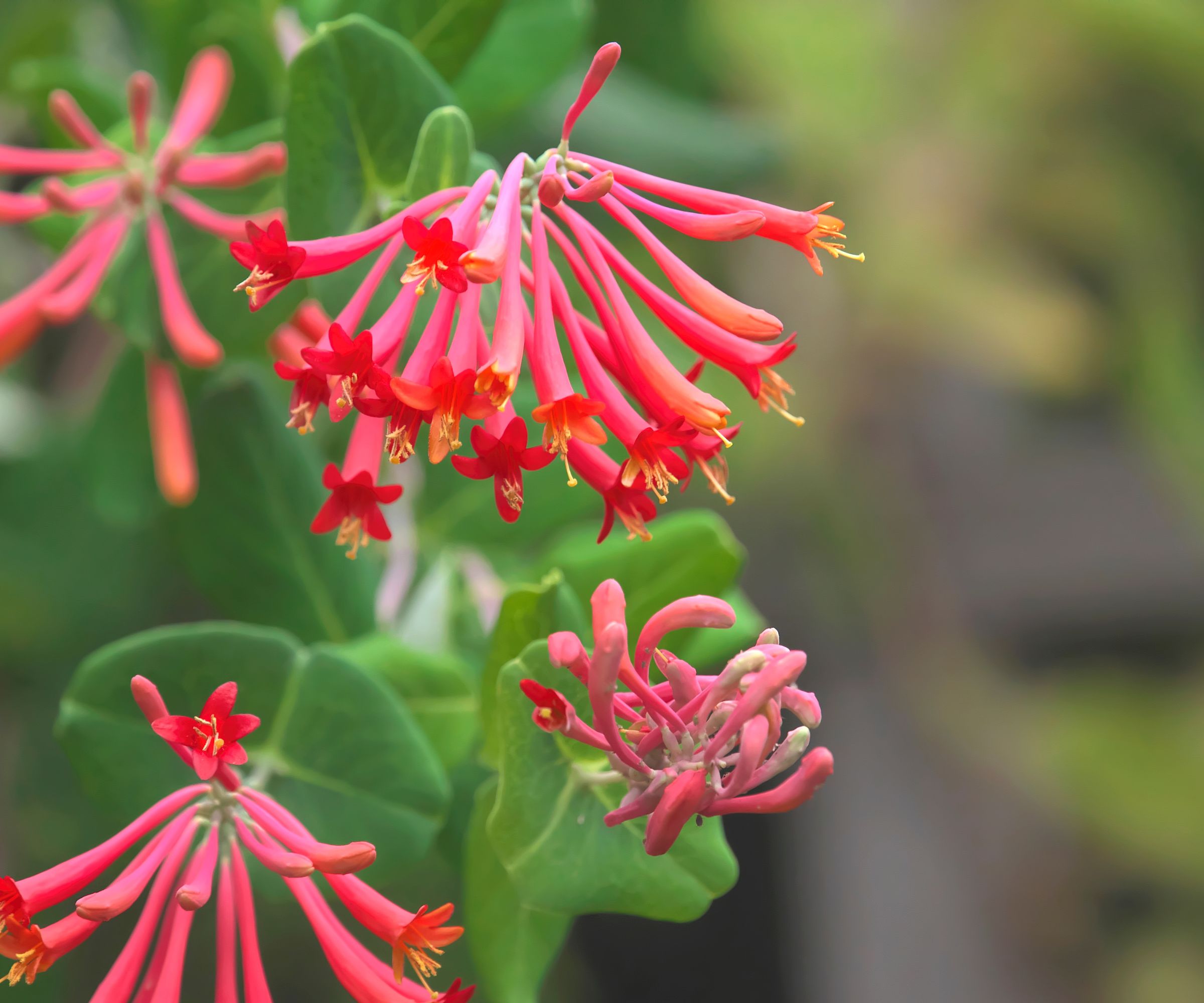
(Image credit: Sharon Talson/Getty Images)
Unlike many flowers that bloom in short bursts, Major Wheeler keeps the show going for months. From late spring well into summer (and often into early fall in warmer climates) it produces clusters of vivid red and orange trumpet-shaped flowers that hummingbirds find downright irresistible.
The flowers are rich in nectar, and their shape makes them particularly well suited to hummingbird feeding. In fact, gardeners often report repeat visits once the vine becomes established.
Better still? The blooms are followed by red berries that can provide food for songbirds later in the season.
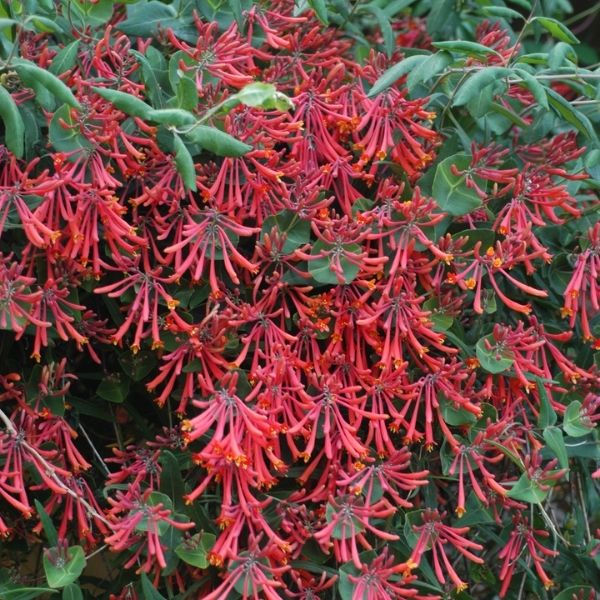
Nature Hills Nursery
Major Wheeler Honeysuckle Vine
Beloved by hummingbirds, this non-invasive honeysuckle promises longlasting blooms aplenty.
One of the reasons Major Wheeler has become such a favorite among wildlife gardeners is that it lacks the aggressive tendencies associated with some other honeysuckles.
Unlike invasive Asian honeysuckles that can escape into natural habitats, Major Wheeler is a cultivar of the native coral honeysuckle (Lonicera sempervirens). It twines politely rather than taking over, making it far easier to manage in home gardens.
That's not to say it isn't vigorous; it is still a fast-growing vine capable of reaching 6 to 10 feet or more, especially in ideal conditions... although it copes well in containers and partial-shade, too.
Shop Hummingbird Feeding Essentials:
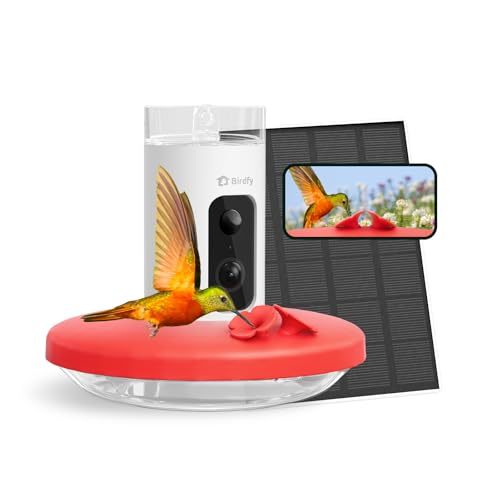
Birdfy
Birdfy Hummingbird Feeder
Equipped with a solar panel, this feeder offers 24/7 hummingbird-watching fun.
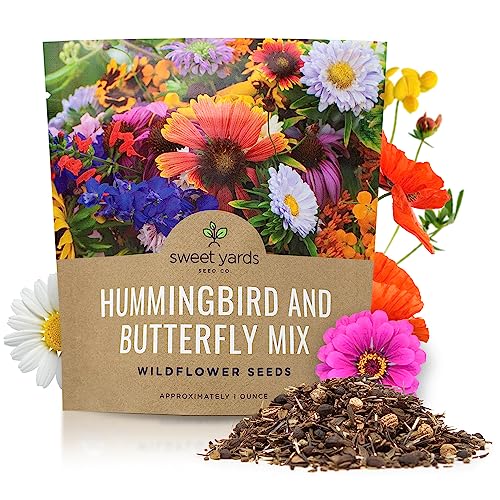
SWEET YARDS
Wildflower Seeds Butterfly and Humming Bird Mix
If you fancy a more natural approach, try planting 23 species of wildflowers for hummingbirds to enjoy.

Lucy's
Natural Distilled White Vinegar
Be sure to clean hummingbird feeders with warm water and a brush then sanitize with a 50% water to white vinegar formula.
Major Wheeler thrives in USDA zones 4-9, making it suitable for much of the United States. Like most flowering vines, it appreciates well-draining soil and regular watering while it becomes established. Once settled in, though, it's surprisingly low maintenance. Just give it a trellis, arbor, or fence to climb, and prune lightly if needed to keep it in shape.
If your goal is to attract hummingbirds, be sure to place it near a seating area or window; you'll be much more likely to enjoy the show! And hey, any plant that promises months of fiery flowers and supports pollinators 100% deserves that kind of spotlight, quite honestly.












 English (US) ·
  French (CA) ·