

November is peak time for spider mite infestations in houseplants, and the symptoms can easily be mistaken for dust settling on leaves. While spider mites can target any houseplant, prayer plants are the most commonly affected, with monstera and alocasia close behind. So, if you're disappointed to discover some houseplant leaves fading, looking dusty or appearing speckled with tiny spots at this time of year, don’t presume it's just dust: check to see if your houseplant has spider mites straight away.
As soon as we start heating our homes in fall, warm, dry air creates optimum conditions for spider mites to thrive. The time it takes for these pests to reproduce reduces as temperatures rise, and in cozy conditions a single spider mite can turn into a thousand in a couple of weeks. Which is why, when mid-November arrives, numbers suddenly explode and we start spotting spider-mite infestations in houseplants.
Spider mites feed on leaves and, left unchecked, can cause significant damage, and readily spread to other houseplants, too. These common houseplant pests can be easily managed, though, and the earlier you catch the problem, the easier it is to deal with. So, great work getting here to Garden ER where you'll find straightforward solutions to treat this season’s biggest planty problems. Come on in and let’s diagnose and treat your houseplant with a spider mite infestation.
Triage: Take a Closer Look at Your Houseplant
First, rule out dust by wiping the houseplant's leaves with a soft, damp cloth. Then look for these signs that signal you could be dealing with a spider mite infestation:
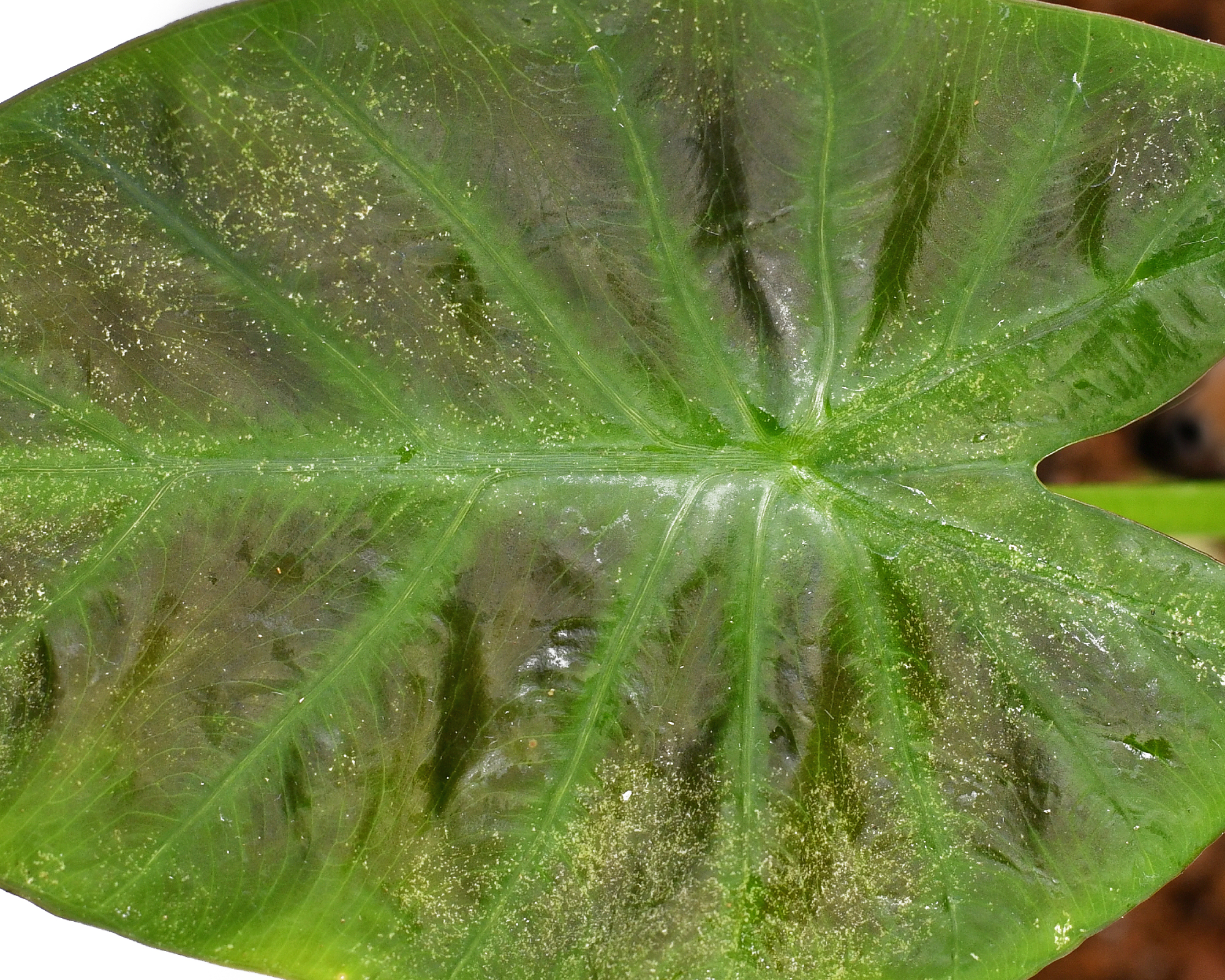
- Tiny, pale speckles. Look for tiny spots that are white or pale yellow, most noticeable against green foliage.
(Image credit: Getty Images)
- Faded appearance. Your houseplant leaves might look faded or lackluster.
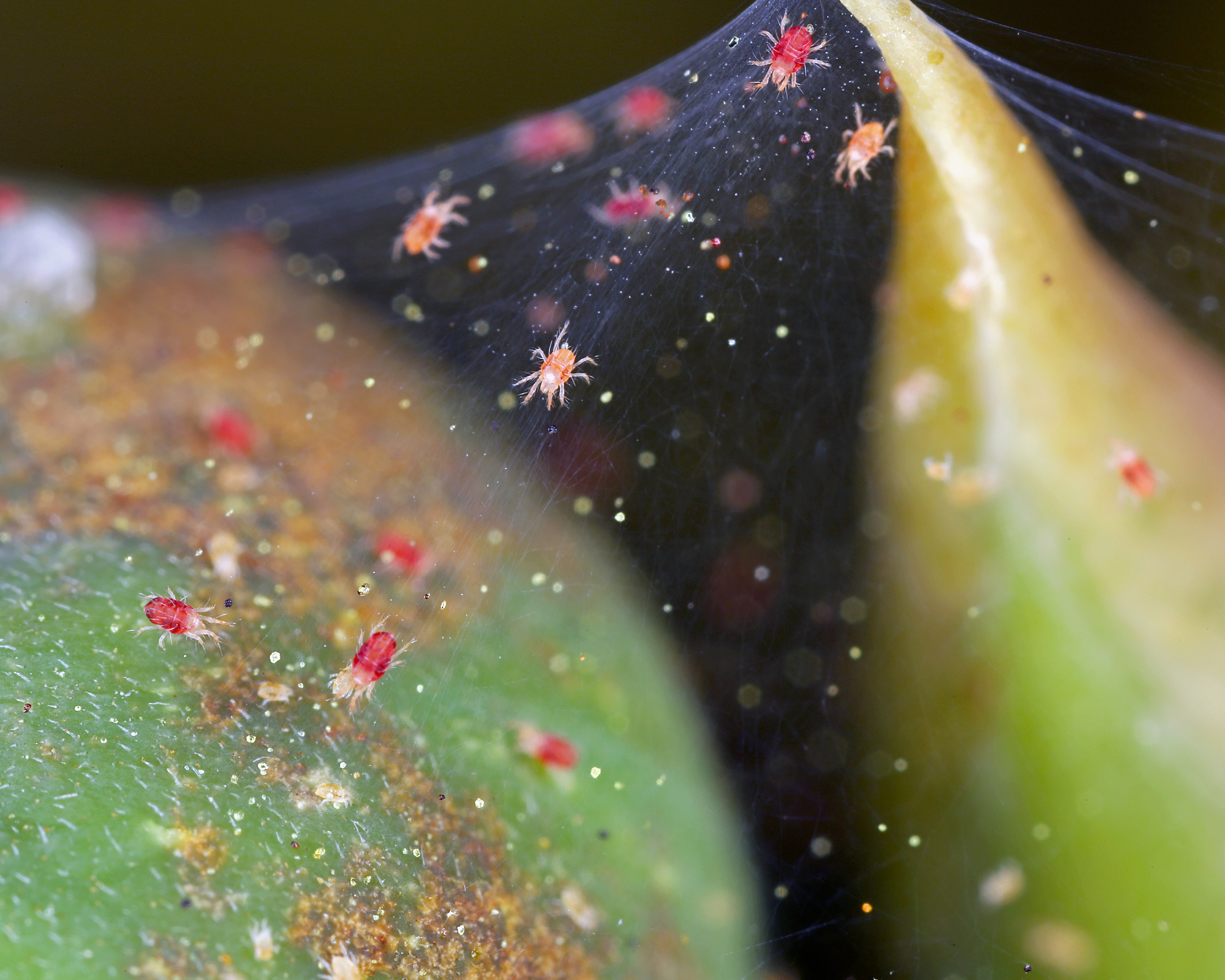
- Moving specks. Spider mites are very small but you may see what look like moving dots on the undersides of leaves.
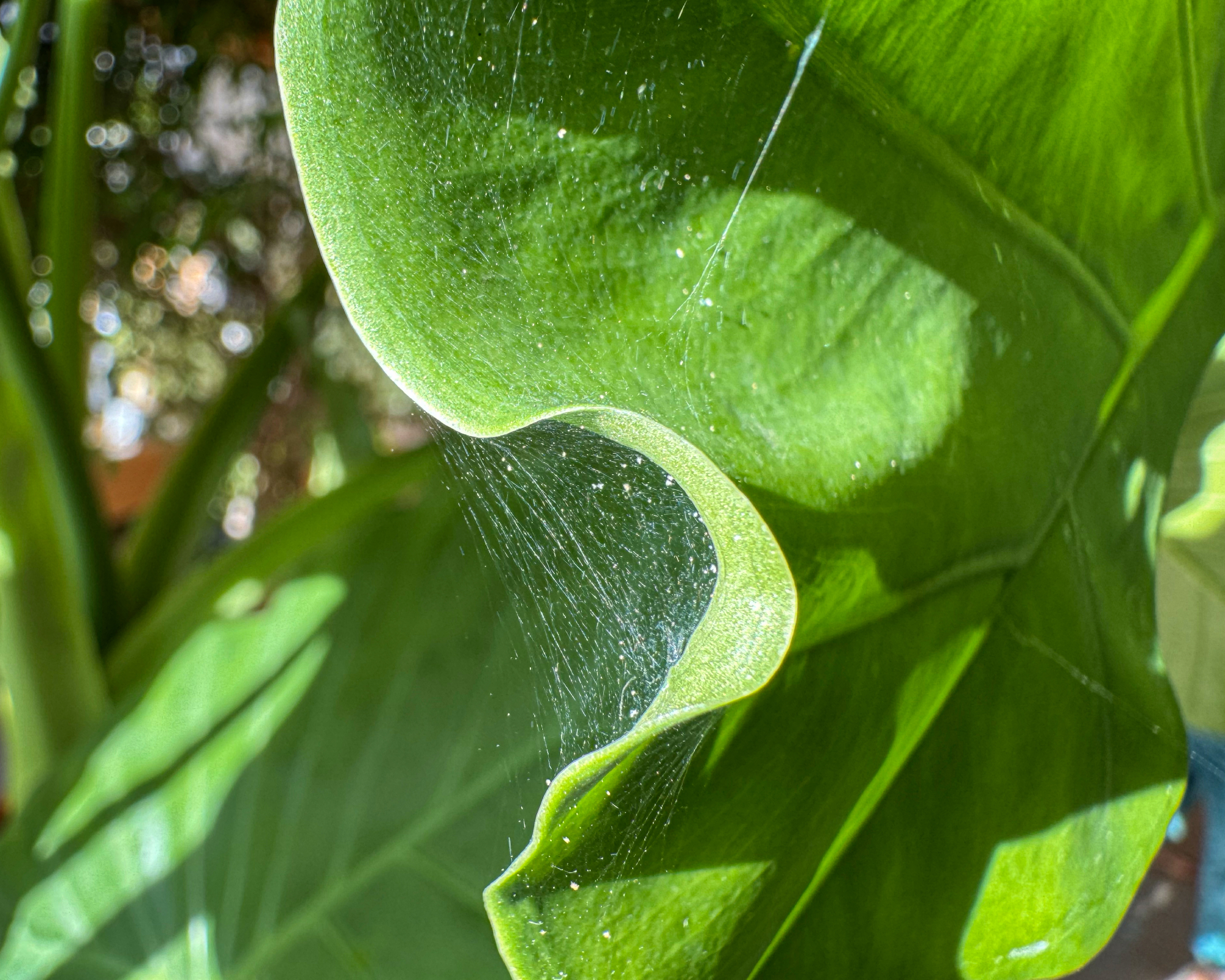
- Fine webbing. Look for spider mites’ characteristic delicate, silk-like strands under leaves, between leaves, and around stems.
(Image credit: Getty Images)
- Yellowing or browning. If you're dealing with a heavy infestation, you may see houseplant leaves starting to turn to turn yellow or brown, including crispy edges or tips.
- Leaf drop. Eventually, damaged leaves curl, shrivel, and foliage drops prematurely.
Diagnosis: Spider Mite Infestation
Spider mites are actually arachnids, like spiders, not mites. They are extremely small – about a half a millimeter – and generally gather on the undersides of leaves. Here they pierce the leaves and suck out the contents to feed. The resulting damage from these feeding spots are very small, pale dots on the tops of foliage that can’t be wiped away, and these speckled leaves are a tell-tale sign of an infestation. As the population of spider mites grows, you’ll start to see fine silk webbing, which can easily be mistaken for dusty houseplant leaves.
Houseplants with broad, thin leaves that are easy to pierce are the most favored. While prayer plants are the most commonly attacked, monstera, alocasia, ficus, croton, palms, English ivy and dracaena are also highly susceptible to these pests.
(Image credit: Getty Images)
Treatment: How to Get Rid of Spider Mites
Early intervention is the key to success if you have a houseplant with a spider mite infestation. But, even if you're dealing with a heavy infestation, these steps will work, though you'll need to repeat them to break the spider mite lifecycle.
1. Isolate the Affected Plant
It's vital to keep the affected plant away from other houseplants as spider mites can easily move from one plant to another. Move it to a different, plant-free room until the problem has been resolved. Now that you know what to look for, check all your other houseplants very carefully for early, subtle signs of an infestation.
2. Wash Off as Many Mites as Possible
(Image credit: Getty Images)
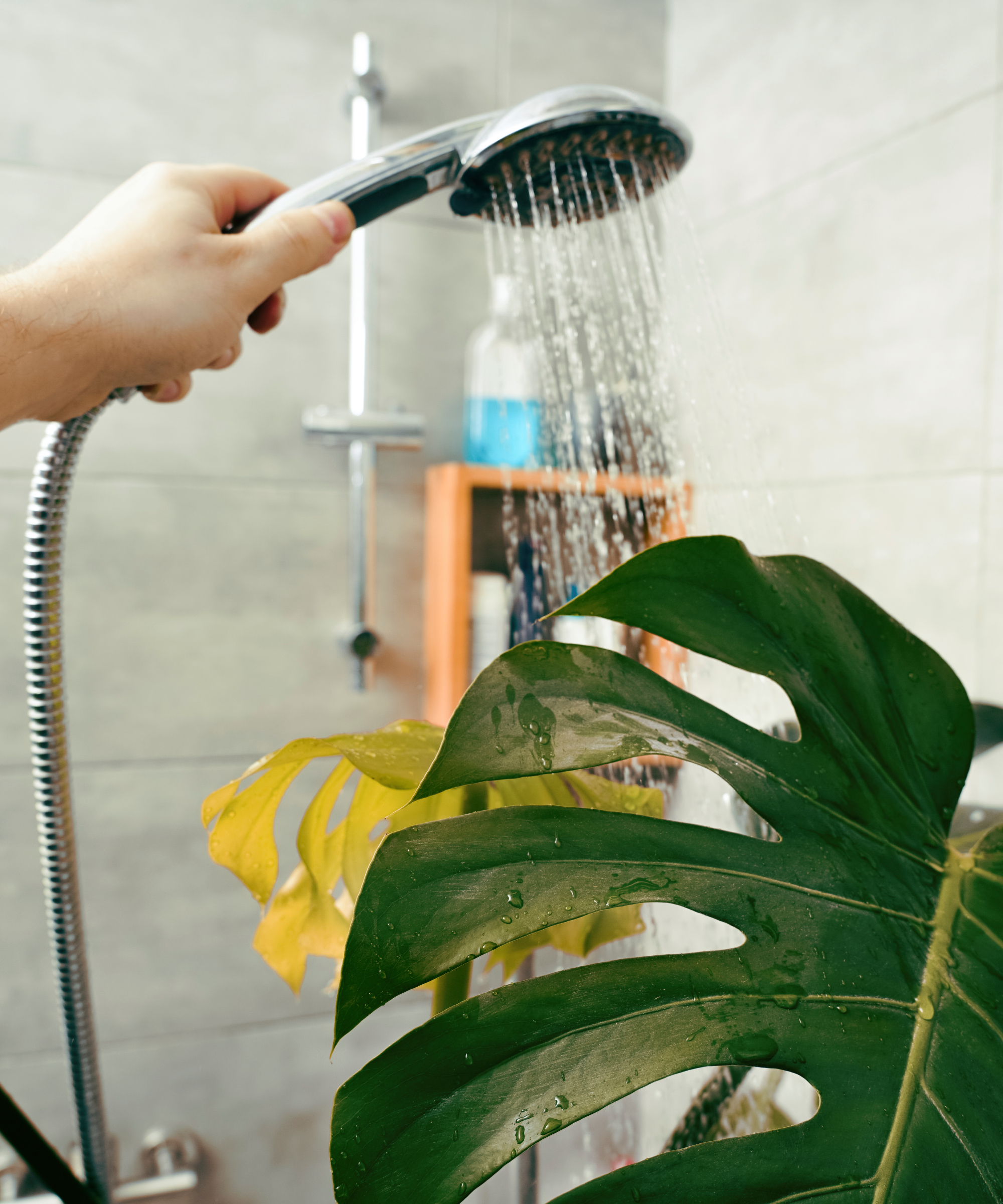
Next, you want to get rid of as many of the mites as you can. The easiest way to do this is to place your houseplant in the shower or bathtub and give it a good rinse. Use a firm stream of water so the pressure rinses most of the pests off, but ensure the jet isn't so harsh that it damages the plant.
Be sure to direct the water to the undersides of leaves where the mites are feeding and at any webbing you can see. Follow the rinse with a thorough wiping with a damp cloth to remove any webbing still attached. This process is unlikely to remove all the mites or their eggs, so repeat the process every few days as fresh eggs hatch.
3. Use Insecticidal Soap or Neem Oil
Regular rinsing reduces a spider mite population but it doesn't remove it entirely. To fully break the lifecycle, you'll need an insecticidal soap with a natural formula such as NatureStop Insecticidal Soap, available from Amazon, or a neem oil spray like Captain Jack's Need Oil Spray for Plants, also on Amazon. These organic options will treat indoor plant pests safely. Insecticidal soap kills mites on contact by breaking down their cell membranes, while neem oil disrupts feeding and reproduction and smothers pests.
Follow the label instructions for whichever product you choose and be sure to cover all areas of the plant, including undersides of leaves and stems. This is important as both products work by direct contact with the mites. Repeat the application as often as suggested on the label, as you’ll likely need several applications to get rid of pests completely.
4. Remove Badly Damaged Foliage
Remove any badly damaged leaves, whether they're heavily stippled, have turned mostly yellow or have brown, crispy areas. Snip off with sharp pruners and dispose of them in the garbage (not the compost). Any foliage that's mostly green can be left and, while damaged leaves won’t return to their former glory, healthy areas will still photosynthesize and support the plant’s recovery.
5. Prevent Further Infestations
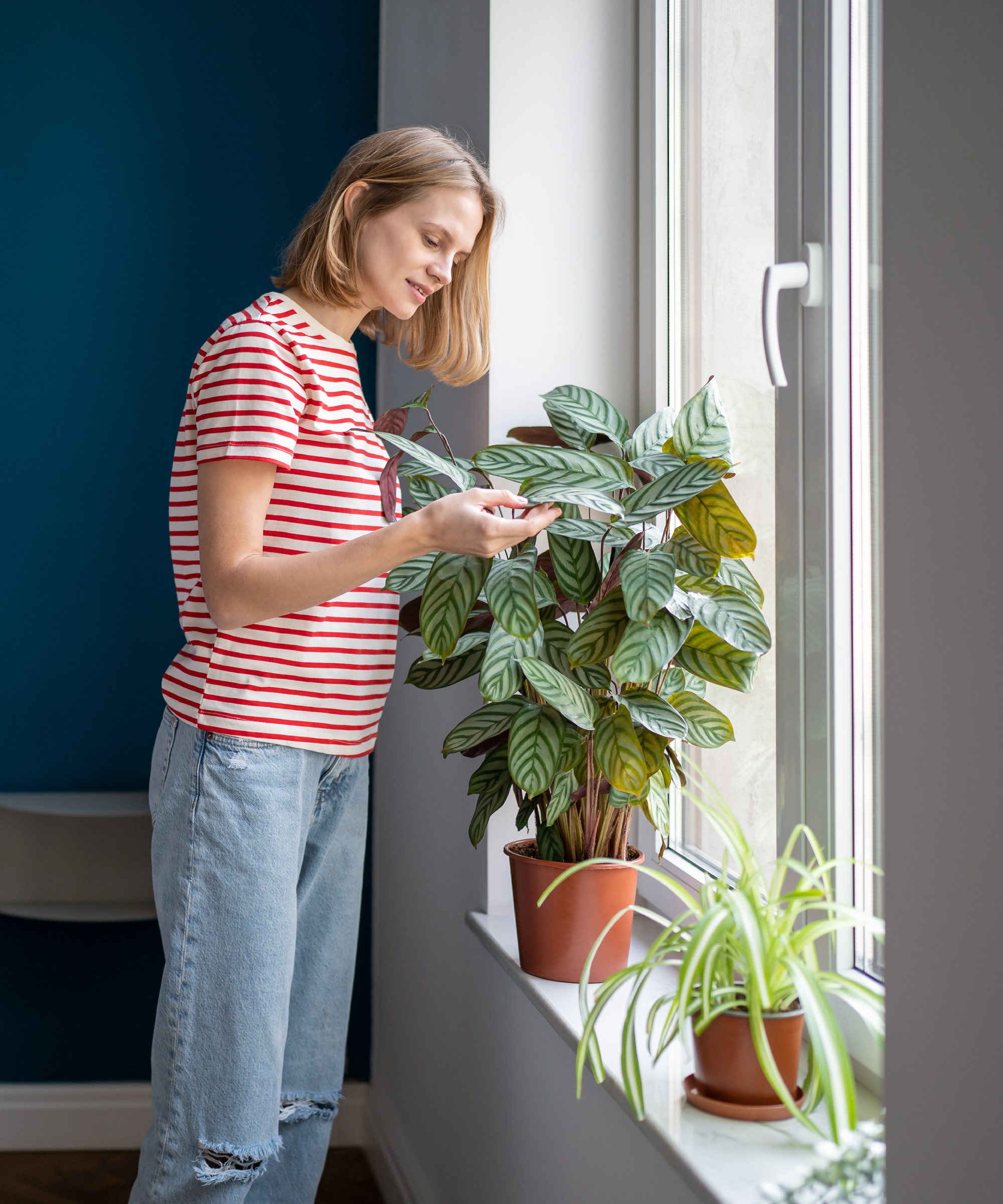
(Image credit: Getty Images)
Good houseplant care in fall will make conditions less favorable to spider mites:
- Increase humidity. Prayer plants and many other tropical houseplants thrive with humidity, while spider mites suffer. It's simple to DIY a humidifying pebble tray to increase moisture in the air around your plants, and it will contribute to overall plant health.
- Avoid hot air. Spider mites breed more quickly in warm, dry air so keep plants away from heating vents and radiators.
- Water appropriately. Avoiding both overwatering and underwatering reduces plant stress and lowers the risk that it will become susceptible to pests, and a cheap moisture meter such as this from Walmart takes out all the guesswork.
- Keep leaves clean. Dust and wipe down leaves regularly.
- Inspect regularly. Most importantly, routinely check all of your plants for signs of pests, and particularly susceptible plants. It's smart to check to see if a prayer plant has spider mites every time you water at this time of the year as the earlier you notice signs, the easier the problem is to manage.

Microfiber Plant Dusting Gloves, Washable & Reusable
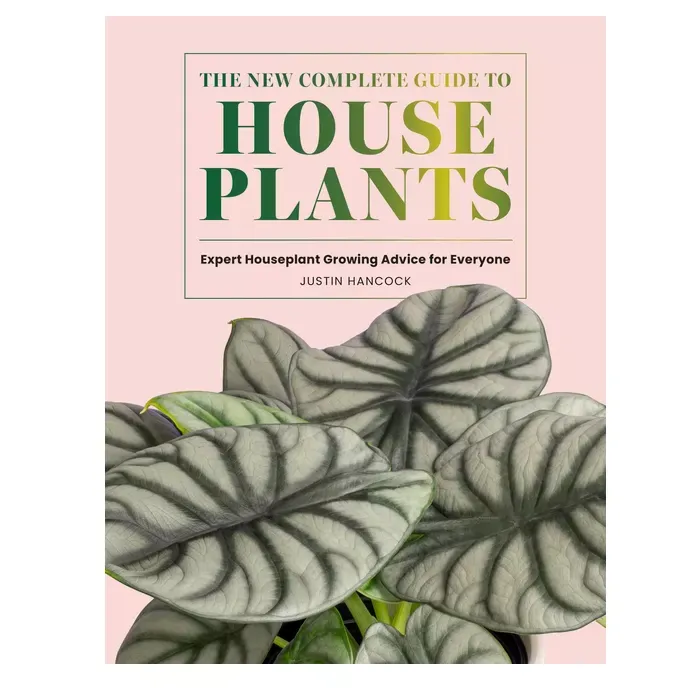
The New Complete Guide to Houseplants

Southside Neem Oil Infused Plant Cleaning Wipes
Patient Notes: Other Causes of Dusty-Looking Leaves
If houseplant leaves have irregular patches of white or light gray powder on their surfaces that can be wiped away, this is likely a fungal infection, powdery mildew and should be treated by disposing of heavily affected leaves and using a product like neem oil or a commercial houseplant fungicide. A white film or larger spots could be mineral deposits from watering If you have hard water and mist or irrigate houseplants from above, easily fixed by cleaning leaves then avoiding getting foliage wet.
More Garden ER Help
Every week, the Garden ER series brings you simple solutions to this season's most pressing problems, for happy and healthy plants without any hassle.

(Image credit: Getty Images)















 English (US) ·
 French (CA) ·