

 4 hours ago
6
4 hours ago
6
PROTECT YOUR DNA WITH QUANTUM TECHNOLOGY
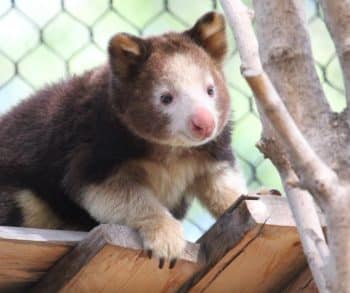
Orgo-Life the new way to the future Advertising by AdpathwayAt first glance, Nane looks a little like someone combined a kangaroo, a bear, and a very fluffy stuffed animal. But Nane is very real, and the one-year-old at Denver Zoo Conservation Alliance belongs to an animal species many people may never have heard of. Meet the Huon tree kangaroo, an unusual marsupial that spends much of its time climbing through trees. Nane is becoming particularly good at it, confidently climbing, leaping, and navigating his habitat as he grows more independent.
The young kangaroo still shares a close bond with his mom, Pearl, but the little joey who once spent his days tucked inside her pouch is growing up quickly. For a Critically Endangered animal with an uncertain future in the wild, watching Nane master life among the branches means considerably more than simply getting an adorable video.
 Credit: Facebook
Wait, There Are Kangaroos That Live in Trees?
There certainly are, although tree kangaroos look noticeably different from the long-legged kangaroos most people immediately picture. Huon tree kangaroos, also known as Matschie’s tree kangaroos, are native to the mountainous rainforests of the Huon Peninsula in Papua New Guinea.
Instead of spending their lives bounding across open grasslands, these unusual marsupials are adapted to navigating a world of branches and forest canopy. Their bodies offer plenty of clues about their unusual lifestyle.
Tree kangaroos have powerful forelimbs, relatively stocky bodies, long tails that help with balance, roughened pads on their feet, and curved claws useful for gripping as they climb. These adaptations make them remarkably capable of navigating an environment that would look decidedly un-kangaroo-like to most people.
Huon tree kangaroos can move through the branches and make impressive leaps, while their long tails help them balance above the forest floor. Denver Zoo Conservation Alliance notes that these elusive animals have earned the nickname “ghost of the forest” because they can be so difficult to spot in their tropical canopy habitat.
For anyone accustomed to seeing kangaroos firmly planted on the ground, finding one looking perfectly comfortable on a tree branch can require a moment of adjustment. Nane, however, makes the whole tree-climbing business look perfectly normal.
Nane Made History Before He Even Had a Name
Nane was born in late July 2025 to first-time parents Pearl and Tristan. His arrival marked an important first for the Denver Zoo Conservation Alliance because he was the first Huon tree kangaroo joey ever born there.
Pearl and Tristan arrived at the zoo in 2023 as part of a breeding recommendation through the Association of Zoos and Aquariums’ Species Survival Plan. These cooperative programs help participating facilities manage animal populations with the goal of maintaining healthy genetic diversity.
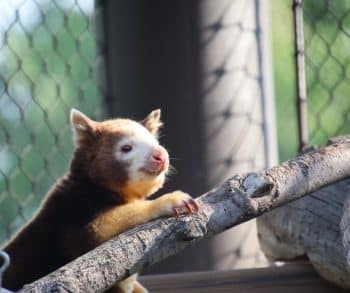
Like other kangaroos, tree kangaroos are marsupials, so some of Nane’s earliest development happened inside his mother’s pouch. For months, zoo visitors had to settle for increasingly frequent glimpses of the little face peeking out from Pearl’s belly.
Eventually, Nane reached a particularly important milestone known as being “at foot.” By nine months old, he had permanently emerged from his mother’s pouch and was beginning to explore the world beside her. Nane started eating solid food, venturing through the habitat, and learning the skills he would eventually need to become more independent. The tiny face once tucked safely inside Pearl’s pouch was quickly turning into a confident young tree kangaroo.
 Credit: Facebook
His Name Connects Him to His Wild Home
When the zoo announced Nane’s name, it came with a connection stretching all the way from Denver to Papua New Guinea. Nane, pronounced “Nah-Nae,” was named by his animal care team in honor of the late father of Danny Nane.
Danny Nane lives in Papua New Guinea and has participated in the Tree Kangaroo Conservation Program, which works with local communities to protect tree kangaroos and their forest habitat. The young kangaroo’s name, therefore, connects an animal growing up in Denver with people working to protect members of his species thousands of miles away.
Those conservation efforts matter because wild tree kangaroos face significant pressure from habitat loss and hunting. Protecting the animals ultimately means protecting the forests they depend on while working alongside the communities that share those landscapes.
Growing Up Means More Climbing for Nane
Now one year old, Nane has entered another stage of his development. Denver Zoo Conservation Alliance recently shared an update showing just how much the young tree kangaroo has changed.
Nane is becoming more independent and confidently climbs, leaps, and explores his habitat. His relationship with Pearl remains close, but he is increasingly figuring out how to navigate his world on his own.
The youngster is also beginning to form relationships with members of his animal care team through positive reinforcement training. This type of training can allow animals to voluntarily participate in behaviors that help caregivers with routine husbandry and veterinary care.
For Nane, those interactions provide another way to become comfortable working with the people responsible for his care. They have also had a front-row seat as he transformed from a tiny joey hidden inside his mother’s pouch into an increasingly confident young climber.
Why Huon Tree Kangaroos Need Help
As adorable as Nane is, his species has a much more serious story unfolding in the wild. Huon tree kangaroos occupy a relatively small natural range in Papua New Guinea, where they depend on mountainous forest habitat.
Hunting and the loss or degradation of forests have contributed to their decline. The species is considered Critically Endangered, making efforts to protect remaining wild populations particularly important.
Conservation efforts in Papua New Guinea have increasingly focused on working with the people who live alongside tree kangaroos. The Tree Kangaroo Conservation Program has partnered with local communities to protect forest habitat while also supporting community needs.
Managed breeding programs at accredited zoos provide another piece of the conservation effort. Nane’s parents were paired through one of those programs, making his birth part of a coordinated effort to maintain a genetically diverse population of Huon tree kangaroos in human care.
That context makes Nane’s milestones especially meaningful for the people caring for him. Every confident climb and leap is also an opportunity for visitors to discover an animal they might never have known existed.
One Very Unusual Kangaroo Is Growing Up
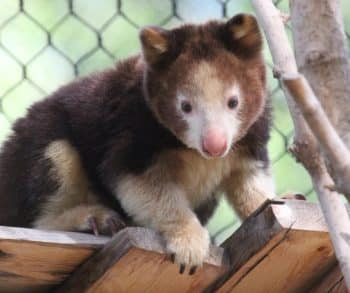
Nane has come a long way from the tiny joey occasionally peeking out from Pearl’s pouch. At one year old, he is climbing more confidently, becoming increasingly independent, and discovering exactly what those unusual feet and powerful limbs can do.
 Credit: Facebook
He still has plenty of growing and learning ahead of him, but the young marsupial is increasingly navigating the branches on his own. His care team is excited to see what he does next as his personality and independence continue to develop.
For people discovering his species for the first time, Nane offers a pretty unforgettable introduction. Kangaroos don’t only hop across open landscapes because some climb into the forest canopy, balance on branches, disappear among the leaves, and spend much of their lives high above the ground.
In Denver, one particularly adorable example is growing up fast. Nane may look like an animal someone dreamed up, but this little tree kangaroo is very real and part of a species worth knowing about.
This content was created with AI assistance and edited by the iHeartDogs team.















 English (US) ·
  French (CA) ·