

PROTECT YOUR DNA WITH QUANTUM TECHNOLOGY
Orgo-Life the new way to the future Advertising by AdpathwayMany people imagine birds as creatures of daylight—filling the morning with song, riding thermals in the afternoon, and settling into trees at dusk. Yet once the sun goes down, the sky does not become empty. In fact, millions of birds take to the air under cover of darkness. So, do birds fly at night? Absolutely. Some species are primarily nocturnal, while many others travel after sunset during migration or for specific behaviors such as feeding or avoiding predators.
Understanding why birds fly at night opens a fascinating window into migration, evolution, and the remarkable abilities of these animals.
Birds That Are Naturally Nocturnal
Certain birds are built for life in the dark. These species rest during the day and become active at night, much like many mammals.
Owls are perhaps the most famous example. With large, forward-facing eyes, superb hearing, and specialized feathers that allow near-silent flight, owls are elite nocturnal hunters. A Barn Owl gliding over a field can detect tiny movements of rodents below even in very low light.
Nightjars and nighthawks are another group of nighttime specialists. They feed on insects that are active at dusk and after dark, using wide mouths and agile flight to scoop prey from the air.

Night herons, as their name suggests, often forage along waterways after sunset. Hunting at night may help them avoid competition with daytime herons.
For these birds, night flight is simply normal life.
Migratory Birds: Traveling After Dark
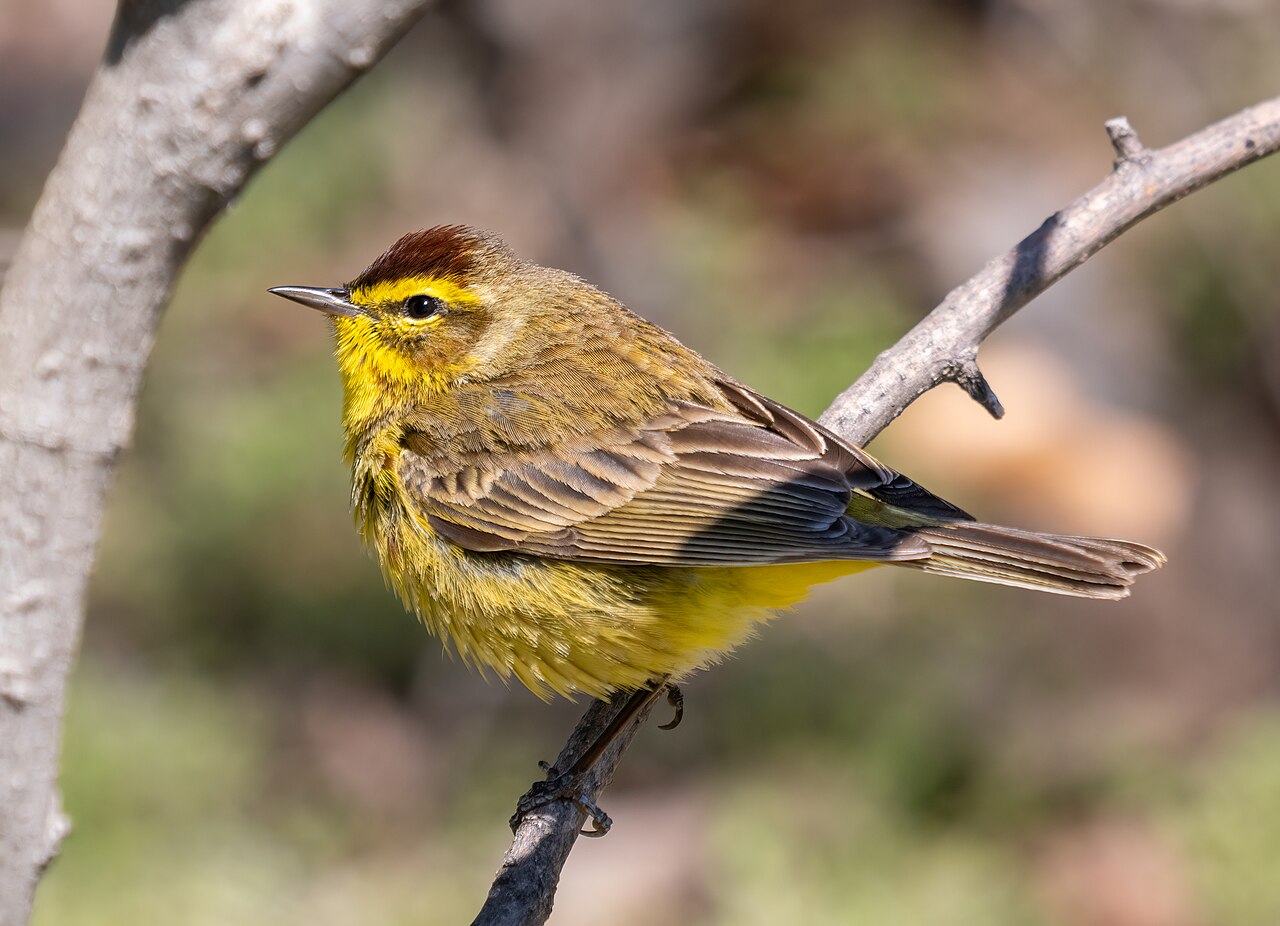
While some birds are nocturnal year-round, many diurnal (day-active) species become nighttime fliers during migration. This includes a huge variety of songbirds such as warblers, thrushes, sparrows, and orioles.
Twice a year, billions of birds move between breeding and wintering grounds. A surprising proportion of them migrate primarily at night.
Why migrate in the dark?
Many birds opt for nocturnal travel because migrating under the cover of darkness offers several distinct physiological and tactical advantages. The cooler nighttime air is essential for birds performing the physically grueling task of long-distance flight, as it significantly reduces the risks of overheating and dehydration.
Furthermore, the atmosphere tends to be more stable after sunset, providing calmer winds that allow for much more energy-efficient travel. Security is also a major factor; by flying at night, small birds avoid daylight predators like hawks and falcons that are typically inactive during these hours. This schedule also promotes time efficiency, allowing birds to spend their daylight hours foraging for the high-calorie fuel needed to sustain their journey before launching into the sky shortly after dusk.

These migrations can be so massive that they are regularly captured on weather radar, appearing as dense, moving clouds that fill the sky between dusk and dawn.
How Birds Navigate at Night
Although flying across vast distances in total darkness seems impossible, birds navigate the night sky using a sophisticated suite of biological “instruments.” Many species rely on celestial cues, learning the patterns of the stars around the North Star to calibrate their orientation, while others use the moon and the lingering glow of the sunset as directional anchors.
Beyond what is visible, birds possess an incredible ability to sense the Earth’s magnetic field through specialized receptors, effectively giving them a built-in compass. Landmarks and even olfactory “smell maps” provide additional guidance for certain species.
This navigation system evolves with age: while young birds embarking on their first journey appear to rely on inherited genetic maps, experienced adults refine their routes through memory. Even when cloud cover obscures the sky, birds demonstrate remarkable resilience by switching between these different sensory tools to maintain their course.
Day Birds That Sometimes Fly at Night

While we typically associate certain species with the sun, many “day birds” frequently take to the skies after dusk for strategic reasons. Waterfowl, for instance, often transition between feeding grounds and roosting sites overnight to maximize their foraging time or avoid disturbances.
Similarly, many seabirds deliberately wait for the cover of darkness to return to their nesting colonies, a tactic used to minimize the risk of being intercepted by predators like gulls or hawks. In more developed areas, urban birds may be forced into short nocturnal flights if they are startled by sudden noises or the pervasive glow of artificial light. Although these movements are generally shorter and more localized than the epic journeys of seasonal migration, they prove that night flight is a versatile tool used by many birds beyond just nocturnal specialists.
| Bird Group | Reason for Night Flight |
| Waterfowl (Ducks/Geese) | Moving to safer water or better feeding spots. |
| Seabirds (Petrels/Puffins) | Avoiding “kleptoparasites” and predators at the colony. |
| Herons/Egret | Commuting to specialized nocturnal feeding grounds. |
| Urban Songbirds | Displacement by “Light Pollution” or human activity. |
The Role of Moonlight and Weather
Brightness matters. On clear nights with a bright moon, activity can increase. Better visibility helps birds maintain formation, avoid obstacles, and find landing spots.
On the other hand, poor weather—fog, rain, strong headwinds—can force birds down or alter migration timing. You might notice grounded migrants appearing in large numbers in parks the morning after a storm.
City Lights and Night Flight
Artificial lighting has dramatically changed the nighttime environment. Skyscrapers, communication towers, and brightly lit buildings can attract and disorient birds. Instead of continuing their journey, they may circle lights repeatedly, become exhausted, or collide with structures.
Conservation groups now encourage cities to dim unnecessary lighting during peak migration seasons. Even small changes can save thousands of birds.
Listening to the Night Sky

You don’t always need to see birds to know they are flying overhead. Many migratory species give short, high calls while traveling. On autumn nights, patient listeners can hear faint chips and whistles drifting down from above.
With practice—or with recording devices and apps—people can identify which species are passing in the darkness.
When Do They Land?
Most nighttime migrants aim to touch down shortly before sunrise. They search for suitable habitat where they can hide, rest, and feed throughout the day. By evening, if conditions are favorable, they lift off again.
This cycle can repeat for days or weeks until they reach their destination.
A Sky That Never Sleeps
Although human vision is limited at night, the avian world remains remarkably active. From owls hunting silently to thrushes crossing continents, birds have adapted to use darkness to their advantage.
The next time you step outside after sunset, look up. The sky may seem quiet, but high above, wings are beating, journeys are unfolding, and ancient routes are being followed once again.














 English (US) ·
  French (CA) ·