

The bird feeder goes up on Saturday morning, filled with fresh seed, and by Sunday night, nothing has touched it. It’s a frustrating but common experience, and one that calls for a little patience. A new feeder can sit untouched for days or even weeks while the rest of the yard stays busy.
There’s not necessarily anything wrong with your feeder. Wild birds often take time to investigate an unfamiliar object, especially when it represents a change in territory the local flock already knows by heart. They may watch it for a while before they trust it, but there are dependable bird feeder ideas that can give them a reason to take a closer look.
Most bird feeding basics still apply. Placement carries most of the weight. After that, it comes down to offering food birds recognize immediately and leaving things alone long enough for them to work it out. They may even be visiting when you’re not looking, since birds are often most active early in the day. A bird feeder camera, like the Birdfy Smart Feeder for Beginners, can reveal that hidden traffic. For the rest, try these simple fixes to help your new feeder get noticed and give birds a reason to return.
1. Start Where the Birds Already Go
(Image credit: Philippe Gerber / Getty Images)
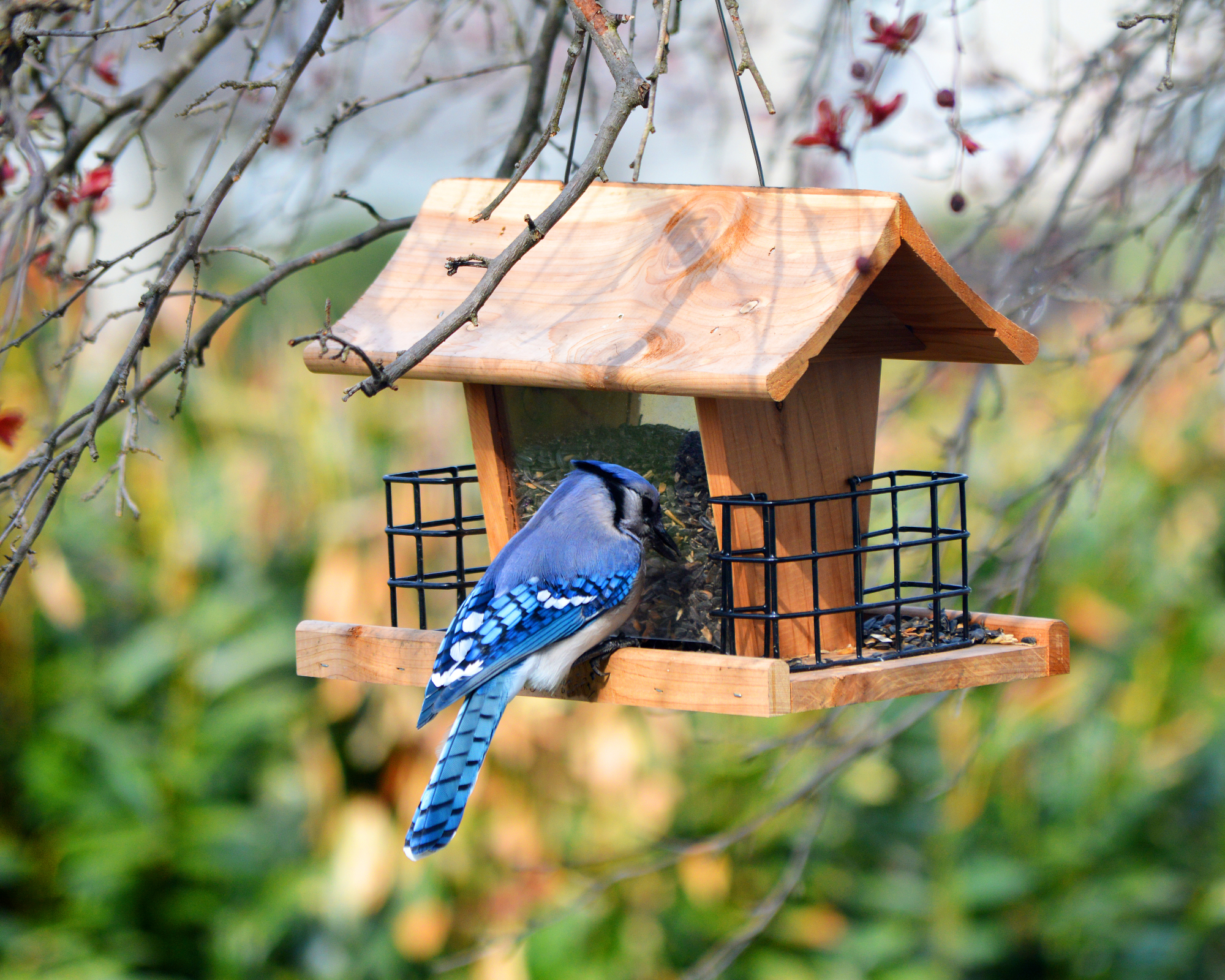
Wherever birds already perch or pick through shrub litter is somewhere they visit anyway, so a feeder put there gets folded into a route already being flown. A middle-of-the-lawn placement can sit ignored for weeks.
Cover is the other half. Trees or thick shrubs within about 10 feet (3 m) give smaller birds somewhere to queue up and somewhere to vanish when a hawk cuts through. But push the feeder much closer, and that same cover turns into a liability. Branches become launch pads for the eastern gray squirrel (Sciurus carolinensis), while low growth hides cats.
When nothing natural sits at the right distance, an adjustable shepherd’s hook, like this Feed Garden design from Amazon, lets you hang the feeder exactly where you want it and adjust its height, giving smaller birds a clearer view and making it harder for cats to reach.
2. Consider Window Distance
(Image credit: Getty Images)
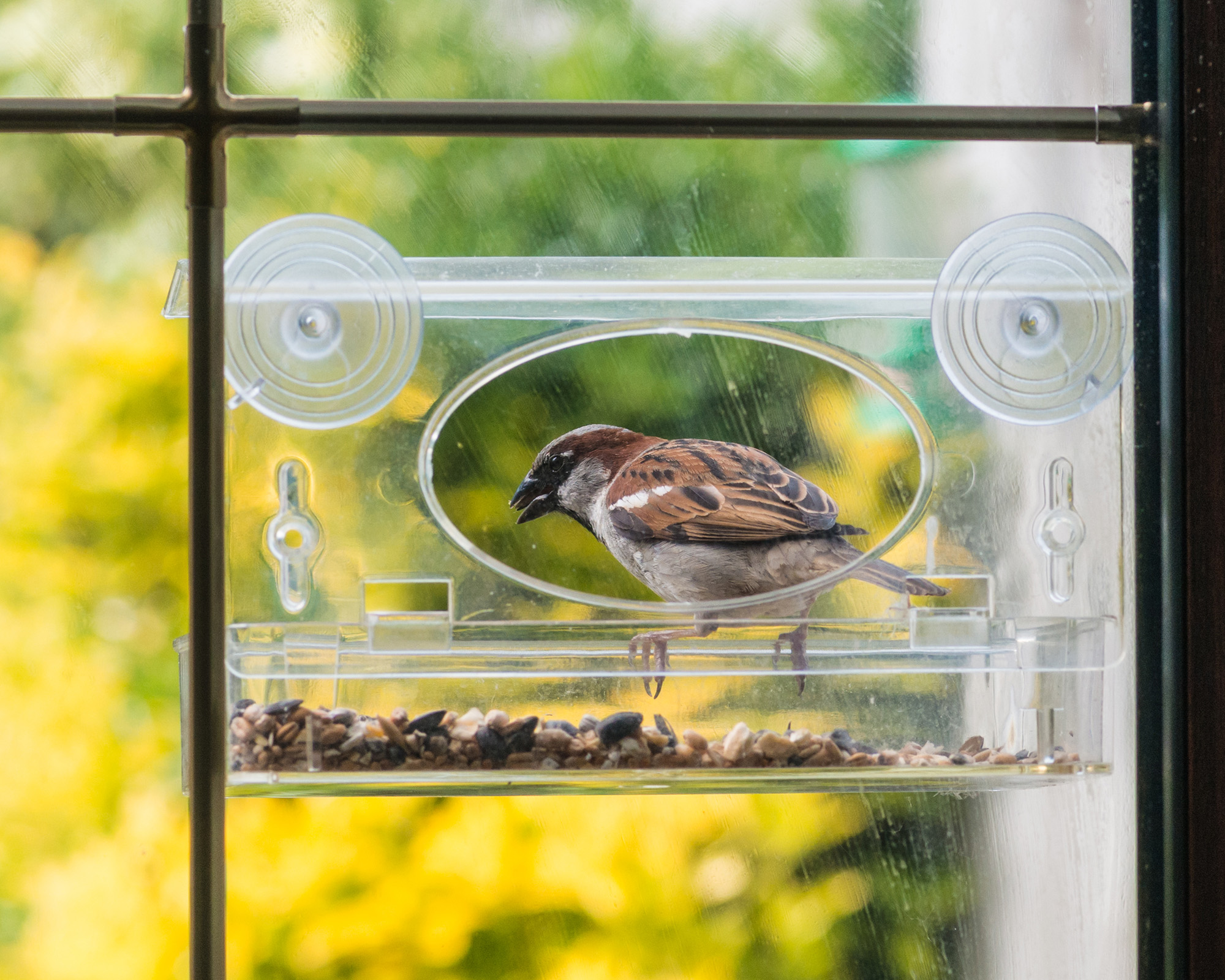
Glass should be considered before the first bird even shows up. Windows mirror the sky and greenery, and a bird that mistakes the reflection for open air hits at full speed. Most people hang a feeder specifically to watch from indoors, and windows near feeders produce the highest collision rates of any glass around a house.
Closer is safer. If a feeder is within 3 feet (0.9 m) of a window, a bird has little room to build up speed before reaching the glass, so any contact is more likely to be a bump than a high-impact strike. The other commonly recommended option is to place the feeder more than 30 feet away, although that advice is less certain than it sounds, as the research only measured collisions up to that distance.
At any range, marking the glass helps. These anti-collision bird window stickers from Amazon are an attractive way to make the surface easier for birds to see.
3. Use Familiar Seed
(Image credit: John Fader / Alamy)
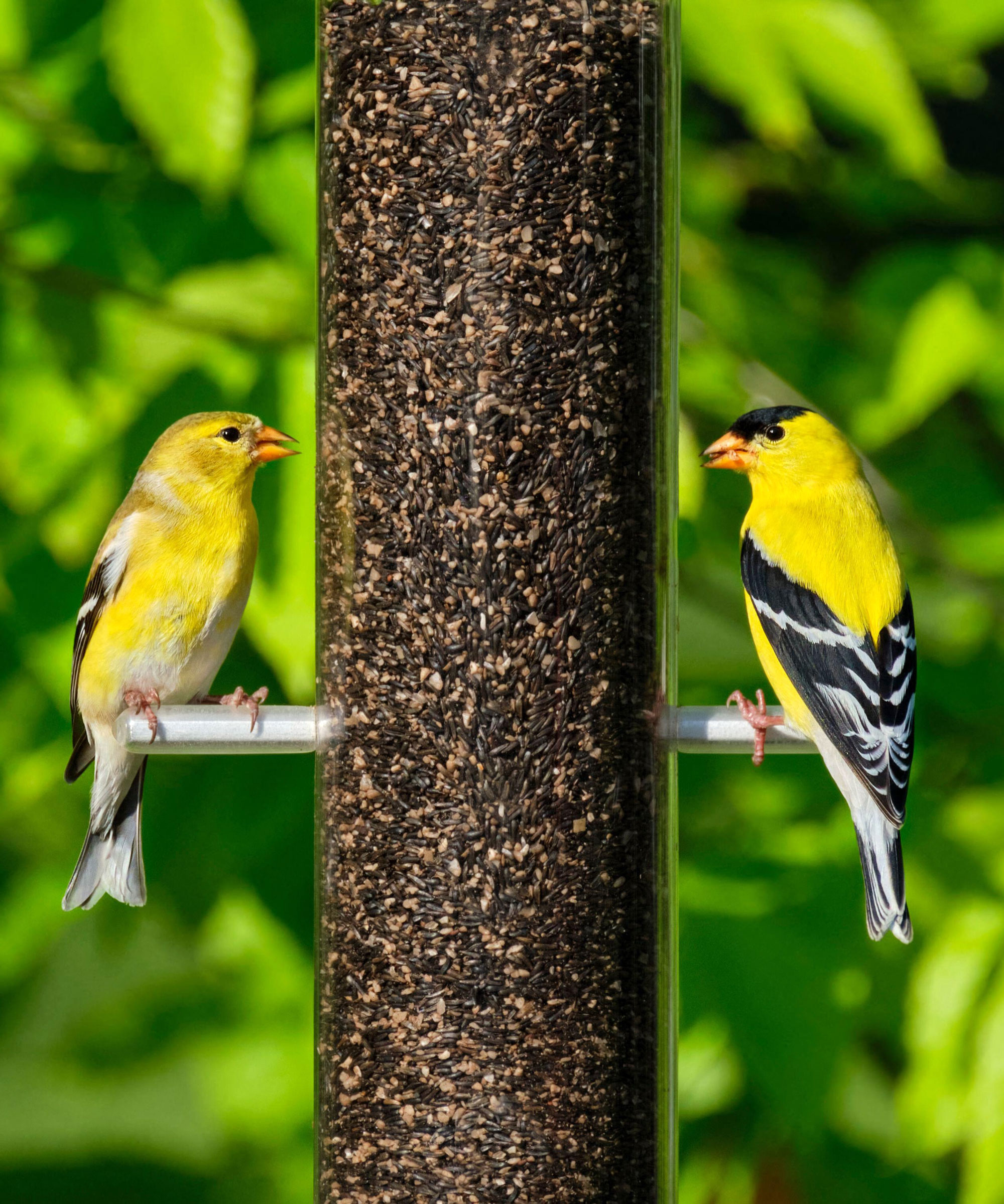
Black oil sunflower, like this 5-pound bag from Wagner's on Amazon, is the safest opening bet on the shelf. The shells are thin enough for small beaks to crack, and cardinals, chickadees, finches, and sparrows all take it. Bargain mixes heavy on red milo do the opposite, since most eastern songbirds kick the filler onto the ground, where it sours.
Suet widens the invitation to woodpeckers and nuthatches, birds that may ignore a seed tube entirely. However, while winter bird feeding staples, suet cakes can be problematic in the summer heat. Rendered cakes hold their shape until temperatures stay consistently above 90°F (32°C), and heat drives them rancid well before they melt. Fat smeared on feathers can wreck waterproofing. No-melt suet dough copes better, like this C&S Hot Pepper Delight, which is flavored with hot pepper to deter squirrels, though the birds won't mind. Hang it in the afternoon shade, half a cake at a time.
4. Give Them Something to See From Above
(Image credit: Massimo MORELLI / 500px / Getty Images)
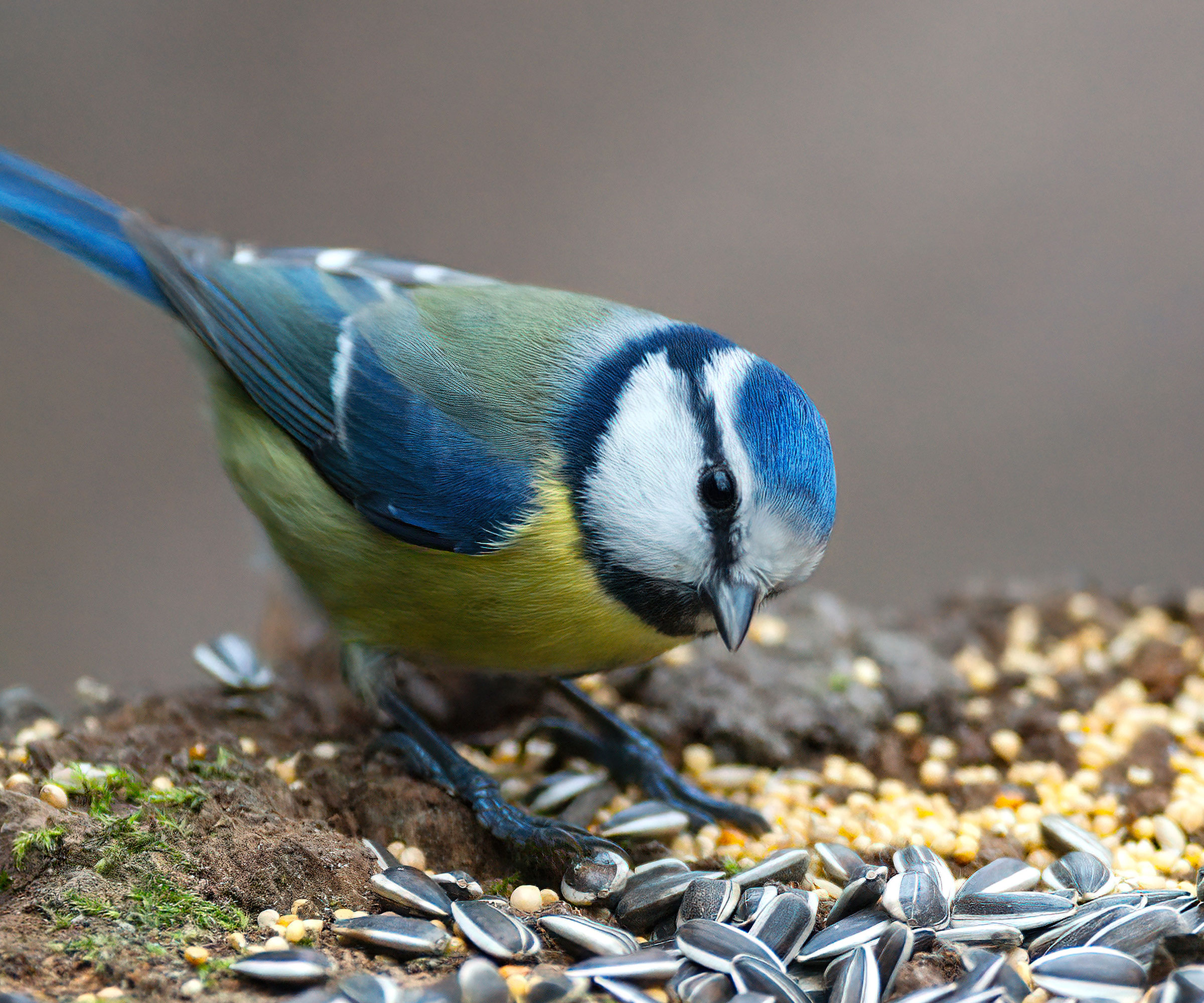
Birds locate food by sight, not smell, and a loaded tube feeder offers almost nothing to look at from 30 feet up. Loose seed changes that. Scatter a handful across the lid and any other flat surface the feeder has, where it catches the light and shifts in the wind.
Ground scatter does similar work, bringing in species that rarely bother with perches, including sparrows and juncos working the grass underneath. Rodents find spilled food fast, so keep the amount small enough that nothing sits out overnight, and set a shallow tray underneath to hold the rest off the wet soil. Once regular traffic starts, taper the scattering off. By then, the feeder advertises itself.
5. Be Patient
(Image credit: Wirestock Creators / Shutterstock)
Where feeders are already common in a neighborhood, a new one may be found within a few days. In places where nothing has been offered before, several weeks is ordinary, and longer than that happens.
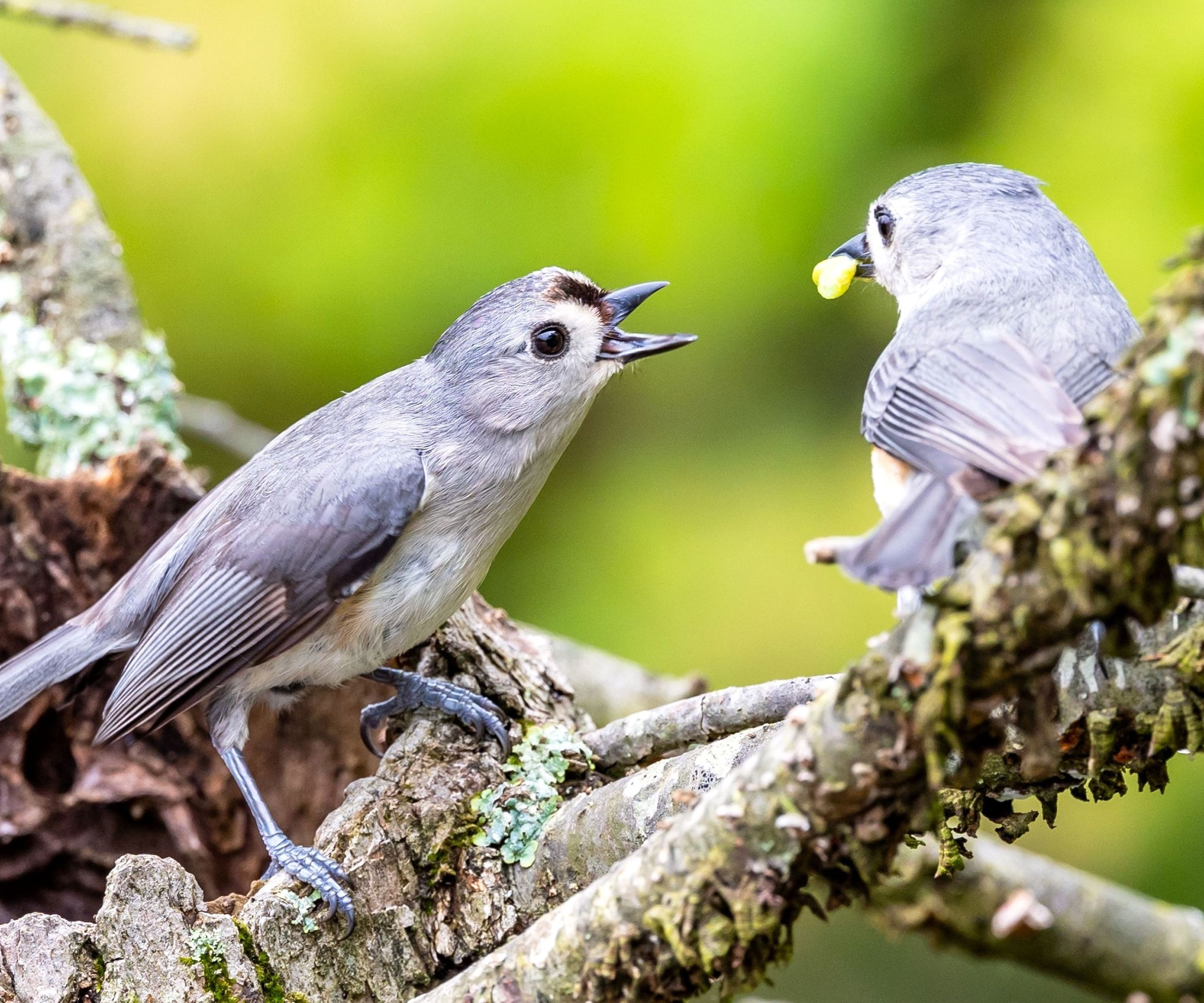
Chickadees usually break the ice, along with titmice and other curious sorts. Everything else in the yard watches that first bird and draws its own conclusions. Activity tends to jump rather than build. Resist the urge to keep relocating the feeder. Every move resets the clock, and one shifted three times never gets a fair test anywhere.
6. Keep Seed Fresh
(Image credit: Bruce MacQueen / Shutterstock)
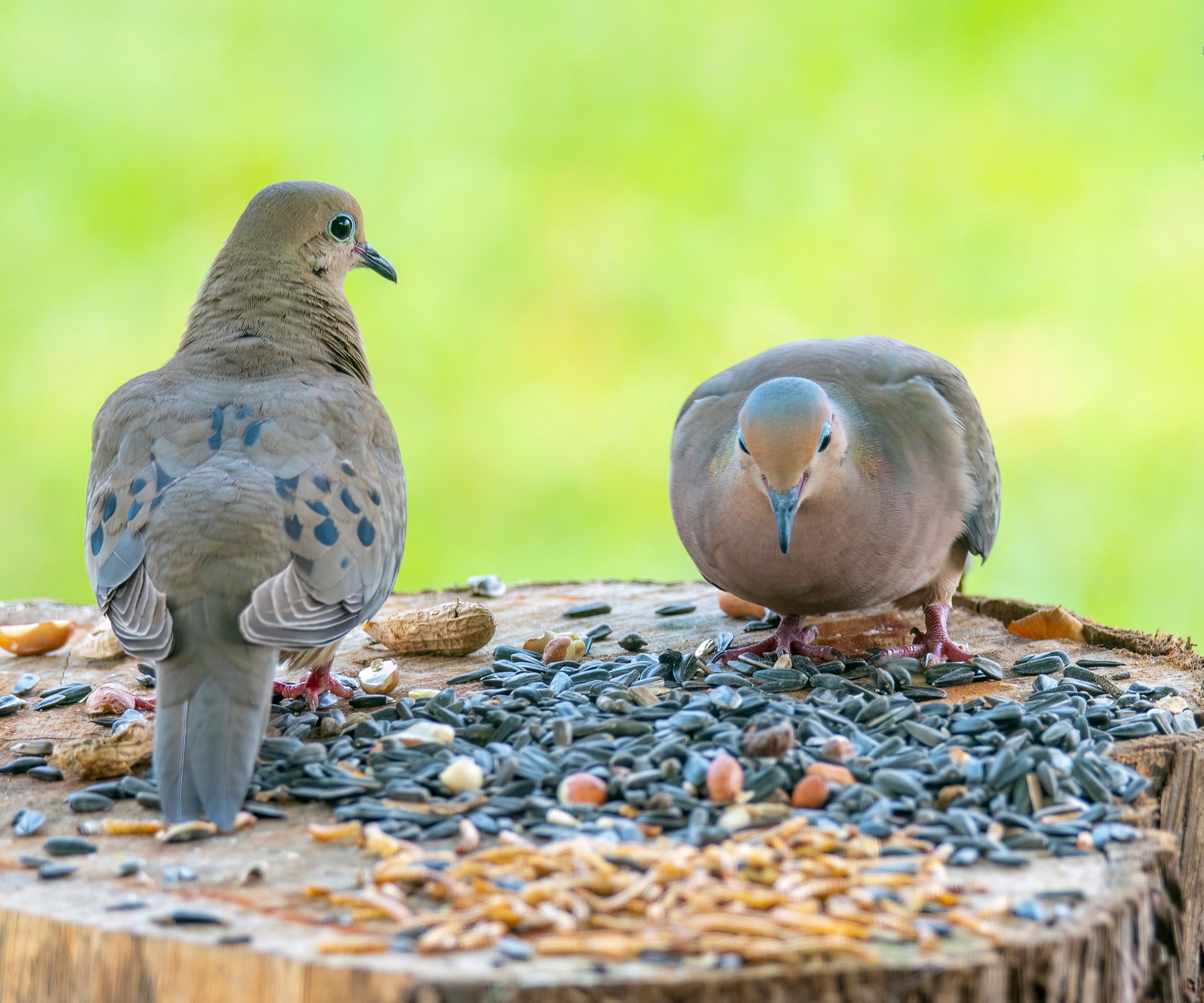
Wet seed goes bad quickly in humid heat, and mold in a feeder is not a cosmetic problem. Aspergillus fumigatus in damp seed causes aspergillosis, a respiratory infection that can kill wild birds, while A. flavus in moldy grain produces aflatoxins that target the liver. Fill the feeder with only what gets eaten in a few days, and dump anything clumped or musty.
Storage decides most of it. Seed left in its original bag in a shed sweats and molds from the inside out. This Behrens galvanized steel can with a locking lid from Walmart shuts out rodents and damp in a way the original bag never manages. Scrub the feeder every week or two in warm weather, taking it apart rather than cleaning it in place, and dry it fully before refilling.
7. Make it Squirrel-Proof – Without Spooking the Birds
Squirrels can find a feeder faster than birds do, and those first weeks decide whether it becomes a daily stop. Discouraging them early beats evicting them later. Physical distance does the real work: allow roughly 10 feet (3 m) of clearance from any branch or railing they can launch off. Anything shorter, and a gray squirrel clears it without trying.
To squirrel-proof bird feeders, use a wraparound pole baffle, like this Kitvona squirrel baffle from Amazon, mounted with its top 4–5 feet (1.2–1.5 m) off the ground. Lower than that, and they simply jump it. Birds treat that commotion as a predator event and stay clear well after it ends.
Shop Bird Feeding Essentials
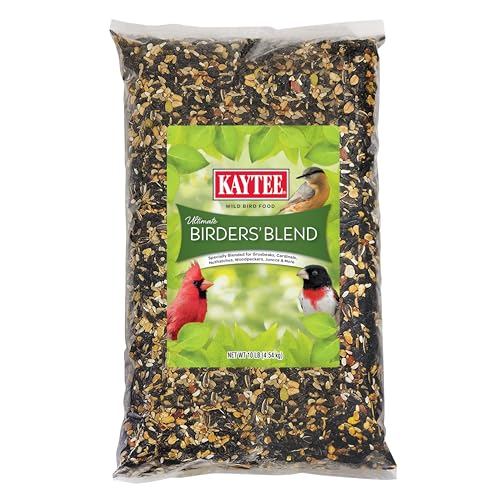
Kaytee Ultimate Birder's Blend Wild Bird Seed, 10 Pounds
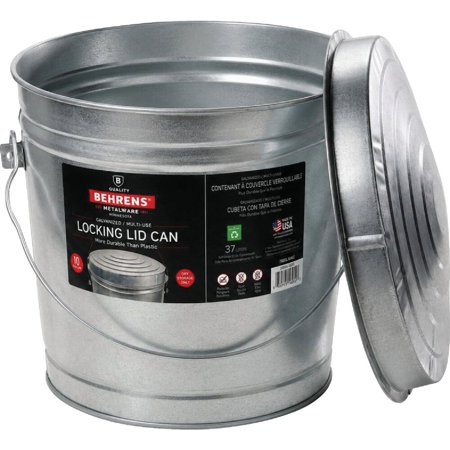
Behrens 10-Gallon Galvanized Steel Can With Locking Lid
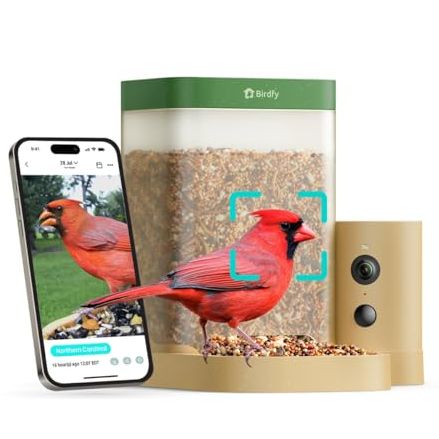
Birdfy Smart Bird Feeder with Camera for Beginners
Two weeks with an untouched feeder feels like failure and hardly ever is. Keep the seed dry and leave the spot alone. The first chickadee tends to turn up on an ordinary afternoon when nobody happens to be looking out the window.











 English (US) ·
  French (CA) ·