

Potatoes are a staple in many diets and a versatile ingredient in any kitchen. If you go through a lot of potatoes at home, consider growing them in your garden. They’re easier to grow than you think and reward you with an abundant harvest of potatoes you can store and use for months.
Growing potatoes isn’t particularly difficult. However, there are some key considerations to keep in mind, including how, when, and how much you water them. Watering potatoes correctly is just as important as getting the soil and feeding right.
Here’s what you need to know to make sure your spuds are happy, healthy, and well-hydrated to ensure you get a big harvest.
Why Watering Potatoes Right Is Key
Potatoes aren’t hard to grow, but things can definitely go wrong if you don’t get the conditions right. One of the most important factors for a good potato harvest is moisture. Knowing how often to water potatoes and how moist the soil should be will help you grow a healthy, abundant crop.
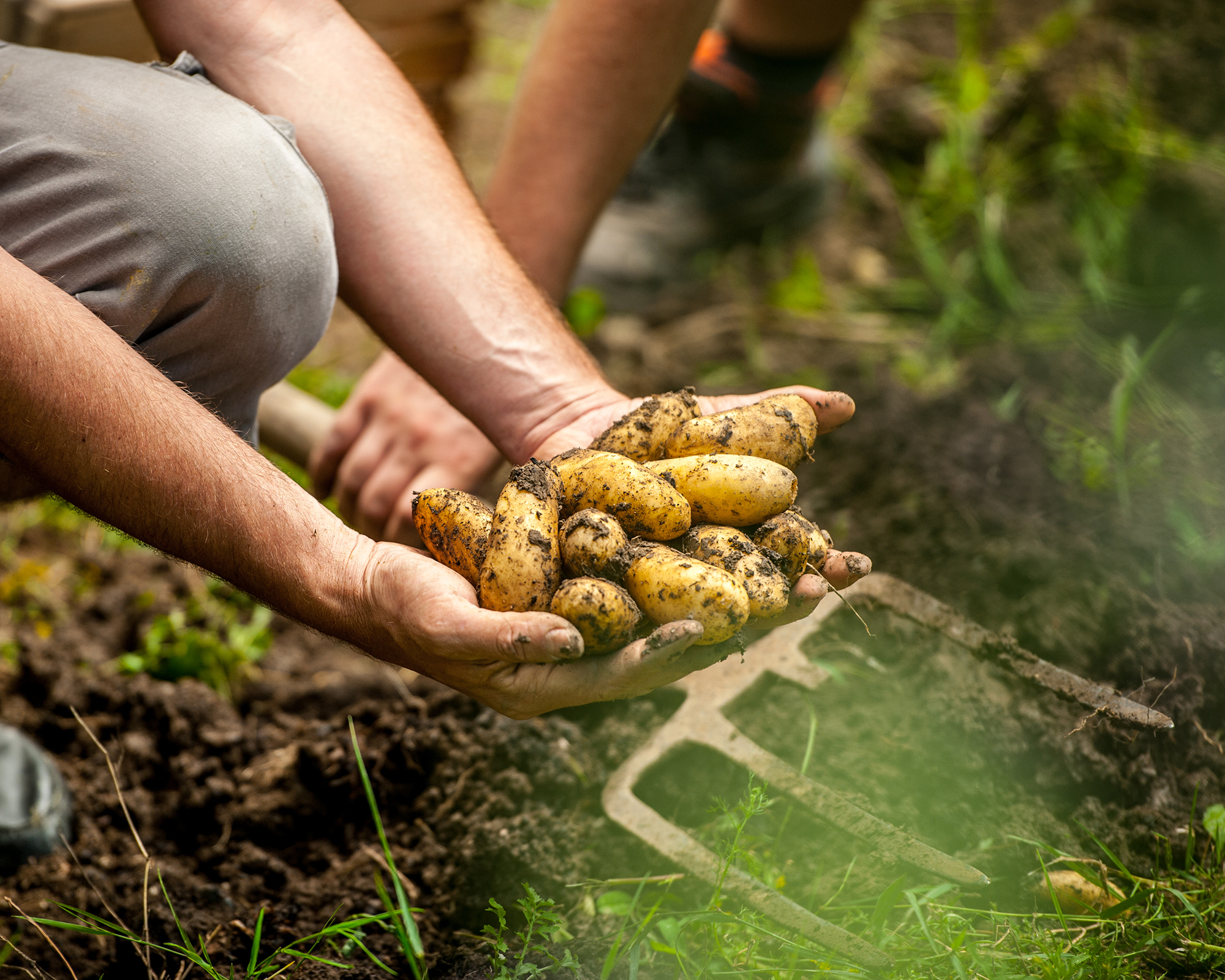
Inconsistent water and moisture can lead to poor development of the tubers, poor nutrient uptake, and uneven growth. You might see some specific issues with poor watering, like cracked or misshapen potatoes and tubers with holes in them. Ultimately, inconsistent water can limit your yield of edible potatoes.
(Image credit: Getty Images)
How Much Water Do Potatoes Need?
To grow healthy and productive potato plants, aim for 1 to 2 inches (2.5-5 cm) of water per week. This includes both rainwater and any types of irrigation you use. The amount can vary depending on your soil type, the current weather, and the growth stage of the potato plants.
You’re looking for the soil around potato plants to remain consistently moist, but there is a balance to be struck. Consistent moisture is essential for good growth, but too much water can lead to soft rot in potatoes.
An easy way to test soil moisture is to feel the soil with your fingers to a depth of 2 to 3 inches (5-7.5 cm). Once this top layer of soil has dried, the potatoes could use a drink. If you’re still unsure whether your soil is either too dry or too wet, invest in a moisture meter, like this one from Amazon.
(Image credit: Marsell Gorska Gautier / Getty Images)
How Often to Water Potatoes
Figuring out how often to water potatoes as plants grow and develop through different stages is one of the keys to a successful harvest. Here’s what you need to know about how and when to water potatoes throughout the different parts of their growth cycle:
- Early Growth - Water the soil lightly just after planting seed potatoes and be very careful not to overwater. Keep the soil evenly moist with about 1 inch (2.5 cm) of water per week. Water gently to protect seedlings and keep soil in place.
- Peak Foliage Growth - Once the plants get bigger and are producing a lot of foliage, increase watering to a few times per week and up to 2 inches (5 cm) of water, depending on soil and weather conditions. Water potatoes more often in hot and dry weather. Adding mulch can also help retain moisture in the soil.
- Flowering - As your plants begin to flower, they are also developing tubers. This is a critical period during which the soil must stay consistently moist to avoid stressed, malformed, and small tubers. Water a few times a week, giving potatoes up to 3 inches (7.5 cm) of water per week, depending on the weather.
- Late Growth - During the latter part of the growing season, close to harvest time as the leaves begin to turn yellow, reduce watering gradually until you’re not watering at all unless the soil is totally dry. This gradual decrease helps toughen potato skins and prevents rot.
(Image credit: Maria Lifestyle / Getty Images)
How to Water Potato Plants
Consistency is the name of the game when it comes to watering potatoes properly. You’ll get the best potatoes if you can keep the soil consistently moist without allowing it to become soggy.
Create hills of soil around your potato plants or along the row to protect the tubers and to help conserve moisture. Adding mulch on top of the soil will also prevent a lot of moisture loss from evaporation. Water more if weather conditions are especially hot and dry.
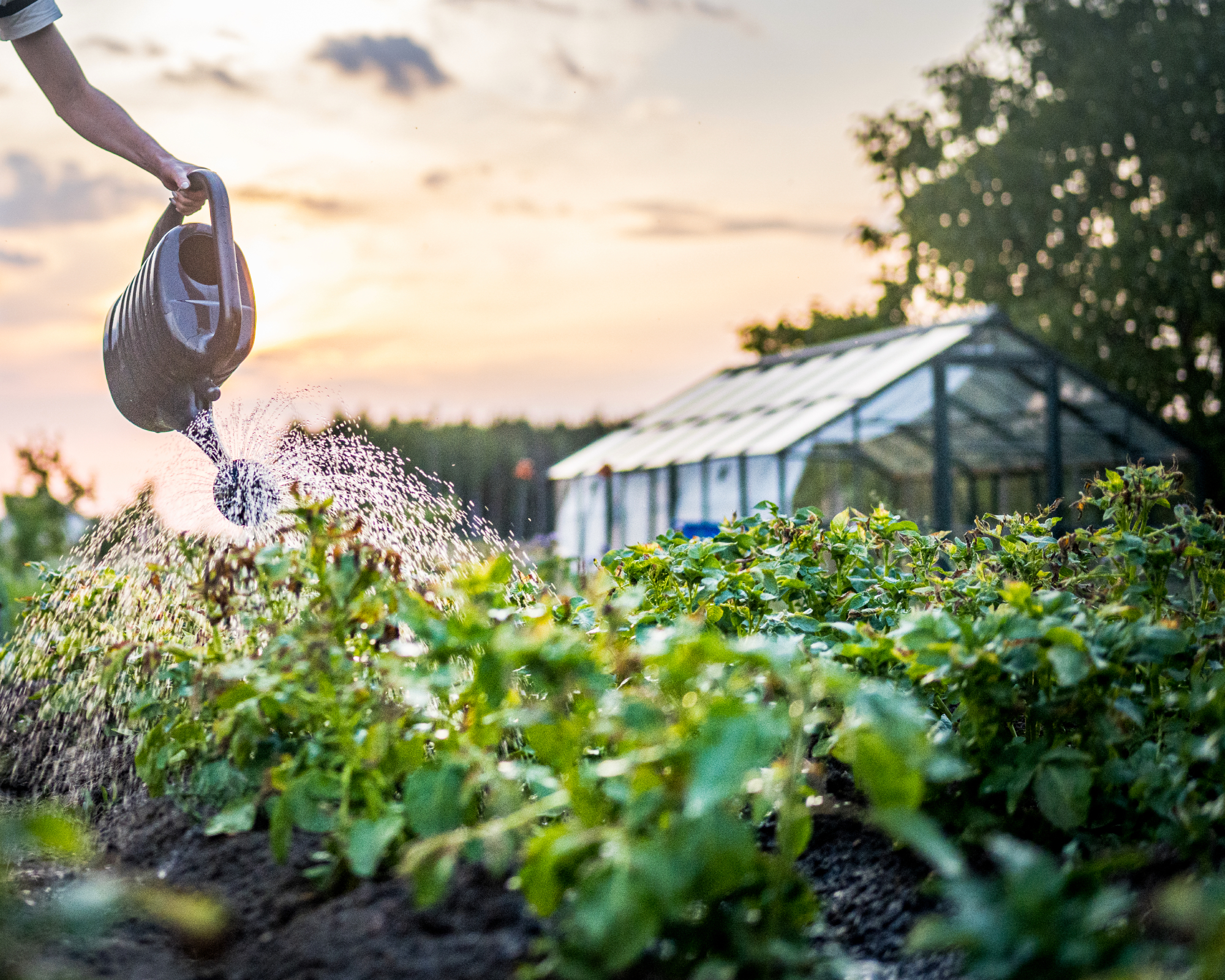
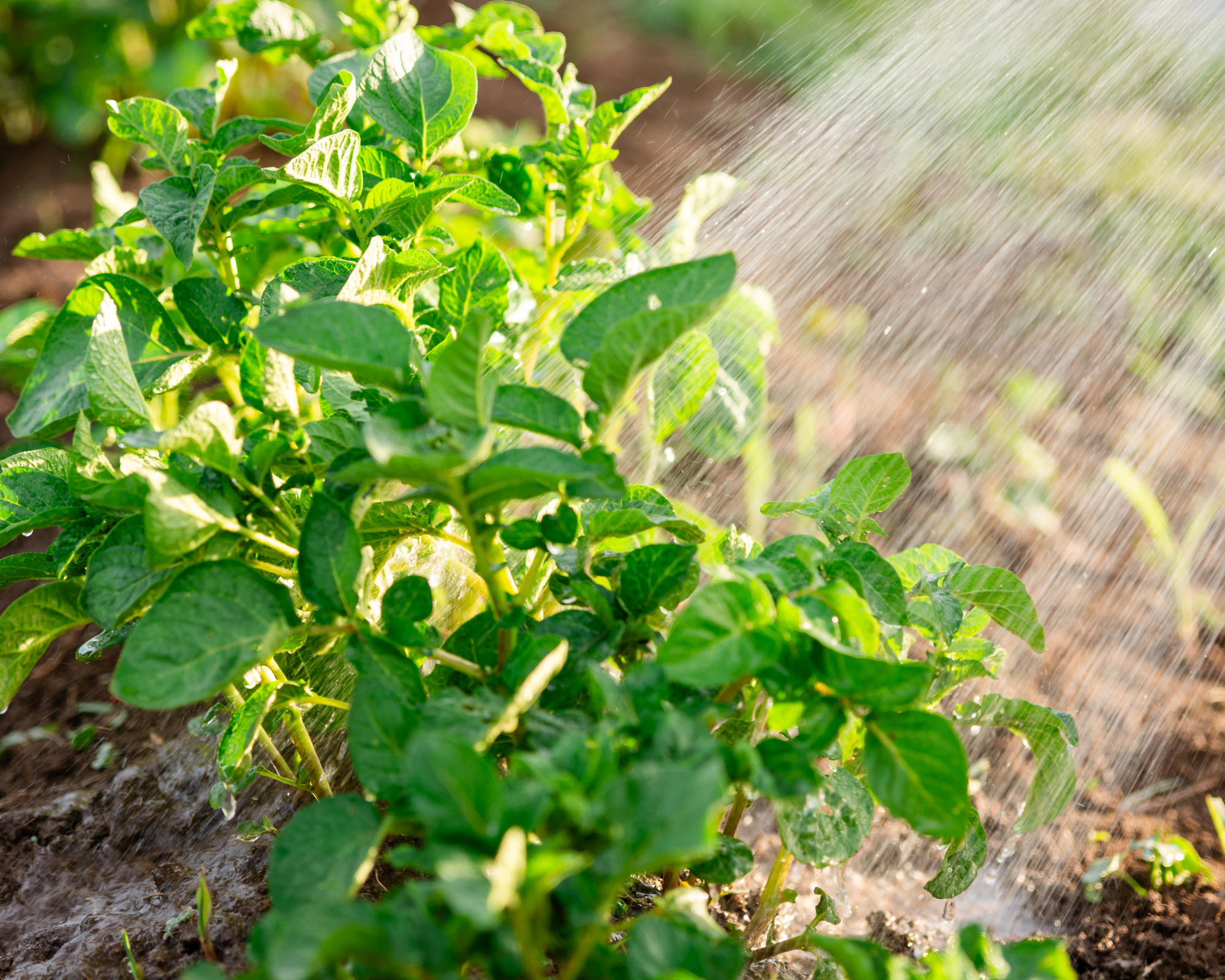
How you water potatoes also matters. Watering deeply once or twice a week is better than light daily watering. Setting up a simple drip irrigation kit, like this one from Home Depot that our editors love, or using a soaker hose at the base of plants is the most effective way of getting moisture into the soil. Avoid overhead watering and getting leaves wet, which encourages fungal infections and other common potato diseases.
(Image credit: Tomasz Klejdysz / Getty Images)
Signs You’re Watering Potatoes Wrong
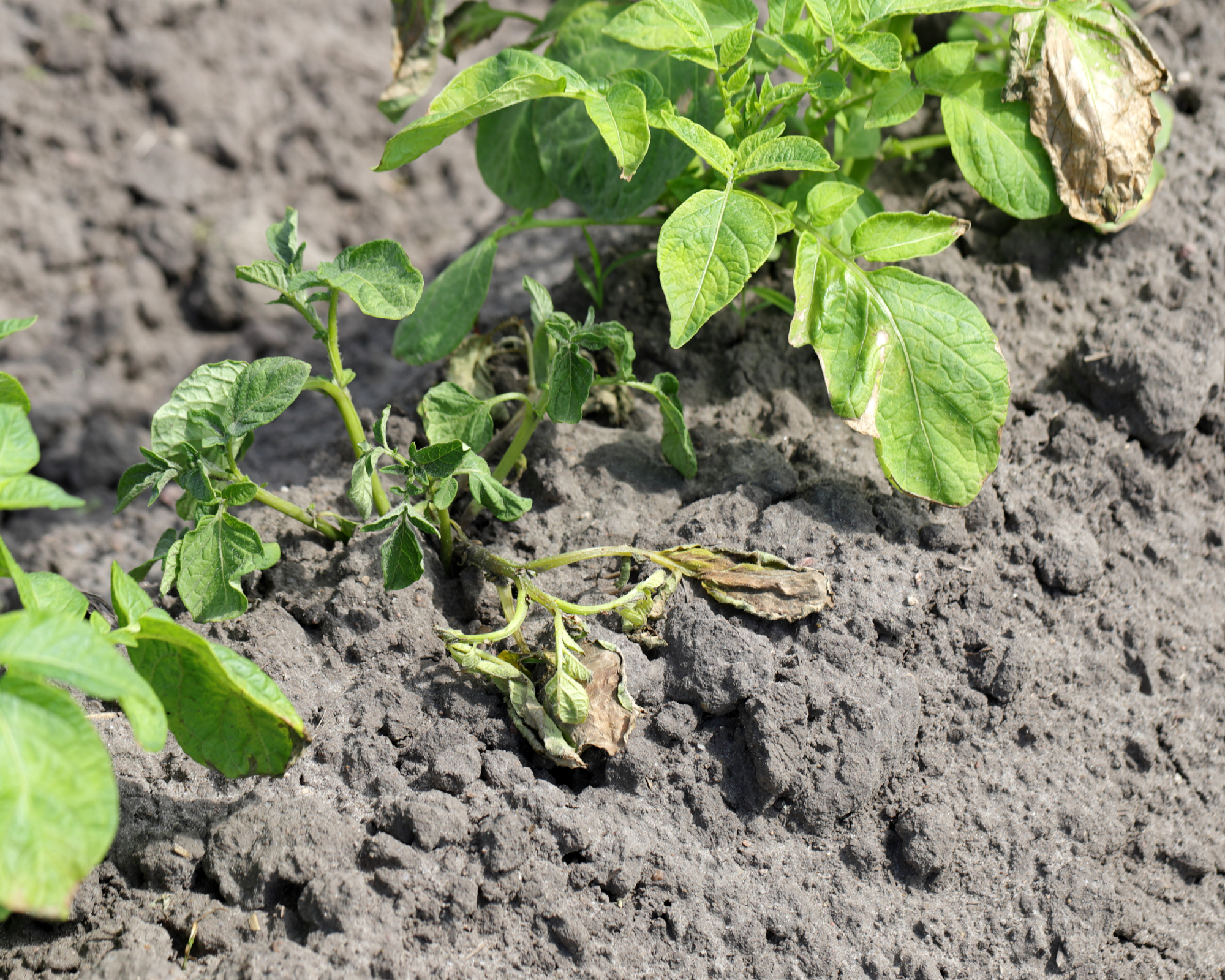
Watering potato plants requires balance, so it’s not hard to go too far in one direction or the other. Some signs you’re overwatering potatoes include yellowing leaves, fungal disease, wilting even with moist soil, and visible rot when you dig down to check on tubers.
Signs of underwatering include dry soil, stunted plant growth, and potatoes that are small, underdeveloped, or cracked. Tubers tend to crack if you water them after a period of dry conditions, which is one reason consistency is so important.
Growing your own potatoes can be rewarding, but to get the most out of your plants you have to be consistent with water. Time watering according to the different plant stages and weather, check on the soil, and make adjustments as needed for the best results and the biggest harvest.
Explore Watering Essentials
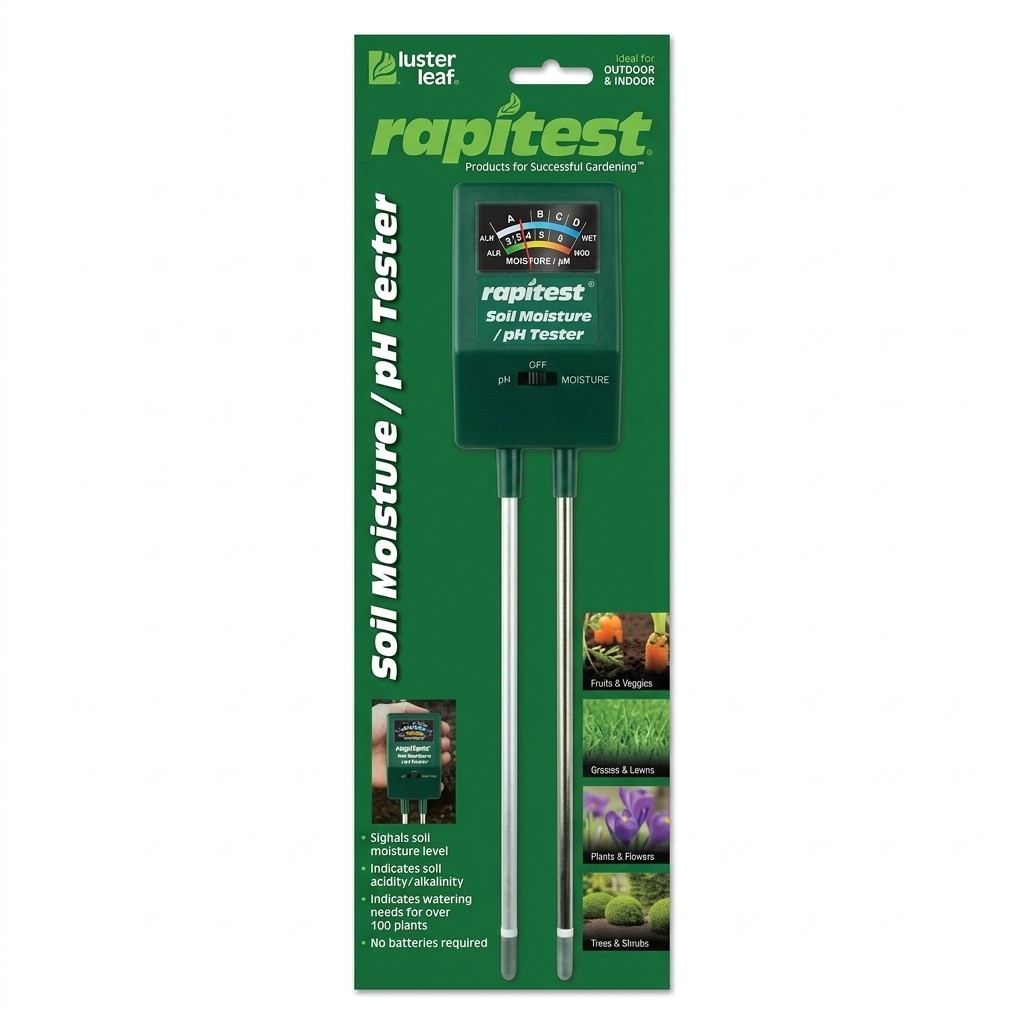
Luster Leaf Rapitest Moisture Meter
Take the guesswork out of watering with a simple moisture meter.
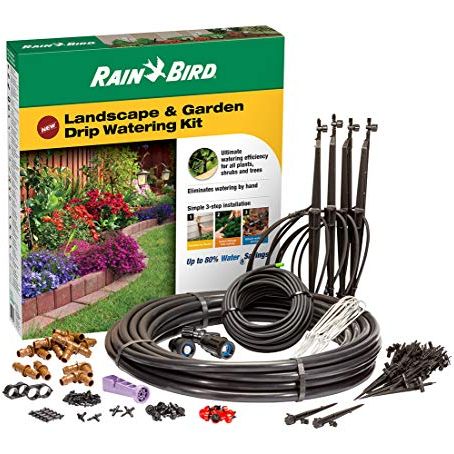
Rain Bird Drip Irrigation Kit
A drip irrigation kit makes it easy to give plants water exactly where they need it – at the roots.
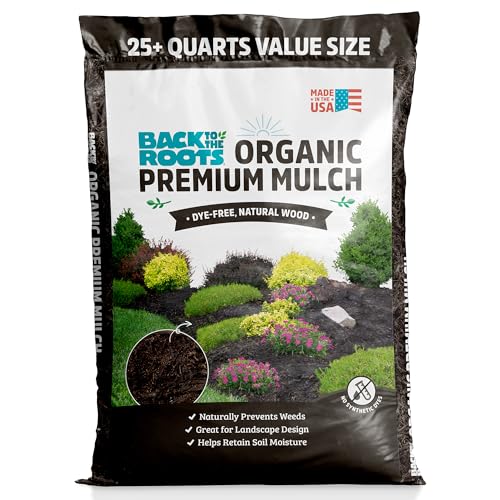
Back to the Roots Organic Premium Mulch
Hold in moisture after watering with an organic mulch like this.












 English (US) ·
  French (CA) ·