

 3 hours ago
8
PROTECT YOUR DNA WITH QUANTUM TECHNOLOGY
Orgo-Life the new way to the future Advertising by AdpathwayIndividuals diagnosed with bipolar disorder exhibit significantly elevated levels of glutathione in the dorsal anterior cingulate cortex compared to healthy controls, according to new research published in the journal Translational Psychiatry. This finding suggests that brain glutathione levels may serve as a potential biomarker for oxidative stress and the body’s compensatory antioxidant response in people living with the condition. The study, which utilized proton magnetic resonance spectroscopy to analyze neurochemical concentrations, highlights the critical role of the brain’s primary antioxidant in defending against cellular damage associated with oxidative stress. By demonstrating a link between these chemical concentrations and symptom history, researchers are gaining a clearer understanding of the underlying mechanistic processes involved in bipolar disorder.
To investigate whether this antioxidant elevation is a consistent physiological feature, researchers conducted a cross-sectional comparison of 29 individuals with bipolar disorder and 26 healthy control participants. Statistical analysis indicated a medium effect size, providing objective evidence for altered antioxidant status in the brains of those with bipolar disorder. Furthermore, these elevated levels were positively correlated with the frequency of past-year depressive episodes, suggesting that the degree of biochemical change may track with the clinical severity or activity of the disorder over time.
The study also explored the potential for therapeutic intervention using N-acetylcysteine, a compound known to increase glutathione production by supplying cells with the necessary substrate, cysteine. In a secondary pilot investigation, 12 participants underwent a randomized, placebo-controlled, double-blind, crossover study to determine if supplemental N-acetylcysteine could modulate brain glutathione concentrations. Participants receiving 3 grams per day of the supplement showed significantly increased levels of glutathione in the target brain region relative to the placebo group. Notably, this increase in glutathione was not accompanied by significant changes in glutamate levels, suggesting that the treatment specifically targeted the antioxidant pathway rather than producing a broader alteration of neurochemical profiles.
While these results offer a promising avenue for understanding the pathophysiology of bipolar disorder, the research team emphasizes that the findings must be interpreted with caution. The pilot study assessing the effects of N-acetylcysteine involved a small sample size, which limits the ability to generalize the findings to broader populations or confirm long-term clinical efficacy.
Despite these limitations, the research underscores the potential of anterior cingulate cortex glutathione as a primary mechanistic target for developing novel antioxidant therapies. By identifying a clear biomarker that is sensitive to intervention, this research paves the way for future studies aimed at overcoming the bioavailability challenges often associated with standard N-acetylcysteine supplementation, potentially leading to more targeted and effective treatment strategies for patients.
Subject of Research: Biomarkers of oxidative stress and antioxidant response in bipolar disorder
Article Title: Evidence for anterior cingulate cortex glutathione levels as a biomarker of oxidative stress and antioxidant response in people with bipolar disorder
Article References: Prisciandaro, J. J., Prescot, A. P., Murali-Manohar, S., Edden, R. A. E., Ye, Z., Zhang, J., Townsend, D. M., Brand, K., Hix, S., Mellick, W. H., & Tolliver, B. K. (2026). Evidence for anterior cingulate cortex glutathione levels as a biomarker of oxidative stress and antioxidant response in people with bipolar disorder. Translational Psychiatry. https://doi.org/10.1038/s41398-026-04372-0
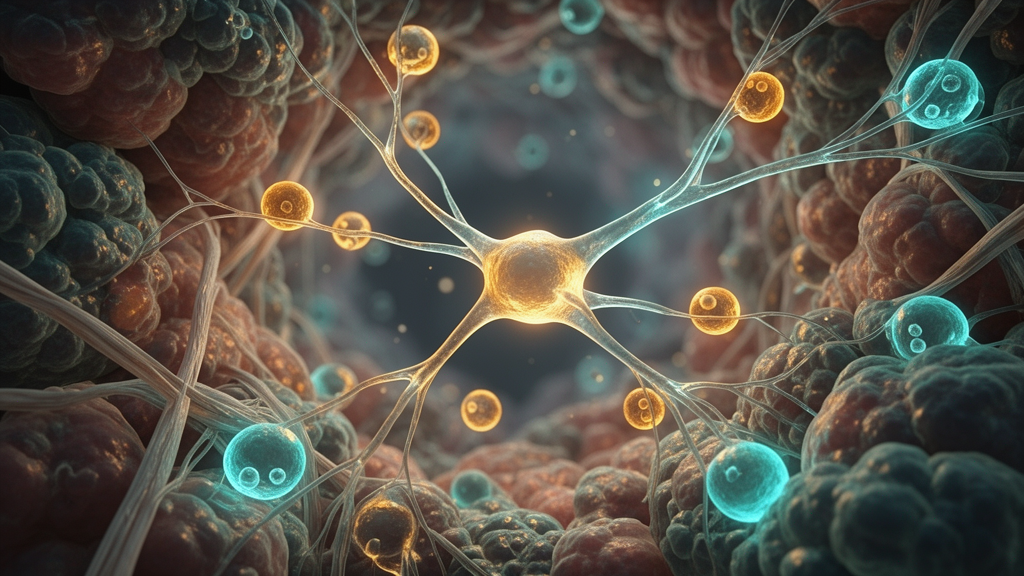
Image Credits: AI Generated
DOI: 10.1038/s41398-026-04372-0
Keywords: Bipolar Disorder, Glutathione, Oxidative Stress, Anterior Cingulate Cortex, N-acetylcysteine, Proton MR Spectroscopy, Antioxidant Response, Translational Psychiatry, Biomarkers, Depressive Episodes, Neurochemistry, Psychiatric Research, Clinical Neurology, Oxidative Defense, Adjunctive Therapy












 English (US) ·
 French (CA) ·