

 1 week ago
14
1 week ago
14
For travelers who love lively festivals, fascinating cultures, and destinations off the beaten path, the Agal-Agal Festival in Tawi-Tawi offers an unforgettable experience in the southern Philippines.

Agal-Agal Festival
Held in the provincial capital of Bongao and other locations in Tawi-Tawi, the festival celebrates agal-agal, the local term for seaweed in the Sulu Archipelago. More than a tourism event, it recognizes the importance of seaweed farming to the province’s communities, economy, and maritime way of life. It also brings together the diverse cultural traditions of the Sama, Sama Dilaut, Jama Mapun, Tausug, and other communities of Tawi-Tawi.
The celebration is typically held in September alongside Kamahardikaan sin Tawi-Tawi, the province’s founding anniversary. Travelers can expect colorful street dancing, cultural performances, parades, trade fairs, maritime activities, and opportunities to experience Tawi-Tawi’s distinctive island culture.
History of the Agal-Agal Festival
The name Agal-Agal refers to seaweed, an important natural resource and livelihood in Tawi-Tawi. The festival was launched in 2001 during the administration of Governor Rash Matba to celebrate the province’s seaweed industry and its contributions to local communities.
Seaweed farming has long been closely connected to everyday life in Tawi-Tawi. Surrounded by productive waters, the province developed a strong maritime economy based on fishing, seaweed cultivation, and other marine resources. The festival provides an opportunity to recognize the farmers and communities behind this industry while promoting the province as a cultural and tourism destination.
The celebration also highlights Tawi-Tawi’s remarkable cultural diversity. Traditional music, dances, costumes, boats, food, crafts, and other expressions of local identity are incorporated into the festivities.
The festival was temporarily suspended in 2020 and 2021 due to the COVID-19 pandemic, before celebrations resumed.
Agal-Agal is also associated with Kamahardikaan sin Tawi-Tawi, which commemorates the creation of the province after it separated from Sulu in 1973. Bongao serves as the provincial capital.
 Agal-Agal Festival in Tawi-Tawi
When Is the Agal-Agal Festival?
The festival traditionally takes place in September, with major celebrations clustered around the province’s founding anniversary.
Historical records place major activities in the final week of September, although the exact dates and venues can vary from year to year.
For 2026, travelers should confirm the official provincial announcement before booking flights and accommodations because the complete activity calendar may change.
Schedule of Activities
Agal-Agal is generally presented as a multi-day celebration, with activities taking place before the main festival day.
Opening Ceremonies
The celebration may begin with an opening ceremony featuring government officials, community leaders, cultural presentations, and performances.
This is also a good time to explore Bongao, visit local markets, and familiarize yourself with the festival venues.
Trade Fair and Cultural Exhibits
Trade fairs and exhibits showcase local products, handicrafts, agricultural products, food items, and seaweed-based products.
Travelers interested in local industries can learn more about seaweed cultivation and its importance to Tawi-Tawi’s economy.
Fun Run and Community Activities
Sports and recreational activities may be included in the pre-festival schedule.
A fun run or similar community event provides visitors with a chance to experience Bongao alongside local residents.
Cultural Performances
Cultural presentations are among the festival’s biggest attractions.
Traditional dances associated with Tawi-Tawi may include pangalay or igal, lunsay, langka silat, and langka kuntaw, accompanied by traditional instruments such as kulintang, agung, and gandang.
Lepa and Maritime Activities
The Lepa Festival has been incorporated into the broader festivities in some years.
The lepa is a traditional wooden boat associated with the Sama Dilaut, also known as Badjao. Maritime activities highlight Tawi-Tawi’s longstanding relationship with the sea.
Grand Parade and Street Dancing
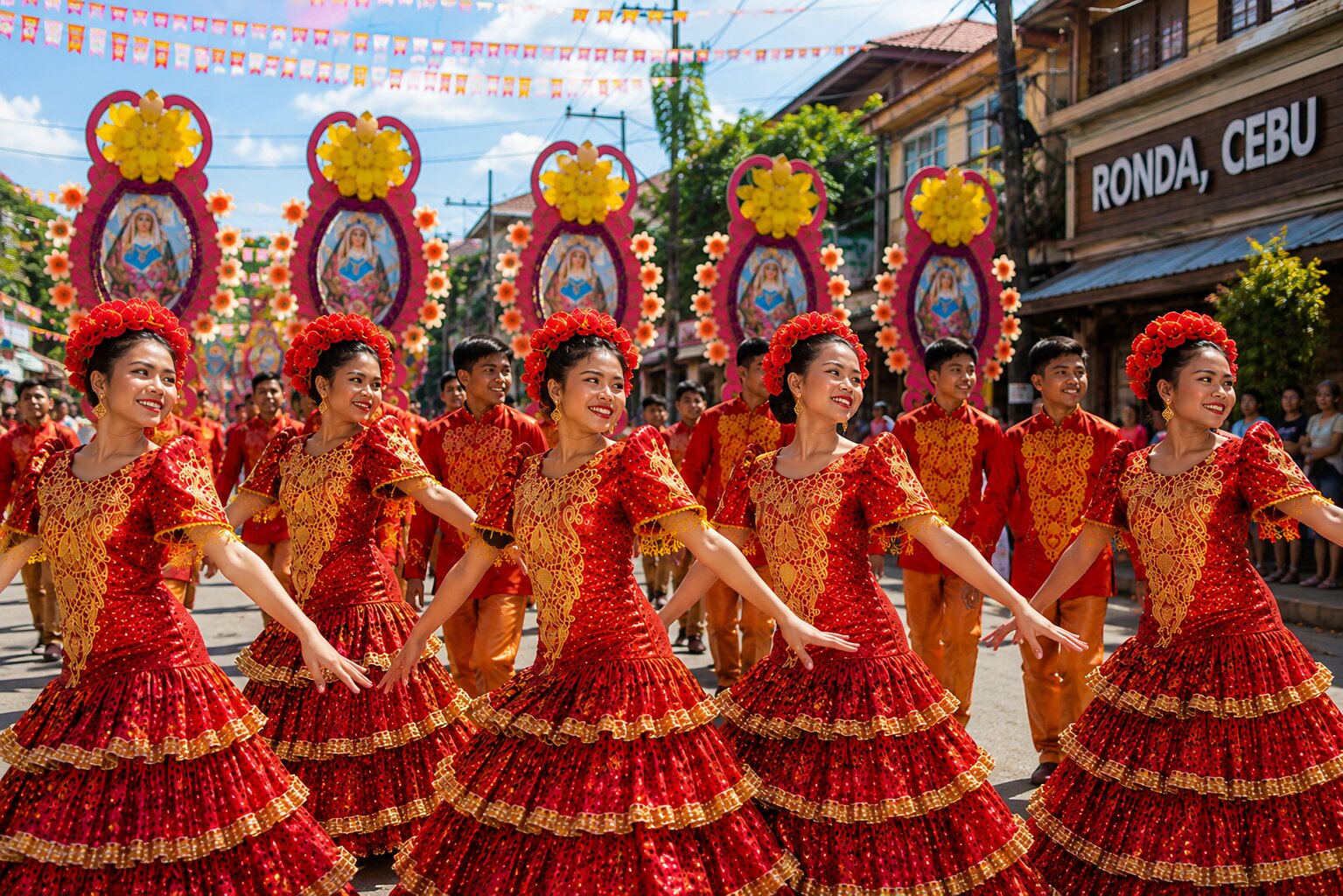
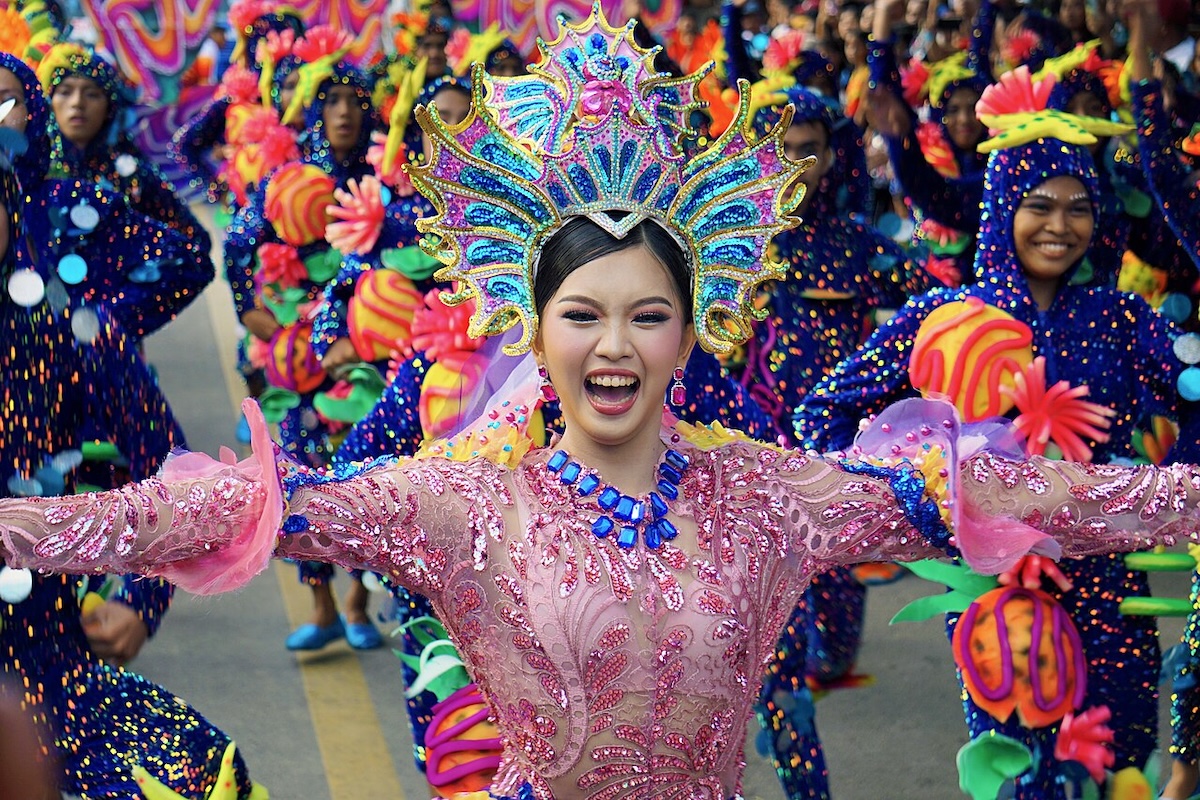
The culminating festivities typically feature a colorful parade and energetic street-dancing performances.
One of the highlights is Igal Ma Lan, a street-dancing presentation featuring contingents representing different communities and municipalities.
Performers wear elaborate costumes while showcasing traditional dances, music, and movements inspired by local culture.
Note: The activities and dates above describe the festival’s typical program. The official 2026 schedule should be checked with the provincial government or tourism authorities before making specific plans.
Things to Do and See During the Festival
1. Watch the Igal Ma Lan Street Dancing
Festival lovers should make this a priority.
The performances bring together Tawi-Tawi’s different cultural traditions through colorful costumes, traditional movements, music, and choreography.
Arrive early if you want a good viewing position.
2. Experience the Grand Parade
The grand parade offers an entertaining introduction to Tawi-Tawi’s communities and traditions.
Look closely at the costumes, props, performances, and floats, which often reflect local culture and natural resources.
3. Learn About Seaweed Farming
Agal-Agal is ultimately a celebration of seaweed and the people whose livelihoods depend on it.
Visit exhibitions and demonstrations when available to better understand how seaweed is cultivated, harvested, processed, and turned into commercial products.
4. Look for the Lepa Festival
If the Lepa Festival forms part of the year’s program, make time for it.
The traditional lepa boats provide a fascinating glimpse into the maritime heritage of the Sama Dilaut and other coastal communities.
5. Visit Bongao Peak
Bongao Peak is one of Tawi-Tawi’s best-known natural landmarks.
The climb offers panoramic views of Bongao and the surrounding islands and waters. The mountain also holds cultural and spiritual significance for local communities.
6. Explore Panampangan Island
Beach lovers should consider an island excursion to Panampangan Island.
The island is famous for its long white-sand bar and clear turquoise waters. Depending on the tides and weather, visitors can enjoy swimming, sightseeing, snorkeling, and photography.
7. Discover Baloboc Cave
History enthusiasts can visit Baloboc Cave, an archaeological site associated with ancient human settlement.
The site offers a glimpse into the long history of human habitation in the Tawi-Tawi area.
8. Experience Tawi-Tawi’s Maritime Culture
Some of the best experiences may happen outside the official festival program.
Spend time around Bongao’s waterfront, markets, boats, and local communities to observe how closely everyday life remains connected to the sea.
How to Get to Tawi-Tawi
For most travelers, Bongao is the most practical base for exploring Tawi-Tawi.
From Manila
A common route is to fly from Manila to Zamboanga City, then take a connecting flight to Sanga-Sanga Airport in Tawi-Tawi.
Because flight schedules can be limited, allow enough time between connecting flights.
From Zamboanga City
Direct flights connect Zamboanga with Sanga-Sanga Airport.
The flight generally takes less than an hour, although schedules and operating airlines can change.
Check current airline schedules before booking, particularly if you are traveling specifically for the festival.
By Sea
Travelers may also reach Bongao by ferry from Zamboanga City.
Sea travel takes considerably longer than flying but may be an option for travelers who prefer traveling by boat or want an alternative to air travel.
Ferry schedules and journey times can change, so confirm the latest schedule before departure.
Getting Around Tawi-Tawi
Bongao is the most convenient base for first-time visitors.
Local transportation includes tricycles and other public vehicles. Island excursions require boats, so arrange transportation through a reputable local operator or your accommodation whenever possible.
If you plan to visit islands outside Bongao, keep your itinerary flexible. Weather, tides, sea conditions, and boat availability can affect travel times.
Important Travel Tips
Check Travel Advisories
This is particularly important when visiting Tawi-Tawi because security conditions in parts of the Sulu Archipelago can change.
Check the latest Philippine government advisories, local government announcements, airline notices, and your travel insurance conditions before traveling.
Do not assume that the presence of a festival means every surrounding area is appropriate for independent tourism.
Dress Respectfully
Tawi-Tawi has a predominantly Muslim cultural environment.
Wear lightweight but modest clothing, particularly when visiting communities, markets, religious sites, and government areas.
Ask Before Taking Photographs
Festival photography is tempting, but always be respectful.
Ask permission before taking close-up photographs of people, particularly children, elders, and community members outside formal performances.
Bring Enough Cash
Do not rely entirely on credit cards or mobile payment services.
Carry sufficient Philippine pesos for transportation, meals, boat trips, entrance fees, and other expenses.
Prepare for Tropical Weather
Tawi-Tawi is hot and humid for much of the year.
Bring sunscreen, a hat, comfortable walking shoes, insect repellent, drinking water, and lightweight clothing.
Plan Island Trips Around the Weather
Boat trips depend heavily on sea and weather conditions.
Avoid scheduling a flight immediately after an island excursion. Leaving an extra day as a buffer is a smart choice.
Respect Local Customs
Agal-Agal is a living cultural celebration, not simply a tourist show.
Follow organizers’ instructions, stay out of restricted areas, dress appropriately, and be considerate when photographing cultural activities.
Book Early
Festival periods can increase demand for flights and accommodations.
Because transportation options to Tawi-Tawi are more limited than those available in major Philippine destinations, early planning is recommended.
What to Eat in Tawi-Tawi
A festival trip is also an opportunity to discover southern Philippine flavors.
Look for fresh seafood, grilled fish, shellfish, rice dishes, coconut-based preparations, and local snacks.
Seaweed is particularly relevant during Agal-Agal, so travelers may encounter seaweed-based products and dishes during exhibits and local celebrations.
Local markets are also worth exploring for travelers who want to discover ingredients and foods commonly used in Tawi-Tawi households.
How Many Days Should You Spend?
For travelers mainly interested in the festival, three to four days can be enough.
However, those coming from Manila may want to stay longer because reaching Tawi-Tawi requires more planning than reaching many mainstream Philippine destinations.
A sample trip could look like this:
Day 1: Fly to Bongao, check in, explore the town, and prepare for festival activities.
Day 2: Attend cultural activities, exhibits, trade fairs, and performances.
Day 3: Watch the grand parade and street-dancing events.
Day 4: Take an island excursion or visit a cultural attraction.
Day 5: Return to Zamboanga and continue your Philippine journey.
If conditions allow, adding another day or two gives you more flexibility for weather and transportation changes.
Why You Should Experience Agal-Agal Festival
Agal-Agal Festival stands out for going beyond colorful costumes and energetic street dancing.
At its heart is seaweed, a resource that has shaped livelihoods in Tawi-Tawi for generations. Around this central theme is a showcase of maritime culture, traditional music, dance, food, indigenous boats, and the diverse communities that call the province home.
For travelers who enjoy less-touristed destinations, the festival offers an opportunity to experience a very different side of the Philippines—one shaped by the sea and cultures with deep historical ties to the Sulu Archipelago.
Tawi-Tawi is not a destination to approach casually, however. Careful planning, respect for local communities, awareness of current security advisories, and flexibility with transportation are essential.
Frequently Asked Questions About the Agal-Agal Festival
What is the Agal-Agal Festival?
Agal-Agal Festival is a cultural and seaweed festival in Tawi-Tawi that celebrates the province’s seaweed industry, maritime heritage, and diverse cultural traditions.
What does Agal-Agal mean?
Agal-agal is a local term for seaweed used in the Sulu Archipelago.
When is the Agal-Agal Festival held?
The festival is traditionally held in September, around the time of Tawi-Tawi’s founding anniversary. Exact dates can vary each year.
Where is the Agal-Agal Festival held?
The festivities are held in Tawi-Tawi, with Bongao serving as the provincial capital and an important base for visitors. Specific activities may take place in different locations depending on the annual program.
What are the festival highlights?
Highlights may include street dancing, grand parades, cultural performances, trade fairs, seaweed exhibits, sports activities, dance competitions, and maritime events.
What is Igal Ma Lan?
Igal Ma Lan is a street-dancing presentation associated with the festival, showcasing traditional dances and cultural expressions from Tawi-Tawi’s communities.
What is the Lepa Festival?
The Lepa Festival celebrates the traditional wooden boats of the Sama Dilaut, or Badjao, and highlights Tawi-Tawi’s maritime heritage.
How do I get to Tawi-Tawi from Manila?
The most convenient route is generally to fly from Manila to Zamboanga City and take a connecting flight to Sanga-Sanga Airport in Tawi-Tawi.
How long is the flight from Zamboanga to Tawi-Tawi?
The direct flight generally takes less than an hour, although actual flight times and schedules can vary.
Is Tawi-Tawi safe for tourists?
Travel conditions can change, particularly in parts of the Sulu Archipelago. Travelers should check current government security advisories before planning a trip and follow the guidance of local authorities.
What should I wear during the festival?
Wear lightweight but modest clothing. Cover shoulders and knees when appropriate, especially when visiting local communities and cultural or religious sites.
Can I combine the festival with island hopping?
Yes, provided local security guidance, weather, sea conditions, and boat availability permit. Panampangan Island is among the province’s best-known beach destinations.
Is Agal-Agal Festival suitable for first-time visitors to Tawi-Tawi?
It can be a rewarding introduction to Tawi-Tawi because many cultural activities take place during the celebration. However, first-time visitors should be prepared for limited transportation options, changing schedules, tropical weather, and the need to follow local security and cultural guidance.
Final Word
For the adventurous traveler, the Agal-Agal Festival is an opportunity to see Tawi-Tawi at its most vibrant.
The combination of energetic street dancing, seaweed traditions, maritime culture, indigenous boats, island scenery, and diverse communities makes it one of the Philippines’ most distinctive cultural celebrations.
Come for the festival, but stay long enough to understand what it represents: a celebration of a province whose identity, livelihood, and history remain deeply connected to the sea.
Follow and subscribe to OutofTownBlog.com on Facebook, Twitter, Instagram, Pinterest, and YouTube for more Travel-related updates.
Read:














 English (US) ·
  French (CA) ·